22 U.S. Towns Built Around One Industry That Suddenly Vanished
Across the United States, entire towns once thrived on a single industry that defined daily life, local identity, and economic survival. When those industries collapsed, many of these places were left suspended in an uneasy quiet, their purpose suddenly erased. Empty storefronts, aging infrastructure, and shrinking populations now tell stories of abrupt change rather than gradual decline. For travelers interested in forgotten America, these 22 places offer a compelling and sobering side of U.S. travel.
Centralia, Pennsylvania

Centralia was built around coal mining, an industry that fueled the town’s growth for decades. When an underground mine fire ignited in the 1960s and never stopped burning, the coal economy collapsed almost overnight. Residents were forced to leave as homes, businesses, and streets were abandoned. Today, Centralia feels frozen mid-evacuation, making it one of the most unsettling destinations for U.S. travel explorers drawn to vanished industries.
Bodie, California
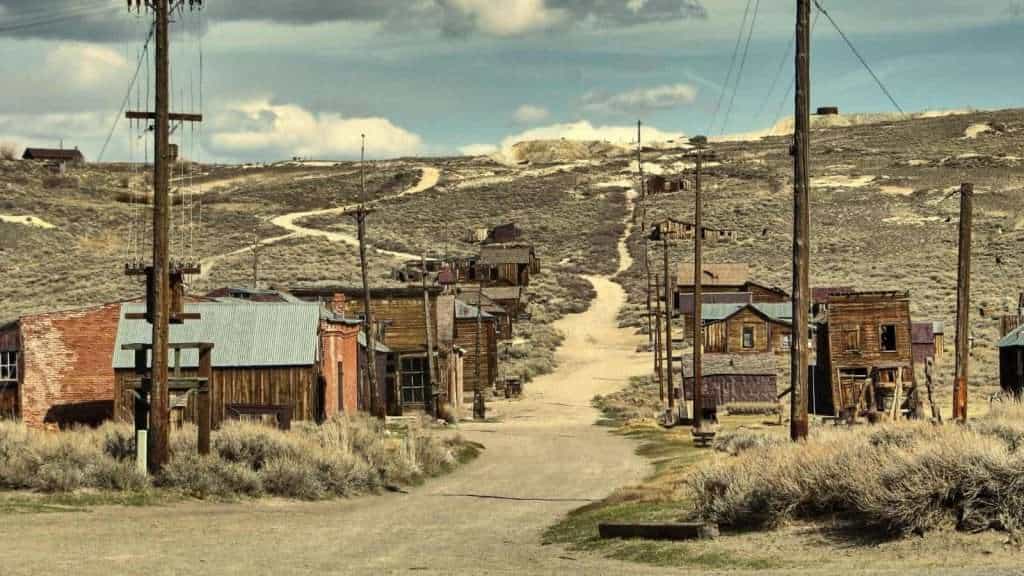
Bodie exploded into existence during the California Gold Rush, its entire economy dependent on mining. When the gold ran out, residents left quickly, leaving behind buildings, furniture, and personal belongings. The town never adapted to another industry, turning it into a near-perfect time capsule. For U.S. travel enthusiasts, Bodie represents how quickly prosperity can vanish when a single resource disappears.
Gary, Indiana

Gary was built entirely around steel production, with mills dominating employment and identity. When the steel industry declined, jobs vanished at a staggering pace. Population loss followed, leaving neighborhoods hollow and infrastructure underused. Travelers interested in industrial U.S. travel history often find Gary deeply sobering, a reminder of how dependent entire cities can be on one economic engine.
Calico, California
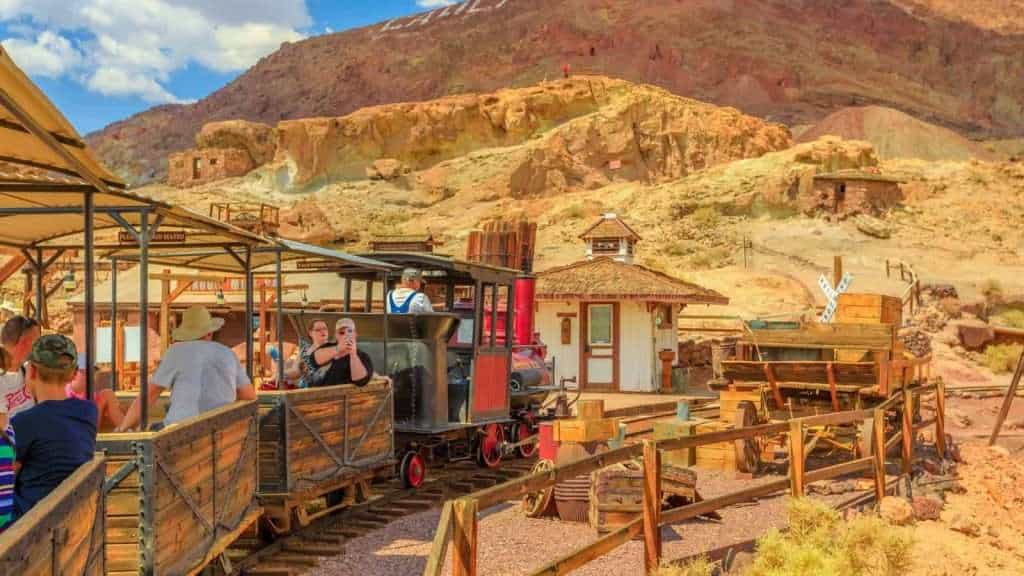
Calico existed solely because of silver mining. When silver prices collapsed in the late 1800s, residents abandoned the town almost immediately. Buildings were left standing but empty, preserved unintentionally by sudden departure. Today, Calico stands as a visual reminder of how mining towns rose and fell overnight, offering U.S. travel visitors a striking look at boom-and-bust history.
Picher, Oklahoma

Picher was built around lead and zinc mining, industries that supported the town for decades. When mining ceased and environmental damage became severe, the town was declared unsafe. Residents relocated, businesses closed, and the population dwindled rapidly. For U.S. travel explorers interested in environmental and industrial history, Picher feels like a place where prosperity vanished faster than anyone expected.
Cairo, Illinois

Cairo thrived as a river shipping hub where the Ohio and Mississippi Rivers meet. When river traffic declined and rail and highway systems took over, the town’s economy collapsed. Businesses closed quickly, and residents moved away in large numbers. U.S. travel enthusiasts often find Cairo haunting, as its grand buildings contrast sharply with its current quiet state.
Cass, West Virginia

Cass existed solely to support the logging industry. When large-scale logging operations ended, the town lost its economic purpose almost immediately. Workers left, and homes sat empty. While parts of Cass were preserved, the abruptness of its decline remains evident. For travelers exploring Appalachian U.S. travel routes, Cass illustrates how industry once dictated survival.
Jerome, Arizona
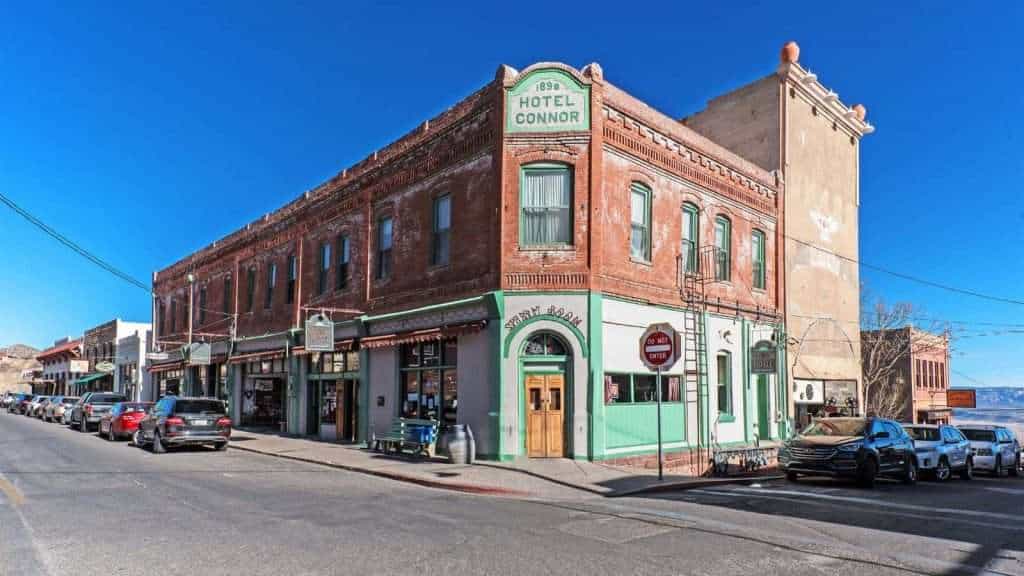
Jerome’s existence revolved around copper mining. When mining operations ceased, the town nearly emptied out. Buildings deteriorated rapidly as residents left, and the population plummeted. Though later partially revived, the scars of its collapse remain visible. U.S. travel explorers often feel the tension between past prosperity and sudden loss while walking Jerome’s steep streets.
Rhyolite, Nevada
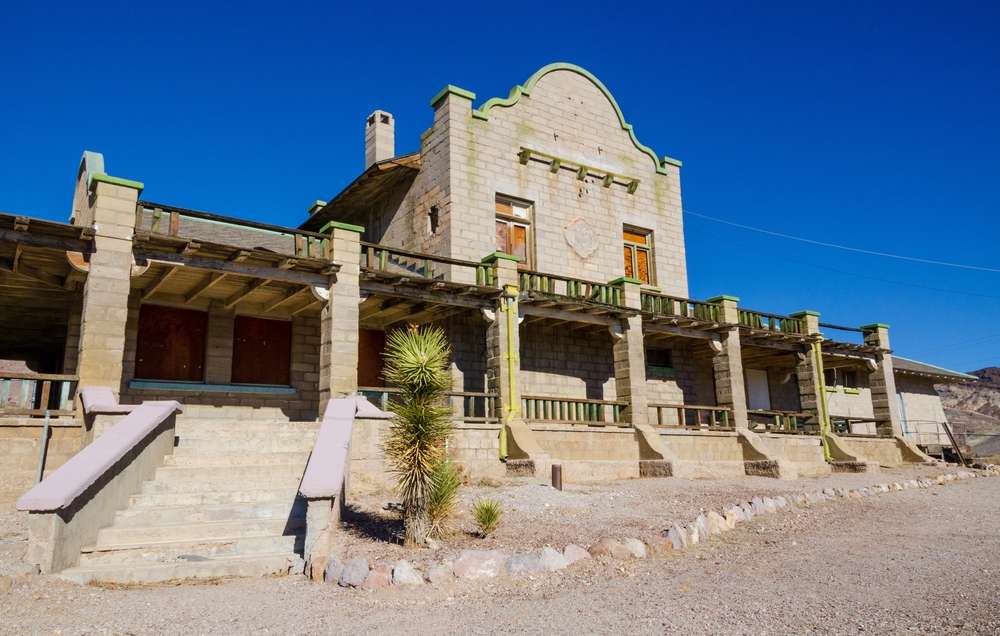
Rhyolite was built almost overnight after gold was discovered nearby. The town grew rapidly, relying entirely on mining. When the ore proved less profitable than expected, the population vanished just as quickly. Buildings were abandoned mid-use. For U.S. travel enthusiasts, Rhyolite feels like a town paused in the moment its industry failed.
McDowell County Towns, West Virginia

Several towns in McDowell County depended exclusively on coal mining. When coal demand dropped and mines closed, entire communities collapsed economically. Stores shut down, schools closed, and populations declined sharply. Travelers interested in rural U.S. travel often find the region emotionally powerful, as the landscape reflects both resilience and loss tied to one vanished industry.
Glenrio, Texas/New Mexico
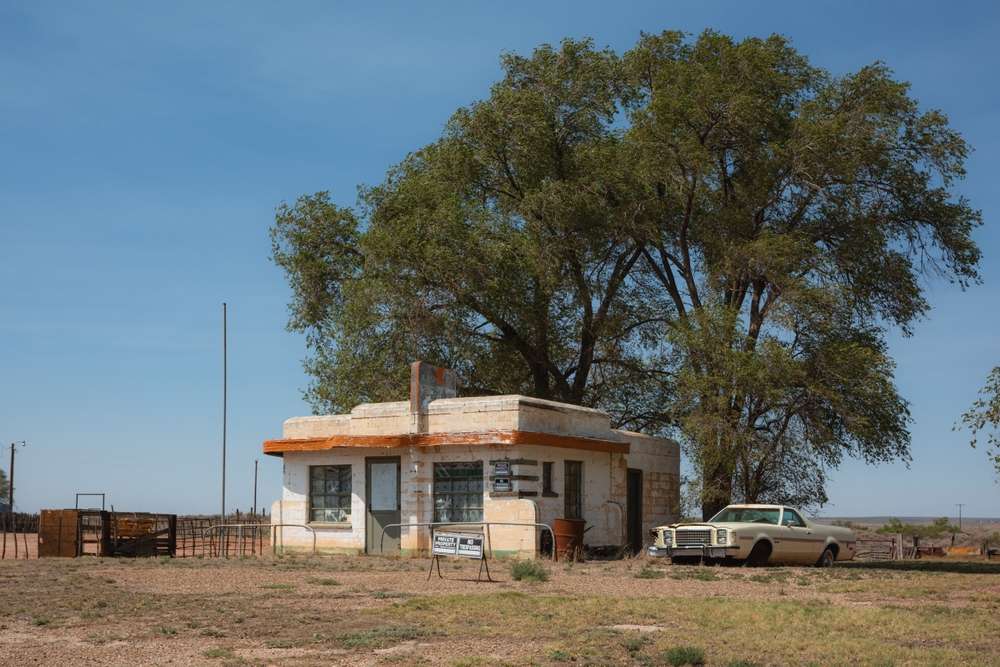
Glenrio existed solely because of Route 66 traffic. When the interstate bypassed the town, tourism disappeared almost instantly. Motels, gas stations, and diners closed within a few years. The town never recovered. For U.S. travel explorers fascinated by roadside history, Glenrio demonstrates how infrastructure shifts can erase entire economies overnight.
Eureka, Utah

Eureka depended entirely on mining, especially silver and lead. When mining operations slowed, residents left in waves. Businesses closed, and the town was left largely empty. Though some preservation exists, the abruptness of its decline is still visible. For U.S. travel enthusiasts, Eureka reflects how mining towns rarely had a backup plan.
Monowi, Nebraska

Monowi thrived when agriculture supported its businesses and population. When farming operations consolidated and opportunities vanished, residents moved away. The town’s decline was swift rather than gradual. U.S. travel explorers often find Monowi fascinating for how quickly economic change can reduce a once-active town to near emptiness.
Kennecott, Alaska
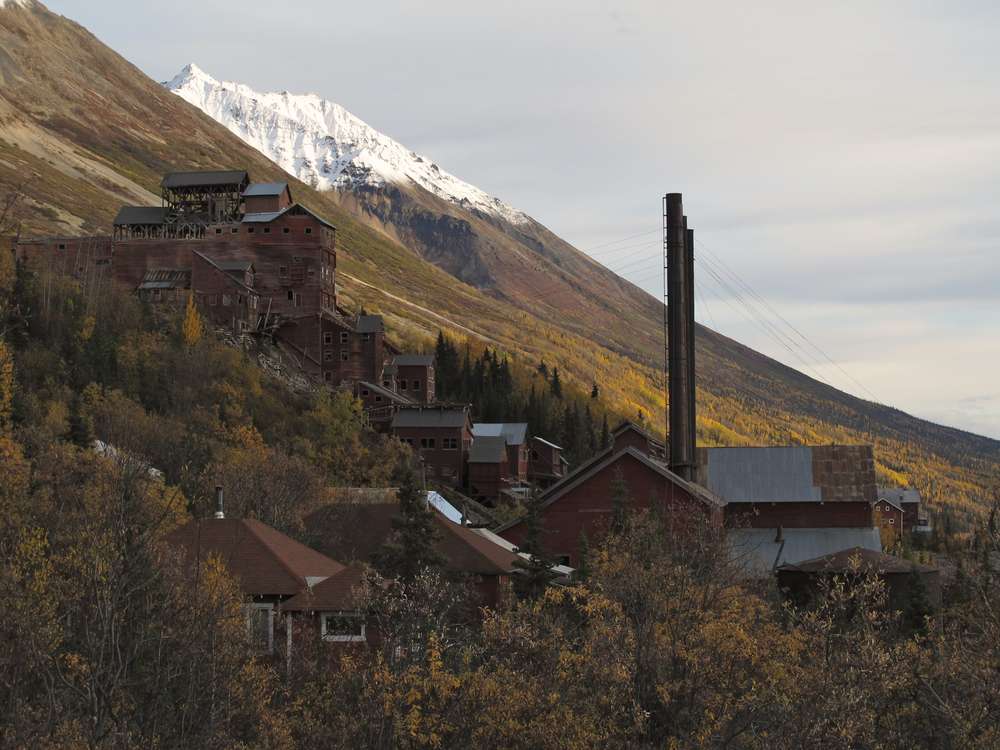
Kennecott was built entirely around copper mining in a remote area. When mining ceased, workers left and the town was abandoned. Buildings remain, preserved by isolation and climate. For adventurous U.S. travel enthusiasts, Kennecott feels like a monument to how resource extraction towns could disappear the moment profitability ended.
East Liverpool, Ohio

East Liverpool thrived as a ceramics manufacturing hub. When production moved overseas, jobs vanished rapidly. Businesses closed, and population declined. Travelers exploring Midwestern U.S. travel history often find the town reflective, with remnants of an industry that once defined its identity.
Terlingua, Texas
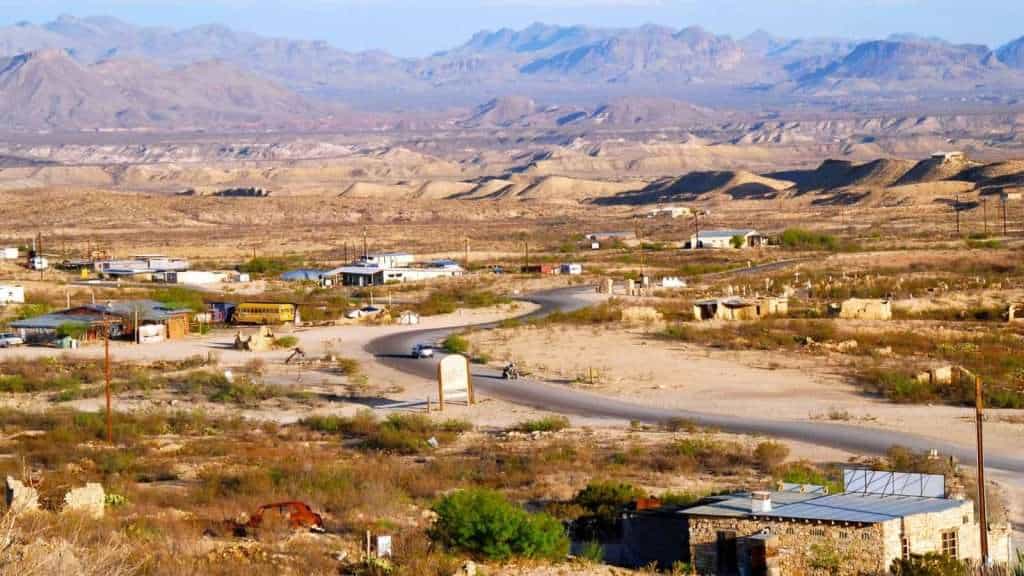
Terlingua existed to support mercury mining. When the industry collapsed, residents left quickly. Buildings deteriorated, and the town nearly vanished. Though partially revived later, the abrupt end of its original industry still shapes its character. U.S. travel explorers often feel the weight of sudden loss while visiting.
Anaconda, Montana

Anaconda was built entirely around copper smelting. When operations shut down, thousands lost jobs almost immediately. The town struggled to redefine itself. Industrial structures still dominate the landscape, reminding visitors of how fast prosperity disappeared. For U.S. travel enthusiasts, Anaconda tells a powerful story of dependence on a single employer.
Flint, Michigan
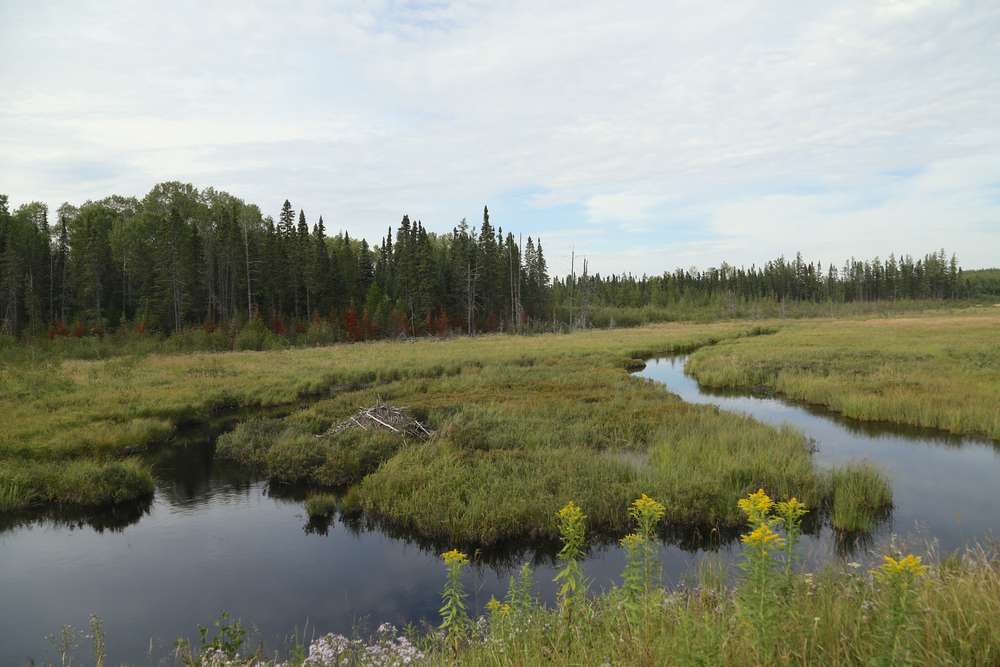
Flint’s economy revolved around automobile manufacturing. When factories closed, jobs vanished rapidly, triggering population loss and economic decline. Neighborhoods emptied and services struggled to survive. Travelers interested in industrial U.S. travel history often find Flint emotionally complex, where resilience exists alongside deep loss.
Silver City, Idaho
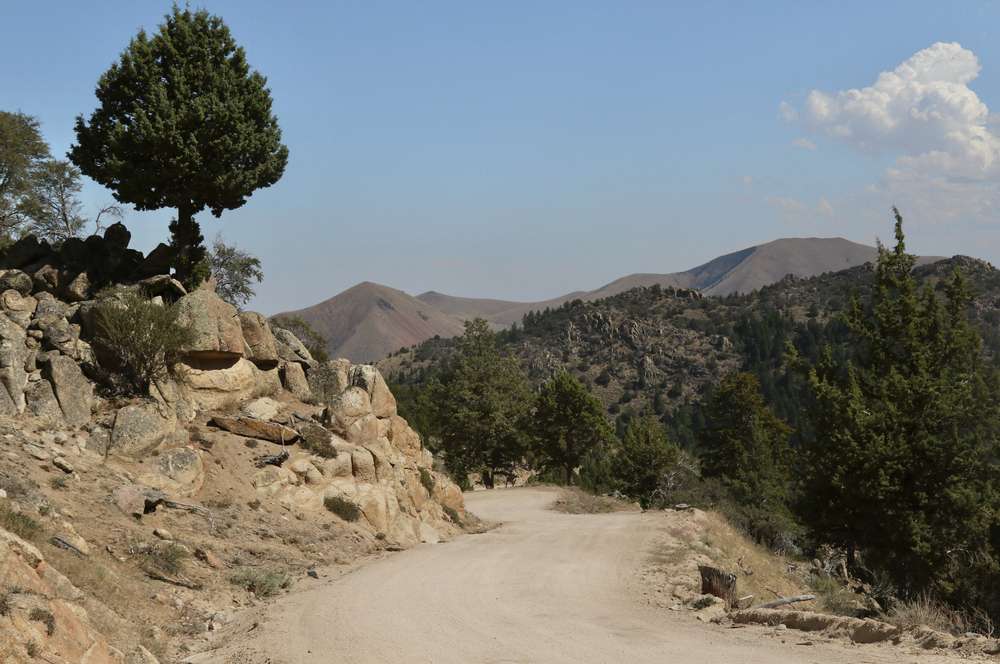
Silver City was built entirely around silver mining. When mining operations ceased, residents abandoned the town quickly. Buildings remain largely intact, offering a snapshot of sudden departure. For U.S. travel explorers, Silver City feels like walking through a moment when an industry failed without warning.
Coalwood, West Virginia

Coalwood existed solely for coal mining families. When mines closed, residents left almost immediately. The town’s decline was swift and visible. Travelers exploring Appalachian U.S. travel routes often feel the emotional weight of how quickly livelihoods disappeared.
Garfield, New Mexico

Garfield depended on railroad maintenance and service work. When rail operations shifted, the town lost its economic purpose. Businesses closed, and residents relocated. For U.S. travel enthusiasts, Garfield stands as a quiet reminder of how transportation changes could erase entire communities overnight.

Deborah Montiero is a seasoned travel writer and contributor to Probe the Globe. With a passion for uncovering hidden gems and sharing immersive travel experiences, Deborah’s work highlights must-visit destinations, insider tips, and practical advice for travelers of all types. Whether exploring bustling cities or remote escapes, her articles are crafted to inspire and inform, making her a trusted voice in the travel community.
Her storytelling weaves together cultural insights, logistical tips, and authentic experiences, making her a valuable resource for readers seeking unforgettable journeys.
When not writing, Deborah is likely researching the latest travel trends or planning her next adventure. Follow her work on Probe the Globe for fresh perspectives and up-to-date travel inspiration.