Travel That Sparks Conversations: 8 Places to Meet Fascinating Strangers
One of the quiet joys of travel is the opportunity to engage with people you wouldn’t normally encounter. While many travelers seek new foods, landscapes, or museums, others find meaning in the small interactions they share with locals and fellow travelers. If you’re someone who appreciates insightful conversation and unexpected perspectives, certain destinations tend to naturally foster those moments. Here are eight places around the world where meeting fascinating strangers feels less like chance and more like part of the experience.
Montreal, Canada
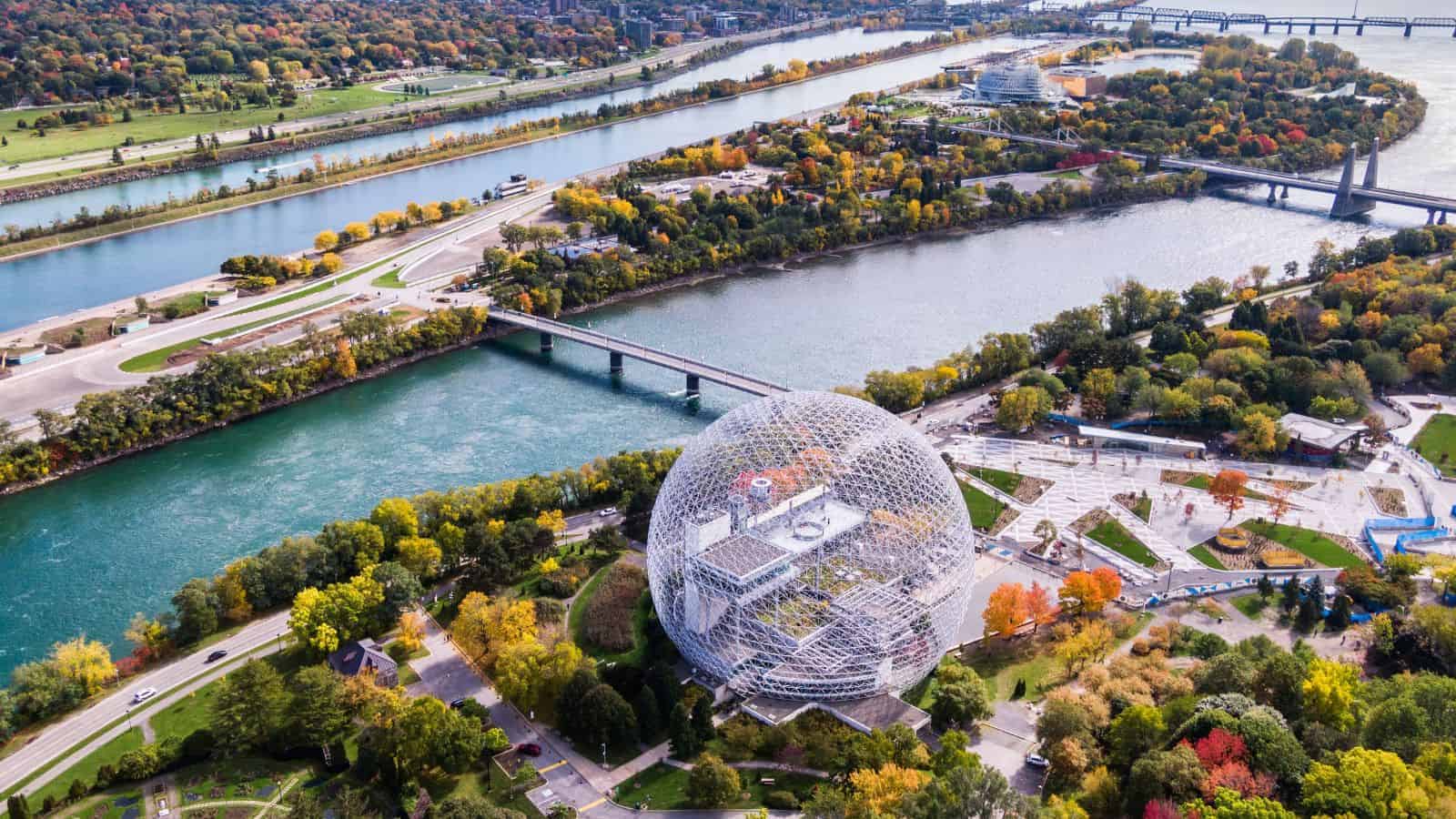
Montreal’s bilingualism and cultural diversity contribute to an environment where varied perspectives are valued. The city’s many public parks, university campuses, and music festivals often lead to spontaneous interactions. You’ll find many residents are used to switching between French and English, which adds another layer of cultural exchange. Independent bookstores and public lectures at universities provide informal forums where discussions often continue long after the event ends. Whether you’re sharing a picnic in Parc La Fontaine or waiting in line at a food truck, there’s space for curiosity and connection.
Oaxaca, Mexico
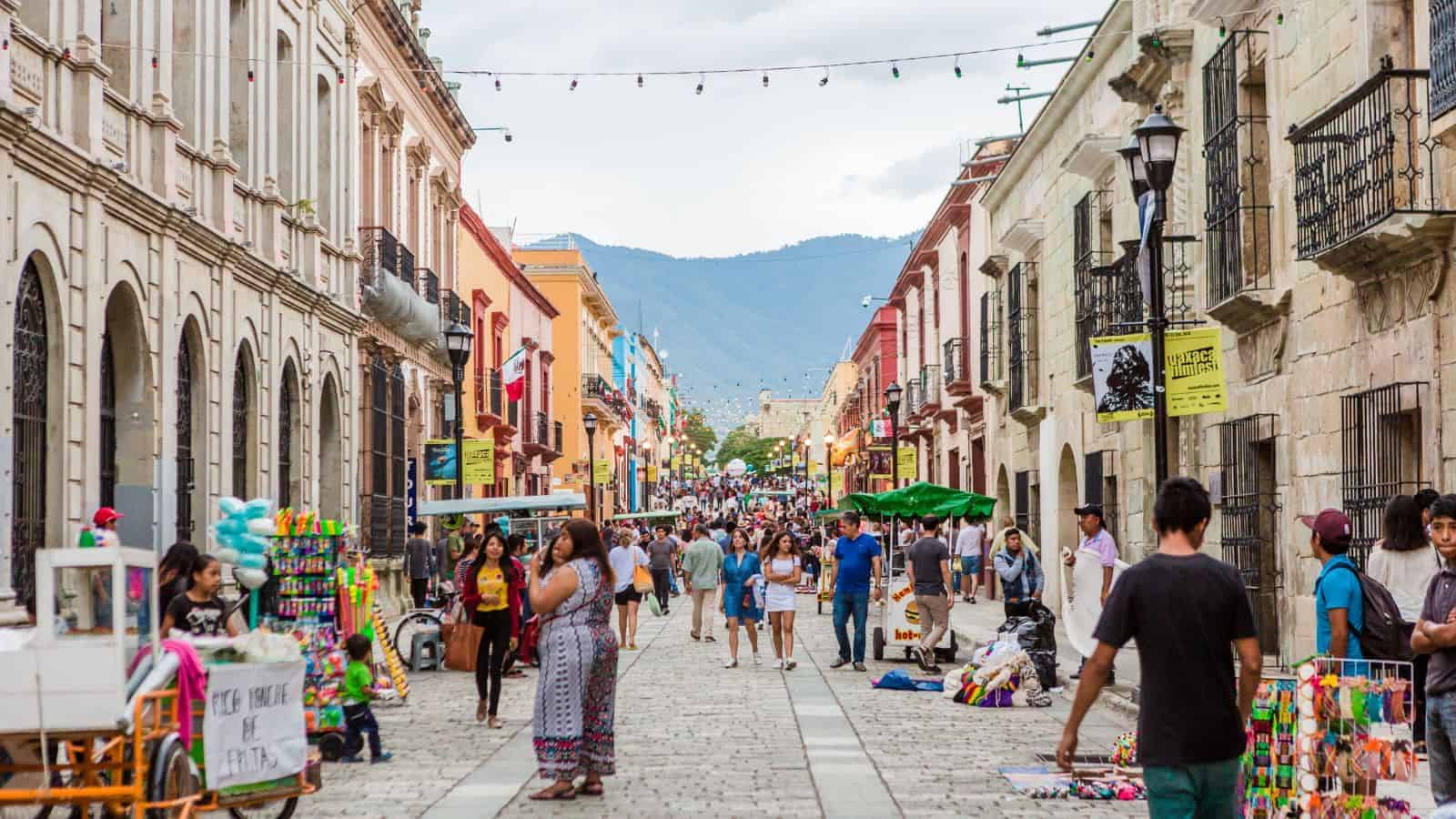
Oaxaca has long drawn artists, writers, and craftspeople from both within Mexico and around the world. The city’s vibrant markets, art workshops, and cooperative spaces bring people together in a setting that values creative exchange. Travelers can often strike up conversations during cooking classes, textile demonstrations, or casual mezcal tastings. Unlike some larger cities, the pace here is slower, which encourages longer, more thoughtful exchanges. Many cultural events, such as gallery openings or public talks, are welcoming to both visitors and locals.
Sarajevo, Bosnia and Herzegovina
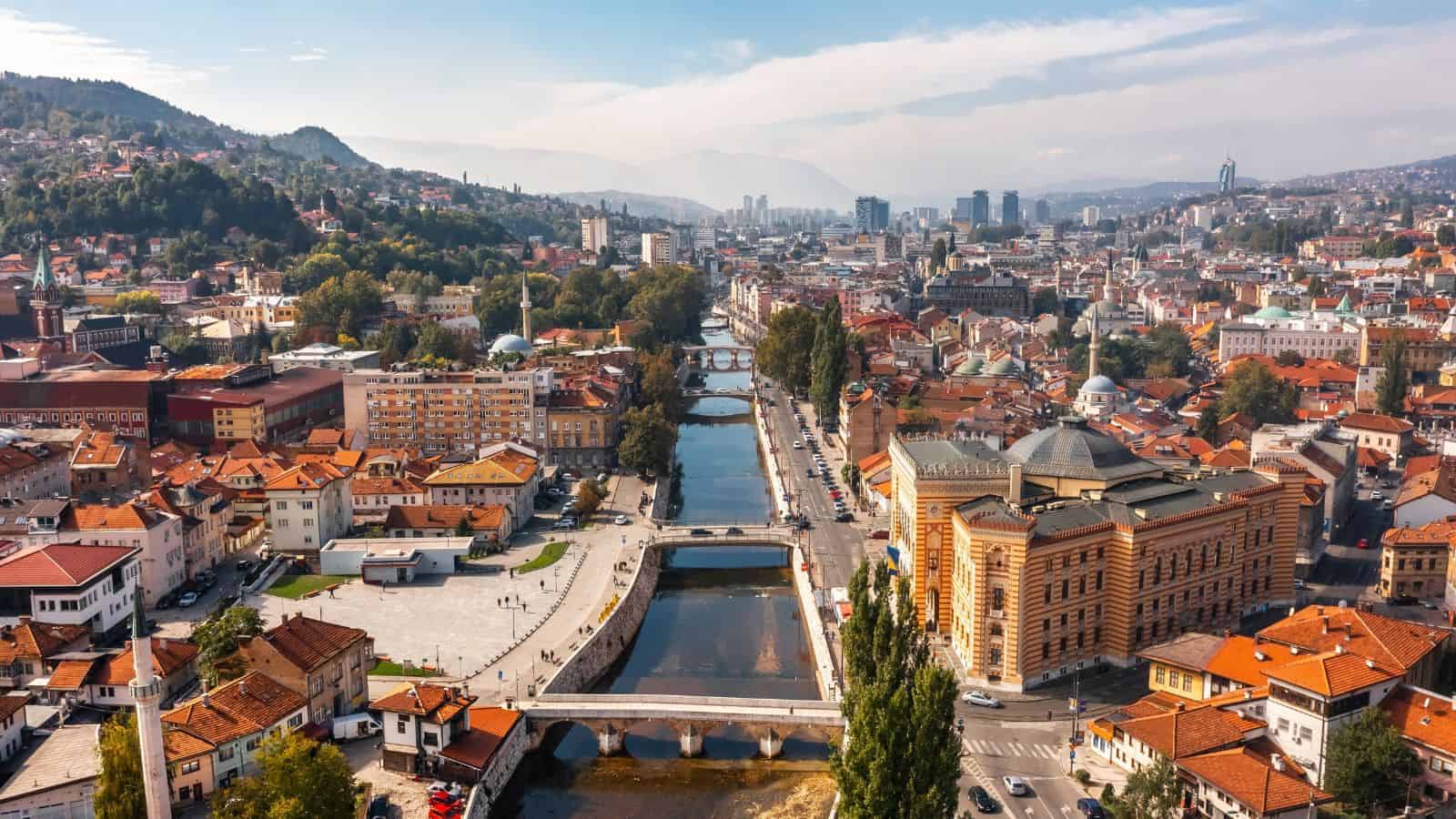
Sarajevo’s compact city center, shaped by a mix of Ottoman, Austro-Hungarian, and Yugoslav influences, sparks questions even without conversation. As you walk past mosques, cathedrals, and war memorials within blocks of each other, it’s common to find locals who are open to sharing perspectives. Street-side cafés are a core part of daily life, where both locals and travelers linger over coffee, often with time to talk. While the city has its share of challenges, it’s also marked by a quiet resilience that comes through in personal stories.
Takayama, Japan

Located in the mountains of central Japan, Takayama balances tradition with calm accessibility. The old town area, known for preserved wooden buildings and open-air morning markets, often invites questions about local crafts or regional food. Though Japan is often seen as a culture that values privacy, smaller towns like Takayama tend to be more approachable, particularly in guesthouses or over sake tastings. With many shop owners happy to explain their goods or traditions, even brief exchanges can feel meaningful.
Groningen, Netherlands
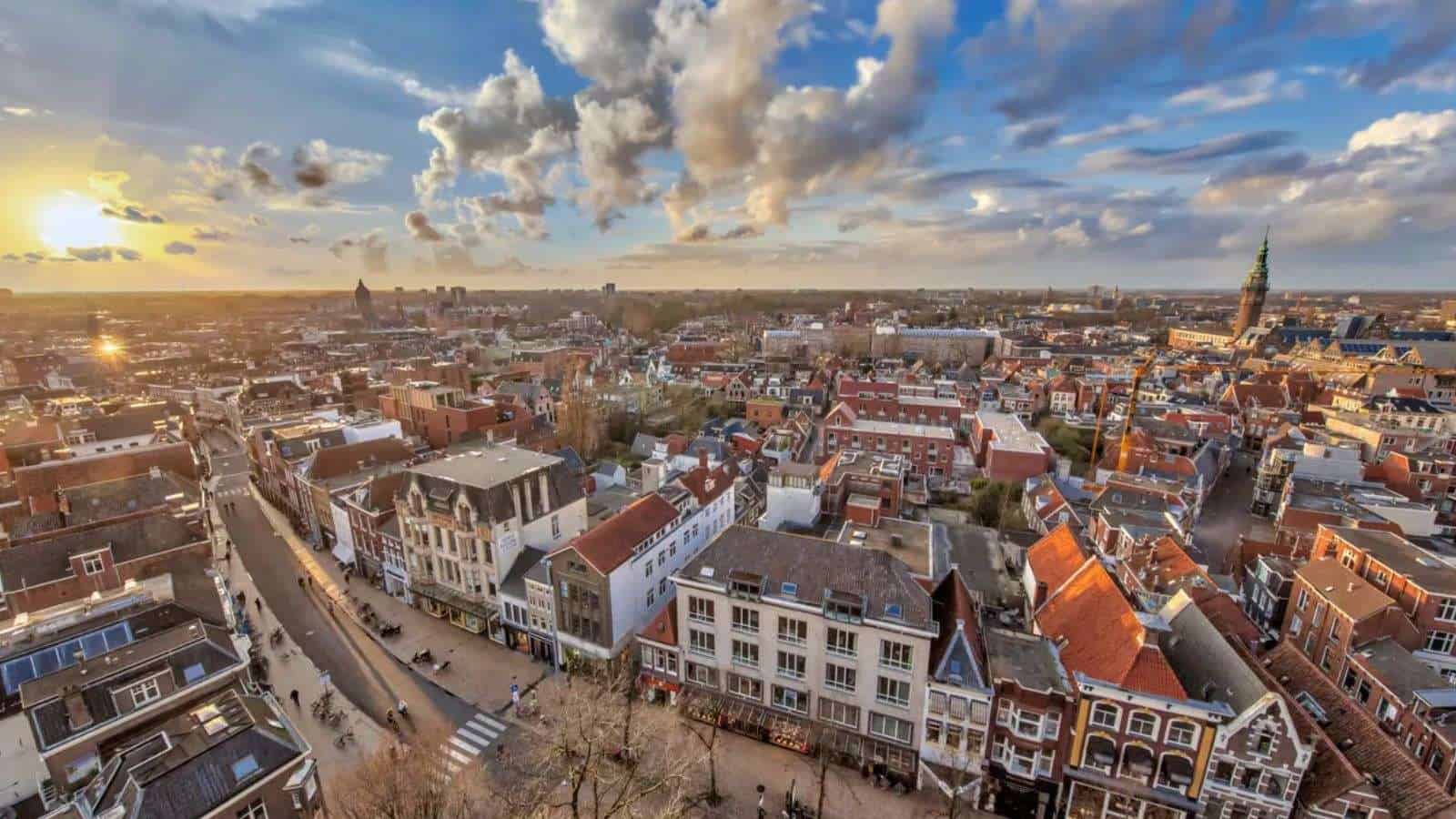
This northern Dutch city is often overlooked in favor of Amsterdam, but Groningen has its own appeal: a youthful, bike-friendly layout and a large student population. With a city center that encourages walking and biking, it’s easy to encounter locals in bookstores, coffee shops, and art spaces. English is widely spoken, especially among university students, and many are eager to discuss social issues, education, or travel. The flat geography and bike-first infrastructure naturally slow the pace, opening space for more interaction.
Ghent, Belgium
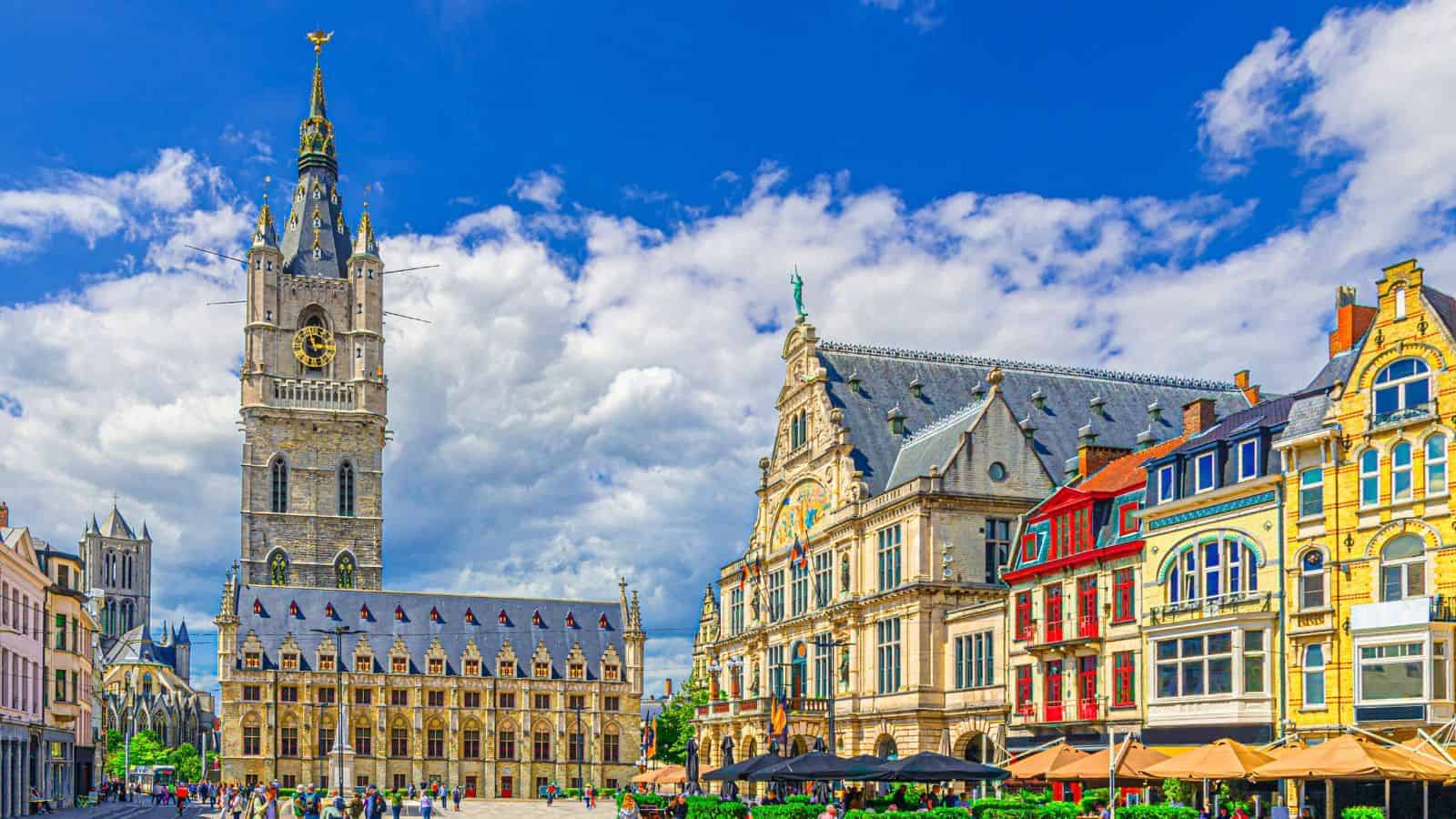
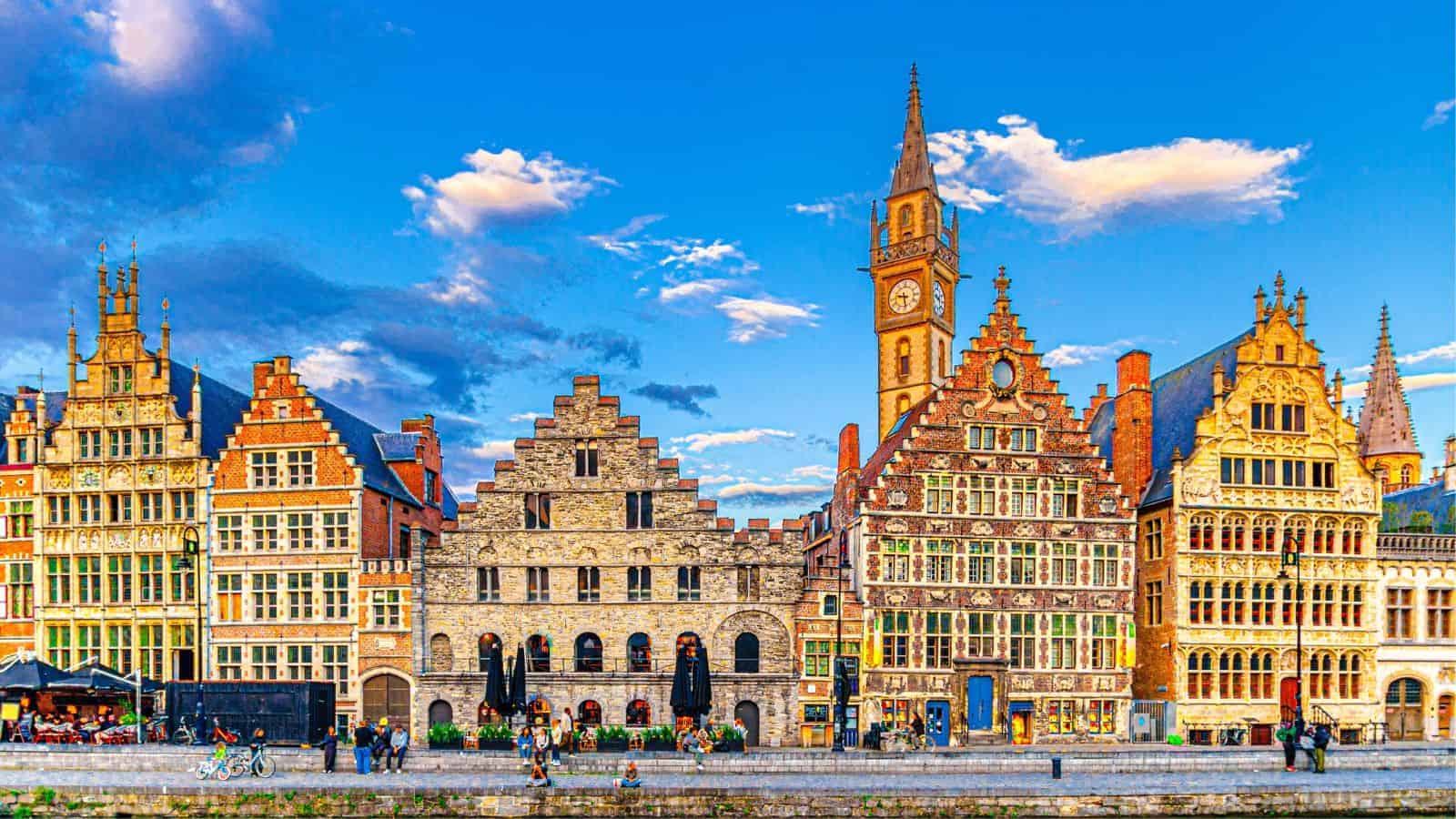
Ghent offers a quieter alternative to Brussels or Bruges, but its energy is steady thanks to a large university population. Public events, community spaces, and canalside gatherings create casual points of contact. The city has a practical, unpolished charm that makes interactions feel genuine rather than curated. English is commonly spoken, especially among younger residents, and locals are often happy to explain regional differences, food customs, or Belgian politics to curious visitors.
Nafplio, Greece

Nafplio, a coastal town in the Peloponnese, offers a quieter alternative to Greece’s more crowded destinations. Its neoclassical architecture, sea-facing promenade, and nearby historical sites encourage slower movement. Evening strolls along the harbor or lingering over coffee in shaded courtyards often lead to relaxed dialogue. Locals are generally warm and conversational, especially in family-run restaurants or markets where interactions unfold naturally. Many are multilingual, and the town’s manageable size supports repeated encounters that deepen over time.
Napier, New Zealand
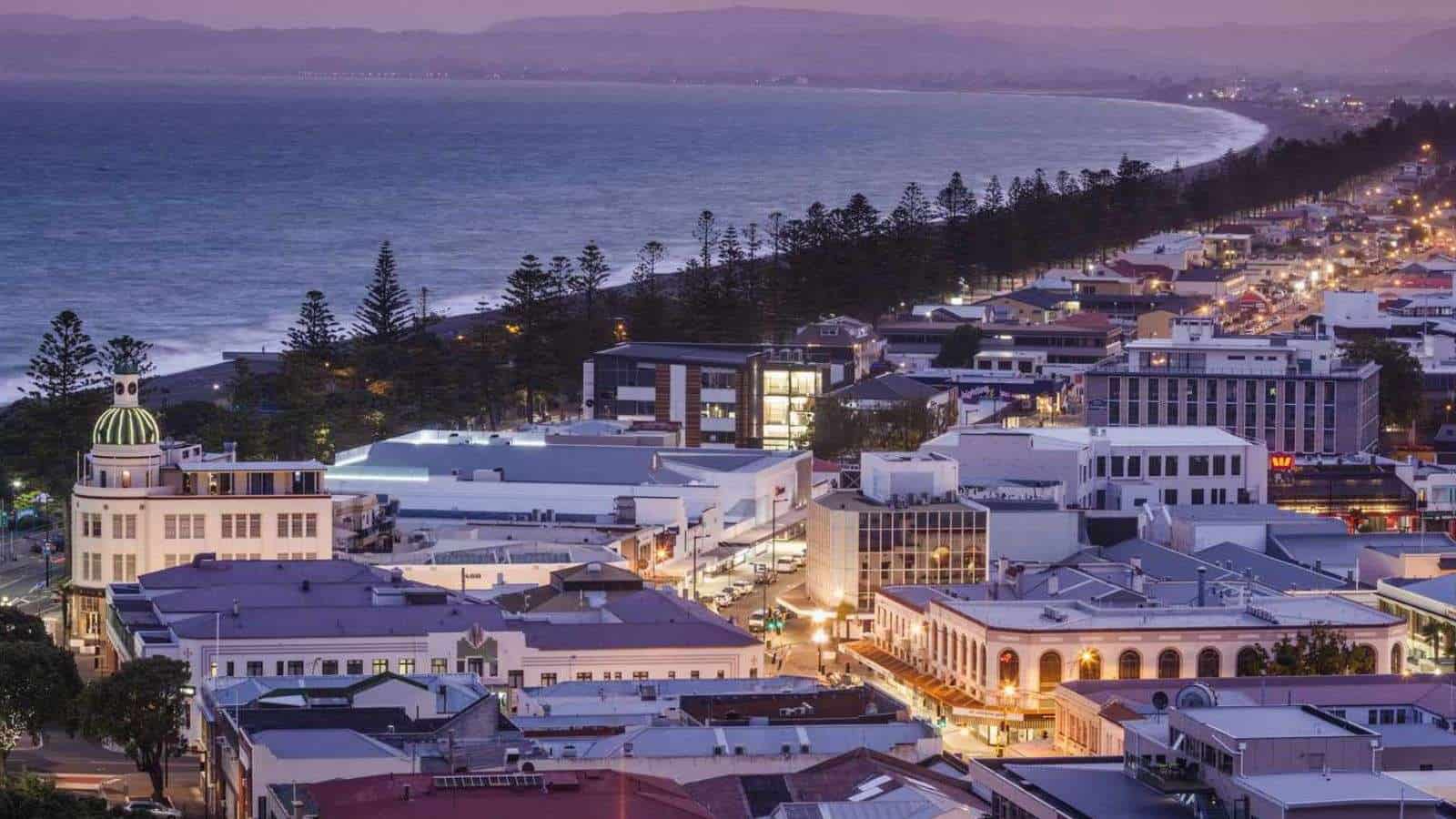
Napier, on New Zealand’s North Island, blends coastal scenery with an artistic vibe grounded in its Art Deco architecture. While often associated with its design heritage, Napier’s walkable center and seaside promenades offer moments for informal connection. Small galleries, vintage shops, and local cafés are spaces where conversations often begin with simple questions about design or local life. Many locals are accustomed to travelers and open to exchanges, especially around shared interests like art, nature, or community.

Deborah Montiero is a seasoned travel writer and contributor to Probe the Globe. With a passion for uncovering hidden gems and sharing immersive travel experiences, Deborah’s work highlights must-visit destinations, insider tips, and practical advice for travelers of all types. Whether exploring bustling cities or remote escapes, her articles are crafted to inspire and inform, making her a trusted voice in the travel community.
Her storytelling weaves together cultural insights, logistical tips, and authentic experiences, making her a valuable resource for readers seeking unforgettable journeys.
When not writing, Deborah is likely researching the latest travel trends or planning her next adventure. Follow her work on Probe the Globe for fresh perspectives and up-to-date travel inspiration.