22 Stairway-to-Nowhere Landmarks That Keep Confusing Visitors
Across the United States, travelers regularly encounter staircases that rise confidently into nothing at all. These strange structures appear in parks, deserts, forests, and city edges, often leaving visitors confused about where they were supposed to go. For U.S. road trip travelers who love odd landmarks, abandoned plans, and mysterious infrastructure, these stairways are unforgettable photo stops. We take a look at 22 Stairway-to-Nowhere Landmarks That Keep Confusing Visitors
Haiku Stairs

The Haiku Stairs, often called the Stairway to Heaven, climb steeply along a mountain ridge before seemingly vanishing into the clouds. Built as a military access route, the stairs now confuse visitors who expect a clear destination at the top. Fog frequently obscures the final viewpoint, making it feel like the steps lead nowhere at all. Despite being closed, it remains one of the most talked-about confusing landmarks in U.S. travel lore.
Vasquez Rocks Staircase

Hidden among dramatic rock formations, this isolated staircase appears with no obvious purpose. It leads upward toward a rock face and then simply stops. Travelers exploring Southern California road trips often stumble across it while hiking. The lack of signage or explanation makes it feel like a forgotten film prop or abandoned plan, adding to the mystery that keeps visitors guessing.
Shipwreck Stairs

Near the receding shoreline of the Salton Sea, concrete staircases remain where docks and buildings once stood. As the waterline moved, the stairs were left behind, rising toward empty air. Travelers visiting this surreal destination often pause in confusion, trying to imagine what once existed. The stairs act as visual proof of environmental change and abandoned development.
Centralia Staircase

In the nearly abandoned town of Centralia, staircases appear leading to missing houses. After residents relocated due to underground fires, many structures were demolished, leaving steps behind. Travelers exploring unusual Pennsylvania destinations find these stairs haunting. They create the unsettling illusion that homes might reappear, making Centralia one of the most confusing ghost-town experiences in U.S. travel.
Fort Tilden Stairways

At Fort Tilden, staircases rise from sand dunes and stop abruptly above the beach. Once connected to military structures and observation posts, erosion and demolition changed everything. Urban explorers and New York travelers often stand at the base wondering what used to be there. The stairs feel disconnected from time, blending military history with coastal decay.
Sunken City Stairs

The Sunken City features concrete steps leading toward cliffs that collapsed decades ago. Earth movement caused entire streets and staircases to slide toward the ocean. Today, travelers encounter steps that appear to climb into open sky. The disorientation adds to the location’s forbidden allure, making it a favorite among photographers and urban explorers.
Cliff Palace Access Stairs

While most stairways here are functional, some older access routes end abruptly where structures were removed. Visitors sometimes mistake these partial staircases for paths meant to continue. For U.S. travel focused on ancient sites, these stairs highlight how preservation changes landscapes. They confuse modern expectations while offering insight into archaeological management.
Bannack Stair Remains

In this preserved ghost town, staircases stand where buildings no longer exist. Travelers exploring Montana road trips often encounter these isolated steps without explanation. They mark former homes, hotels, and saloons. The stairs make visitors mentally reconstruct the town, creating a powerful but confusing sense of place rooted in absence rather than structure.
Sutro Baths Ruins Stairs
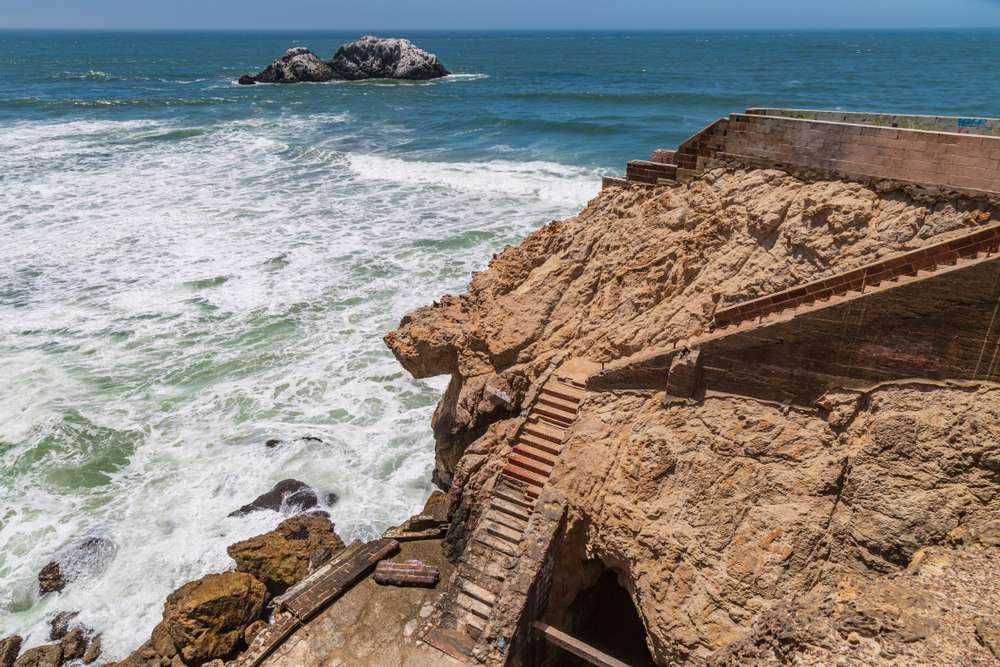
Among the ruins of the Sutro Baths, staircases descend toward empty pools and collapsed platforms. Fog and ocean spray amplify the confusion. Visitors expect stairs to lead somewhere specific, but instead they open into ruins and sea air. For San Francisco travelers, this site blends history, erosion, and architectural fragments into a puzzling experience.
Slab City Stairs

Scattered across Slab City are staircases once attached to abandoned military buildings. With the structures gone, only concrete steps remain. Travelers visiting this off-grid community often find these stairs particularly baffling. They serve as reminders of planned permanence that never lasted, fitting perfectly into the area’s unconventional reputation.
Glen Canyon Ruins Stairs

As water levels fluctuate, staircases periodically emerge from exposed shoreline near Lake Powell. These steps once led to docks or homes now underwater or gone. Travelers visiting Arizona road trip destinations often encounter them unexpectedly. The stairs feel misplaced, standing between land and water with no clear function.
Rhyolite Staircases

Rhyolite contains several staircases attached to walls with no roofs or floors. The town’s rapid collapse left these fragments behind. Travelers exploring Nevada’s desert highways often stop here and puzzle over how quickly prosperity vanished. The stairs emphasize the speed at which boomtowns rose and fell in the American West.
Bodie Stair Remnants

In Bodie, staircases remain as quiet placeholders for buildings long gone. Preservation policies intentionally froze decay, leaving steps intact. Travelers walking the dusty streets often pause at stairways that climb toward nothing. The effect deepens the ghost town atmosphere and confuses expectations of architectural completeness.
Fort Ord Staircases

At the former Fort Ord military base, staircases still stand after demolition. These steps once led into barracks and offices. Travelers hiking the area encounter them unexpectedly along trails. The stairs feel strangely domestic in an otherwise open landscape, confusing visitors who expect nature rather than military leftovers.
Old Zoo Stairways

The abandoned Los Angeles Zoo contains staircases leading to empty enclosures and missing platforms. Visitors exploring Griffith Park often discover them by accident. The stairs suggest crowds and animals that no longer exist. For urban travelers, these remnants turn a public park visit into a puzzling historical encounter.
Cairo Illinois Stair Remains

As buildings were demolished during population decline, staircases remained scattered throughout Cairo. Travelers driving through southern Illinois often notice steps leading to open lots. The effect is unsettling and confusing. These stairs visually document economic change and abandonment in a way signs or plaques never could.
Ellis Island Hospital Stairs

Within the abandoned hospital complex, staircases end at sealed doors or collapsed floors. Visitors on guided tours often stop, unsure whether the stairs were meant to continue. The confusion adds emotional weight to the site. For U.S. travel focused on immigration history, these stairs symbolize interrupted journeys.
Route 66 Motel Stairs

Along abandoned Route 66 sites, motel staircases remain after rooms were demolished. Travelers exploring classic U.S. road trips often encounter these steps standing alone in desert landscapes. They create powerful visual contrast between movement and abandonment. The stairs suggest travelers who once climbed them, now long gone.
Fort Hancock Staircases

At Fort Hancock, stairways rise toward empty interiors where military buildings once stood. Coastal erosion and removal left these fragments behind. Visitors walking the shoreline often stop in confusion. The stairs feel oddly formal for such an open, windswept setting.
Salton City Staircases

In partially developed neighborhoods, staircases lead to vacant lots where houses were never completed. Travelers exploring California desert destinations often encounter these steps unexpectedly. They reflect halted development and changing plans. The stairs feel like punctuation marks without sentences.
Glenrio Stair Remains
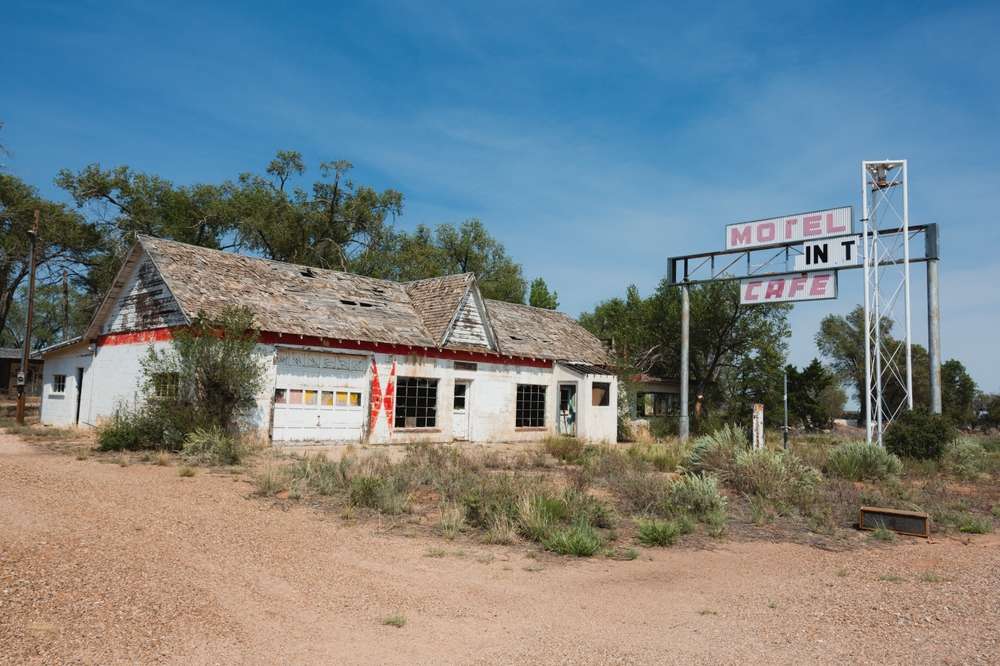
Glenrio’s abandoned buildings left staircases behind when walls collapsed. Travelers driving old Route 66 through New Mexico often notice them rising from dust. The stairs hint at motels and diners that once thrived. Their presence adds confusion and nostalgia to the roadside experience.
Camp Hero Staircases
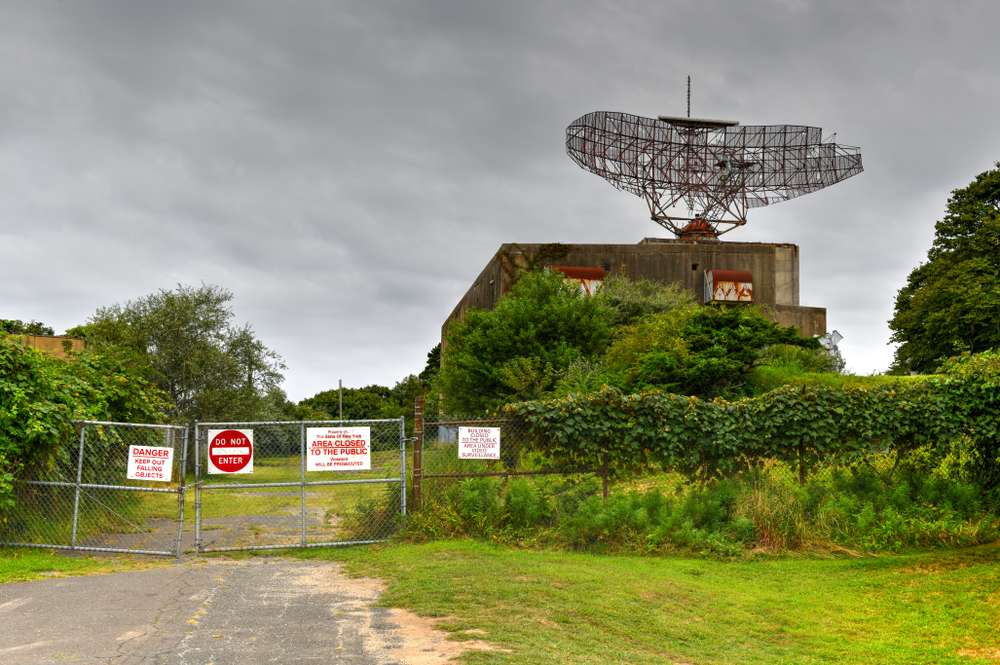
At Camp Hero, staircases remain attached to empty platforms and sealed bunkers. Visitors exploring Long Island travel often encounter them without explanation. The stairs feed conspiracy theories and speculation. Their unclear purpose keeps curiosity alive long after visitors leave.

Deborah Montiero is a seasoned travel writer and contributor to Probe the Globe. With a passion for uncovering hidden gems and sharing immersive travel experiences, Deborah’s work highlights must-visit destinations, insider tips, and practical advice for travelers of all types. Whether exploring bustling cities or remote escapes, her articles are crafted to inspire and inform, making her a trusted voice in the travel community.
Her storytelling weaves together cultural insights, logistical tips, and authentic experiences, making her a valuable resource for readers seeking unforgettable journeys.
When not writing, Deborah is likely researching the latest travel trends or planning her next adventure. Follow her work on Probe the Globe for fresh perspectives and up-to-date travel inspiration.