

Remote Work Leads to Increased Winter Travel Costs and Lengthier Journeys
Travelpixs // Shutterstock
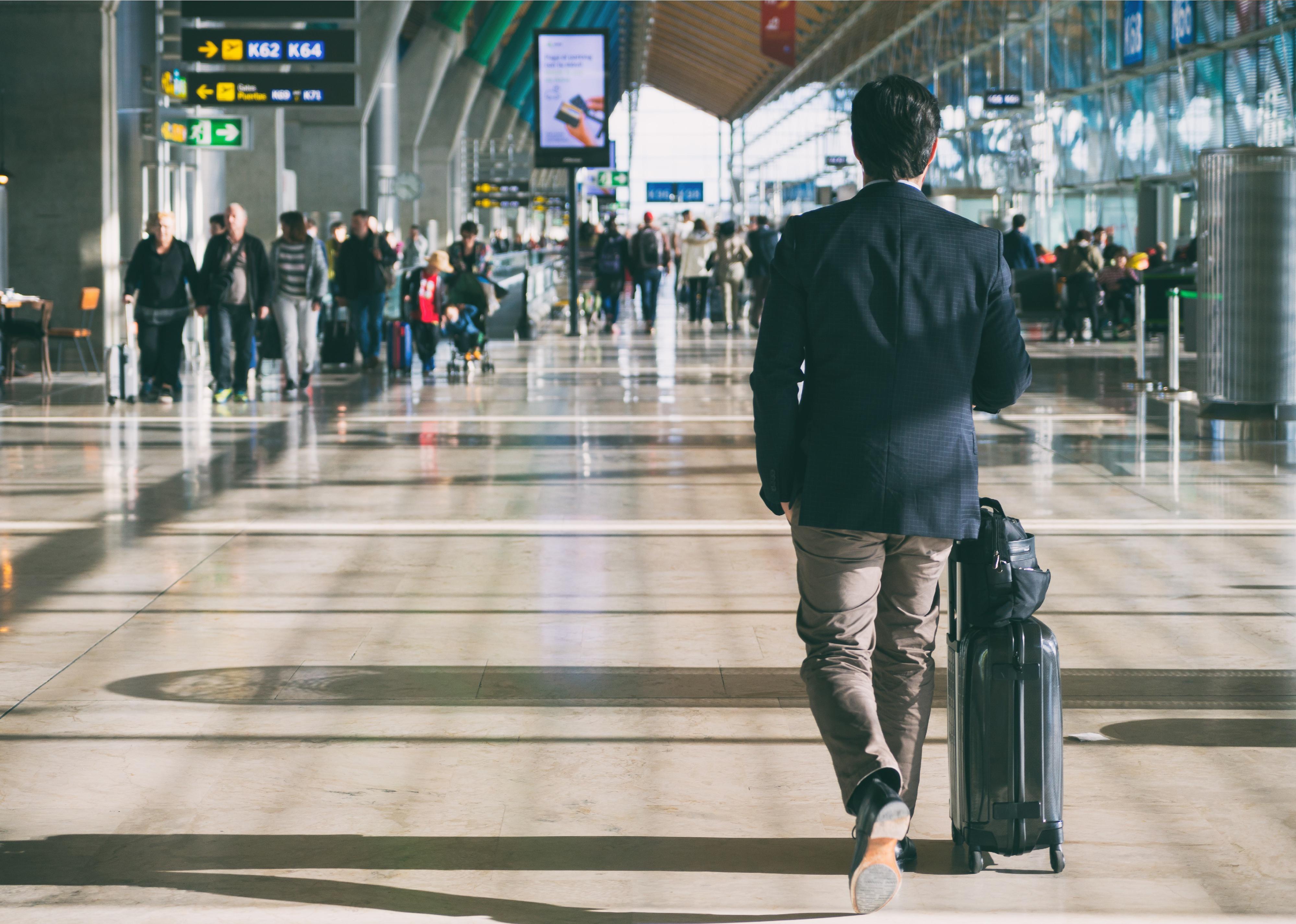
Traveling is back on, and people are willing to make up for lost time, even if that means having to work while traveling
After long pandemic years that curtailed travel, loosened restrictions spurred many to pack their bags and head out on long-awaited trips. The rise of remote work is cited by many experts as a reason behind extremely high travel demand, according to the New York Times. Many newly minted digital nomads are planning trips during which they work part of the time. These blurred lines may alter how Americans differentiate between leisure and business travel. Already, the airline industry is seeing demand even out between busy weekends and slow midweek times. “There’s been a permanent structural change in leisure demand because of the flexibility that hybrid work allows,” United’s chief executive, Scott Kirby, said. “This is not pent-up demand. It’s the new normal.”
VGstockstudio // Shutterstock
Travelers can expect to pay more
Passengers are dusting off their luggage and are coming back with fervor as fears of COVID-19 ease. The increased demand, coupled with the short supply of staff, a decreased seat capacity (down 6% compared to pre-pandemic levels), and a jet fuel price increase of 150% in the last year have resulted in airfares 25% more expensive than last year, according to the Consumer Price Index November 2022. Widespread inflation is also impacting the travel industry. According to the U.S. Travel Association’s travel price index, fuel cost is up nearly 50% in October compared to 2020; accommodation prices have similarly increased by 25%. From food to taxis and even entertainment, travelers can expect to shell out more.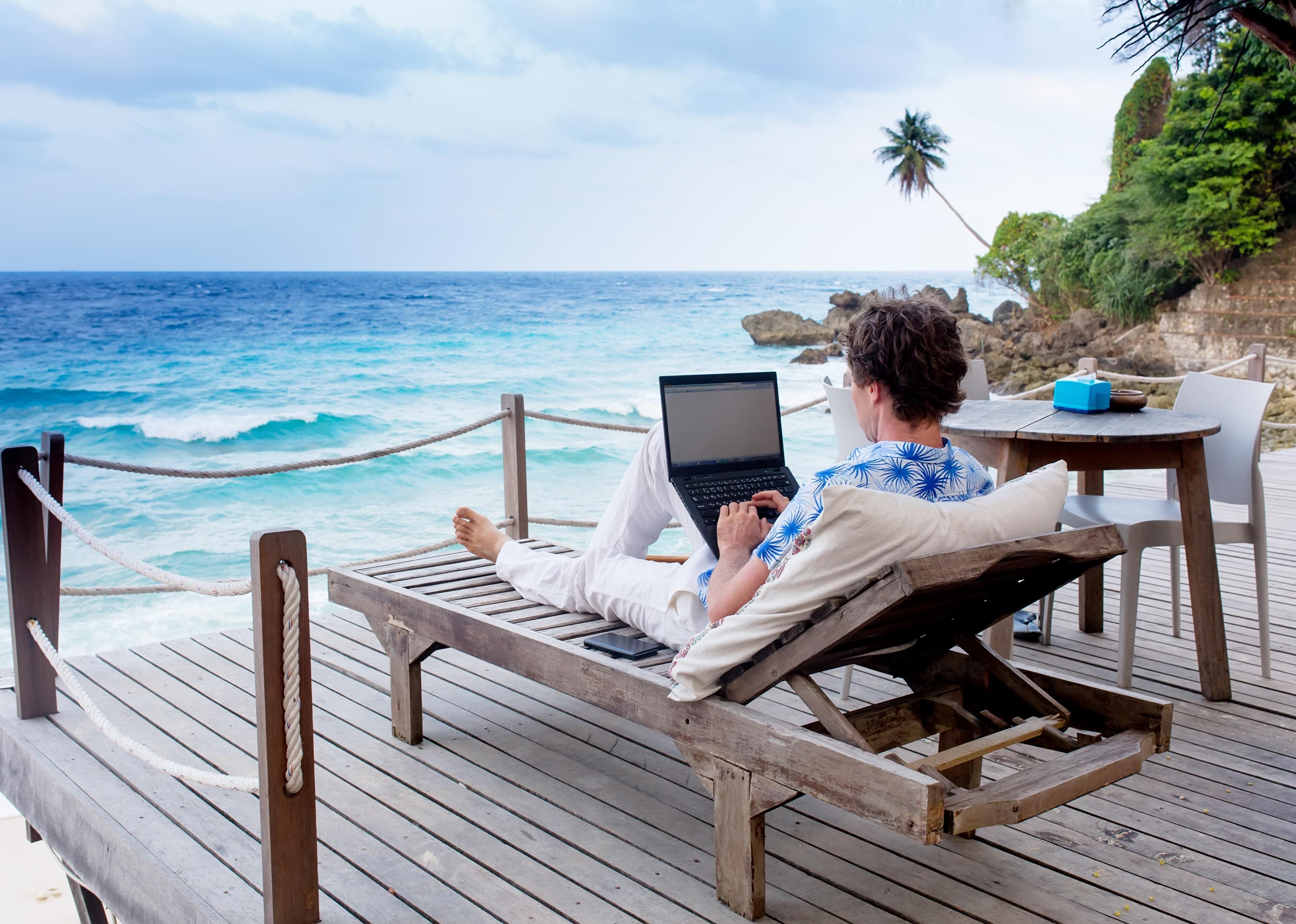
TDway // Shutterstock
Longer trips that combine remote work with time off
The rise of the remote worker has also come with an attendant increase in “bleisure”—a mashup of “business” and “leisure” travel—or the relatively more familiar term, “workcation.” Rather than taking one or two big trips during limited vacation days, employees are packing their laptops, finishing deadlines on the road, and may log twice as many trips, Deloitte’s 2022 travel industry outlook estimates. The increased adoption of Zoom, Slack, and similar technologies to communicate has made it much easier to stay connected to workplace happenings, even as workers make memories with their families. However, this blended travel experience has its obvious pitfall: How can one truly escape when one can take work anywhere in the world? Rather than trying to make the best of both worlds, researchers Laura M. Giurge and Kaitlin Woolley strongly encourage the separation between the proverbial church and state. Their research, published in Harvard Business Review, found that people who worked on weekends and holidays felt less motivated at work in the long run. This story originally appeared on Bounce and was produced and distributed in partnership with Stacker Studio.
Elizabeth Jackson
Elizabeth Jackson is a contributor to Probe the Globe.