20 Remote Places in the U.S. Where You Can Truly Unplug
For many travelers, the true essence of adventure lies not in crowded tourist attractions but in the quiet corners of nature where Wi-Fi fades and cell signals vanish. These escapes invite you to reconnect with the natural world and yourself, whether that means hiking among pristine forests, gazing at endless mountain ranges, or sitting silently by an untouched lake. The United States is filled with destinations that offer breathtaking beauty and genuine solitude, ideal for anyone looking to take a step back from the constant noise of modern life. If your next journey is about peace, quiet, and the gift of disconnection, consider these 20 remote places in the U.S. where you can truly unplug.
Great Sand Dunes National Park, Colorado
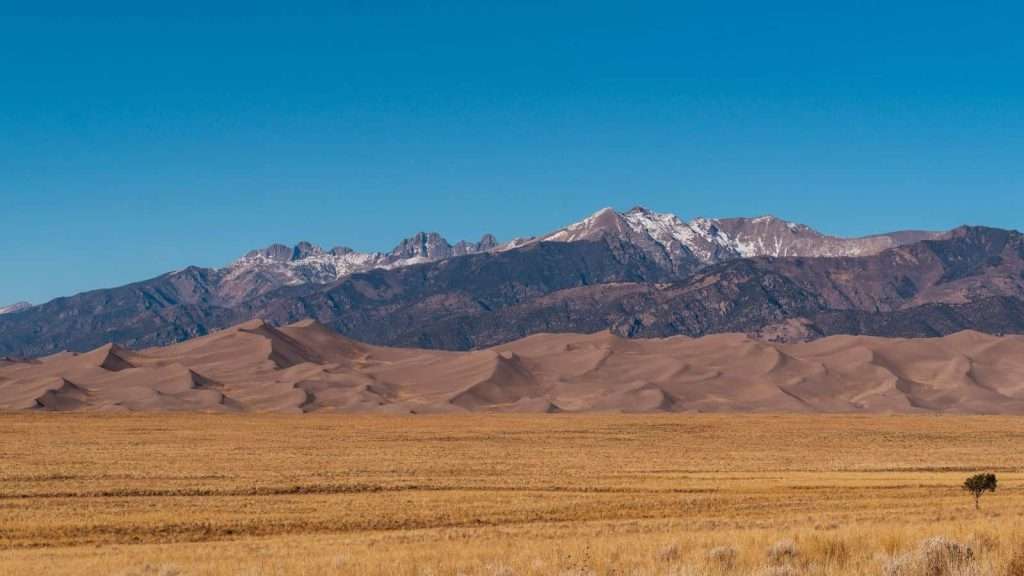
Rising like a golden sea against the backdrop of the Sangre de Cristo Mountains, the Great Sand Dunes National Park is both surreal and remote. Towering dunes, some over 700 feet tall, stretch for miles, creating a desert-like atmosphere in the heart of Colorado. With limited connectivity and few crowds, you can hike, sandboard, or camp beneath some of the darkest night skies in the U.S. This destination allows travelers to experience both adventure and serenity while immersed in nature.
Isle Royale, Michigan
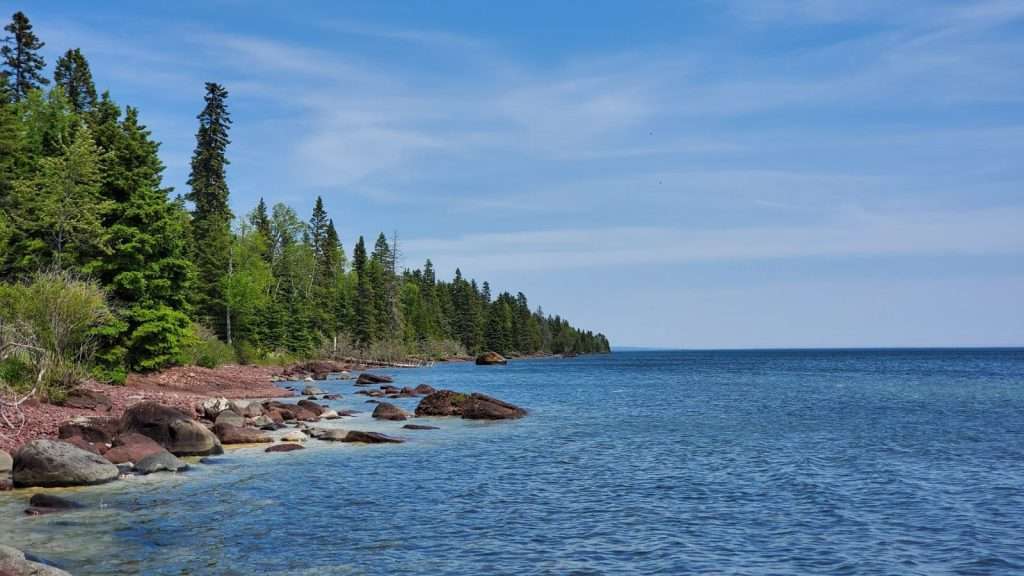
Situated in Lake Superior, Isle Royale is one of the least visited national parks in the U.S., but that only adds to its appeal. Accessible only by ferry or seaplane, the island offers rugged beauty and complete seclusion. Moose, wolves, and pristine waters dominate the landscape, making it a paradise for wildlife lovers and backpackers. Once you step foot on Isle Royale, the digital world feels like a distant memory, replaced by the sound of waves and rustling pines.
Boundary Waters Canoe Area Wilderness, Minnesota

The Boundary Waters Canoe Area Wilderness is a labyrinth of lakes, streams, and forest trails stretching across northern Minnesota. Here, travelers can paddle for days without encountering another soul, making it one of the best places to disconnect in the U.S. Camping under star-filled skies, fishing in crystal-clear waters, and navigating portages between lakes foster a rare kind of mindfulness. This pristine wilderness is ideal for anyone craving a quiet US travel experience.
Big Bend National Park, Texas

Big Bend National Park offers vast desert landscapes, dramatic canyons, and the rugged Chisos Mountains along the Rio Grande. Remote and sparsely visited, it’s one of the darkest sky parks in America, perfect for stargazing and reflection. The park’s immense size means solitude is easy to find, whether you’re hiking the South Rim or soaking in hot springs. Visitors leave with a profound sense of calm after days surrounded by the unspoiled Texas wilderness.
Wrangell-St. Elias National Park, Alaska

Covering over 13 million acres, Wrangell-St. Elias is the largest national park in the U.S. and one of its most isolated. Towering glaciers, snow-capped peaks, and endless valleys define this Alaskan wilderness. Few roads lead here, and once inside, the sheer scale makes you feel like you’ve stepped into another world. For adventurers seeking extreme remoteness, this park delivers unrivaled solitude and the chance to truly unplug from daily life.
Havasu Canyon, Arizona
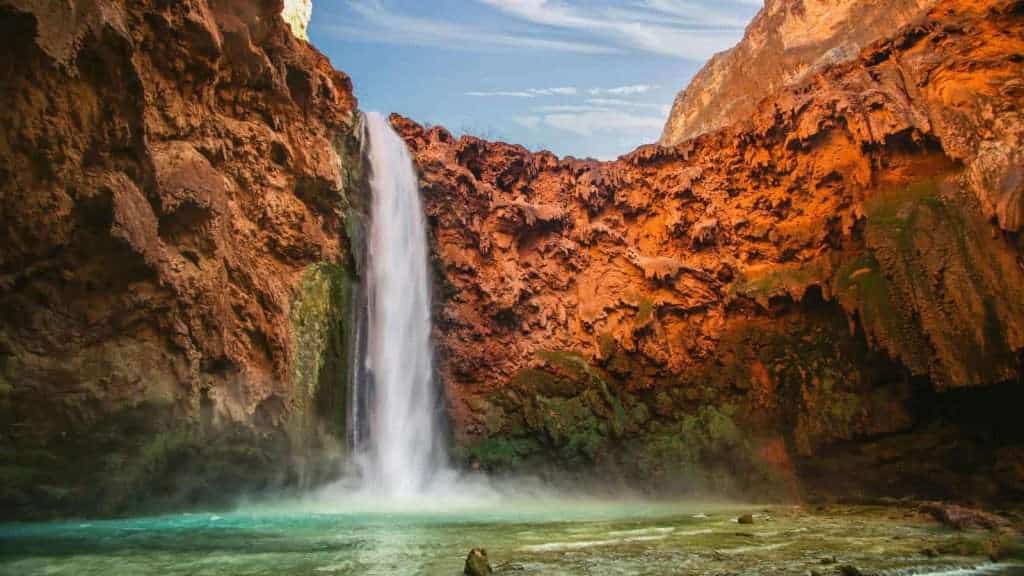
A hidden gem on Havasupai tribal land, Havasu Canyon requires both planning and effort to reach. Once there, visitors are rewarded with turquoise waterfalls tumbling over red rock cliffs and a serene atmosphere found nowhere else. Wi-Fi and cell service are nonexistent, ensuring the focus remains on the beauty of the natural world. This sacred and secluded destination embodies the spirit of remote US travel.
Glacier National Park’s Backcountry, Montana
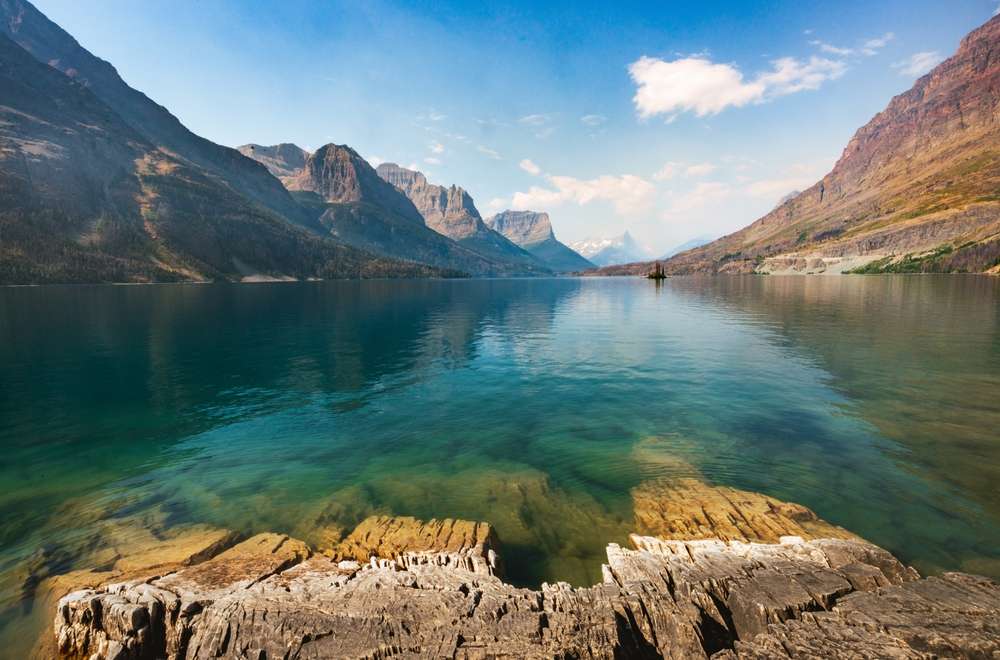
While Glacier National Park attracts many visitors, venturing into its backcountry is a completely different experience. Miles of rugged trails lead to alpine lakes, secluded valleys, and dramatic peaks where solitude is guaranteed. Backpackers often spend days without crossing paths with others, immersing themselves fully in the wild. In this untouched part of Montana, travelers find a space where time slows and nature commands complete attention.
Dry Tortugas National Park, Florida

Seventy miles west of Key West, Dry Tortugas is only accessible by boat or seaplane. The park is home to the historic Fort Jefferson, crystal-clear waters, and vibrant coral reefs perfect for snorkeling. With no cell service and limited facilities, it’s a place where the ocean takes center stage. The isolation of this remote paradise makes it one of Florida’s most unique escapes for travelers.
Black Rock Desert, Nevada

Known for its vast, flat expanse of white playa, the Black Rock Desert is an otherworldly destination in Nevada. Outside of the famous Burning Man festival, this place is hauntingly quiet and overwhelmingly empty. With no distractions but the endless horizon, visitors can camp under skies lit by millions of stars. It’s a raw, powerful place to disconnect, offering one of the most remote travel experiences in the U.S.
Olympic National Park’s Hoh Rainforest, Washington
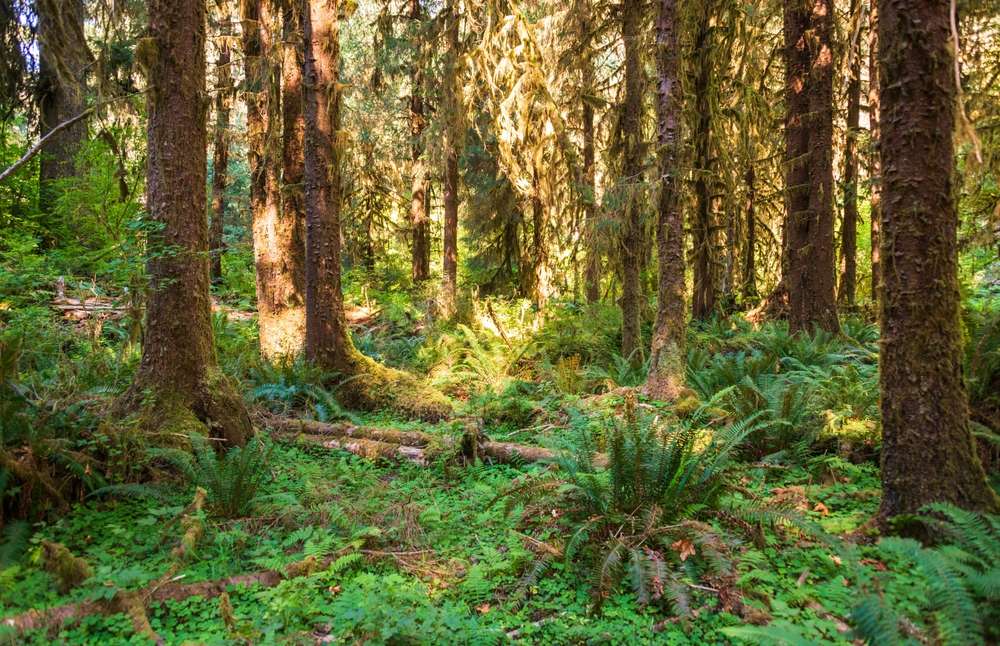
Olympic National Park contains many wonders, but the Hoh Rainforest is among the most enchanting. Dripping with moss, ancient trees, and misty trails, it feels like stepping into another realm. Cell reception vanishes quickly, leaving only the sounds of rain and birdsong. The rainforest’s isolation makes it a peaceful sanctuary for those who wish to unplug while still exploring lush greenery.
North Cascades National Park, Washington
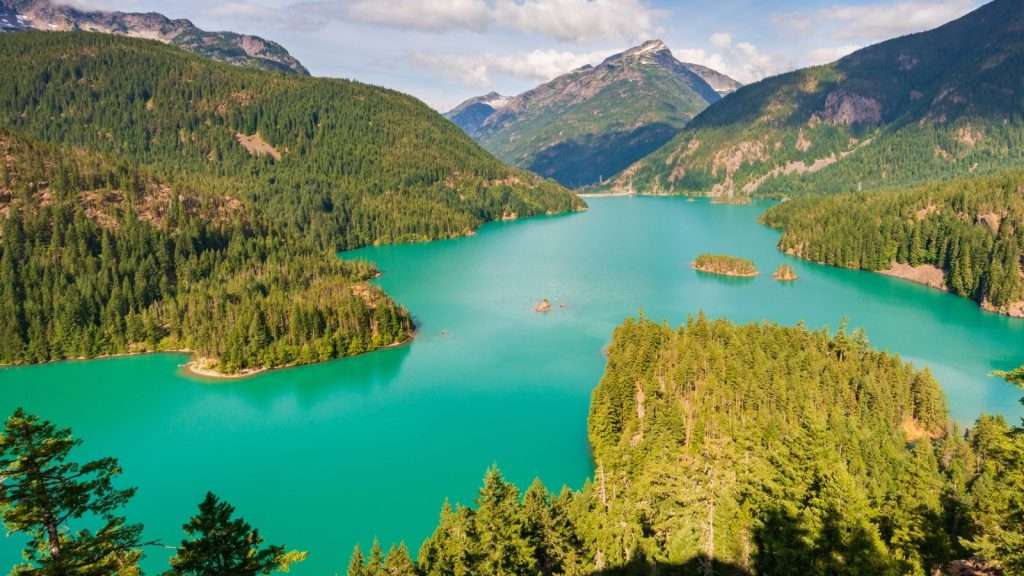
One of the least visited national parks in the continental U.S., North Cascades is defined by jagged peaks, alpine lakes, and glaciers. The remoteness of the region ensures that quiet moments come easily. Trails wind deep into wilderness, far from civilization, where hikers find themselves surrounded only by natural beauty. For travelers craving solitude in the Pacific Northwest, this park is an unmatched treasure.
Katmai National Park, Alaska

Katmai National Park is famous for its brown bears fishing at Brooks Falls, but the park’s remoteness makes it even more extraordinary. Reached mainly by plane, it’s one of the wildest places in Alaska. Visitors can kayak, hike, or simply observe the raw wilderness in complete solitude. With no internet to distract, Katmai offers a true immersion in nature’s rhythms.
Guadalupe Mountains National Park, Texas
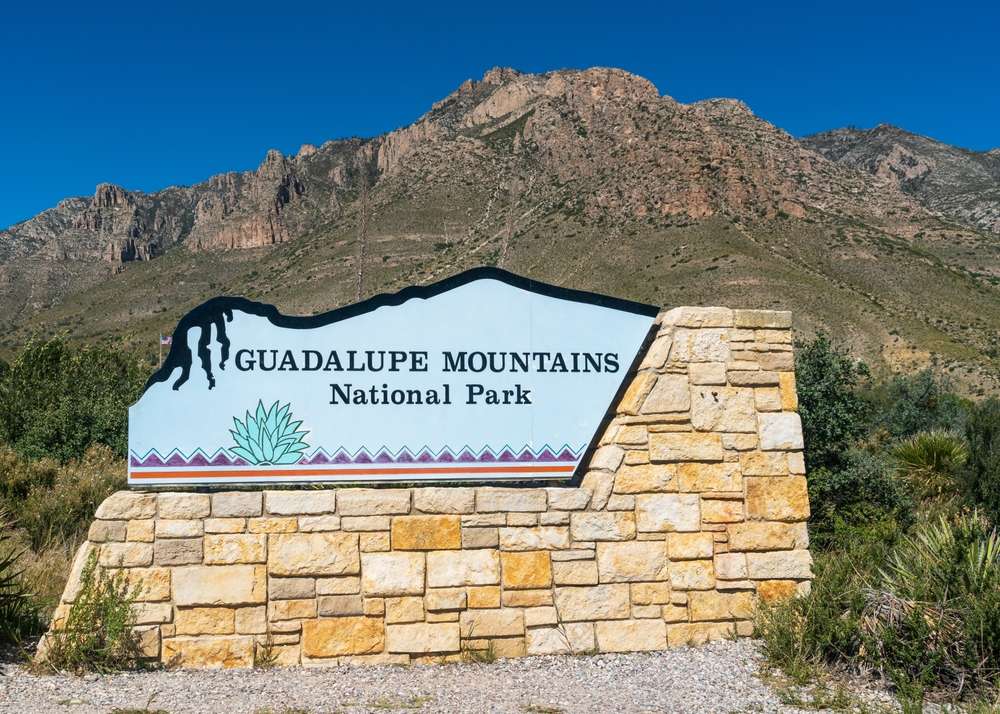
Guadalupe Mountains National Park, often overlooked, is one of the most remote destinations in Texas. Rugged trails climb to the state’s highest peak and traverse canyons lined with fossilized reef formations. With few visitors compared to other national parks, solitude is almost guaranteed. This stark yet beautiful desert landscape is perfect for those wanting to escape the noise and discover a quieter side of US travel.
Chiricahua National Monument, Arizona

Known as the “Wonderland of Rocks,” Chiricahua National Monument is filled with towering stone spires and surreal rock formations. Remote and far from major cities, it’s a destination where silence dominates. Hikers wander through labyrinthine trails, marveling at landscapes shaped by ancient volcanic eruptions. It’s an ideal retreat for travelers seeking a peaceful environment with fascinating geology.
Arctic National Wildlife Refuge, Alaska

The Arctic National Wildlife Refuge is perhaps the most remote place in the entire United States. Stretching across Alaska’s northern wilderness, it’s accessible only by bush plane or extreme trekking. Vast tundra, migrating caribou, and unbroken wilderness make it one of the last truly untouched landscapes on Earth. For those who want to escape all signs of modern civilization, this refuge offers unmatched solitude.
Canyonlands’ Maze District, Utah

Canyonlands National Park is divided into districts, and the Maze is the most remote and difficult to reach. Few visitors make the journey due to rugged terrain and challenging access roads, but those who do are rewarded with complete solitude. Towering mesas, labyrinthine canyons, and endless desert silence make this an otherworldly place. Travelers who venture here experience the purest form of desert isolation.
Cumberland Island, Georgia

Cumberland Island is a barrier island off Georgia’s coast that offers quiet beaches, wild horses, and oak forests draped in Spanish moss. Accessible only by ferry, the island limits daily visitors, keeping crowds away. With no cars and limited facilities, the atmosphere feels like stepping back in time. It’s a serene destination for US travel lovers looking to disconnect and embrace simplicity.
Denali’s Backcountry, Alaska
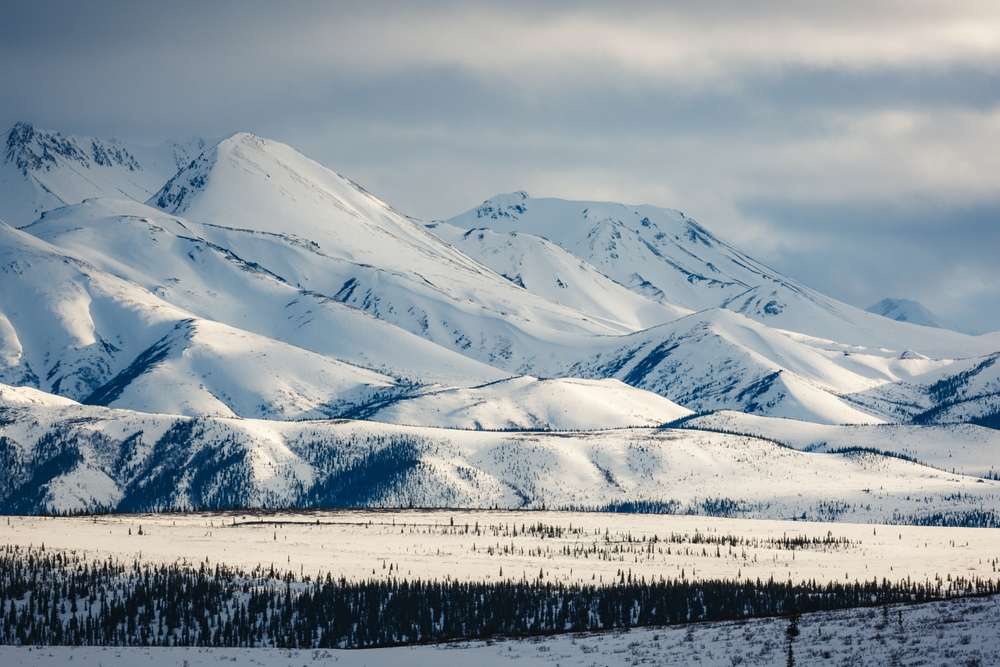
Denali National Park is already remote, but stepping into its backcountry takes solitude to the next level. With no established trails in much of the park, visitors are encouraged to chart their own path. Towering peaks, vast tundra, and abundant wildlife dominate the landscape. This raw experience makes Denali one of the best places in the U.S. to completely unplug.
Gila Wilderness, New Mexico

Designated as the first wilderness area in the U.S., the Gila Wilderness remains as wild today as it was nearly a century ago. Vast canyons, hot springs, and rugged terrain define this untouched region of New Mexico. With miles of trails and little human presence, solitude is easy to find. The Gila Wilderness embodies the very spirit of off-the-grid US travel.
Okefenokee Swamp, Georgia and Florida
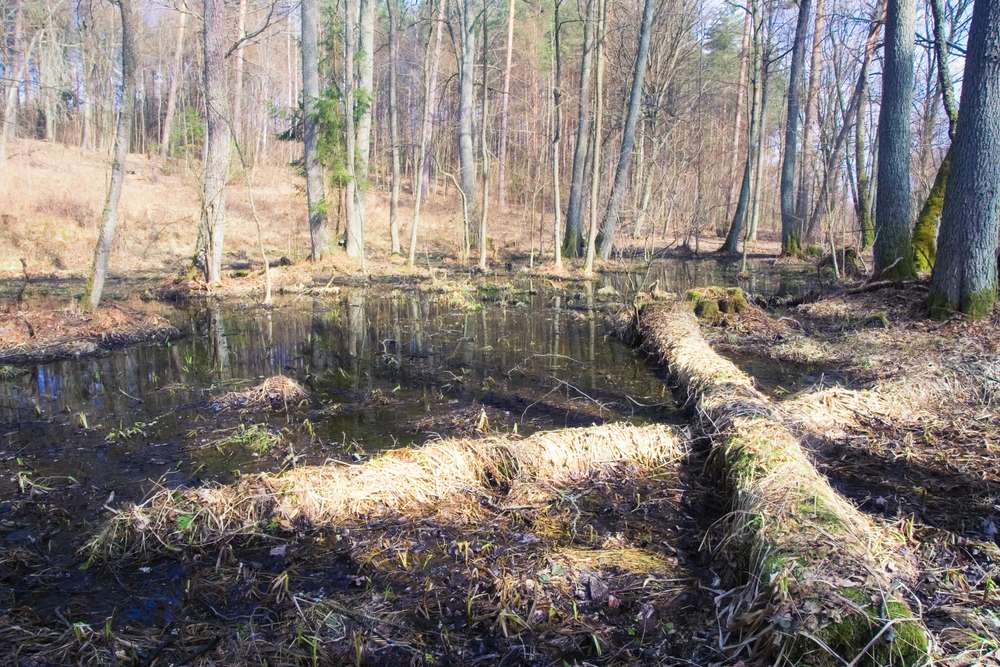
The Okefenokee Swamp stretches across Georgia and Florida, offering a mysterious landscape of cypress trees, blackwater channels, and abundant wildlife. Canoeing or kayaking here provides an intimate connection with one of America’s most unique ecosystems. Cell signals fade quickly, leaving travelers with nothing but the sounds of frogs, birds, and alligators. This eerie yet beautiful swamp is a peaceful destination to disconnect from modern distractions.

Deborah Montiero is a seasoned travel writer and contributor to Probe the Globe. With a passion for uncovering hidden gems and sharing immersive travel experiences, Deborah’s work highlights must-visit destinations, insider tips, and practical advice for travelers of all types. Whether exploring bustling cities or remote escapes, her articles are crafted to inspire and inform, making her a trusted voice in the travel community.
Her storytelling weaves together cultural insights, logistical tips, and authentic experiences, making her a valuable resource for readers seeking unforgettable journeys.
When not writing, Deborah is likely researching the latest travel trends or planning her next adventure. Follow her work on Probe the Globe for fresh perspectives and up-to-date travel inspiration.