23 Remote Islands You Can Visit That Feel Like the End of the World
The idea of traveling to the very edge of the map has always fascinated U.S. travelers who crave more than crowded beaches and predictable itineraries. Remote islands offer a rare sense of isolation, where the rhythm of life slows and nature dominates every horizon. For American travelers seeking unforgettable international travel experiences or unique domestic adventures, these islands feel worlds away from everyday life. Each destination below promises solitude, raw beauty, and the thrill of going somewhere that truly feels unreachable. We take a look at 23 Remote Islands You Can Visit That Feel Like the End of the World
Easter Island, Chile
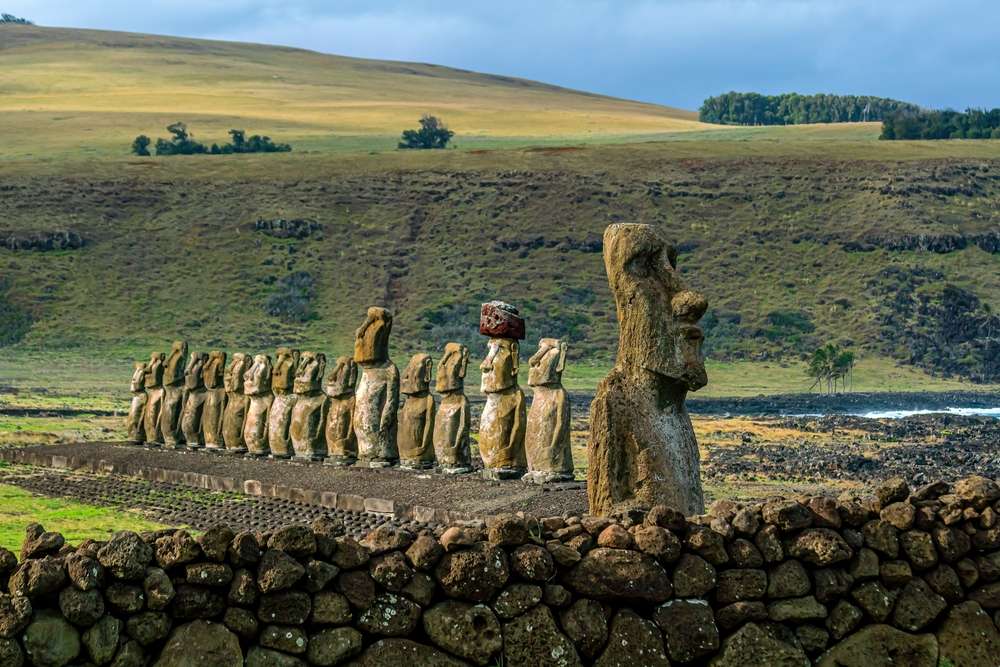
Easter Island feels impossibly distant, even for seasoned international travelers from the United States. Located deep in the Pacific Ocean, it takes hours of flight time to reach from mainland Chile alone. The island’s iconic moai statues stand silently against vast skies, creating a sense of mystery that few destinations can rival. For U.S. travelers, visiting Easter Island feels like stepping into another era, where ancient culture and dramatic volcanic landscapes dominate daily life.
Tristan da Cunha, United Kingdom
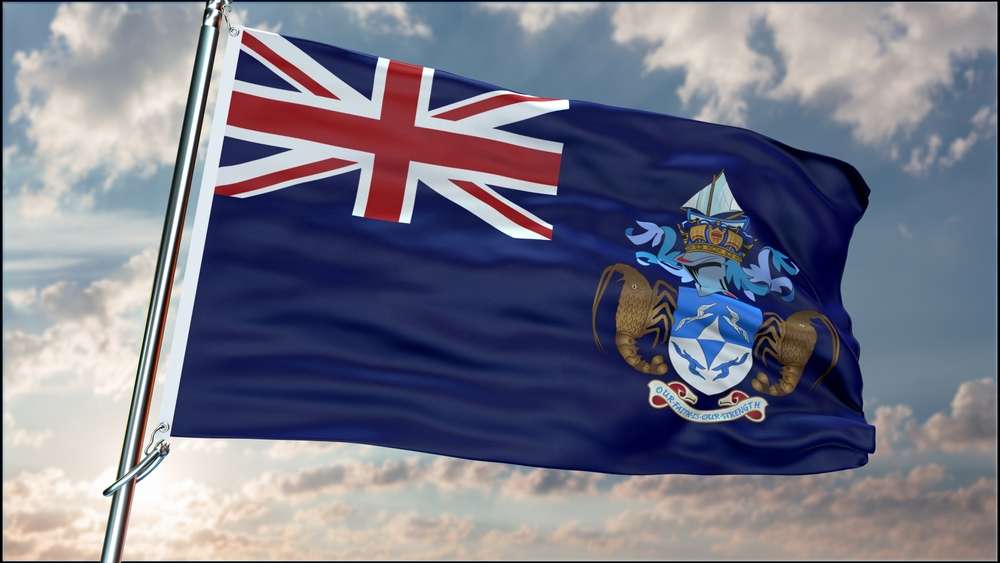
Often called the most remote inhabited island on Earth, Tristan da Cunha lies in the South Atlantic Ocean and is accessible only by a long sea journey. There are no airports, no resorts, and very limited infrastructure. American travelers who make the effort are rewarded with rugged cliffs, wildlife-filled waters, and a tight-knit community. It feels entirely disconnected from modern travel routes, reinforcing the sensation of being at the edge of civilization.
Pitcairn Island, United Kingdom
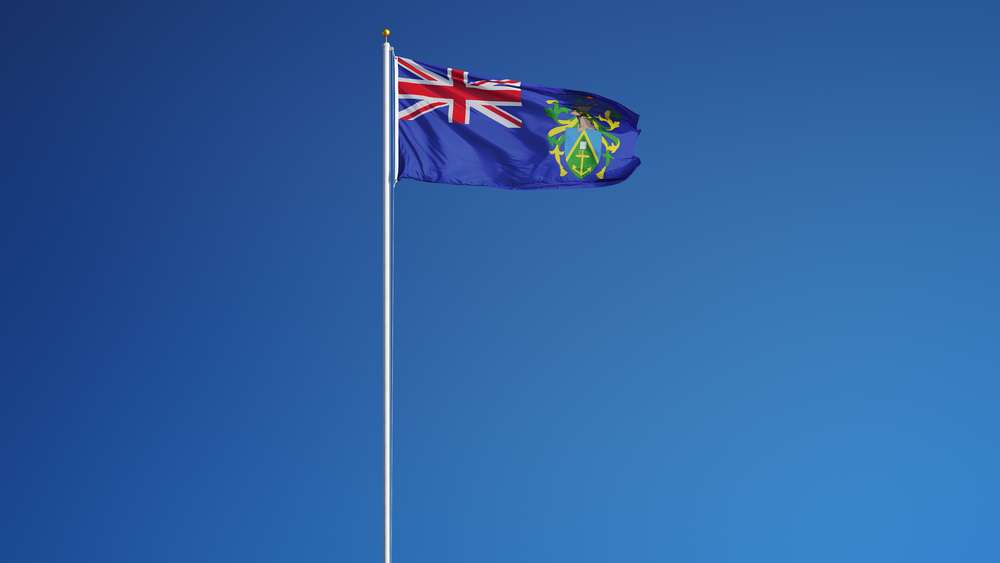
Pitcairn Island is famous for its connection to the HMS Bounty mutineers, but its remoteness is what truly defines it. With fewer than 100 residents, it is one of the least populated places on Earth. Reaching it requires multiple flights and a long boat ride, making it a challenge even for adventurous U.S. travelers. The isolation, dramatic coastline, and quiet lifestyle make it feel like the world ends at the horizon.
Socotra Island, Yemen
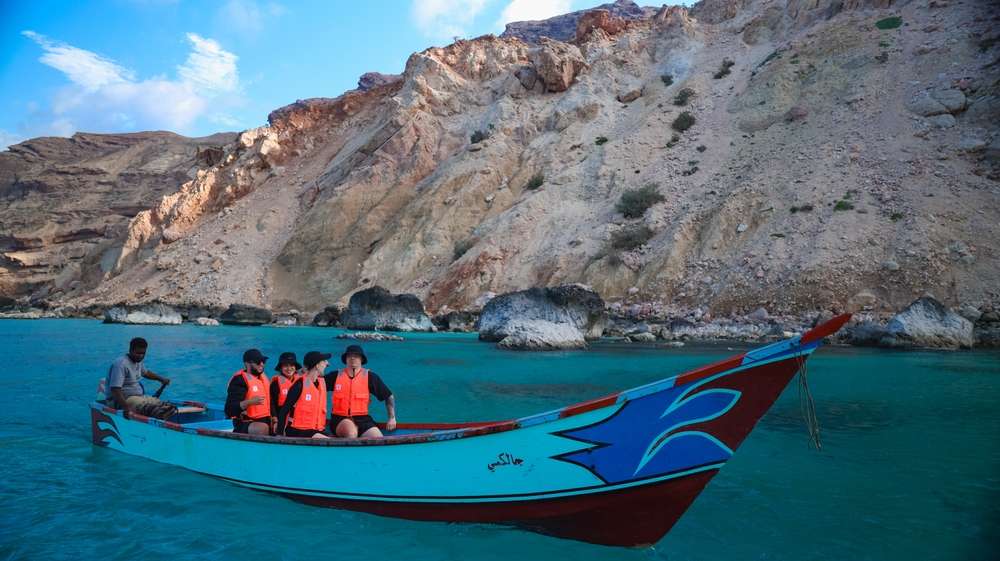
Socotra Island looks more like an alien planet than a traditional island destination. Its dragon blood trees, rare plant species, and stark landscapes exist nowhere else on Earth. For international travelers from the United States, Socotra offers a rare opportunity to experience untouched biodiversity. The lack of mass tourism and limited infrastructure amplify the feeling of stepping beyond the familiar boundaries of global travel.
Bouvet Island, Norway

Bouvet Island is one of the most isolated islands on the planet and remains uninhabited. Located in the South Atlantic Ocean, it is covered mostly by glaciers and surrounded by icy waters. While not a traditional tourist destination, it represents the ultimate symbol of isolation for American travelers fascinated by extreme geography. Its inaccessibility reinforces the idea of a world that feels completely untouched by human presence.
Svalbard, Norway
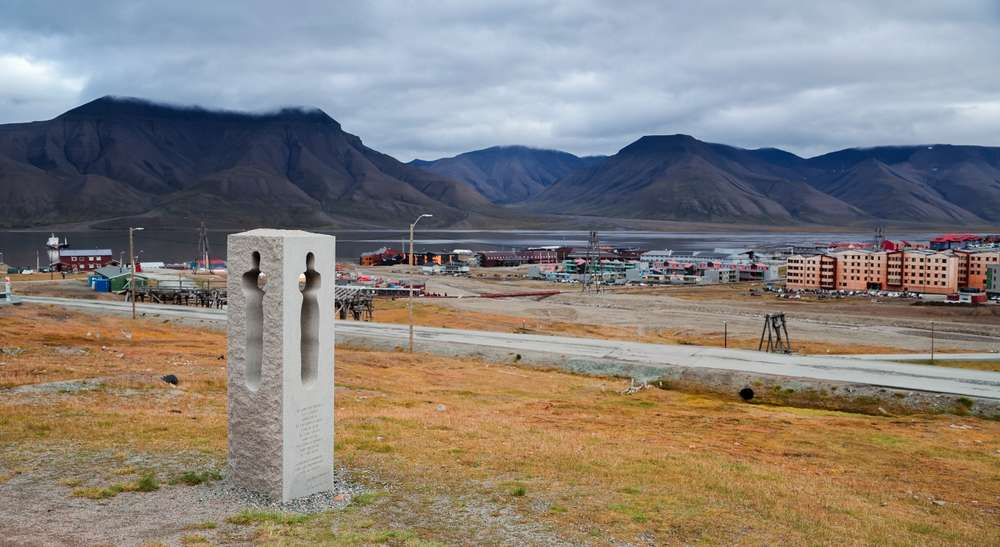
Svalbard sits far above the Arctic Circle and offers U.S. travelers a rare glimpse into polar life. Polar bears outnumber humans, and months of darkness or daylight define the calendar. Longyearbyen, the main settlement, feels like a frontier town at the edge of the Arctic wilderness. Traveling here from the United States feels like leaving the modern world behind and entering a stark, frozen frontier.
Kerguelen Islands, France
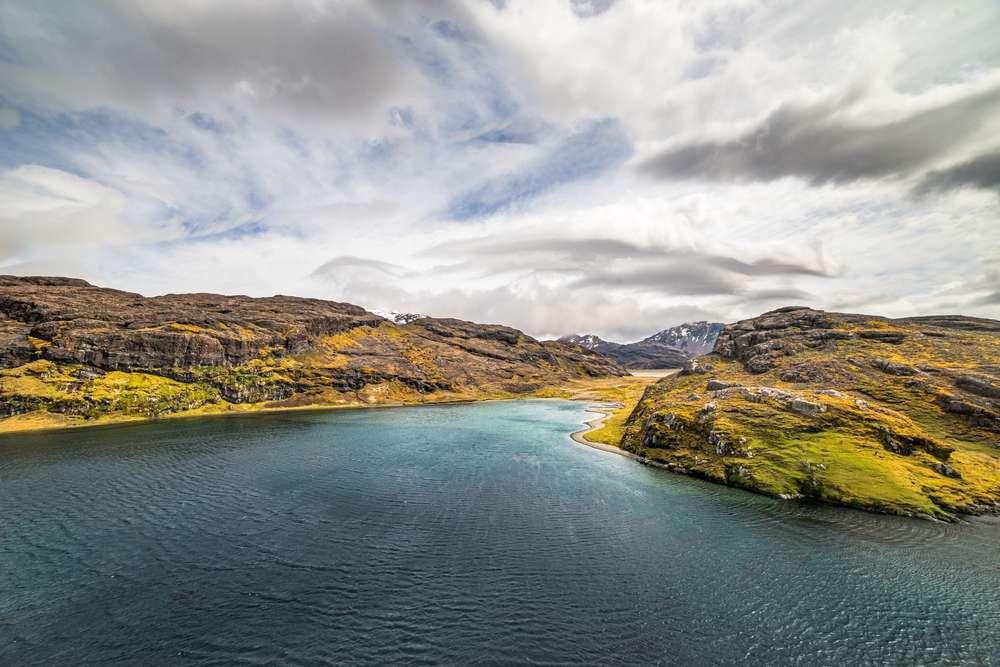
The Kerguelen Islands lie in the southern Indian Ocean and are often called the “Desolation Islands.” There are no permanent residents aside from scientists and researchers. Fierce winds, rocky terrain, and endless ocean define the landscape. For adventurous American travelers interested in remote exploration, these islands embody the feeling of standing at the very edge of the Earth.
Faroe Islands, Denmark
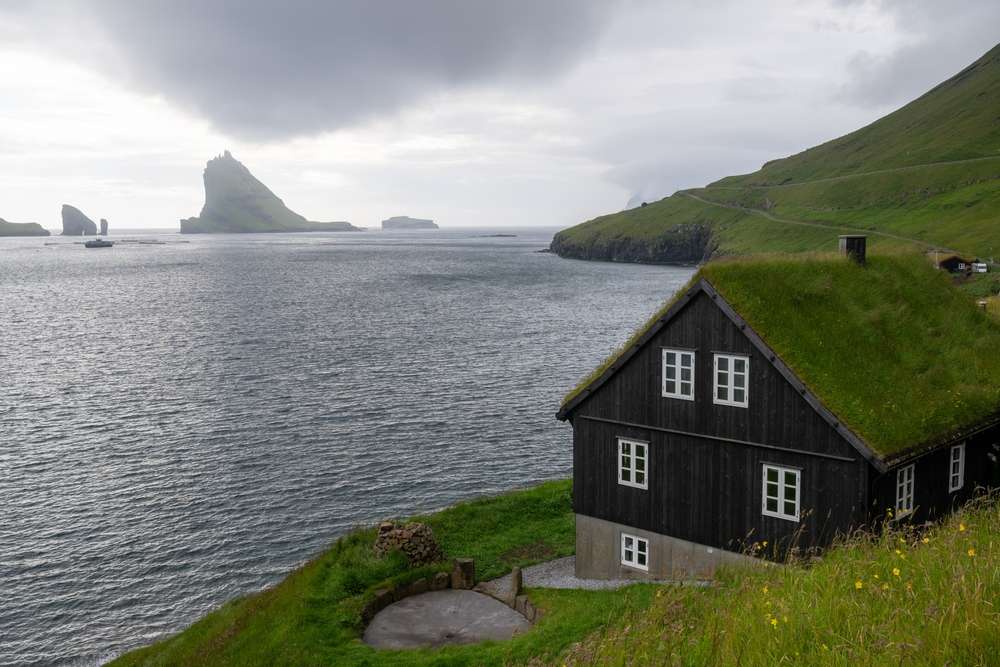
Although technically part of Europe, the Faroe Islands feel incredibly remote due to their dramatic cliffs, unpredictable weather, and sparse population. Located between Iceland and Norway, they appeal to U.S. travelers seeking raw nature rather than urban experiences. Fog-shrouded mountains and crashing waves dominate the scenery. The sense of isolation is powerful, especially when hiking alone across vast, open landscapes.
South Georgia Island, United Kingdom
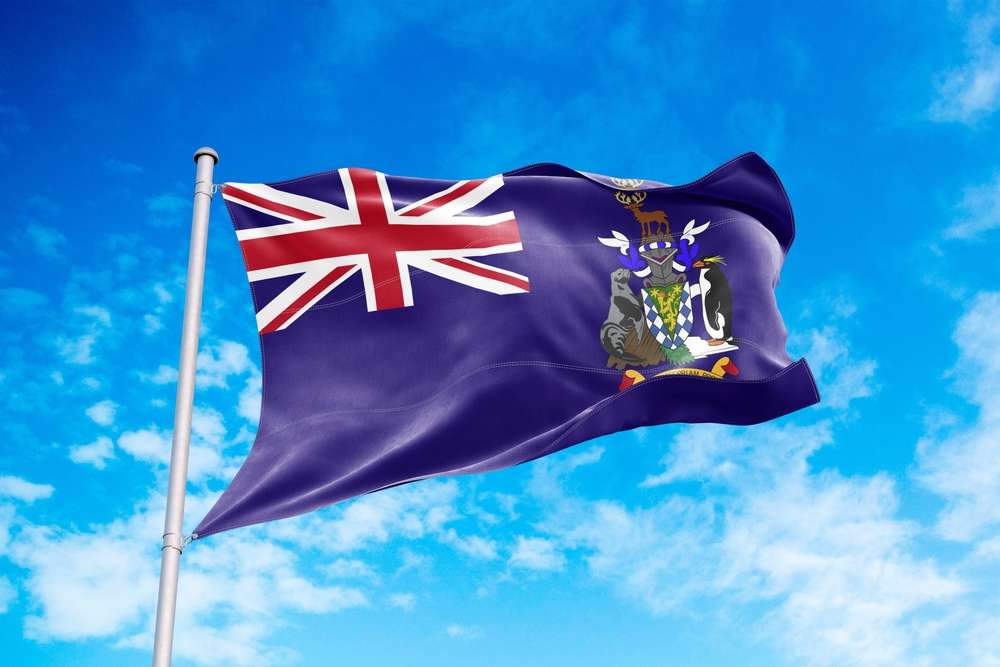
South Georgia Island sits in the Southern Ocean and is known for its massive penguin colonies and glaciers. It has no permanent residents and is accessible mainly by expedition cruise. For U.S. travelers interested in wildlife and extreme destinations, this island delivers an overwhelming sense of scale and solitude. The surrounding seas and towering peaks make it feel as though the rest of the world no longer exists.
Macquarie Island, Australia
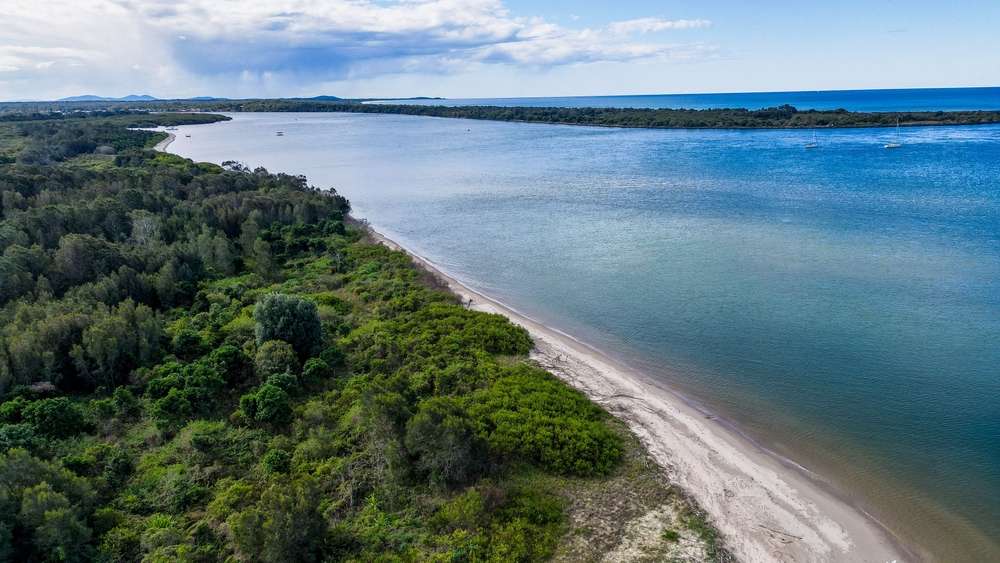
Macquarie Island lies halfway between New Zealand and Antarctica and is known for its subantarctic climate and wildlife. The island is protected, with limited access granted mostly to researchers. American travelers drawn to conservation and remote ecosystems find Macquarie fascinating. Endless ocean surrounds the island, reinforcing the sense of being suspended between continents at the farthest reaches of the globe.
Fernando de Noronha, Brazil
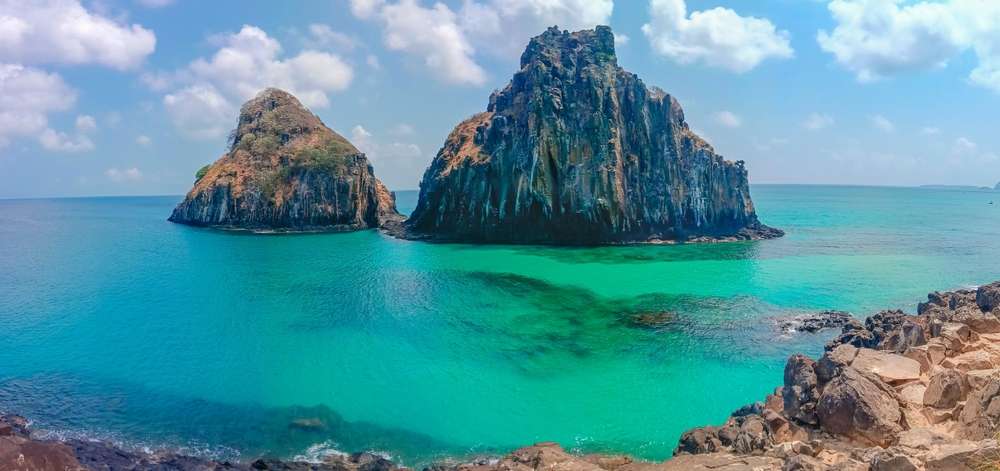
Fernando de Noronha is an isolated archipelago off Brazil’s northeastern coast, prized for its pristine beaches and marine life. Strict visitor limits help preserve its natural beauty. For U.S. travelers seeking eco-friendly international travel, this destination feels refreshingly untouched. The surrounding Atlantic Ocean stretches endlessly, creating the sensation of being far removed from crowded mainland destinations.
Floreana Island, Ecuador
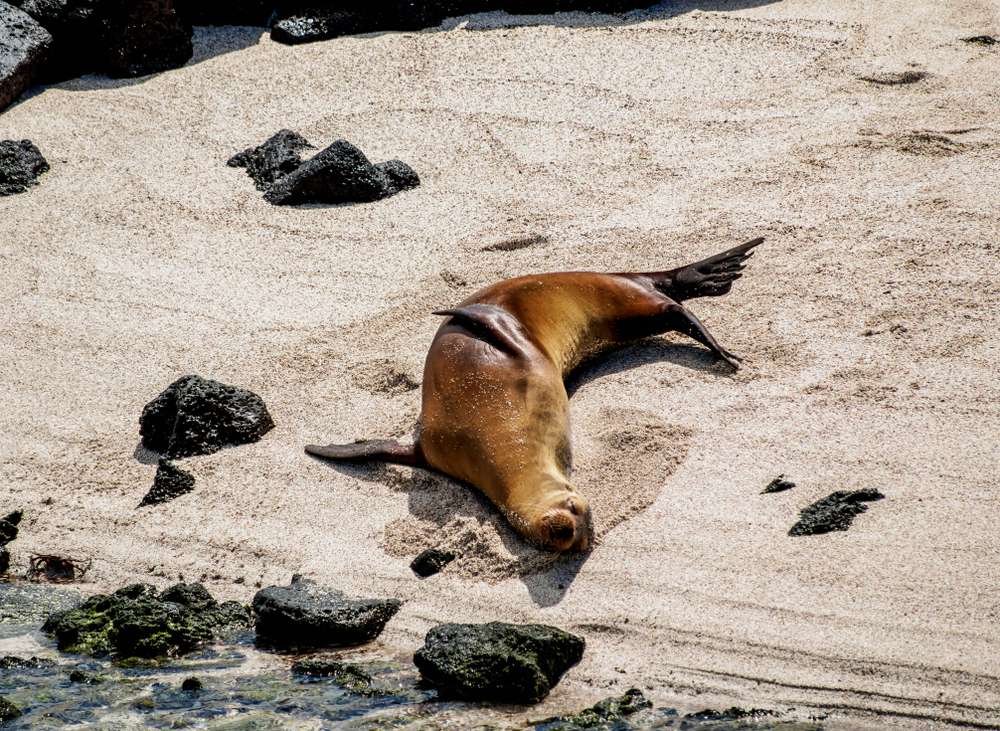
Part of the Galápagos Islands, Floreana Island offers a quieter experience compared to more visited islands in the archipelago. Its small population and limited accommodations appeal to American travelers wanting a deeper connection with nature. Volcanic landscapes, wildlife encounters, and isolation define the experience. The island’s remoteness enhances the feeling of visiting a place where nature still dictates daily life.
Jan Mayen, Norway
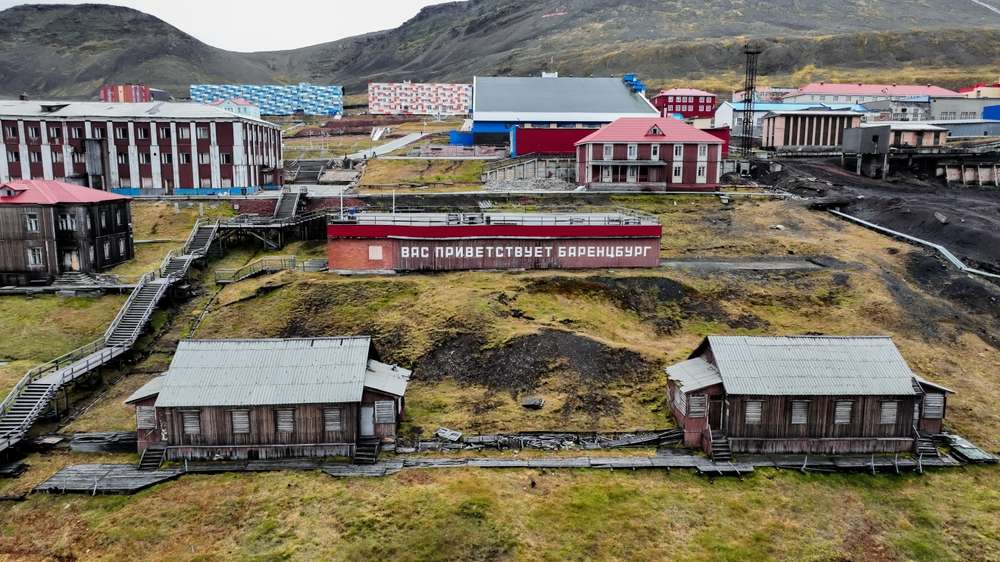
Jan Mayen is a volcanic island in the Arctic Ocean, dominated by the towering Beerenberg volcano. It has no permanent civilian population and is accessible only under special circumstances. For U.S. travelers fascinated by extreme environments, Jan Mayen represents the ultimate edge-of-the-world destination. Harsh weather, icy waters, and silence shape an unforgettable sense of isolation.
St. Helena, United Kingdom
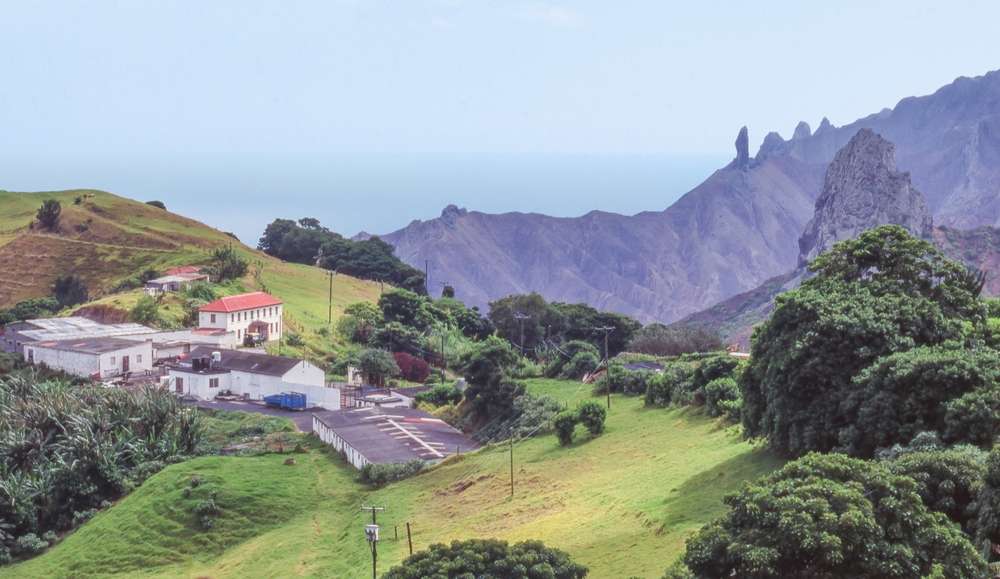
St. Helena is best known as the place where Napoleon was exiled, but its remoteness defines its character. Located in the South Atlantic Ocean, it was historically reachable only by sea. For American travelers interested in history and remote destinations, St. Helena offers dramatic cliffs, volcanic landscapes, and a slow-paced lifestyle that feels far removed from modern travel hubs.
Niʻihau, United States
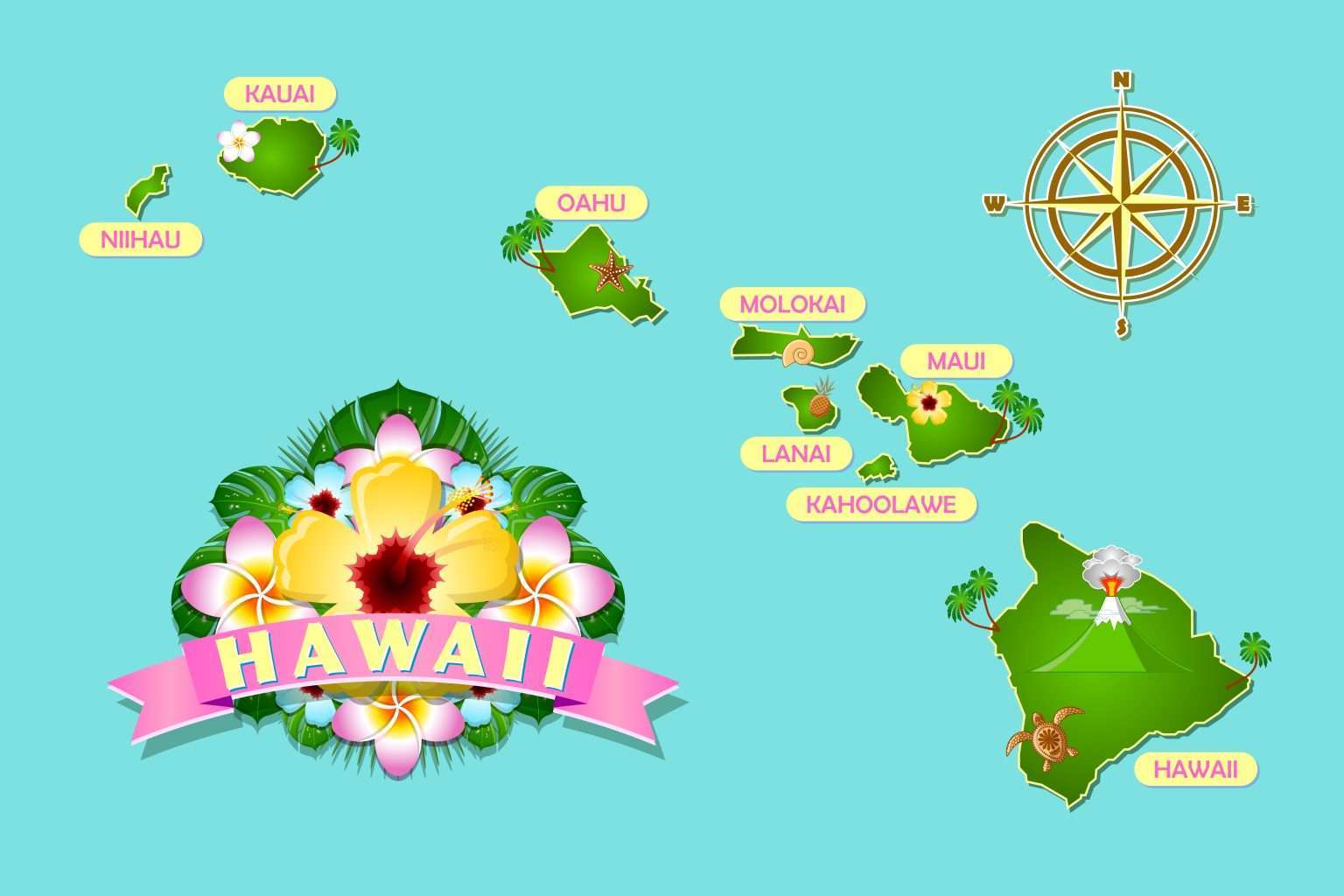
Niʻihau is one of the least accessible islands in the United States, located in Hawaii. Privately owned and largely closed to outsiders, it preserves Hawaiian language and traditions. For U.S. travelers, Niʻihau represents a rare domestic travel destination that still feels untouched. Its isolation and cultural preservation create a sense of stepping back in time within American borders.
Kodiak Island, United States
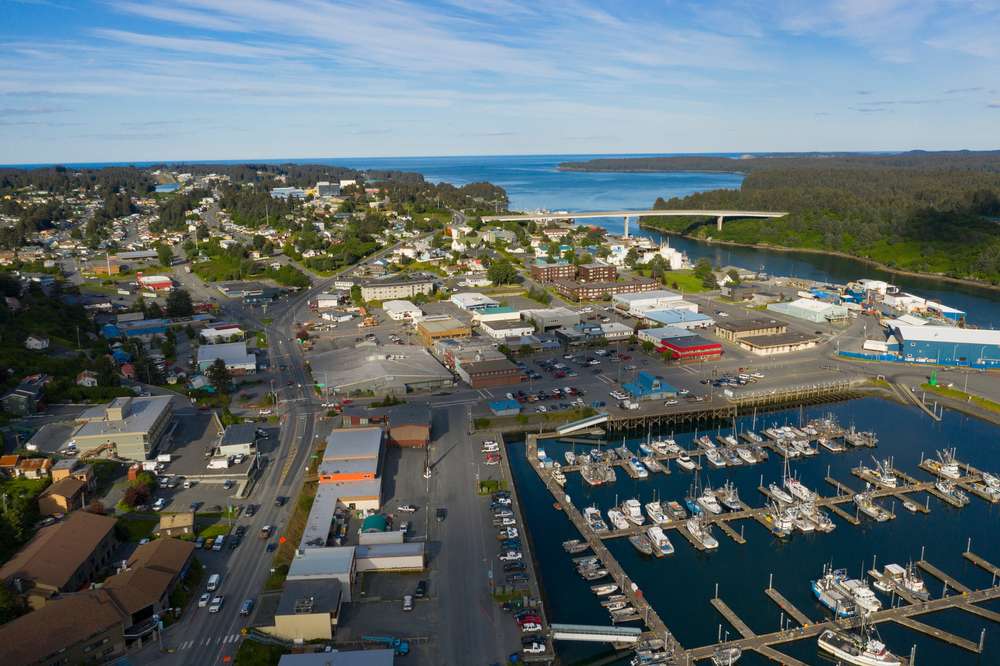
Kodiak Island in Alaska offers rugged wilderness, dramatic coastlines, and abundant wildlife. Known for its massive brown bears, it attracts adventurous U.S. travelers seeking remote domestic travel. Harsh weather and limited infrastructure contribute to its end-of-the-world feel. The island’s vast landscapes and quiet towns reinforce the sense of being far from the continental United States.
Aldabra Atoll, Seychelles
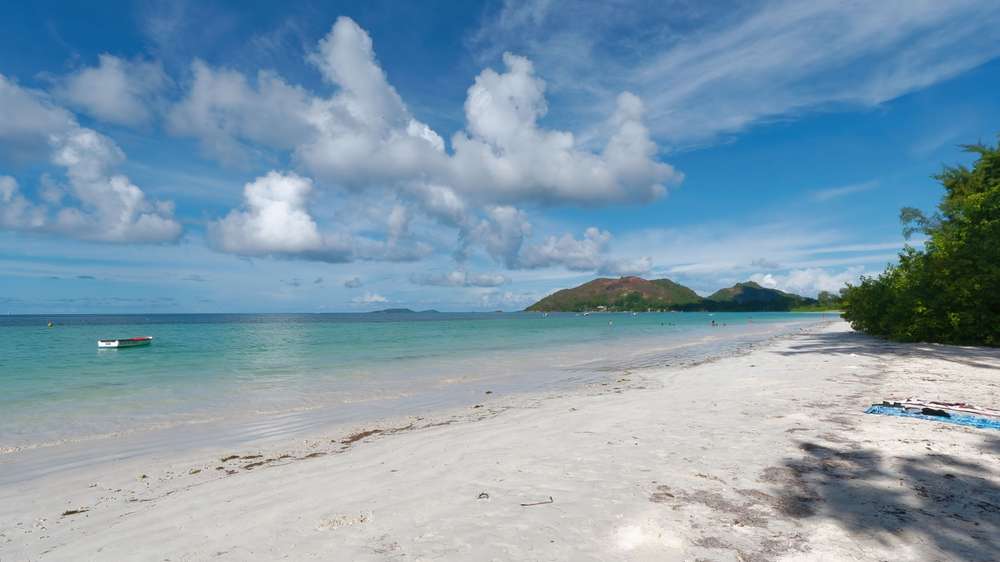
Aldabra Atoll is one of the world’s largest coral atolls and remains largely untouched by tourism. Access is highly restricted to protect its ecosystem. For American travelers interested in conservation-focused travel, Aldabra represents a rare glimpse into a pristine environment. The sense of isolation is profound, with endless ocean surrounding a landscape ruled by giant tortoises and seabirds.
Kalaallit Nunaat Coastal Islands, Greenland
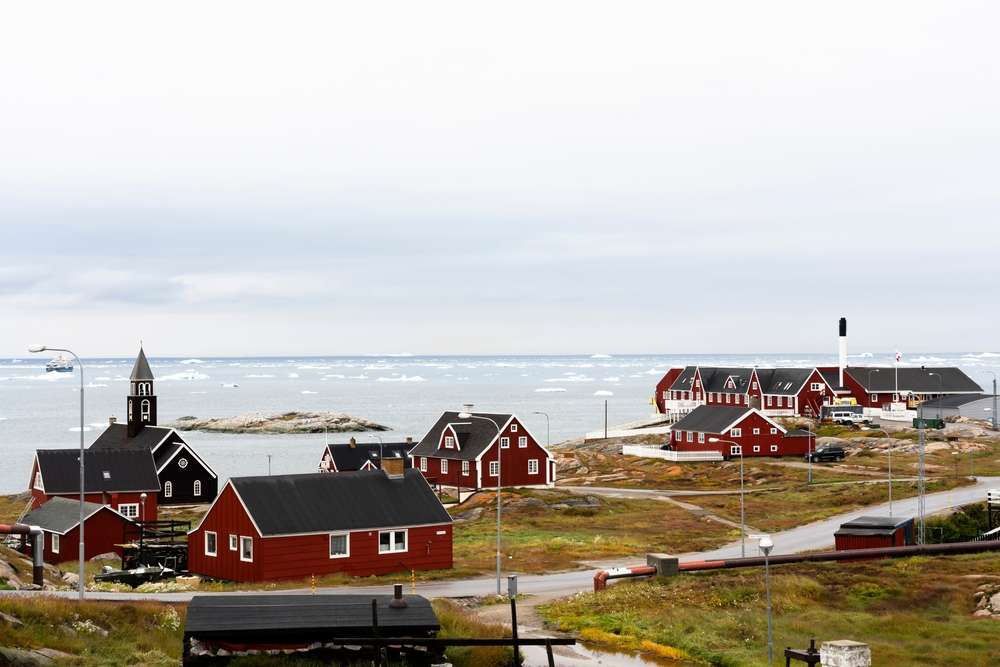
The coastal islands of Greenland offer stark beauty defined by icebergs, fjords, and silence. For U.S. travelers drawn to Arctic exploration, these islands feel otherworldly. Small settlements are separated by vast stretches of water and ice. The remoteness and scale of the environment create a powerful feeling of standing at the edge of the known world.
Palmerston Island, Cook Islands
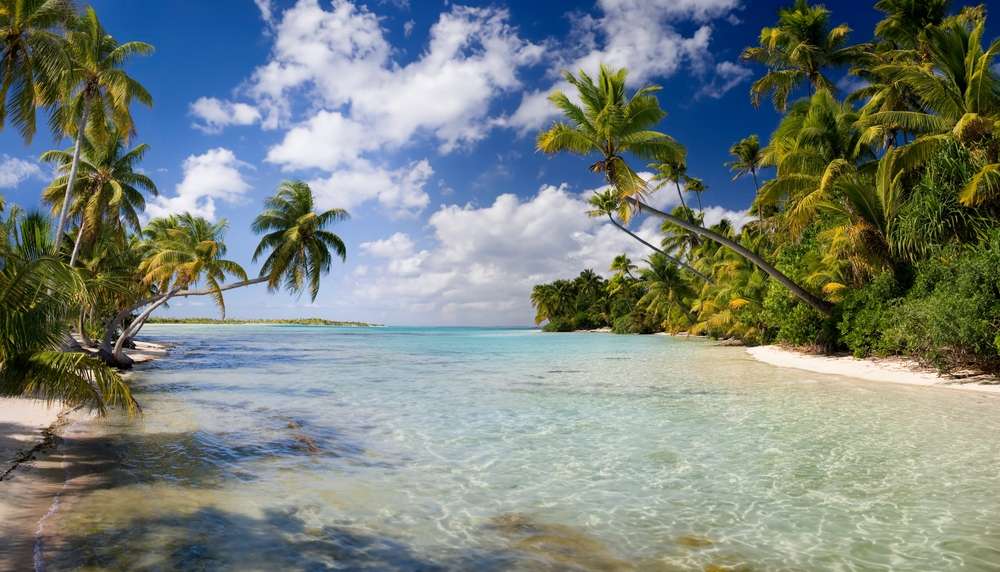
Palmerston Island is home to a single extended family and lies far from major travel routes. Reaching it requires significant planning, making it ideal for adventurous international travelers from the United States. White sand beaches contrast with the island’s isolation. The lack of crowds and limited communication reinforce the sense of complete separation from modern life.
Rapa Iti, French Polynesia
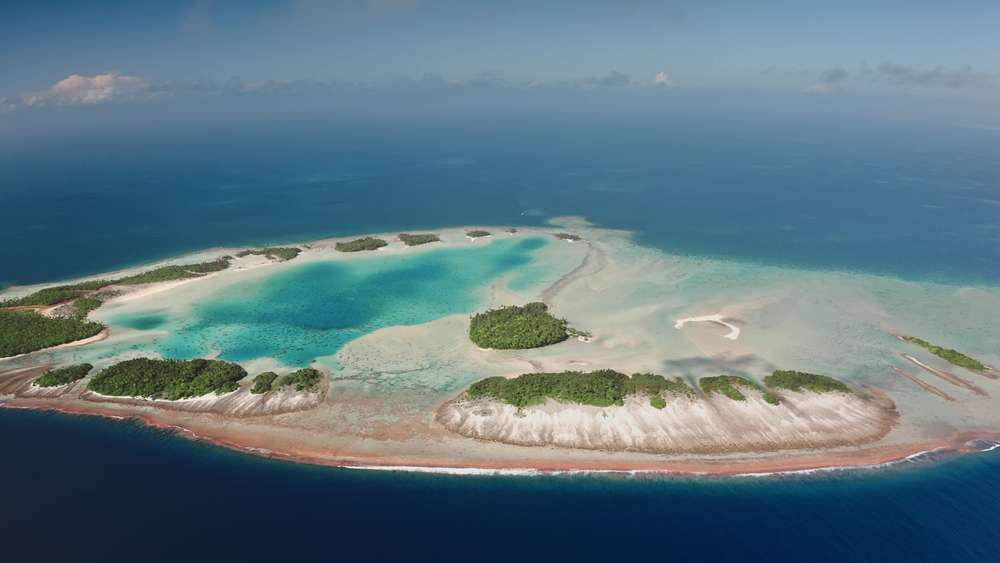
Rapa Iti lies far south of Tahiti and receives very few visitors each year. Steep mountains and deep bays dominate the landscape. For American travelers exploring French Polynesia beyond popular islands, Rapa Iti offers unmatched solitude. The journey itself reinforces the sensation of traveling to a place where time and distance still matter deeply.
Attu Island, United States
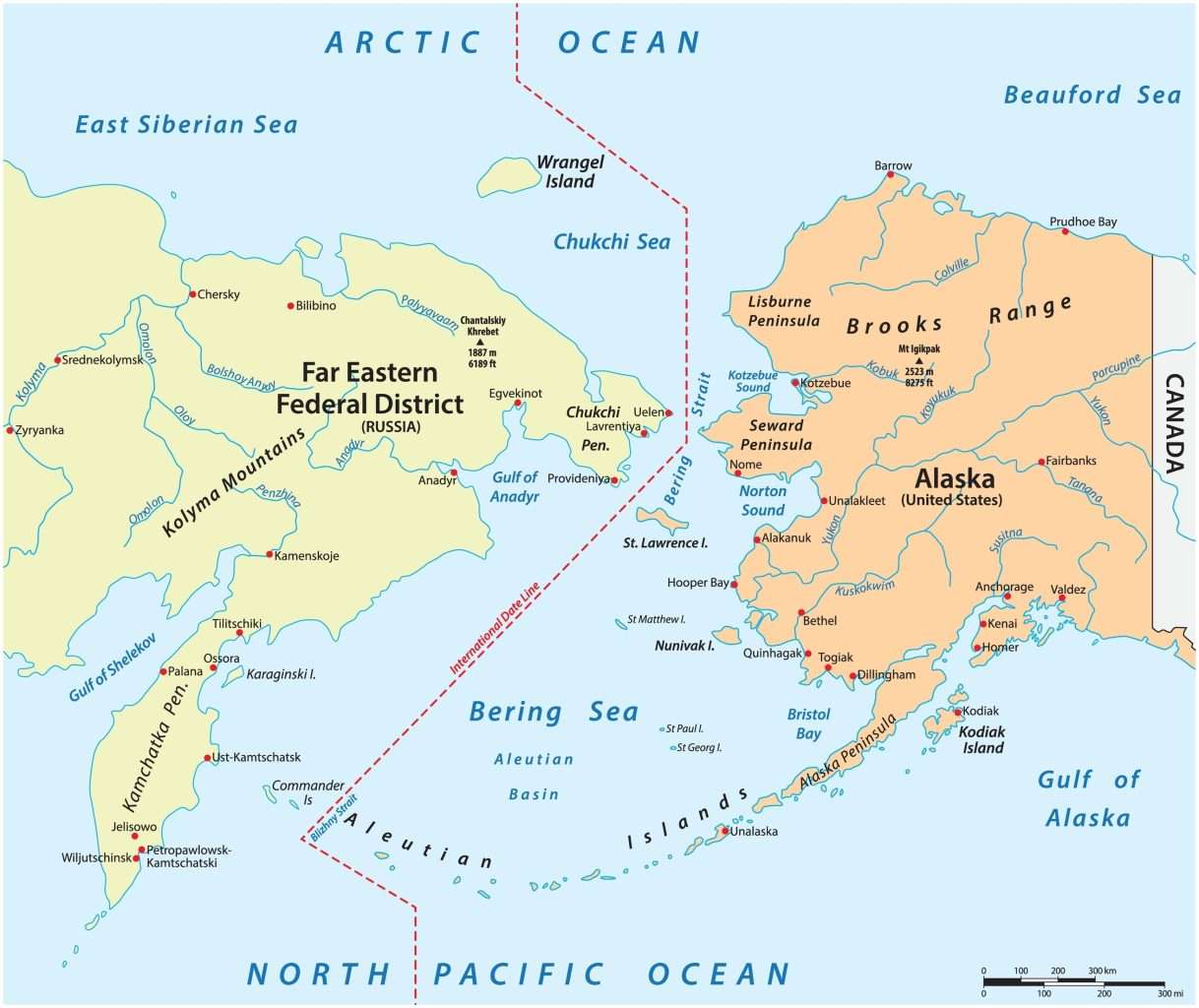
Attu Island, part of Alaska’s Aleutian chain, is the westernmost point of the United States. It is uninhabited and battered by constant storms. For U.S. travelers interested in extreme domestic destinations, Attu represents the literal edge of the nation. Its isolation, harsh weather, and historical significance create an unmistakable end-of-the-world atmosphere.
Lord Howe Island, Australia
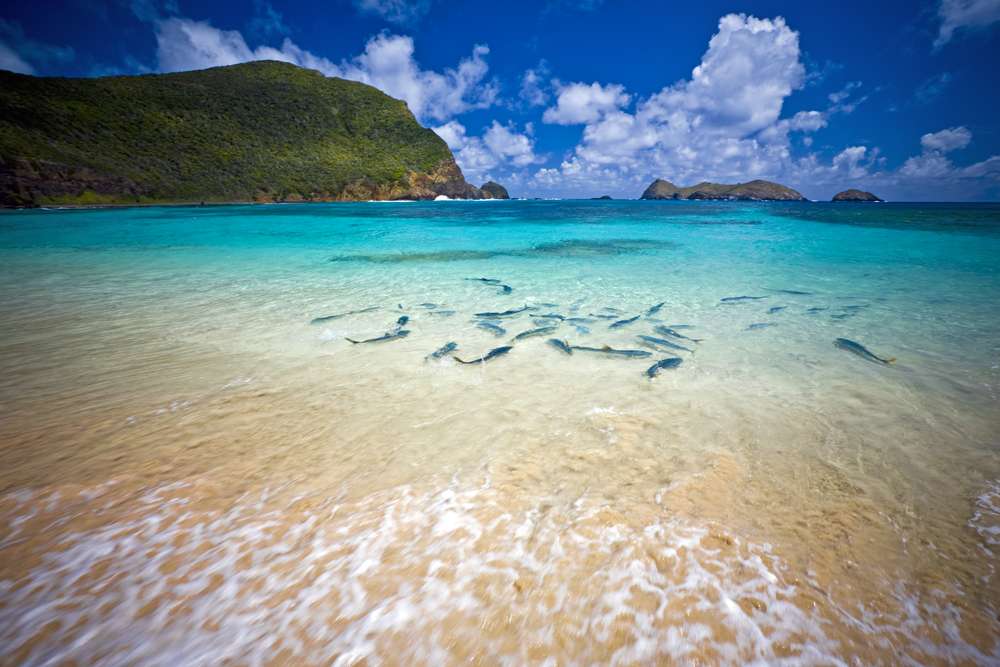
Lord Howe Island limits visitor numbers to protect its ecosystem, creating a peaceful and uncrowded environment. Located in the Tasman Sea, it feels far removed from Australia’s mainland. American travelers seeking serene international travel experiences appreciate its balance of accessibility and isolation. The surrounding ocean and dramatic peaks give the impression that the world gently fades beyond the horizon.

Deborah Montiero is a seasoned travel writer and contributor to Probe the Globe. With a passion for uncovering hidden gems and sharing immersive travel experiences, Deborah’s work highlights must-visit destinations, insider tips, and practical advice for travelers of all types. Whether exploring bustling cities or remote escapes, her articles are crafted to inspire and inform, making her a trusted voice in the travel community.
Her storytelling weaves together cultural insights, logistical tips, and authentic experiences, making her a valuable resource for readers seeking unforgettable journeys.
When not writing, Deborah is likely researching the latest travel trends or planning her next adventure. Follow her work on Probe the Globe for fresh perspectives and up-to-date travel inspiration.