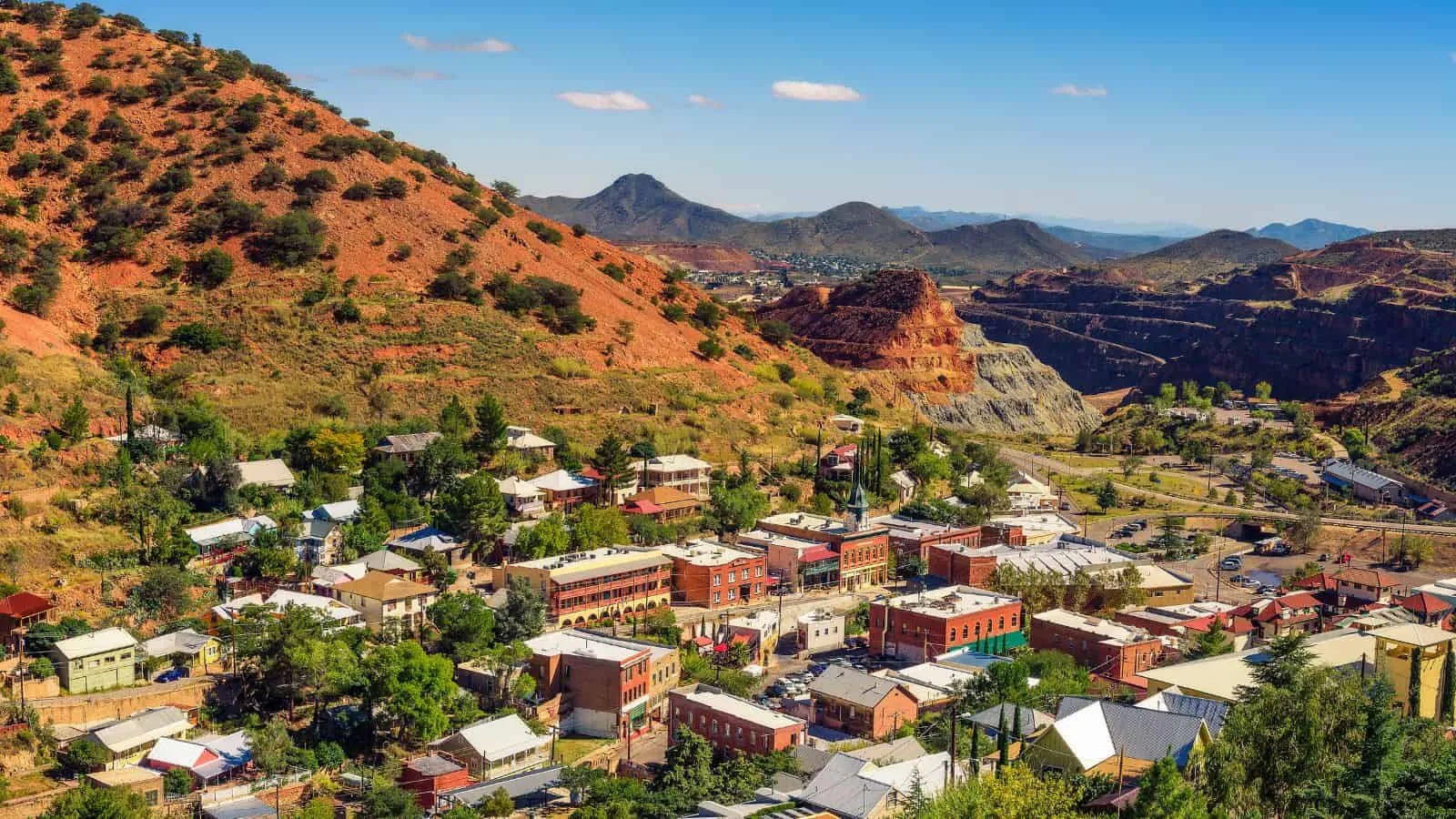
25 Places You’re Allowed to Visit… But Only If You Follow Strange Rules
Some destinations welcome visitors with open arms, while others do so with long lists of rules that feel more like a test than an invitation. Around the world—and even across the United States—there are places so fragile, secretive, sacred, or dangerous that access comes with conditions most travelers never expect. For U.S. travel audiences who crave unusual experiences, hidden history, and once-in-a-lifetime adventures, these 25 locations turn rule-following into part of the story.
Vatican Secret Archives, Vatican City
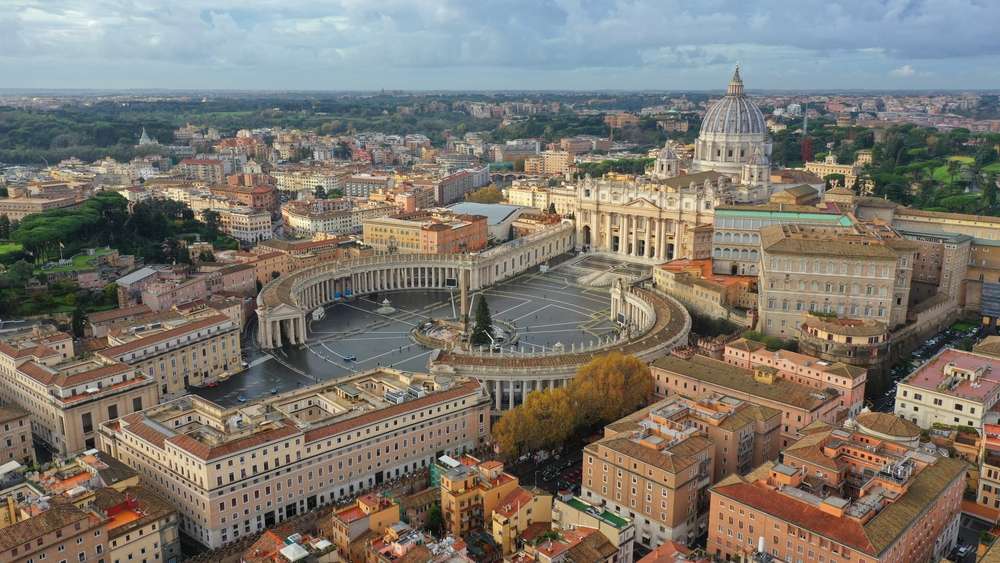
Access to the Vatican Secret Archives is restricted to a very specific group of visitors. Only accredited scholars with formal research proposals may enter, and even then, photography is strictly prohibited. Visitors must follow a dress code and can only request limited documents per day. For travelers interested in religious history and global power structures, this place proves that permission alone doesn’t guarantee freedom once inside.
Area 51 Viewing Points, Nevada, USA
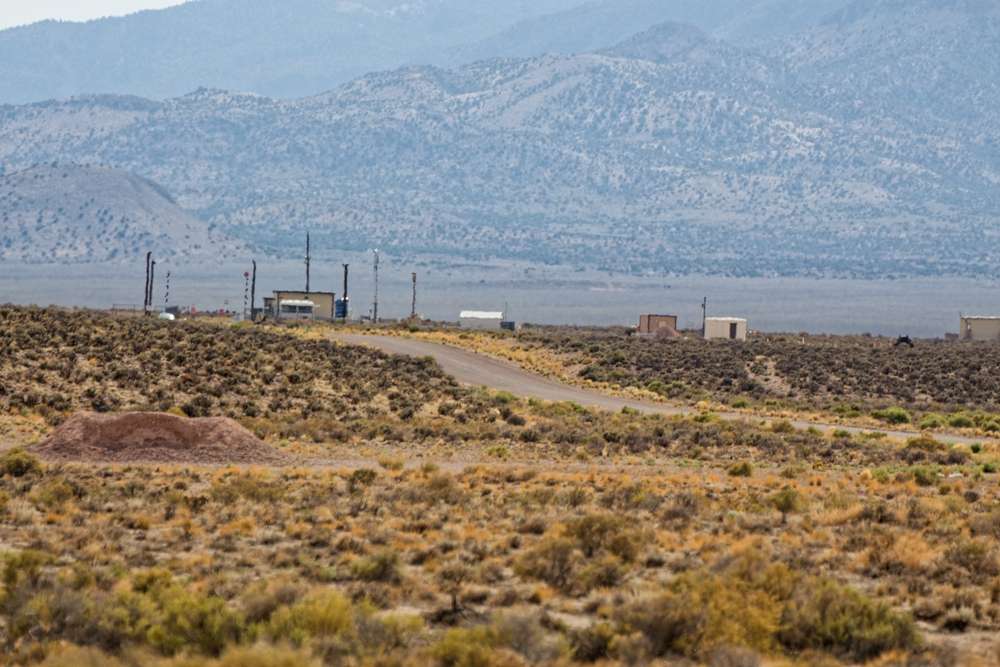
While the base itself is off-limits, travelers can legally visit designated viewpoints near Area 51. The strange rule is simple but strict: stop only where permitted and never cross posted boundaries. Surveillance is constant, and ignoring signage can result in heavy fines or worse. For U.S. road-trip enthusiasts, this desert detour blends conspiracy culture with real-world consequences.
North Sentinel Island, India
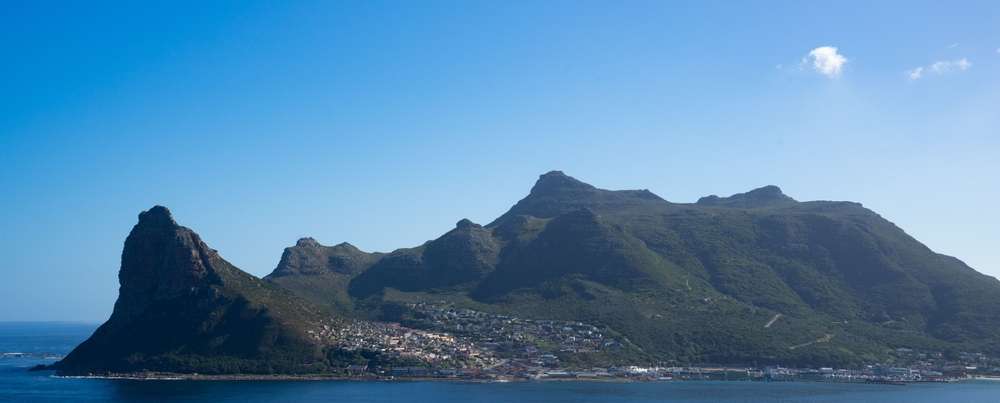
Technically part of India, North Sentinel Island is illegal to approach within several miles. The strange rule here is total non-contact—no visits, no interaction, no photography. The indigenous Sentinelese people are protected by law, and violating this restriction can result in arrest. It’s a place you’re allowed to acknowledge but never experience firsthand.
Lascaux Cave Replica, France
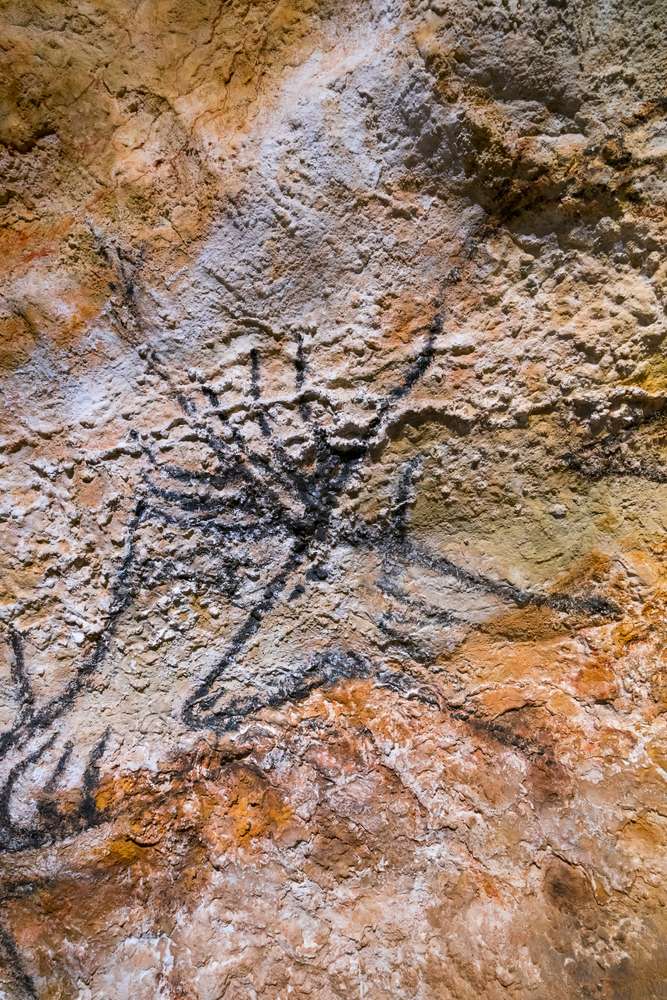
The original prehistoric cave paintings are closed to the public, but visitors may enter a carefully constructed replica near Lascaux Caves. The strange rule is that the real cave must remain untouched to preserve ancient art. Travelers experience a near-perfect imitation instead of the authentic site. It’s a rare example where preservation outweighs authenticity in global tourism.
Surtsey Island, Iceland
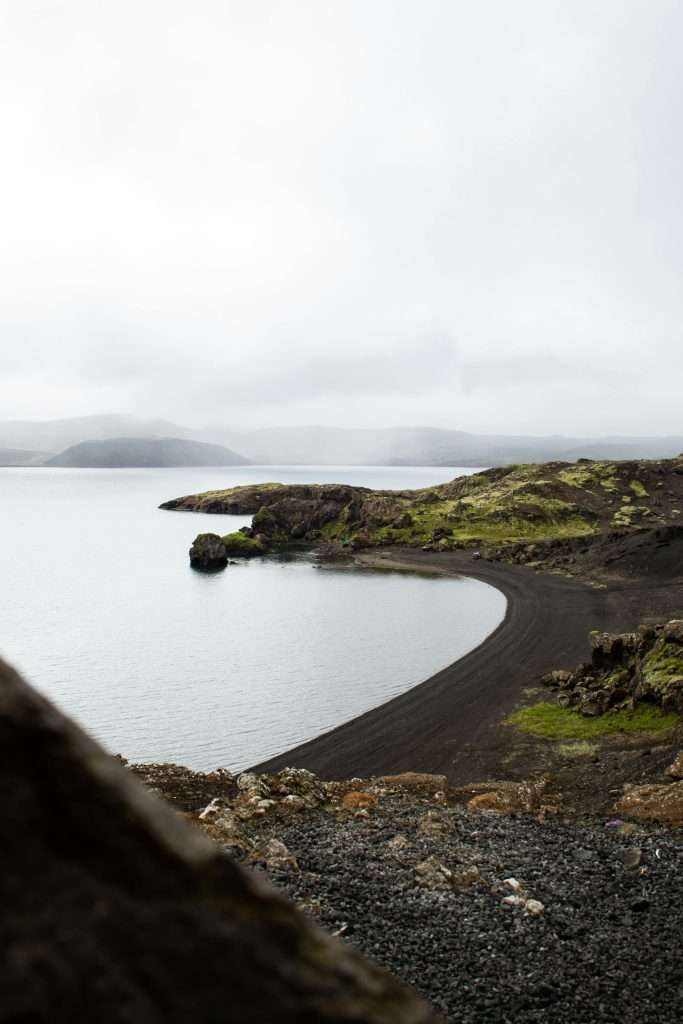
Surtsey is one of the youngest islands on Earth, formed by volcanic eruption in the 1960s. Only scientists are allowed to visit, and even they must sterilize footwear to prevent introducing foreign species. Tourists may view the island only from a distance. The rule exists to allow nature to evolve without human interference.
Mount Athos, Greece
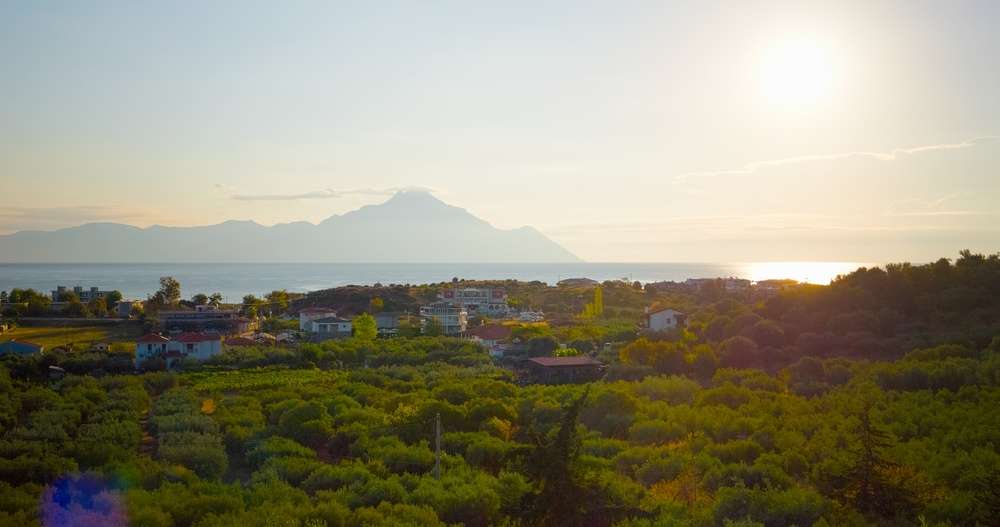
Mount Athos operates under a centuries-old rule: women are not permitted to enter. Male visitors must apply for special permits weeks in advance and follow strict behavior guidelines. The region functions as an autonomous monastic state. This unusual restriction highlights how religious tradition still shapes modern travel access.
Snake Island (Ilha da Queimada Grande), Brazil

Ilha da Queimada Grande is closed to casual tourism due to its extreme concentration of venomous snakes. Only scientists and Brazilian Navy personnel may visit, and only with medical supervision. The rule exists purely for survival. It’s a reminder that some places are restricted not for secrecy, but safety.
Uluru, Australia
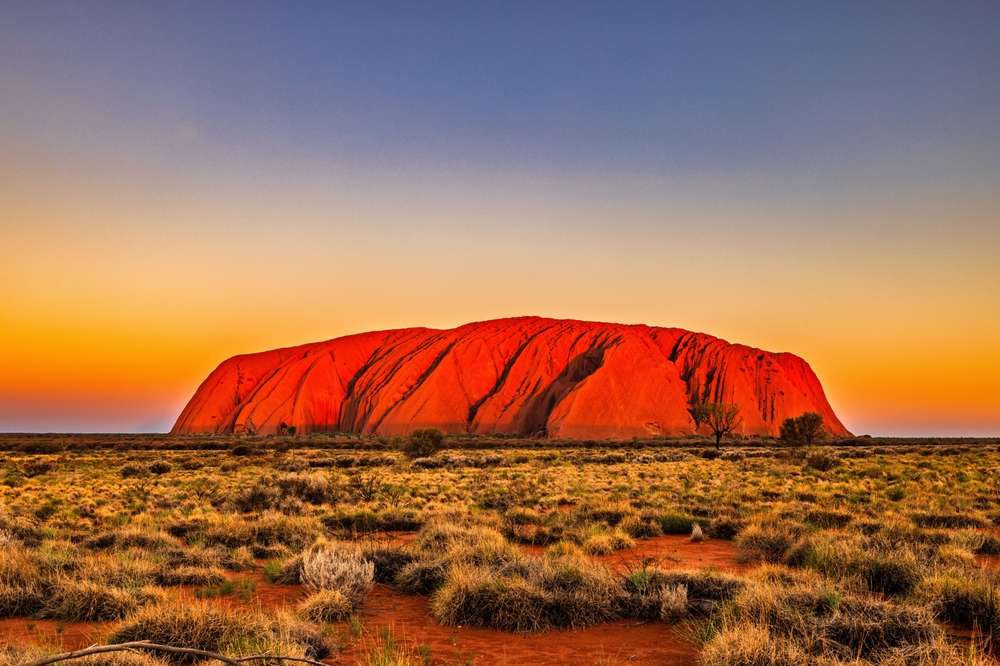
Visitors may still see Uluru, but climbing it is now forbidden. The strange rule honors Indigenous Anangu cultural beliefs, which view the climb as disrespectful. Travelers must stay on designated paths and follow photography guidelines. The experience emphasizes cultural respect over physical achievement.
White Sands Missile Range, New Mexico, USA
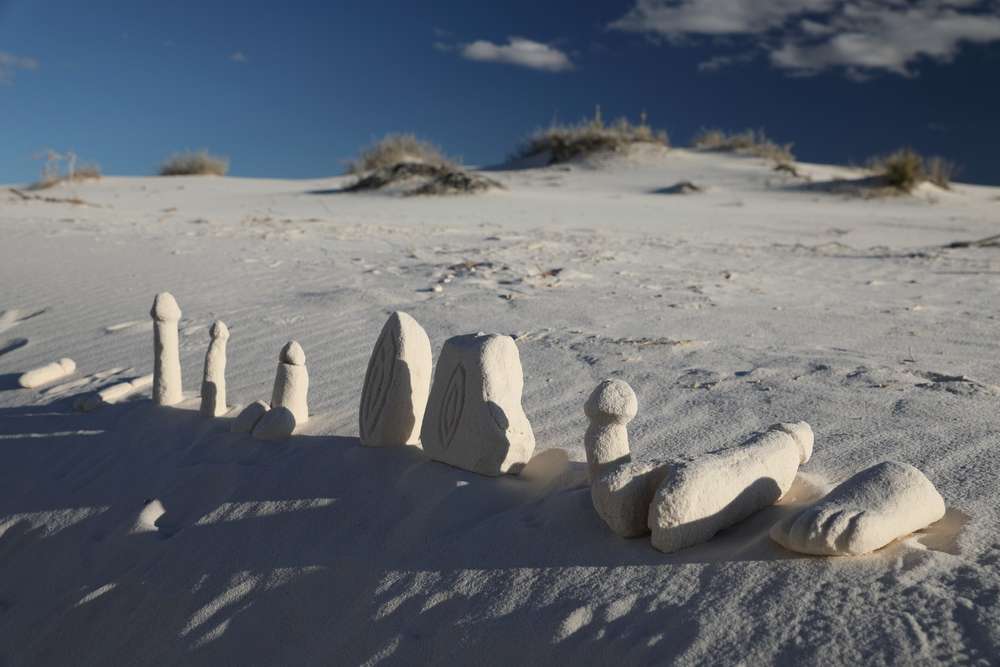
Parts of White Sands Missile Range are open to the public only during specific windows. Visitors must leave immediately when tests are scheduled and follow evacuation orders without question. Photography is restricted in certain zones. For U.S. travelers, it’s one of the few places where sightseeing pauses for national defense.
The Blue Grotto, Capri, Italy
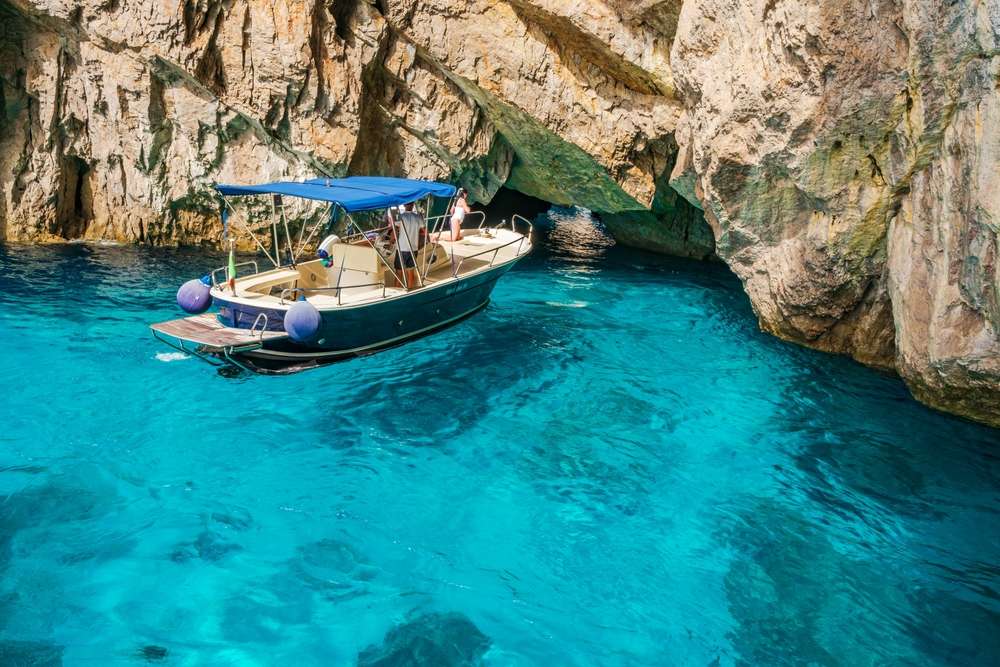
Entry into the Blue Grotto depends entirely on sea conditions. Visitors must lie flat in small boats to pass through the narrow opening. Singing boat operators and strict capacity limits add to the unusual experience. The rule is simple: nature decides whether you get in.
Churchill War Rooms, London
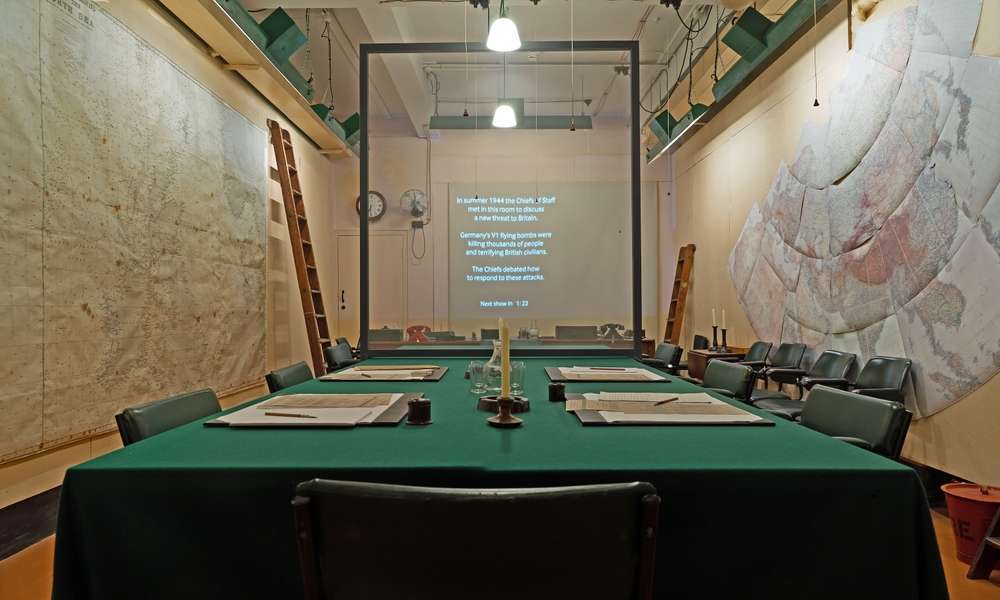
Visitors to the Churchill War Rooms must follow strict no-touch and no-flash photography rules. Some areas are accessible only through guided routes. The strange part is how carefully movement is controlled to protect fragile wartime artifacts. The rules ensure history remains frozen in time.
Socotra Island, Yemen
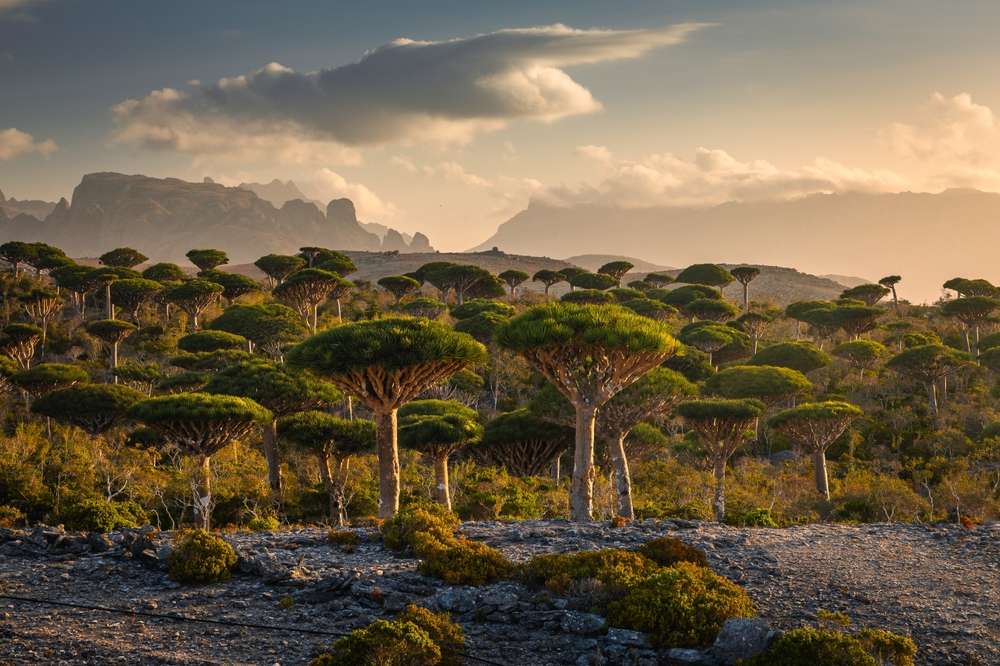
Socotra Island allows visitors only with approved local guides. Independent exploration is discouraged due to environmental sensitivity and limited infrastructure. Travelers must follow strict conservation guidelines. The island’s alien-like ecosystems depend on controlled tourism to survive.
Pine Gap, Northern Territory, Australia
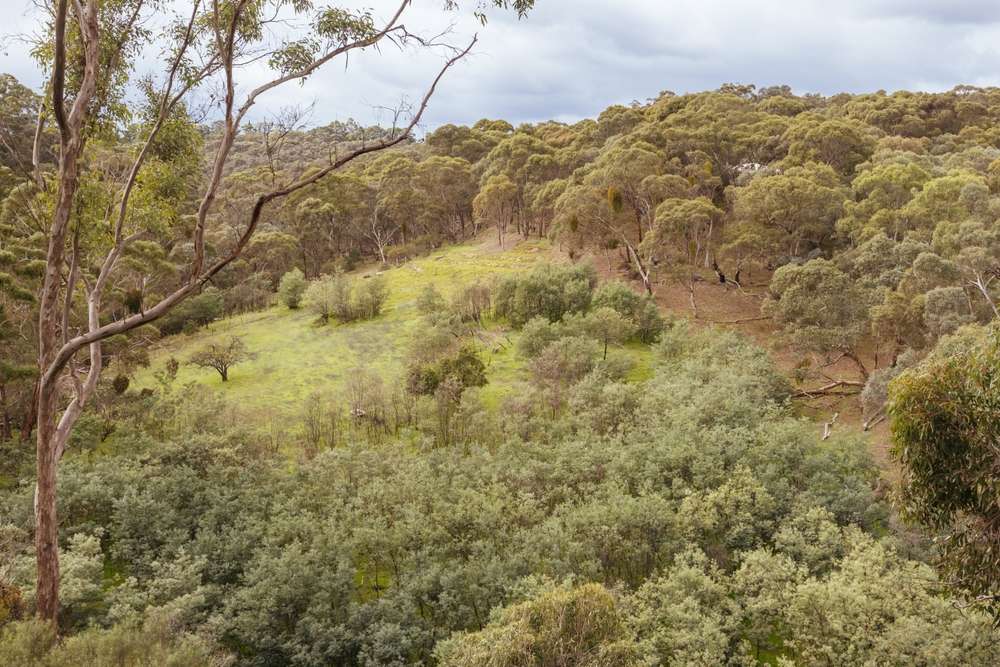
Pine Gap can only be viewed from designated public roads. Stopping in restricted areas or photographing sensitive infrastructure is forbidden. Surveillance presence is obvious. For travelers, the strange rule is how close you’re allowed to be without ever being allowed in.
Alcatraz Island, California, USA

Visitors to Alcatraz Island must follow rigid schedules, stay within marked areas, and board return ferries on time. Wandering off paths or entering closed cells is prohibited. The strict rules mirror the island’s history as a prison. For U.S. travel itineraries, structure is part of the experience.
The Ise Grand Shrine, Japan
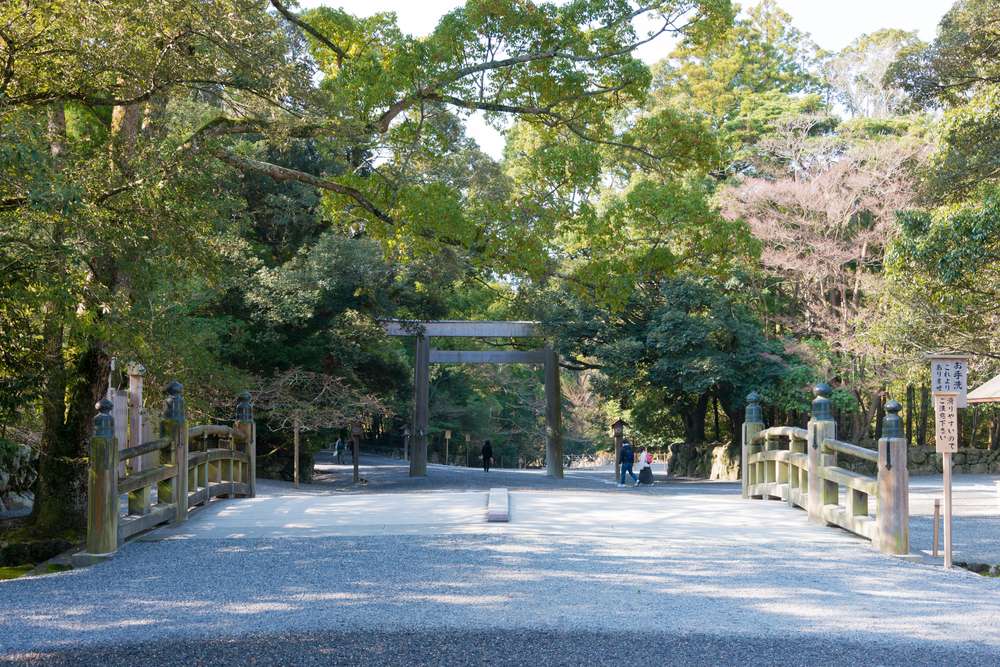
Ise Grand Shrine enforces rules on photography, behavior, and access to sacred areas. Large portions of the shrine remain hidden from public view. Visitors must show respect through silence and ritual observance. The rules protect spiritual sanctity rather than physical safety.
Devil’s Tower, Wyoming, USA
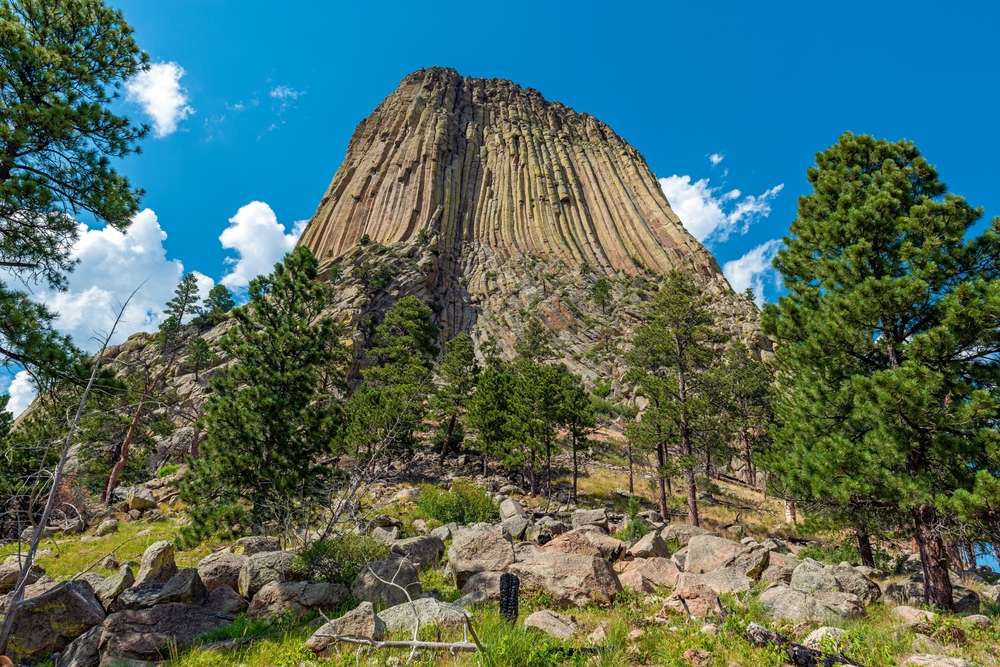
Climbing Devils Tower is allowed, but climbers are asked to voluntarily refrain during June. This period holds spiritual significance for Native American tribes. The unusual rule relies on respect rather than enforcement. It’s a powerful example of ethical travel in the United States.
The Catacombs of Paris, France
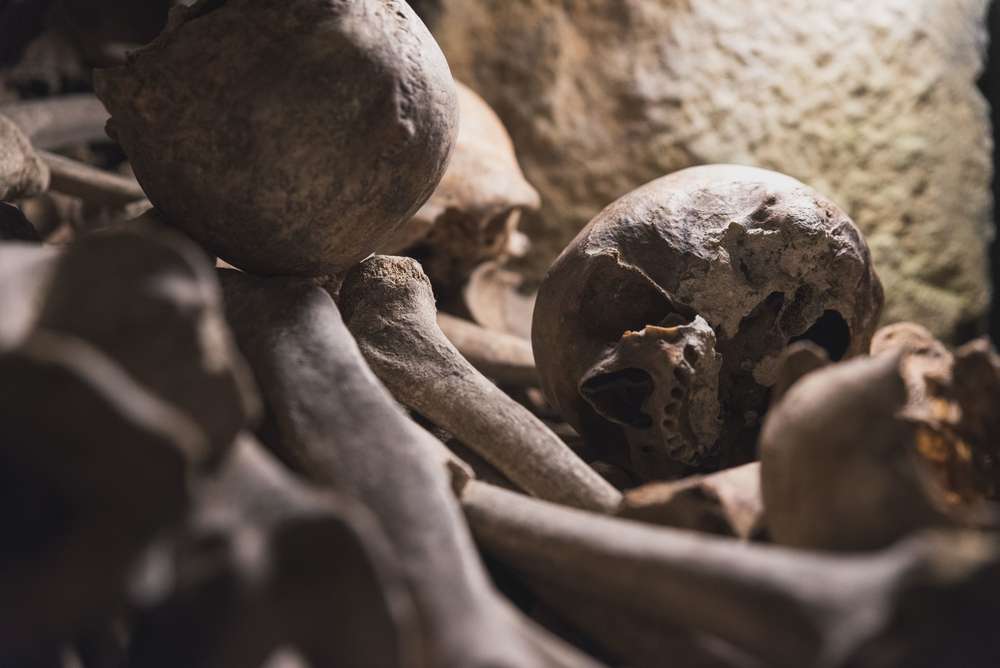
Only a small portion of the Catacombs of Paris is open to the public. Visitors must stay on marked routes and cannot touch remains. Unauthorized exploration is illegal and dangerous. The rules balance public curiosity with safety and preservation.
Diego Garcia, British Indian Ocean Territory
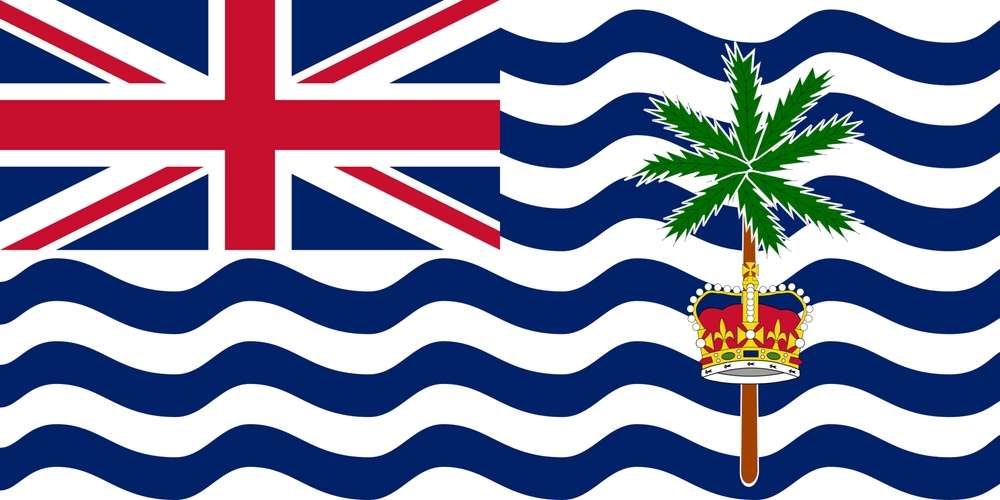
Diego Garcia allows entry only to military personnel and approved contractors. Civilian tourists are not permitted. The strange rule is that even nearby waters are restricted. It’s a destination defined entirely by exclusion.
Chernobyl Exclusion Zone, Ukraine

Visitors may enter the Chernobyl Exclusion Zone only through guided tours. Touching objects, sitting on the ground, or removing items is prohibited. Radiation exposure limits are strictly monitored. The rules transform tourism into controlled observation.
The Wave, Arizona, USA
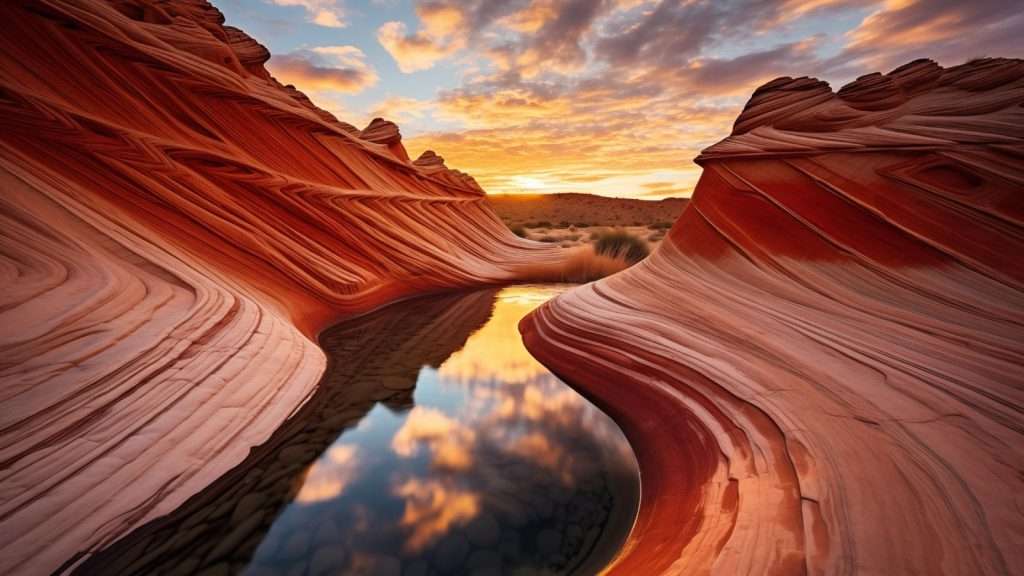
Access to The Wave is limited by a daily permit lottery. Hikers must carry navigation tools and follow strict Leave No Trace guidelines. The difficulty isn’t just physical—it’s winning permission. For U.S. adventure travelers, the rules make the destination even more coveted.
Easter Island, Chile
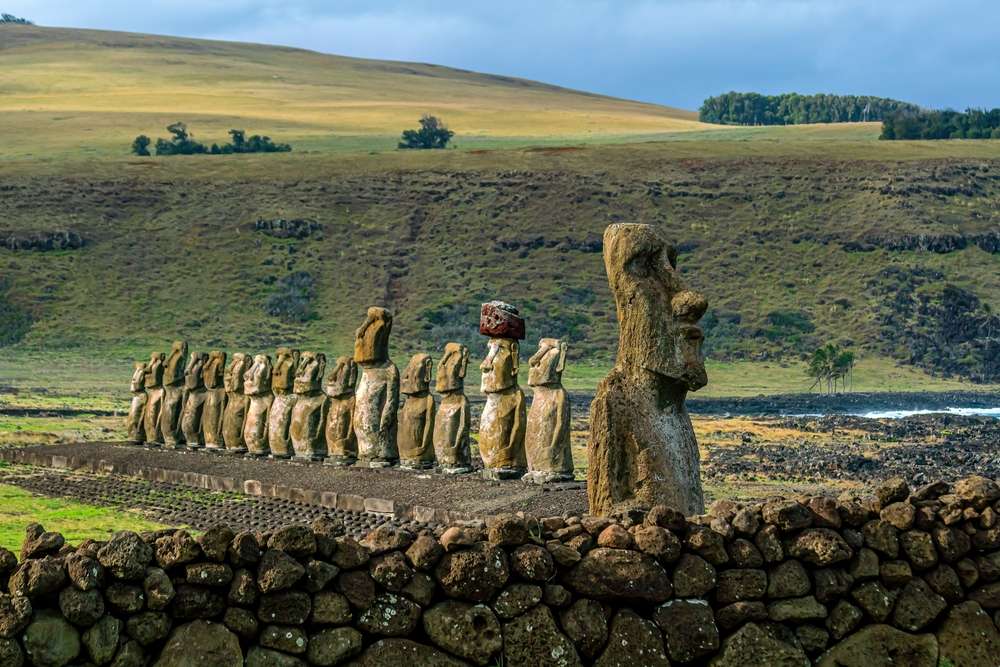
Easter Island requires visitors to stay with licensed guides to access many archaeological sites. Touching statues is forbidden. The rules protect cultural heritage and fragile landscapes. Tourism here is tightly managed to prevent irreversible damage.
Tomb of Qin Shi Huang, China
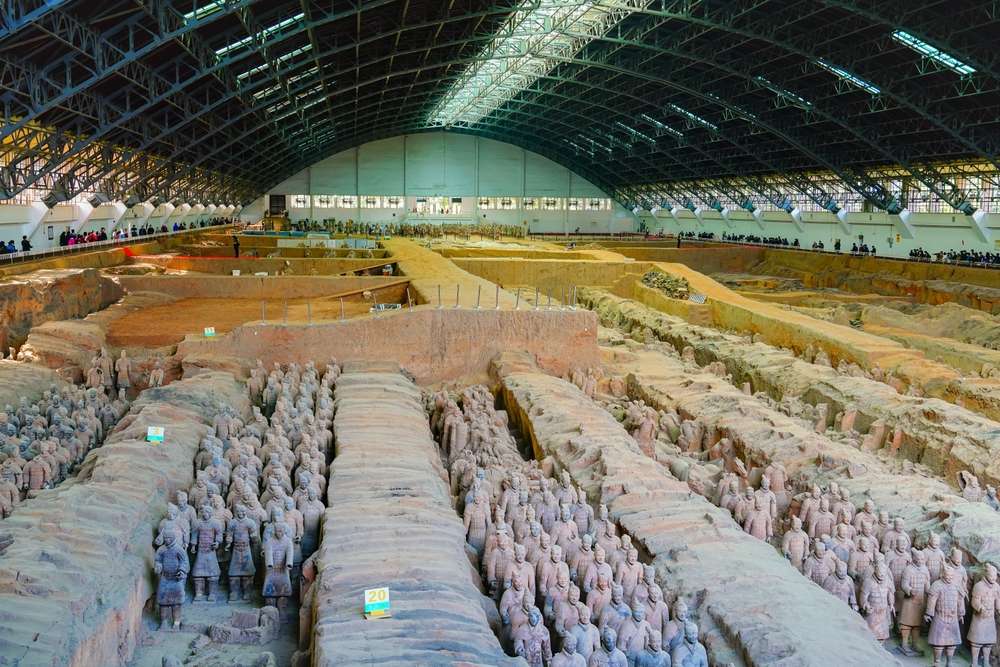
While visitors can see the Terracotta Army, the emperor’s tomb itself remains sealed. At Tomb of Qin Shi Huang, excavation is delayed to preserve artifacts. The rule is patience—waiting for technology to catch up. It’s a rare case where access is postponed indefinitely.
Lake Hillier, Australia
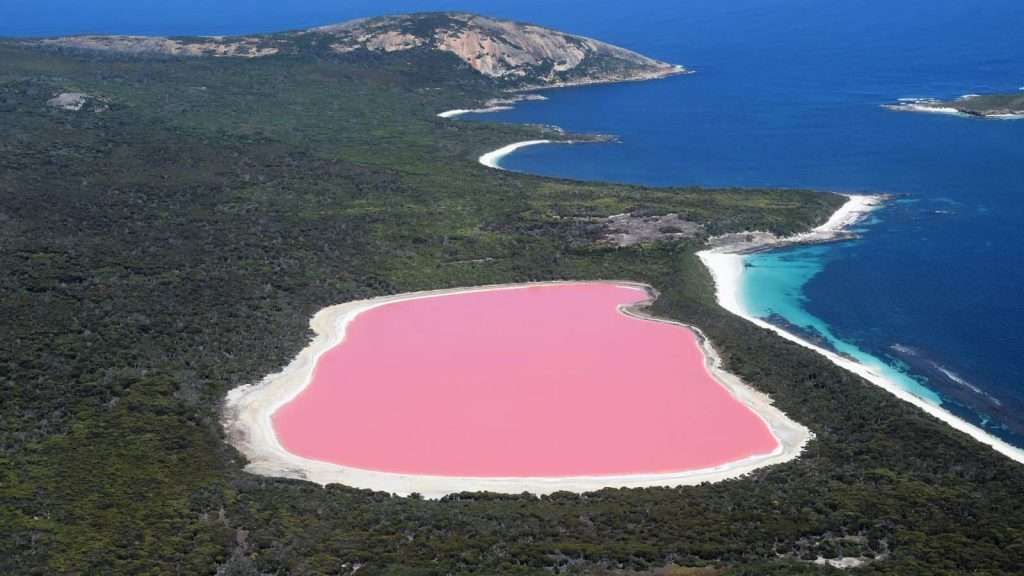
Lake Hillier can only be viewed from the air or surrounding land. Swimming is prohibited to protect its unique ecosystem. The strange rule keeps human impact minimal. The lake’s surreal color remains untouched by mass tourism.
Arlington National Cemetery, Virginia, USA
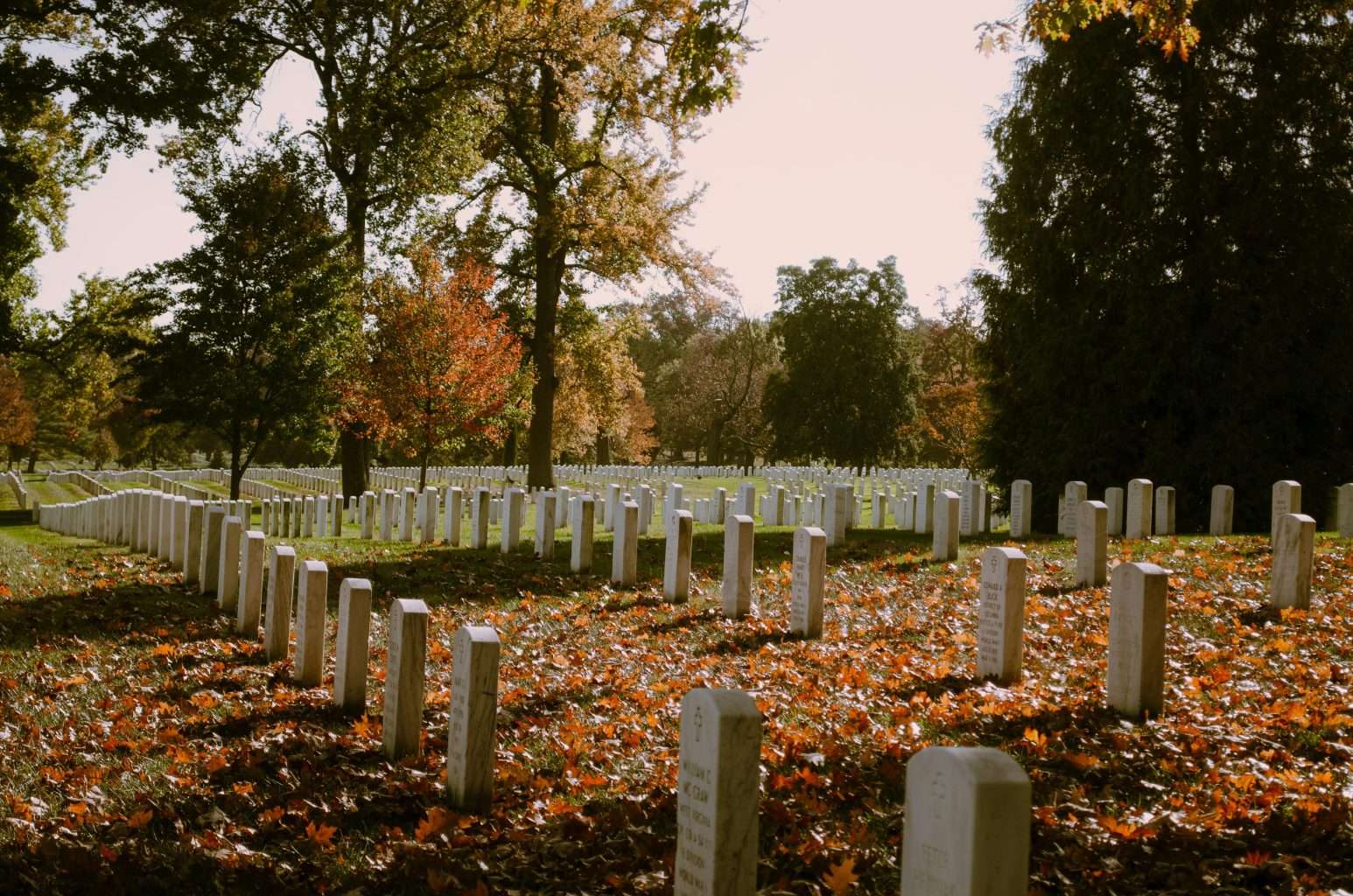
Visitors to Arlington National Cemetery must follow strict behavior rules, including silence in certain areas and respectful attire. Picnicking, loud conversations, and casual behavior are discouraged. The rules reinforce the site’s solemn purpose. For U.S. travelers, respect is mandatory, not optional.

Deborah Montiero is a seasoned travel writer and contributor to Probe the Globe. With a passion for uncovering hidden gems and sharing immersive travel experiences, Deborah’s work highlights must-visit destinations, insider tips, and practical advice for travelers of all types. Whether exploring bustling cities or remote escapes, her articles are crafted to inspire and inform, making her a trusted voice in the travel community.
Her storytelling weaves together cultural insights, logistical tips, and authentic experiences, making her a valuable resource for readers seeking unforgettable journeys.
When not writing, Deborah is likely researching the latest travel trends or planning her next adventure. Follow her work on Probe the Globe for fresh perspectives and up-to-date travel inspiration.