
22 U.S. Places So Windy Locals Live With Things Tourists Can’t Handle
America’s windiest places are more than just breezy travel destinations; they are environments that actively shape daily life. In these towns, wind dictates architecture, clothing choices, outdoor routines, and even local attitudes. Visitors often arrive unprepared, surprised by relentless gusts that locals barely notice anymore.For U.S. travel enthusiasts, these 22 places offer a chance to see how people adapt to extreme natural conditions. From coastal cliffs to high plains and mountain corridors, wind becomes part of the culture rather than a nuisance.
Chicago, Illinois
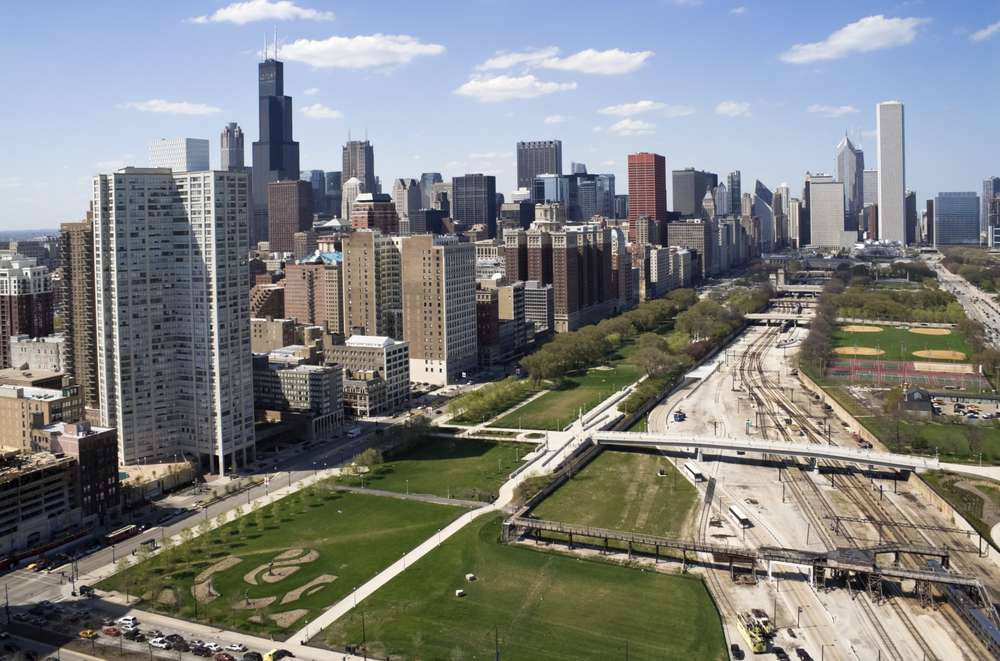
Chicago’s reputation as the Windy City is only partly about weather, but the actual wind off Lake Michigan is no joke. Cold air accelerates between skyscrapers, creating powerful wind tunnels that can knock hats loose and make winter feel brutal. Locals plan commutes around gust patterns and know which streets offer slight shelter. Tourists often underestimate how the wind amplifies cold, turning a casual stroll into an endurance test. For U.S. travel visitors, Chicago’s wind becomes part of its unforgettable urban experience.
San Francisco, California
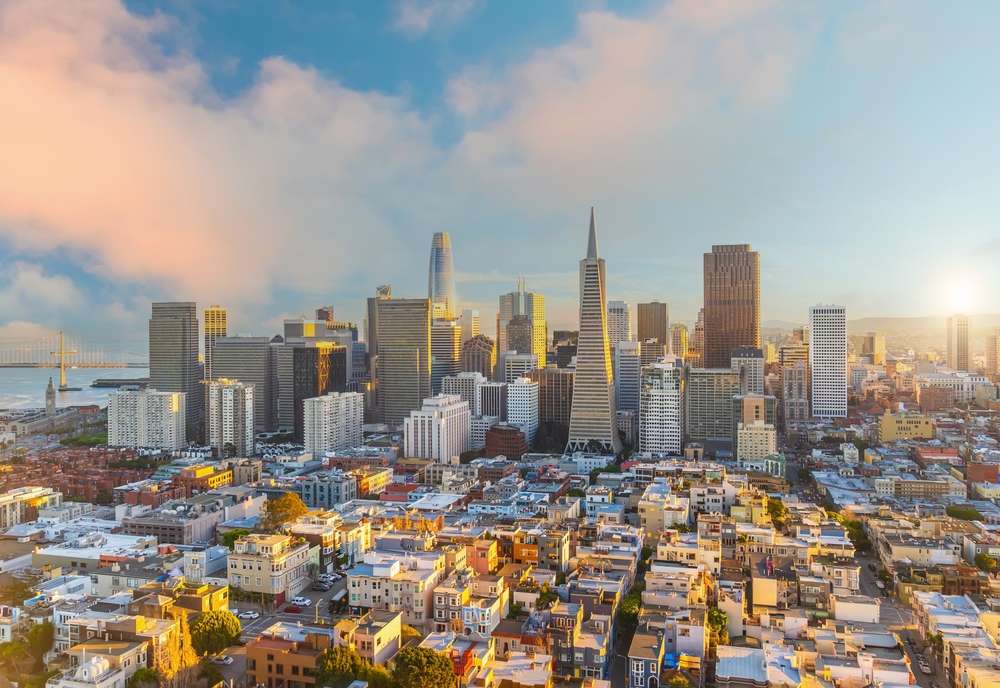
San Francisco’s coastal position and hilly terrain combine to produce steady, chilling winds, especially in summer. Fog rolls in with force, driven by gusts that can feel relentless near the Golden Gate. Residents layer clothing year-round and design outdoor spaces to block airflow. Tourists expecting warm California sunshine are often shocked by how cold and windy it feels. The wind shapes daily life here, making it one of the most distinctive U.S. travel destinations.
Boston, Massachusetts

Boston’s coastal location and historic street layout create frequent wind corridors. Winter storms push icy gusts through narrow streets, making the cold feel sharper than the temperature suggests. Locals know which routes minimize exposure and dress accordingly. Tourists walking along the harbor are often caught off guard by sudden blasts. Wind is part of Boston’s personality and an essential factor in New England U.S. travel experiences.
Cheyenne, Wyoming
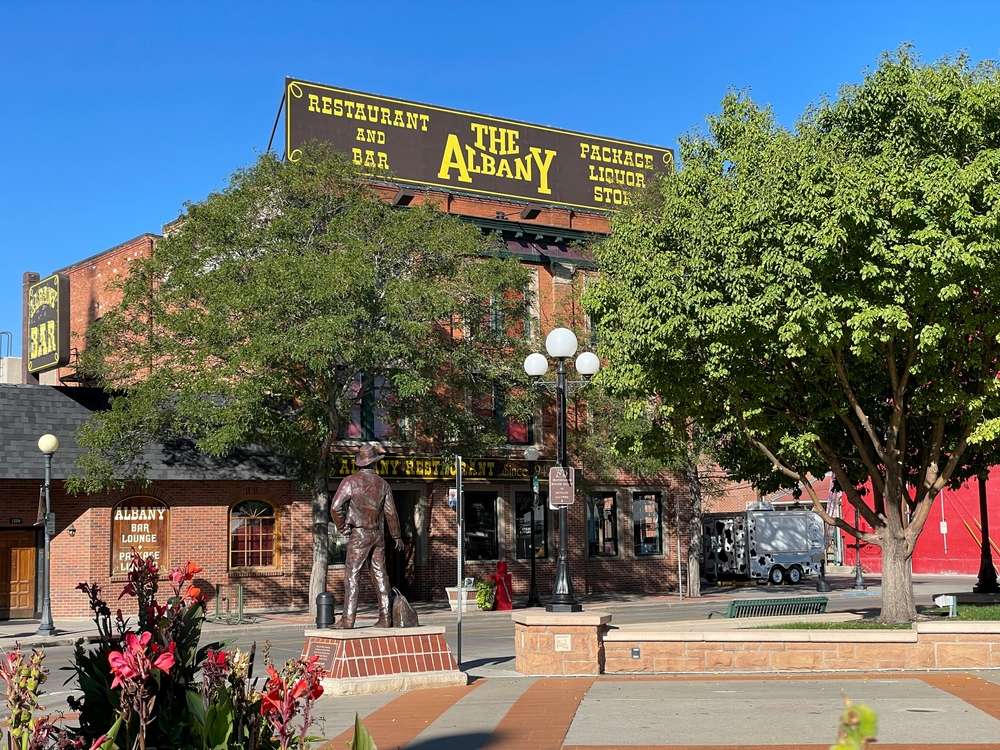
Cheyenne is one of the windiest cities in the country, with gusts that can last for days. Windstorms regularly shut down highways and challenge even experienced drivers. Locals secure everything from trash bins to patio furniture. Tourists often underestimate the force, struggling with balance during simple walks. Wind is so central here that it influences building design, making Cheyenne a striking example of weather-adapted U.S. travel destinations.
Amarillo, Texas
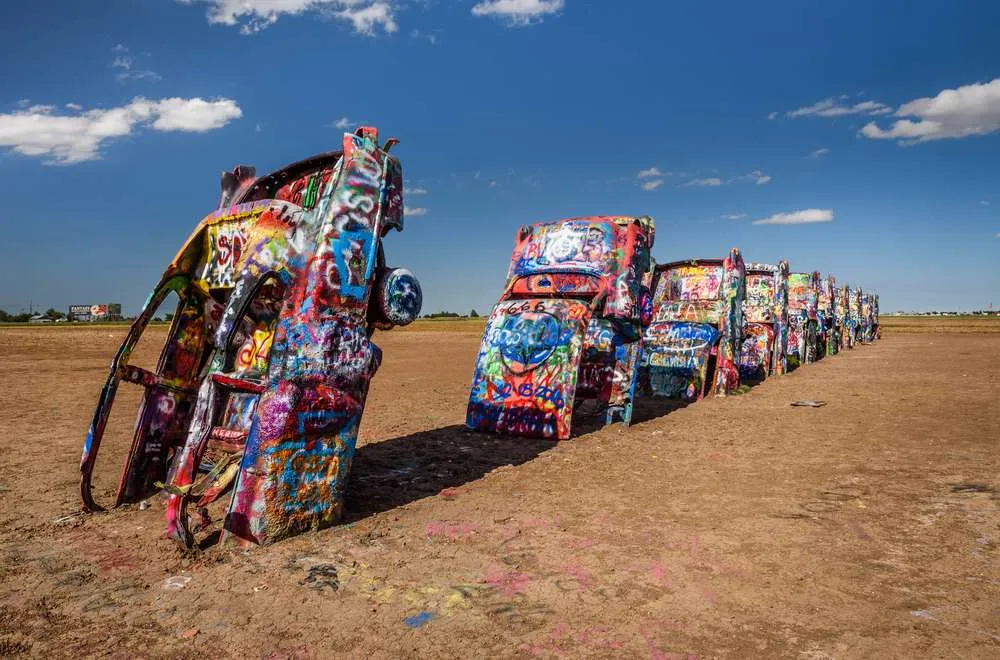
Amarillo experiences persistent wind sweeping across the Texas Panhandle. These gusts often arrive without warning, creating dust storms and hazardous driving conditions. Locals adapt by maintaining vehicles carefully and planning travel around forecasts. Tourists frequently find the wind draining, especially when combined with summer heat or winter cold. Amarillo’s wind is an inseparable part of its regional character.
Buffalo, New York
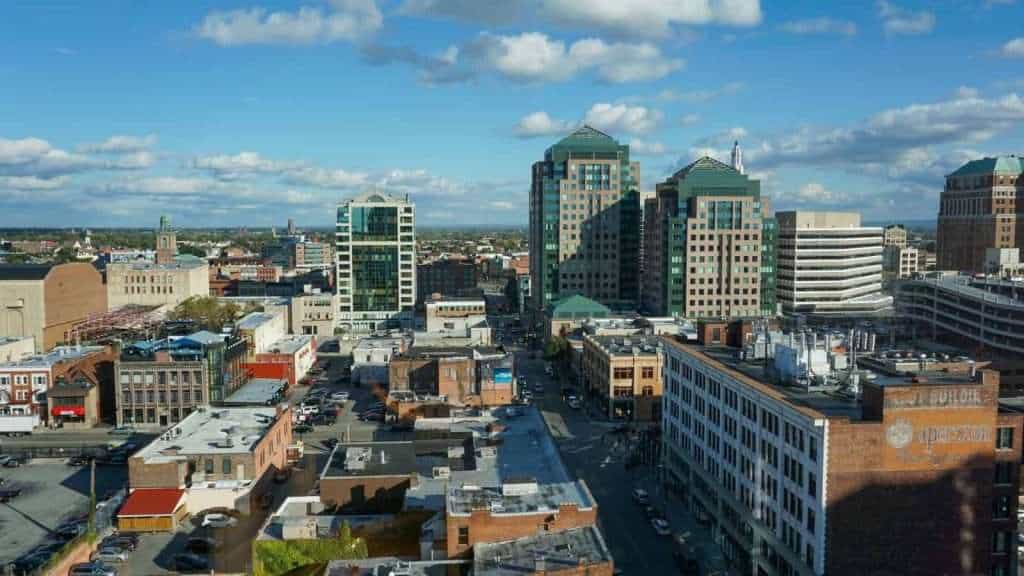
Buffalo’s proximity to Lake Erie makes it vulnerable to powerful winds that fuel lake-effect snowstorms. Gusts intensify winter weather, creating whiteout conditions in minutes. Locals are skilled at navigating icy, wind-driven storms, while visitors often feel overwhelmed. Even in warmer months, strong breezes roll off the lake. Buffalo’s weather resilience is a defining feature of U.S. travel in the Great Lakes region.
Bakersfield, California

Bakersfield’s location in California’s Central Valley exposes it to frequent winds that stir dust and agricultural debris. Summer winds bring hot, dry air, while winter gusts feel cutting and persistent. Locals adjust outdoor work schedules and construction practices accordingly. Tourists are often surprised by how uncomfortable the wind can make an otherwise sunny day. Wind is an overlooked factor in Central California travel.
Galveston, Texas

Galveston’s island setting leaves it exposed to Gulf winds year-round. Sea breezes can quickly turn into strong gusts, especially during storm season. Locals build homes elevated and reinforced to withstand constant airflow. Tourists enjoying beach vacations often struggle with blowing sand and choppy waters. Wind defines coastal U.S. travel here more than many expect.
Rapid City, South Dakota
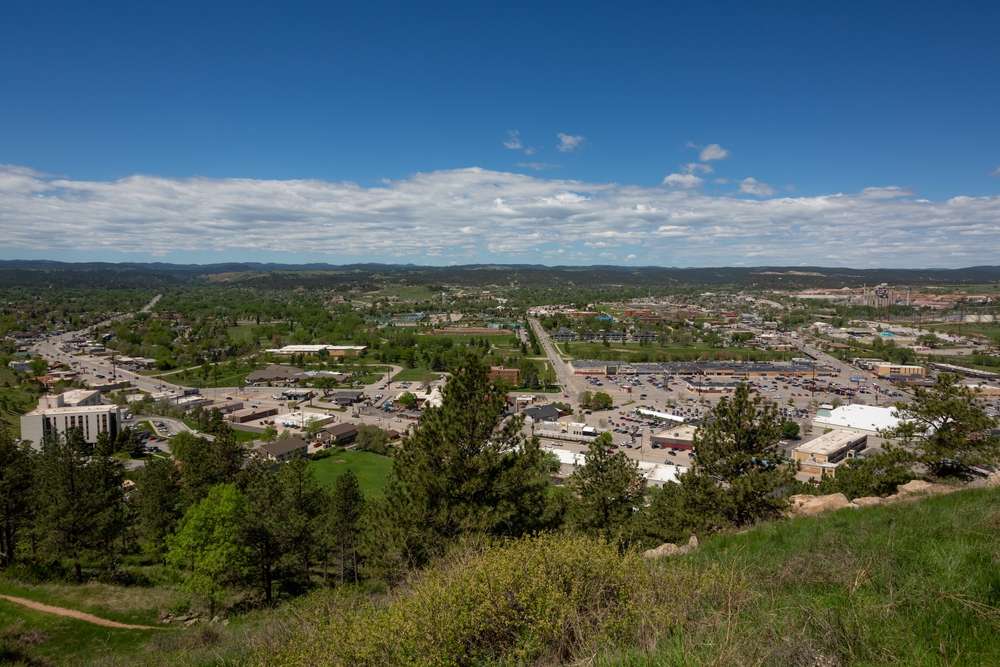
Rapid City experiences sudden wind shifts due to nearby mountain terrain. Chinook winds can raise temperatures dramatically while blasting through town. Locals know these changes are normal and prepare for rapid weather swings. Tourists are often confused by the unpredictability. Wind is a daily presence in this gateway to the Black Hills, shaping its U.S. travel appeal.
Anchorage, Alaska
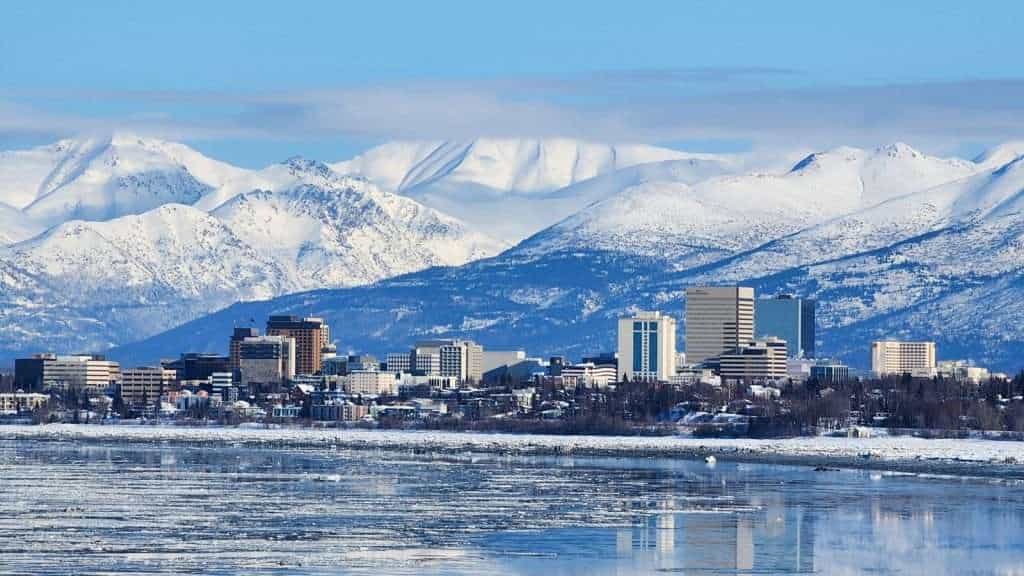
Anchorage faces powerful winds funneled through mountain passes and coastal inlets. Winter winds intensify cold and create hazardous conditions. Locals design buildings and infrastructure to withstand constant pressure. Tourists unfamiliar with Arctic wind chill often underestimate how harsh it feels. Wind is part of Alaska’s challenging but rewarding travel experience.
Santa Barbara, California

Santa Barbara’s sundowner winds blow downhill from the mountains, bringing dry, forceful gusts. These winds raise wildfire risk and make evenings unexpectedly intense. Locals remain alert during wind events and adjust daily routines. Tourists enjoying coastal scenery are often surprised by sudden strong airflow. The wind adds complexity to this popular U.S. travel destination.
Flagstaff, Arizona
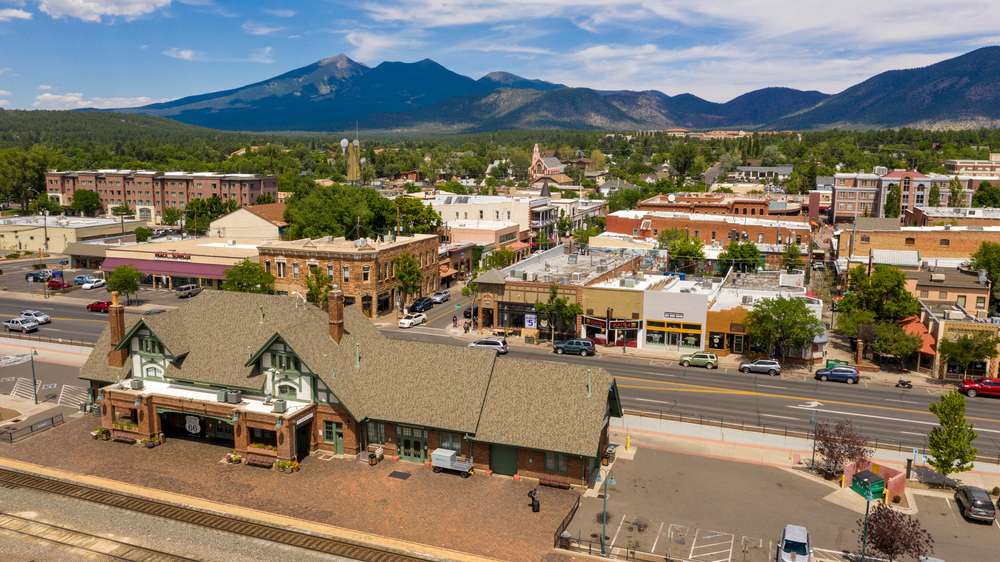
Flagstaff’s high elevation makes wind a frequent companion. Gusts sweep across pine forests and open plateaus, especially during seasonal transitions. Locals accept sudden windstorms as routine and secure property carefully. Tourists hiking or camping often struggle with exposure and cold. Wind is a constant factor in northern Arizona travel.
Reno, Nevada
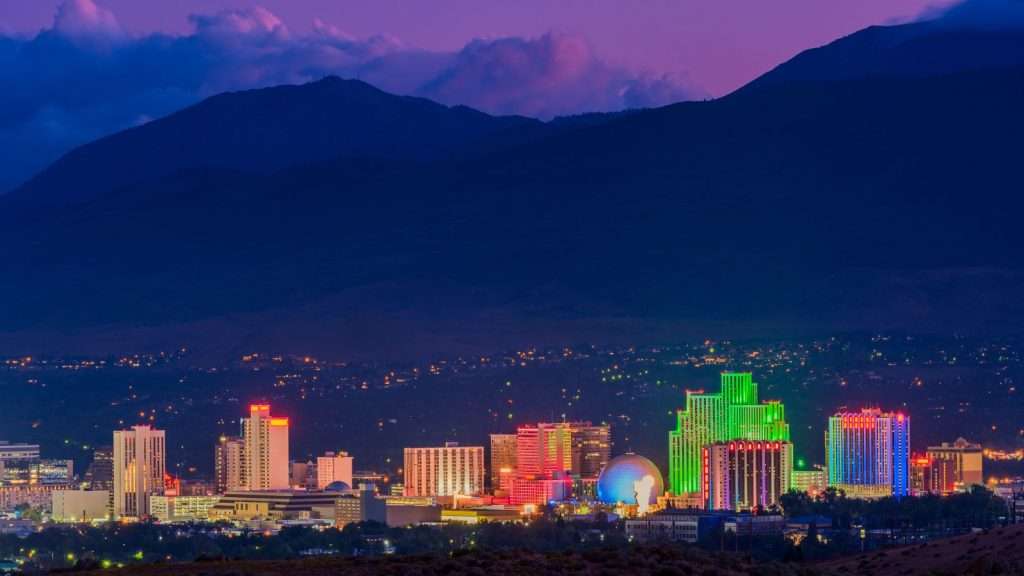
Reno’s position near mountain passes allows wind to accelerate dramatically. Gusts can arrive suddenly, affecting driving and outdoor events. Locals adapt by monitoring forecasts closely. Tourists unfamiliar with desert mountain wind often feel unprepared. Wind contributes to Reno’s rugged western U.S. travel identity.
Buffalo, New York
Buffalo’s wind off Lake Erie intensifies snowfall and cold temperatures. Locals understand how lake-effect weather transforms mild days into brutal ones. Walking during winter storms requires strength and strategy. Tourists are often shocked by the combination of snow and wind. Residents, meanwhile, measure storms not just by inches of snow but by how hard the wind hits.
Point Reyes, California
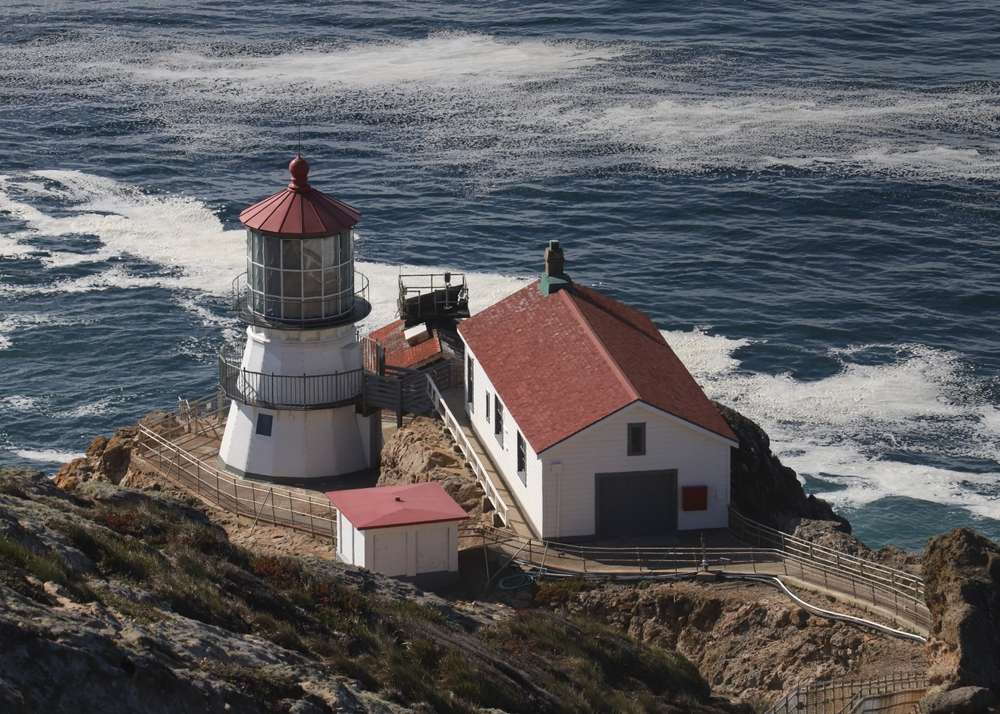
Point Reyes experiences some of the strongest coastal winds in the state. Gusts whip across cliffs and grasslands, shaping unique ecosystems. Locals respect the power of the wind and plan activities accordingly. Tourists exploring the coastline often struggle with balance and noise. Wind is inseparable from the dramatic beauty of this California travel area.
Laramie, Wyoming
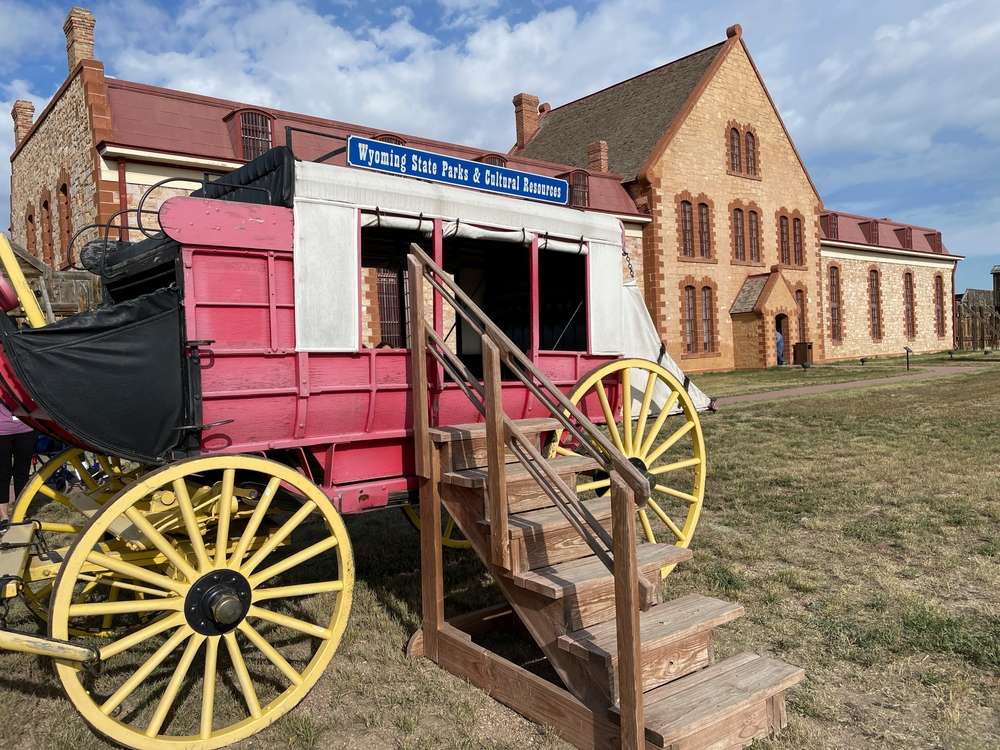
Laramie is famous for its near-constant wind, with gusts that can last weeks. Locals joke that calm days feel unnatural. Buildings, vehicles, and routines all reflect adaptation to wind. Tourists often feel drained by nonstop exposure. Wind defines Laramie’s reputation in U.S. travel discussions.
Eureka, California
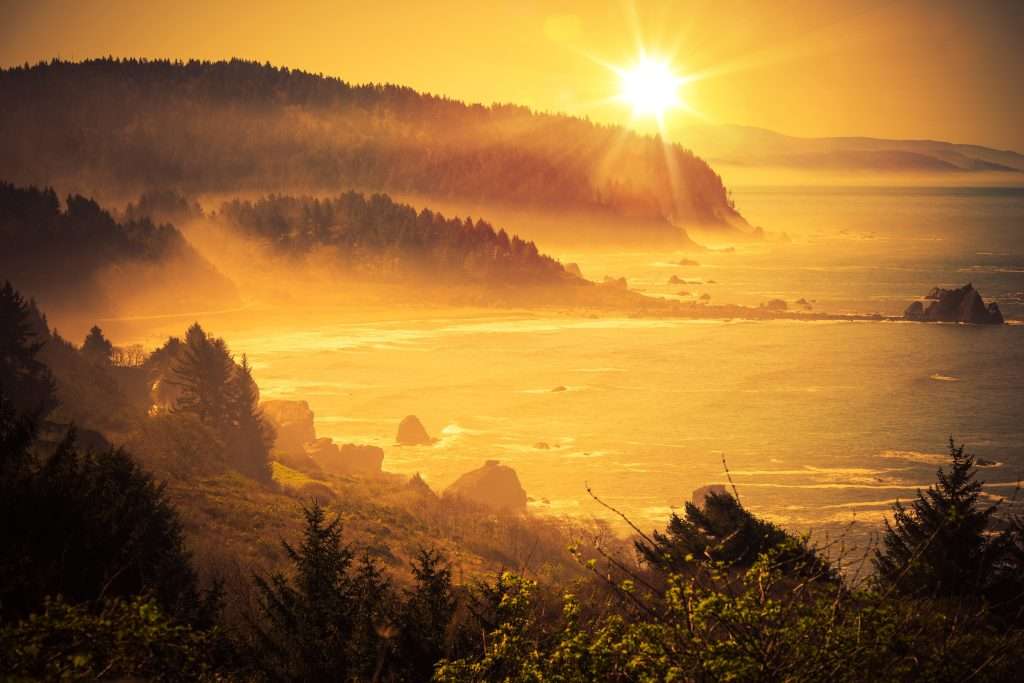
Eureka’s coastal winds bring cool, damp air that shapes daily life. Gusts roll in with fog, making temperatures feel colder year-round. Locals layer clothing and accept wind as part of the atmosphere. Tourists expecting mild coastal weather are often surprised. Wind is central to Northern California travel experiences.
Wichita, Kansas
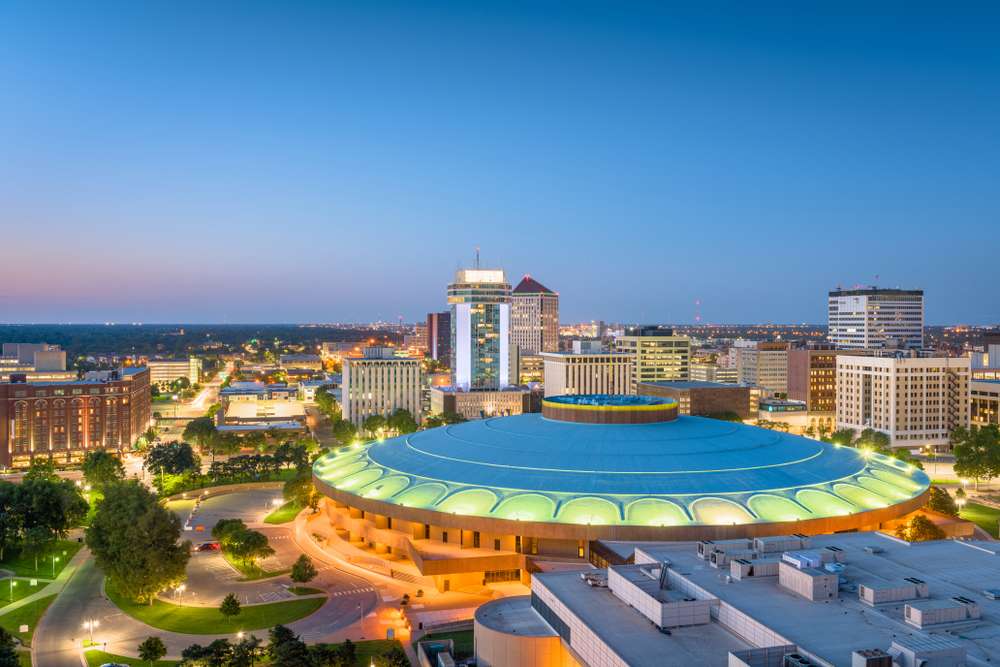
Wichita sits in Tornado Alley, where wind is a constant presence even outside severe storms. Strong gusts sweep through open land, affecting driving and outdoor plans. Locals are weather-aware and prepared. Tourists sometimes underestimate the power of plains wind. Wind is a defining element of central U.S. travel.
Cape May, New Jersey

Cape May’s exposed coastal position brings steady ocean winds that shape beach life. Gusts can turn calm days into challenging conditions. Locals build with durability in mind and adjust schedules around wind patterns. Tourists often struggle with blowing sand and cooler temperatures. Wind is part of the authentic coastal U.S. travel experience here.
Portland, Maine
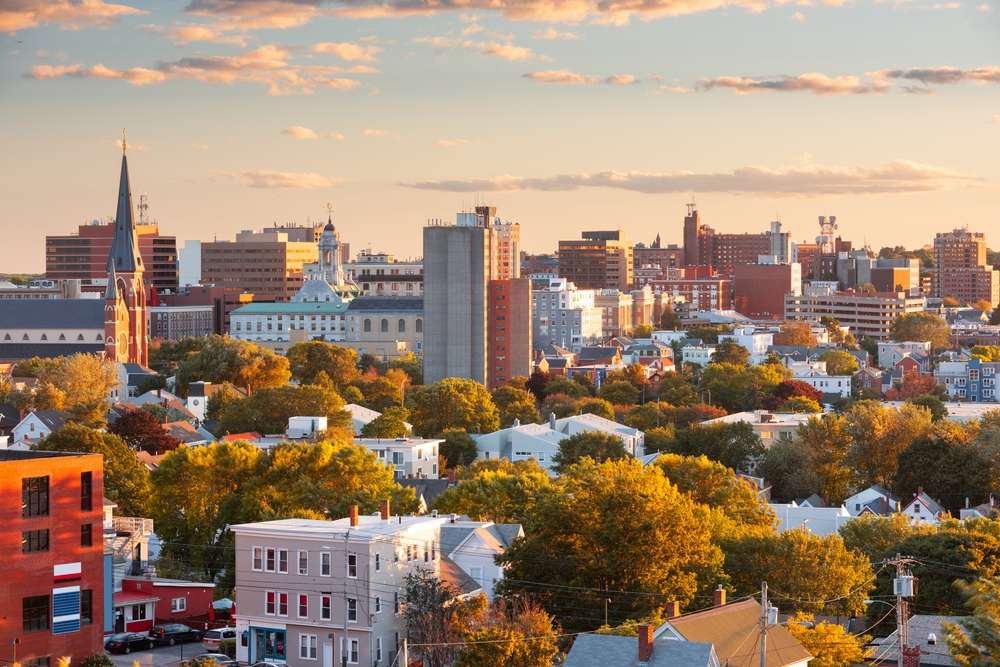
Portland’s coastal winds shape life along the harbor. Locals expect gusts that carry salt spray and cold air even in warmer months. Outdoor seating and waterfront walks require preparation. Tourists may underestimate how brisk it feels by the water. Residents have learned to dress for conditions that change by the hour.
Cleveland, Ohio
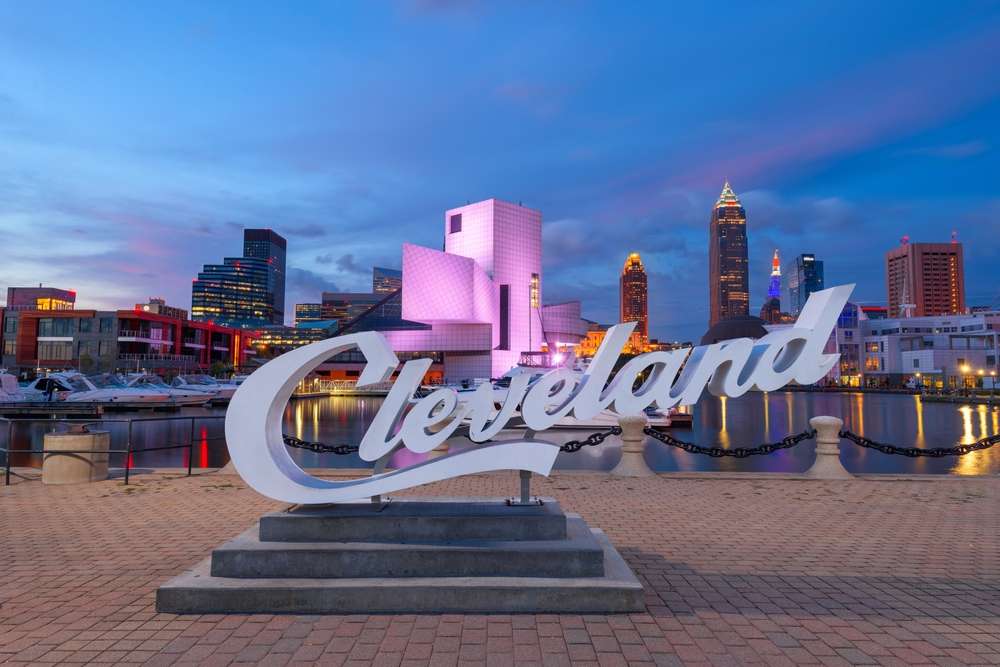
Cleveland’s location along Lake Erie brings frequent strong winds. Locals deal with sudden temperature drops and choppy conditions along the shoreline. Winter storms become more severe when wind picks up. Tourists often underestimate the lake’s influence. Residents know wind shapes daily life as much as snow or rain.
Pueblo, Colorado
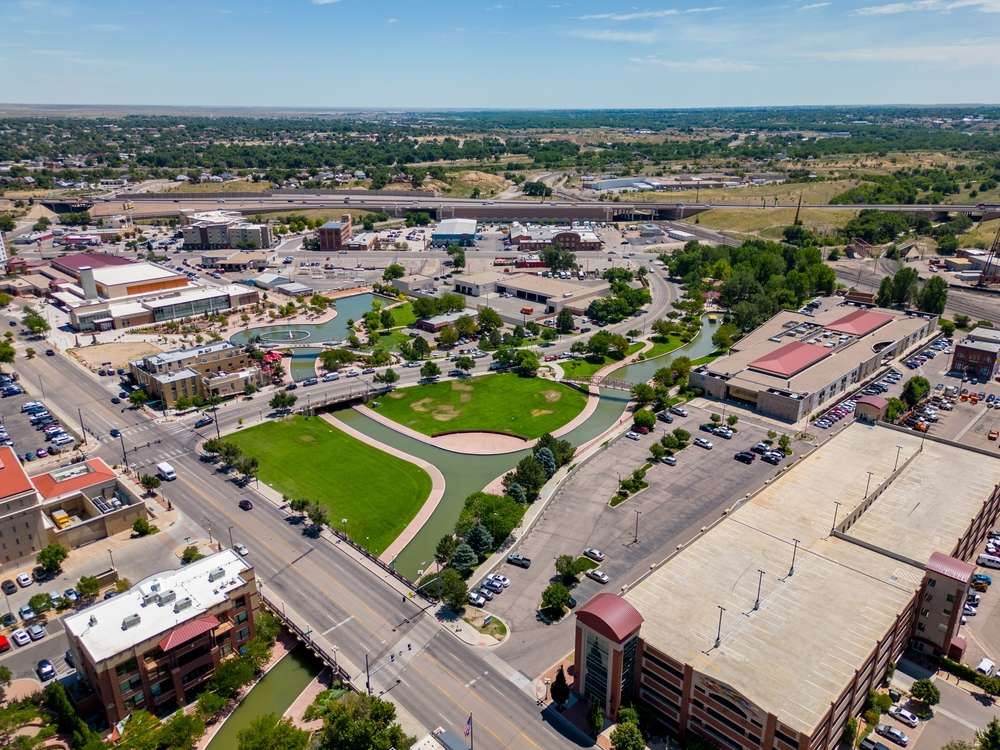
Pueblo experiences powerful winds driven by regional weather systems. Locals expect gusts that test buildings and nerves alike. Wind affects agriculture, transportation, and outdoor recreation. Tourists often comment on how draining it feels. Residents adapt through reinforced structures and routines shaped by decades of experience.

Deborah Montiero is a seasoned travel writer and contributor to Probe the Globe. With a passion for uncovering hidden gems and sharing immersive travel experiences, Deborah’s work highlights must-visit destinations, insider tips, and practical advice for travelers of all types. Whether exploring bustling cities or remote escapes, her articles are crafted to inspire and inform, making her a trusted voice in the travel community.
Her storytelling weaves together cultural insights, logistical tips, and authentic experiences, making her a valuable resource for readers seeking unforgettable journeys.
When not writing, Deborah is likely researching the latest travel trends or planning her next adventure. Follow her work on Probe the Globe for fresh perspectives and up-to-date travel inspiration.