22 Places in the U.S. Where You Can Still See the Stars Clearly
Across wide stretches of America, the night sky still reveals its original brilliance, unspoiled by dense cities and intrusive light pollution. Travelers seeking quiet horizons often find that stargazing reveals not only cosmic beauty but also a slower way of experiencing the landscape. These dark-sky havens have become treasured destinations for people who want deeper connections to nature during U.S. travel adventures. Below, we explore 22 Places in the U.S. Where You Can Still See the Stars Clearly.
Big Bend National Park, Texas

Big Bend National Park is one of the darkest areas in the continental United States, offering night skies filled with countless constellations. With its wide desert valleys and rugged mountain silhouettes, visitors experience nighttime landscapes that feel almost untouched by time. Stargazers often spread blankets along overlooks or hike short trails to watch meteors streak across the sky. The park’s remote nature makes it a top destination for astronomy lovers and U.S. travel explorers seeking true night-sky immersion.
Great Basin National Park, Nevada
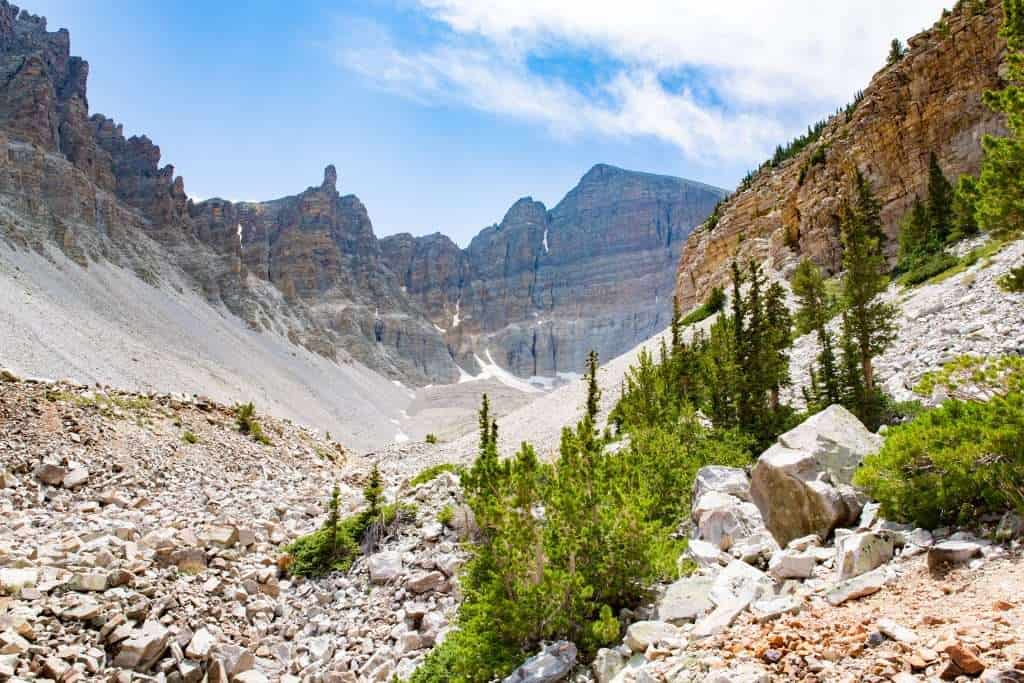
Great Basin provides some of the clearest skies in the American West due to its high elevation and distance from urban centers. The Milky Way appears bright and detailed, stretching from one horizon to the other. Visitors often attend ranger-led astronomy programs that highlight constellations, planetary movement, and deep-sky objects. Whether camping at Wheeler Peak or exploring the park’s open basins after dark, the celestial clarity is unforgettable.
Death Valley National Park, California
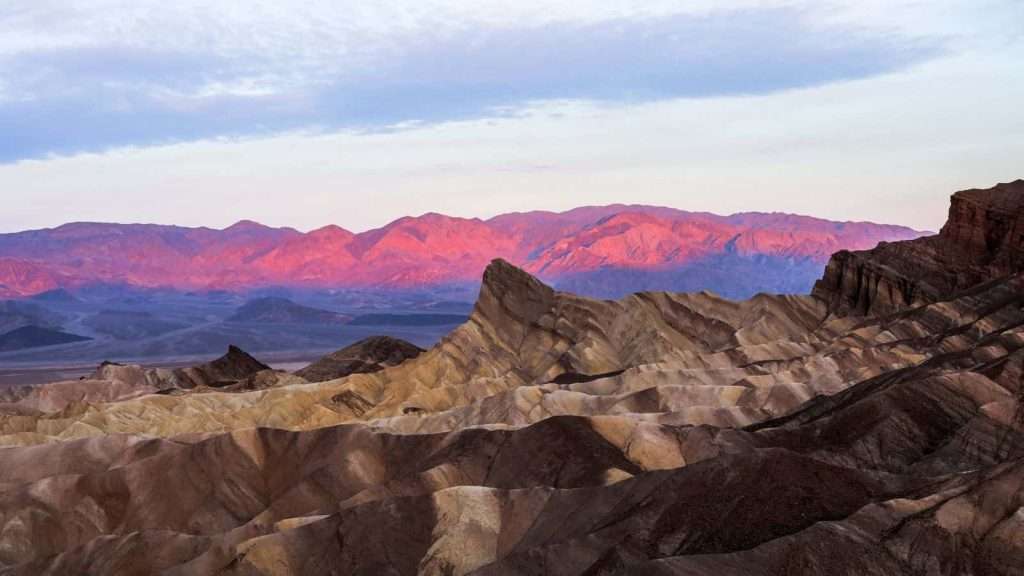
Death Valley is known for extreme landscapes, but its nighttime environment is equally extraordinary. The park is recognized as a Gold Tier Dark Sky area, and its isolation creates prime conditions for stargazing. Travelers often gather near Mesquite Flat Sand Dunes or Badwater Basin, where the sky expands overhead with remarkable brightness. Even casual observers can see planets, constellations, and faint nebulae without the need for specialized equipment.
Cherry Springs State Park, Pennsylvania

Cherry Springs is widely considered the best stargazing location in the eastern United States due to its dark-sky protections. Many astronomy enthusiasts travel from across the country to experience its clarity. At night, the park’s open field transforms into a gathering space for photographers and telescope users capturing deep-sky images. This rural Pennsylvania gem provides an exceptional natural retreat for anyone exploring U.S. travel destinations centered on night-sky beauty.
Sedona, Arizona
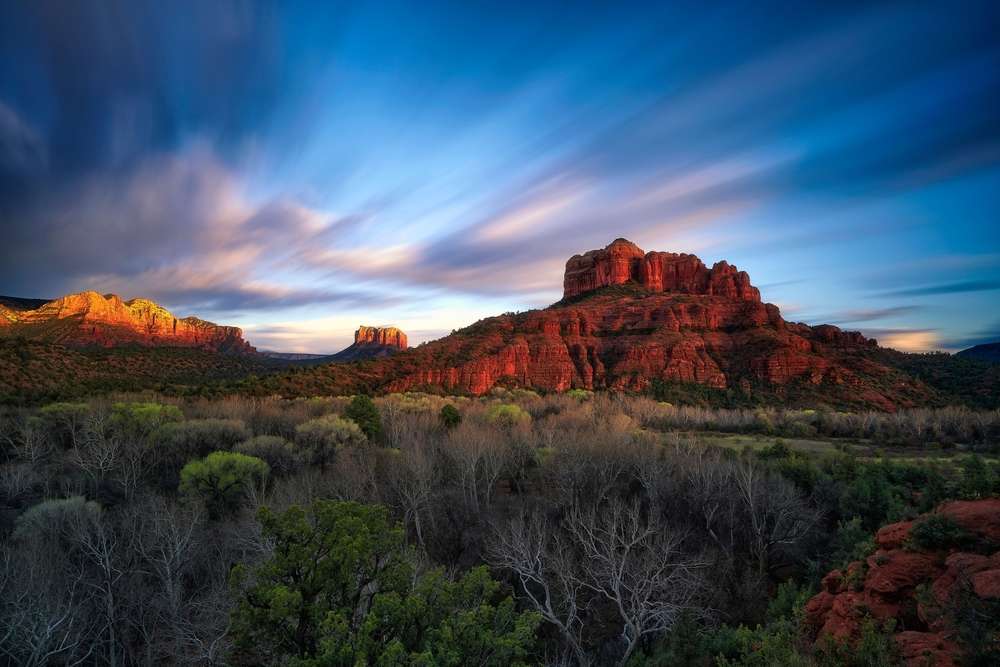
Sedona’s dramatic red rock formations set a stunning foreground for stargazing. Although it attracts many daytime visitors, its nighttime skies remain remarkably clear due to local lighting regulations. Stargazers enjoy watching constellations appear above rugged cliffs, creating a sense of cosmic scale. Whether joining night sky tours or finding a quiet overlook, Sedona offers peaceful evenings that encourage travelers to slow down and appreciate the universe.
Mauna Kea, Hawaii

Mauna Kea stands among the world’s most significant astronomy sites thanks to its high elevation and stable atmosphere. Visitors often drive to the visitor center at dusk, where the sky transitions from pink to deep blue before revealing an ocean of stars. Even at intermediate elevations, the clarity is breathtaking. Travelers exploring the Hawaiian Islands can experience one of the planet’s clearest views of the cosmos from this volcanic giant.
Glacier National Park, Montana
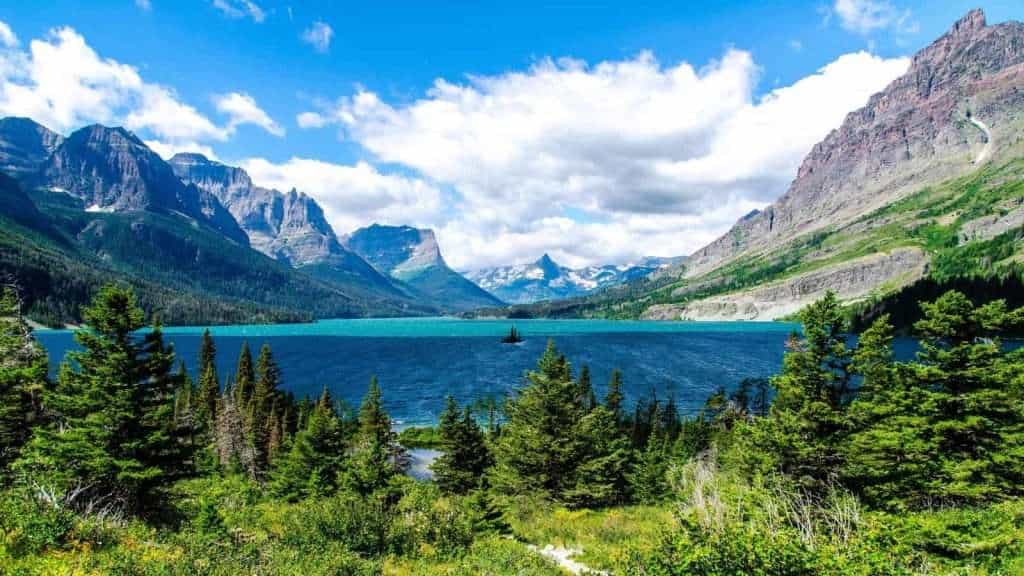
Glacier National Park’s wide valleys and alpine lakes create spectacular scenes when illuminated by the Milky Way. The combination of high elevation and minimal artificial lighting allows stars to shine boldly overhead. Popular stargazing locations include Lake McDonald, Logan Pass, and Many Glacier, where reflections often double the visual beauty. Travelers frequently remark that Glacier’s nighttime landscapes feel as powerful and peaceful as its daytime views.
Joshua Tree National Park, California

Joshua Tree’s desert plains and its namesake trees create striking silhouettes against star-filled skies. Camping areas fill with stargazers who appreciate the park’s isolation and clarity, especially during meteor showers. Nighttime here often reveals thousands of stars normally invisible near city environments. The peaceful desert atmosphere invites visitors to settle into a slower rhythm, highlighting the natural wonders that make U.S. travel so rewarding.
Acadia National Park, Maine
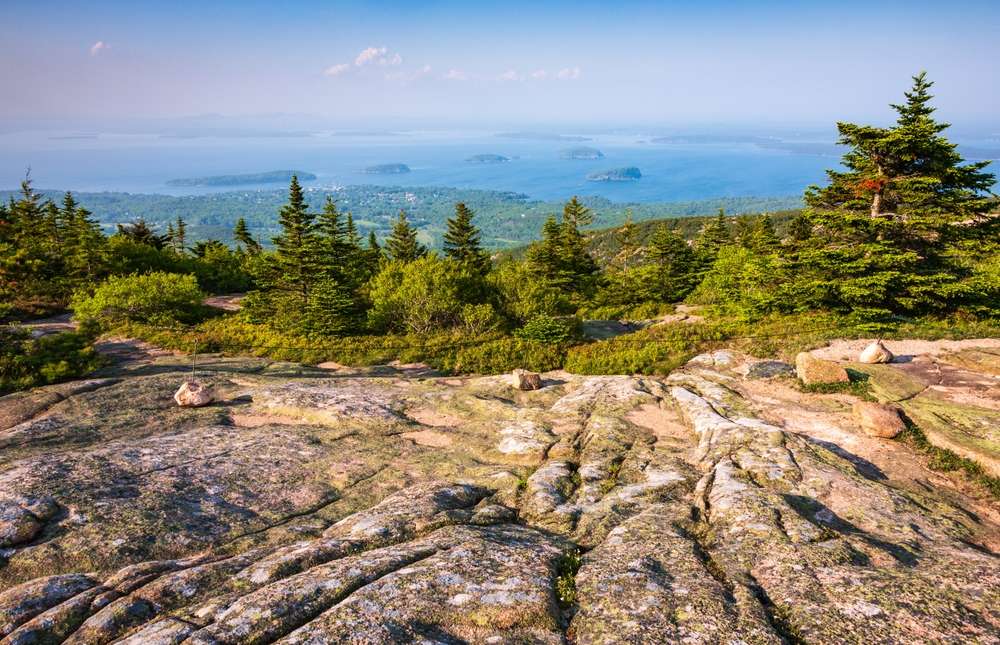
Acadia’s rocky coastlines and mountain peaks offer beautiful locations for observing the night sky. Cadillac Mountain, Sand Beach, and Jordan Pond become serene viewing points after dark. In late summer, the Acadia Night Sky Festival draws visitors from across the country who cherish astronomy and coastal landscapes. The contrast between Maine’s quiet shores and the sparkling heavens above creates unforgettable nighttime experiences.
Bryce Canyon National Park, Utah
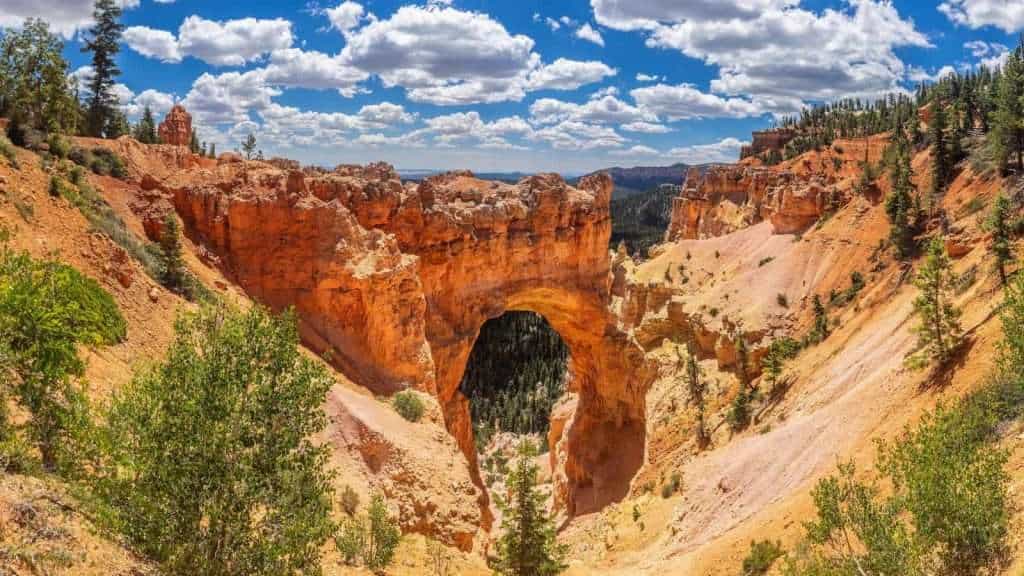
Bryce Canyon is famous for its hoodoos, but its skies are equally impressive. Clear desert air and high elevation provide exceptional visibility for stargazers. At night, the amphitheaters glow faintly under starlight, creating surreal landscapes that photographers adore. Visitors commonly attend astronomy programs that introduce constellations and explain celestial movement, making Bryce a perfect stop for both beginners and experienced sky watchers.
Rocky Mountain National Park, Colorado
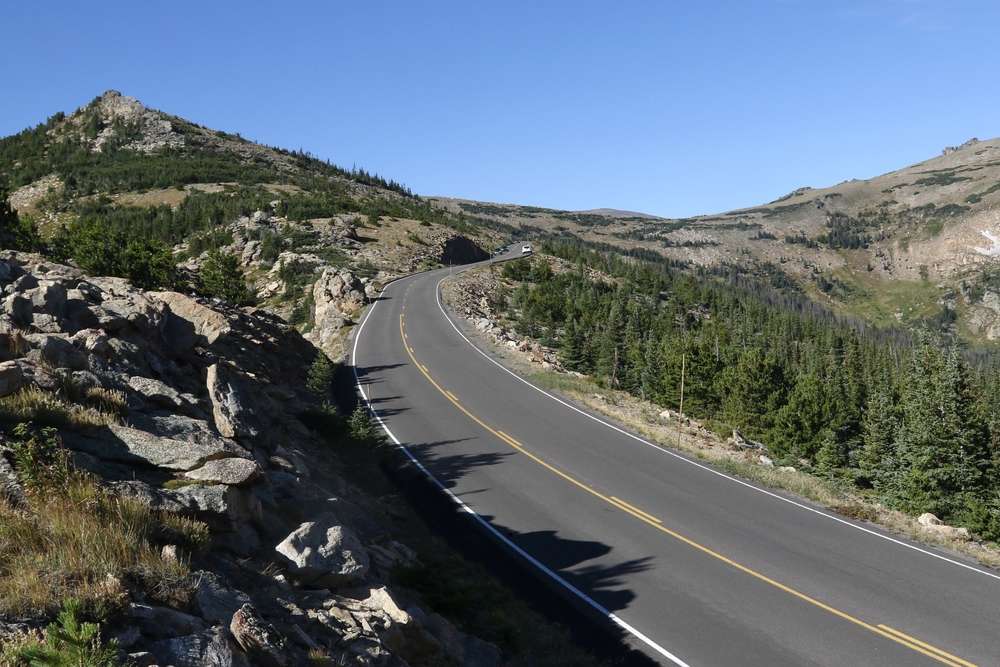
With elevations exceeding 7,000 feet, Rocky Mountain National Park offers crisp, clear air ideal for viewing distant galaxies and meteor showers. On moonless nights, the Milky Way arcs across the sky above rugged peaks and alpine lakes. Many travelers choose Trail Ridge Road overlooks to admire the night sky in peaceful solitude. For those seeking high-altitude stargazing during U.S. travel routes, this Colorado gem delivers extraordinary views.
Grand Canyon-Parashant National Monument, Arizona

This remote area near the Grand Canyon provides some of the darkest skies in the Southwest due to its limited access and lack of commercial development. Travelers who venture here are rewarded with star fields that seem endless. The Milky Way is often bright enough to cast faint shadows on the ground. With its vast plateaus and quiet wilderness, the monument demonstrates why remote regions remain astronomy treasures.
Isle Royale National Park, Michigan
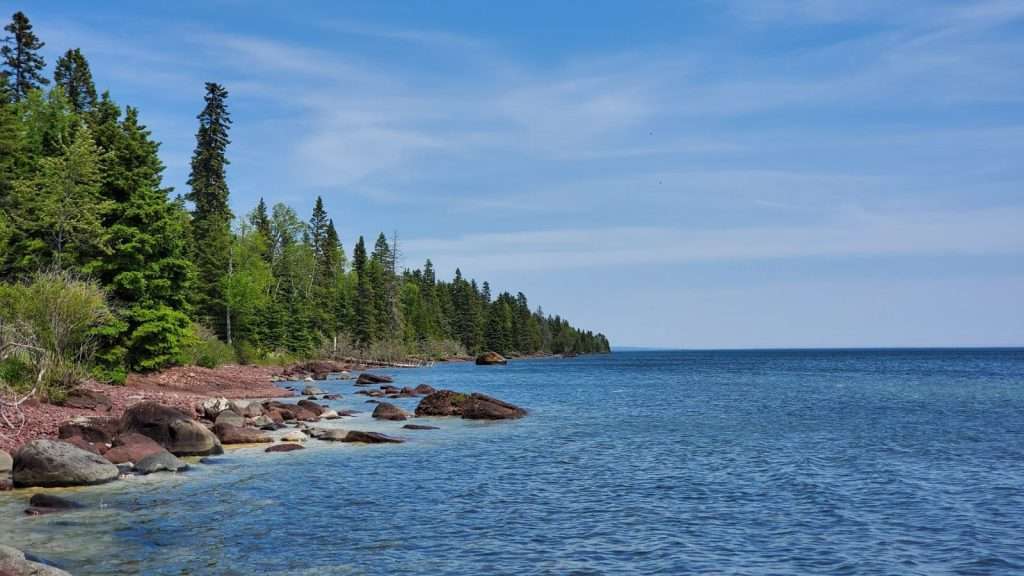
Surrounded by Lake Superior, Isle Royale’s isolation creates natural barriers from mainland light pollution. Nights here feel timeless as the sky fills with shimmering stars reflected off still waters. Backpackers and campers often take breaks from hiking to watch constellations appear above dense forests. This remote island appeals to travelers who value wilderness and slow, thoughtful exploration.
Chaco Culture National Historical Park, New Mexico

Chaco Canyon holds both archaeological significance and exceptional dark skies. Ancient structures align with celestial events, making nighttime viewing meaningful for both astronomy and history enthusiasts. Visitors often attend night sky programs that highlight the connection between ancient cultures and cosmic observation. Under its deep black skies, Chaco Canyon offers a rare combination of cultural insight and astronomical clarity.
Capitol Reef National Park, Utah

Capitol Reef’s sandstone cliffs and desert valleys form remarkable foregrounds for stargazing. The park’s Gold Tier Dark Sky status ensures minimal interference from artificial light. At night, stars appear vivid and densely packed across the horizon. The combination of unique geology and pristine skies makes Capitol Reef a top choice for travelers seeking quiet places to appreciate natural beauty.
Great Sand Dunes National Park, Colorado
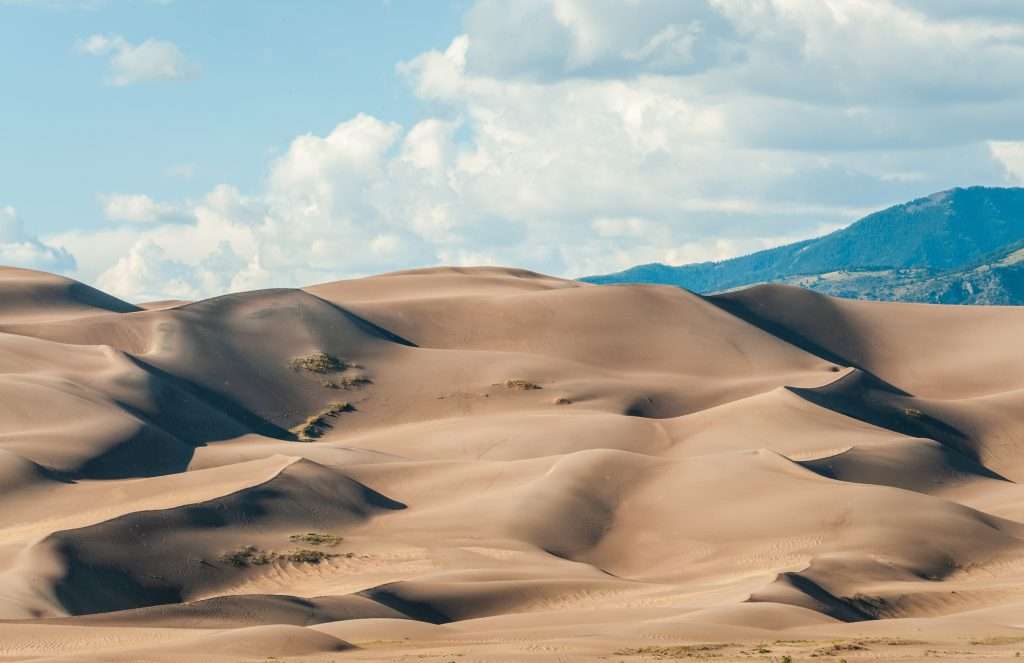
The tallest sand dunes in North America create dramatic scenery for nighttime sky viewing. With little surrounding development, the park provides excellent visibility for meteor showers, star clusters, and the Milky Way. Many visitors climb the dunes at sunset and remain to witness the celestial transformation. The expansive sand fields and crisp Colorado air make stargazing here a peaceful and memorable experience.
Big Cypress National Preserve, Florida

Big Cypress offers a rare dark-sky environment in the southeastern United States. Away from city lights, the preserve’s wetlands and forests allow stars to shine brightly above the landscape. Nighttime brings stillness broken only by natural sounds, enhancing the feeling of connection with the environment. The preserve is ideal for travelers seeking quiet wilderness views within Florida’s diverse ecosystems.
Canyonlands National Park, Utah
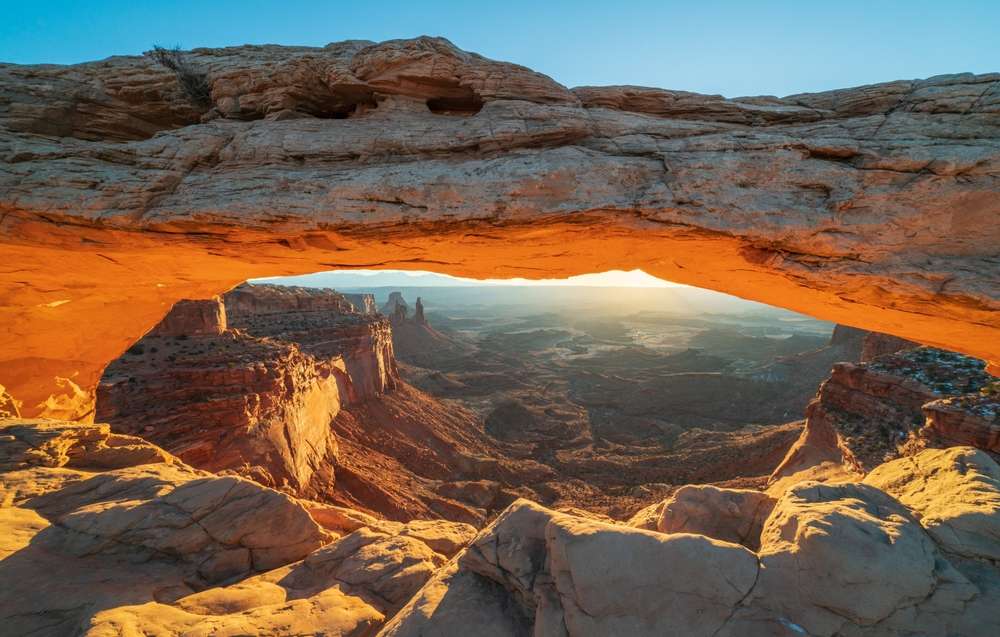
Canyonlands’ rugged canyons and open plateaus create magnificent views of both the land and the sky. As darkness falls, the park becomes one of the clearest night-sky environments in the country. Stargazers often set up at Island in the Sky or the Needles District to enjoy sweeping celestial panoramas. Its vastness encourages visitors to slow down and appreciate the immense scale of both earth and space.
Voyagers National Park, Minnesota

Voyagers National Park, known for its lakes and waterways, provides reflective surfaces that enhance stargazing. Boaters and paddlers often drift in calm waters while stars shine overhead with stunning clarity. The park’s northern location also makes it one of the best places in the U.S. to occasionally glimpse the aurora borealis. Its quiet, water-based environment sets the stage for serene nighttime adventures.
Antelope Island, Utah

Antelope Island sits within the Great Salt Lake and offers wide-open skies ideal for night viewing. The lake’s reflective surface enhances the brightness of stars and planets. Wildlife such as bison often roam quietly nearby, adding to the island’s peaceful atmosphere. For travelers exploring the American West, this location provides a unique blend of wildlife, solitude, and astronomical beauty.
Black Canyon of the Gunnison National Park, Colorado
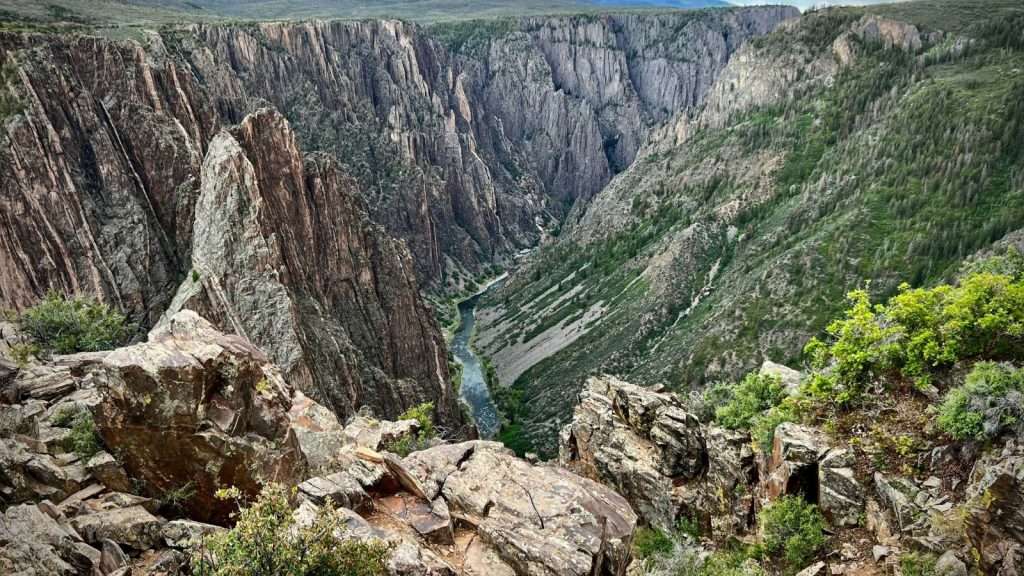
The steep, dark walls of the Black Canyon contribute to exceptionally deep night skies. With limited development nearby, the stars appear vivid and sharply defined. Visitors often gather at overlooks to admire constellations rising above the canyon’s shadowy depths. The quiet environment encourages slow, reflective experiences that make stargazing especially moving.
Yellowstone National Park, Wyoming

Although known for geothermal wonders, Yellowstone also offers wide, dark skies perfect for observing stars. Many areas are far from artificial light, allowing visitors to see meteor showers, constellations, and occasionally the northern lights. At night, steam vents glow faintly under starlight, creating surreal and beautiful scenes. Yellowstone remains a top U.S. travel destination where natural wonders continue long after sunset.

Deborah Montiero is a seasoned travel writer and contributor to Probe the Globe. With a passion for uncovering hidden gems and sharing immersive travel experiences, Deborah’s work highlights must-visit destinations, insider tips, and practical advice for travelers of all types. Whether exploring bustling cities or remote escapes, her articles are crafted to inspire and inform, making her a trusted voice in the travel community.
Her storytelling weaves together cultural insights, logistical tips, and authentic experiences, making her a valuable resource for readers seeking unforgettable journeys.
When not writing, Deborah is likely researching the latest travel trends or planning her next adventure. Follow her work on Probe the Globe for fresh perspectives and up-to-date travel inspiration.