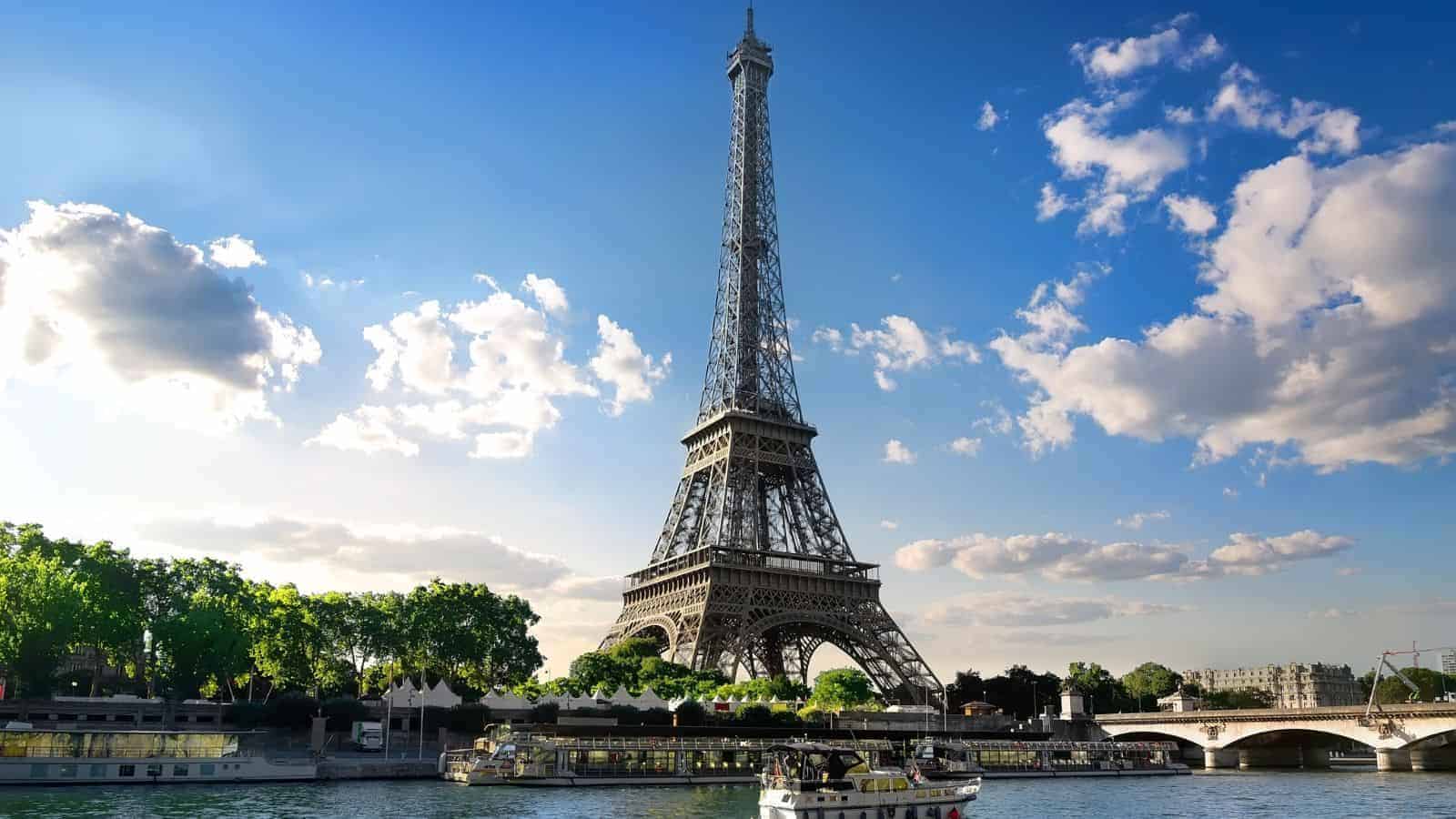
8 Places in Paris Beyond the Eiffel Tower you Must Visit
When people think of Paris, the iconic Eiffel Tower often comes to mind first. Tourist attractions like the Eiffel Tower and The Louvre art gallery undoubtedly attract millions of visitors every year, but there’s much more to the city of love. From secret gardens to hidden passageways, Paris is brimming with treasures that not many people know about. We take a look at eight surprising things about Paris that go far beyond the Eiffel Tower:
The Secret Village of Butte-aux-Cailles

Located in the 13th arrondissement, the Butte-aux-Cailles is a charming, village-like neighborhood that feels miles away from the bustling boulevards of central Paris. Cobblestone streets, low-rise buildings and hidden courtyards lend this area a distinct character, making it feel like you’ve stepped back in time. This is a haven for street art and you’ll often find colorful murals adorning the walls of residential houses and cafes. Unlike the more famous Montmartre, Butte-aux-Cailles remains relatively undiscovered by tourists. Wander the streets to discover Parisian bistros, tiny artisan shops and vintage houses. The neighborhood is also home to the Piscine de la Butte-aux-Cailles, a 1920s art deco public swimming pool fed by natural underground springs. This tranquil district offers a glimpse of Paris as it once was, quaint, artistic and intimate.
The Mysterious Catacombs Beneath Paris

Beneath the romantic city streets lies a much darker history, The Catacombs of Paris. These underground ossuaries hold the remains of more than six million people, dating back to the late 18th century when cemeteries became overcrowded and bodies were moved into these subterranean tunnels. Stretching for over 200 miles beneath the city, the catacombs are an eerie yet fascinating part of Paris’ past. Only a small portion is open to the public, but this labyrinth of tunnels provides a surreal contrast to the lively atmosphere above ground. The bones are neatly arranged in intricate patterns, creating a macabre but compelling experience that will make you rethink the city’s history.
The Hidden Passageways of Paris
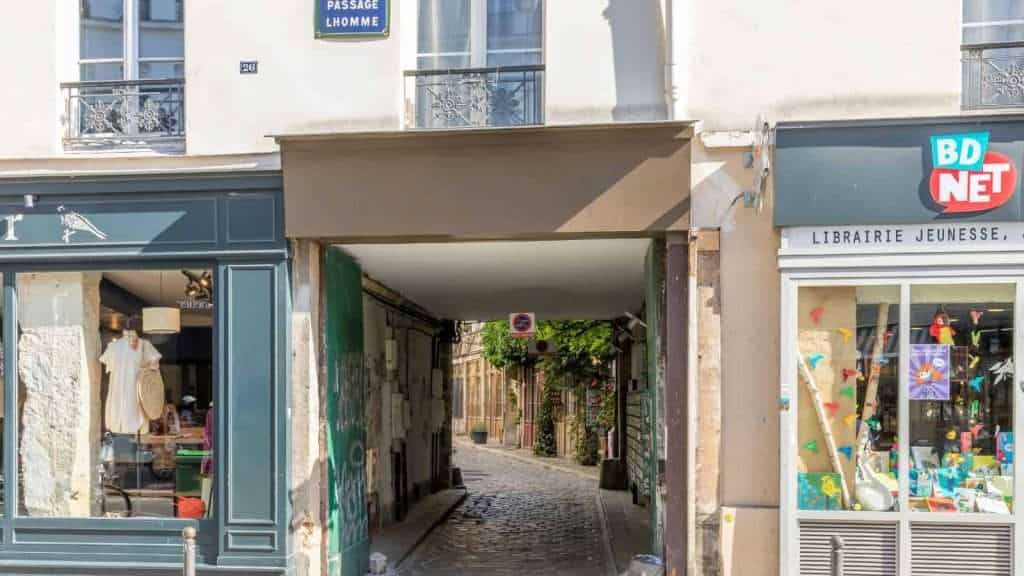
In the 19th century, before department stores existed, Paris was known for its covered passages or “passages couverts”. These elegant arcades were home to high-end boutiques, cafes and bookshops. Though many of these passageways have since disappeared, several remain intact and are worth exploring. Passage Jouffroy and Passage Verdeau, located in the 9th arrondissement near the Grands Boulevards, are two of the best-preserved examples. These arcades are covered with glass ceilings, allowing light to flood in as you stroll past quaint shops selling everything from rare books to vintage cameras. The passages are a delightful throwback to a bygone era, offering a peaceful escape from the crowded streets of Paris.
The Artistic Graveyard of Père Lachaise
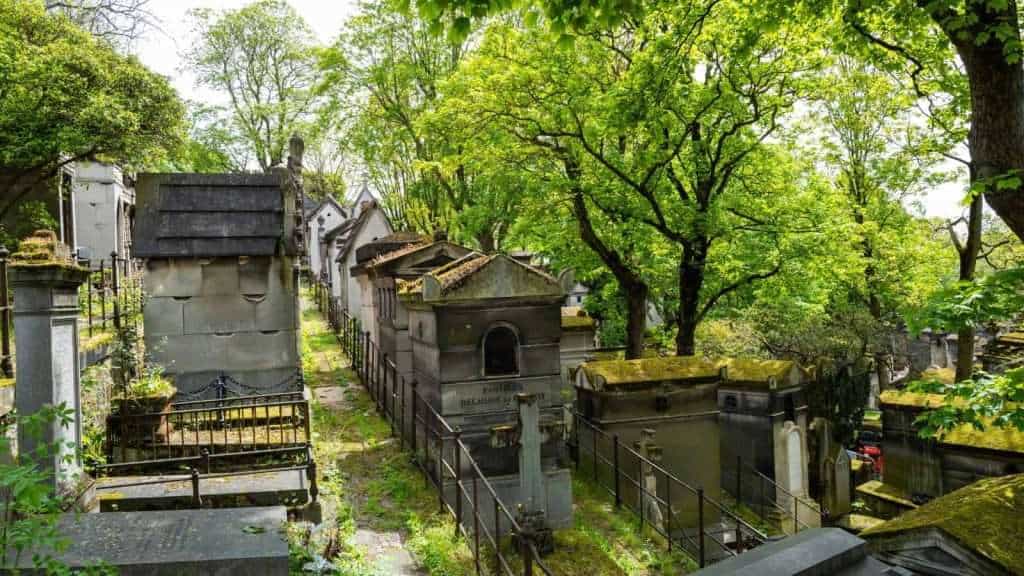
Most people wouldn’t think of visiting a cemetery while on vacation, but Père Lachaise Cemetery is not your average graveyard. Established in 1804, it is the largest cemetery in Paris and the final resting place of numerous famous figures. Visitors come to pay their respects at the graves of Oscar Wilde, Edith Piaf, Frédéric Chopin, and Jim Morrison, among others. The cemetery’s winding paths, towering trees and intricately designed tombs give it an almost park-like feel. Sculptures, crypts and memorials are scattered throughout and some are truly works of art.
The Vibrant Canal Saint-Martin
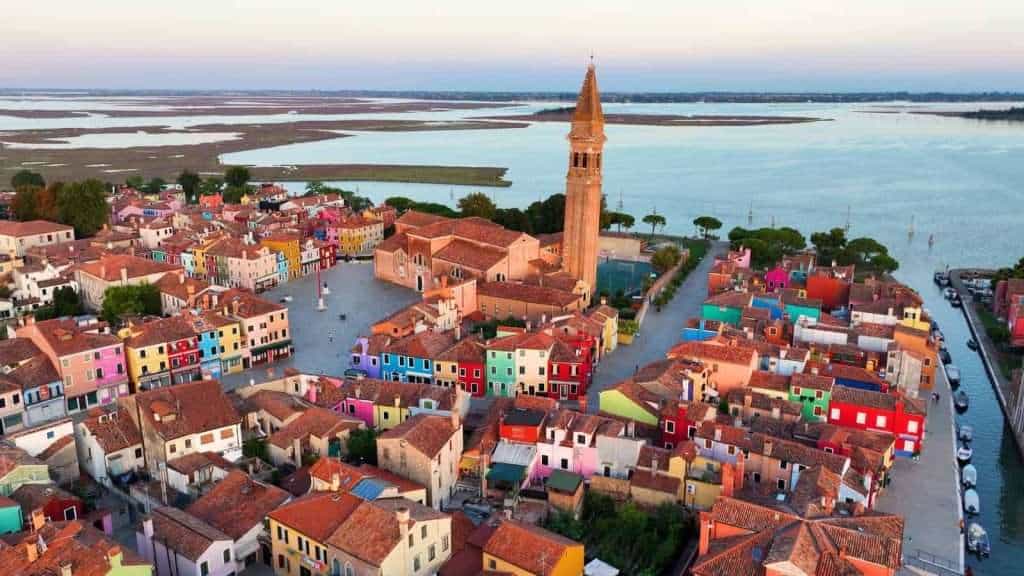
For a change of pace from the typical Seine River cruise, head to Canal Saint-Martin, a picturesque waterway in northeastern Paris. The canal stretches 4.5 kilometers and is lined with leafy trees, iron footbridges and quirky cafes. It’s a beloved spot for locals who come here to picnic along the banks, stroll by the water, or enjoy a quiet moment away from the tourist crowds. Built in the early 19th century under the orders of Napoleon I, Canal Saint-Martin was originally intended to bring fresh water into the city and facilitate the movement of goods. Today, it’s a hub for hip Parisians, dotted with boutiques and bohemian hangouts. Take a boat ride along the canal or simply walk along its banks to experience a lesser-seen, but incredibly charming, side of Paris.
The Little-Known Vineyard of Montmartre
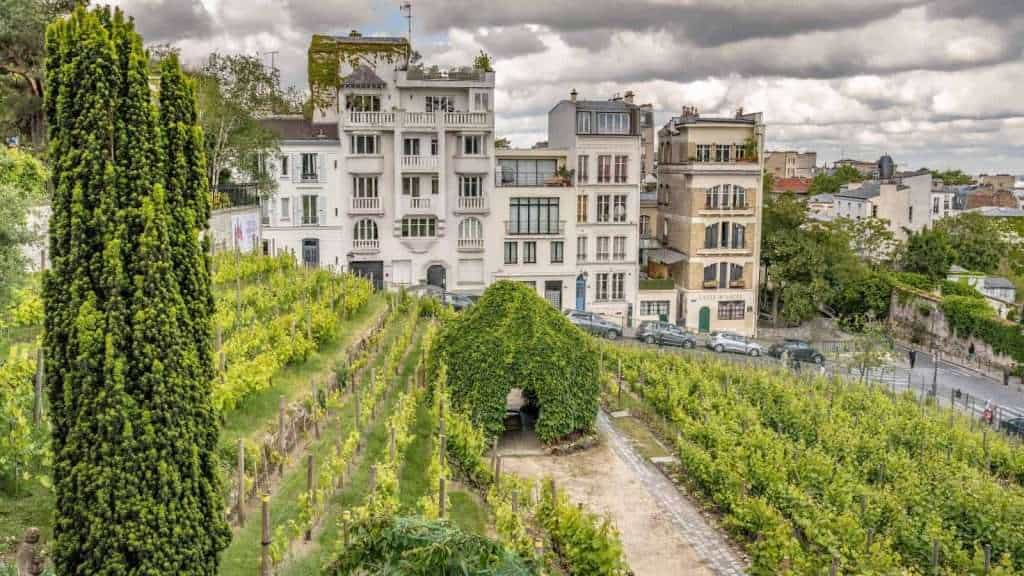
When people think of Montmartre, they often picture its artistic heritage, the Sacré-Cœur Basilica and the scenic views over Paris. But did you know that Montmartre is also home to a working vineyard? The Clos Montmartre vineyard, hidden behind the winding streets, has been producing wine since the 1930s. Though the wine produced here isn’t widely known for its quality, the vineyard itself is a delightful secret in a city famous for its culinary and wine culture. Every October, the Fête des Vendanges de Montmartre (Grape Harvest Festival) celebrates the vineyard’s annual harvest with food, wine tastings and music. It’s a lively, local event that offers a unique way to experience Montmartre.
The Stunning Sainte-Chapelle
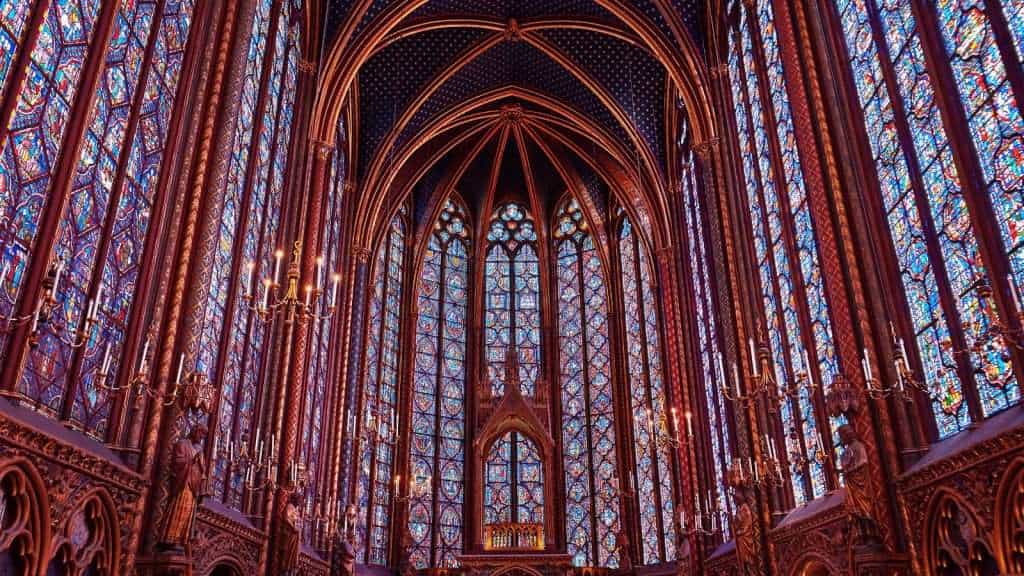
While the Notre-Dame Cathedral attracts millions of visitors each year, many overlook the nearby Sainte-Chapelle, a Gothic gem nestled within the medieval Palais de la Cité. Built in the 13th century by King Louis IX to house his collection of religious relics, Sainte-Chapelle is renowned for its stunning stained glass windows, which depict biblical scenes in vivid colors. The upper chapel, in particular, is a sight to behold, with walls seemingly made entirely of stained glass. This masterpiece of Gothic architecture is one of the finest examples of medieval art in Paris, yet it remains a hidden treasure for many tourists. If you’re seeking a quiet place for reflection, Sainte-Chapelle is a must-visit.
The Oldest House in Paris
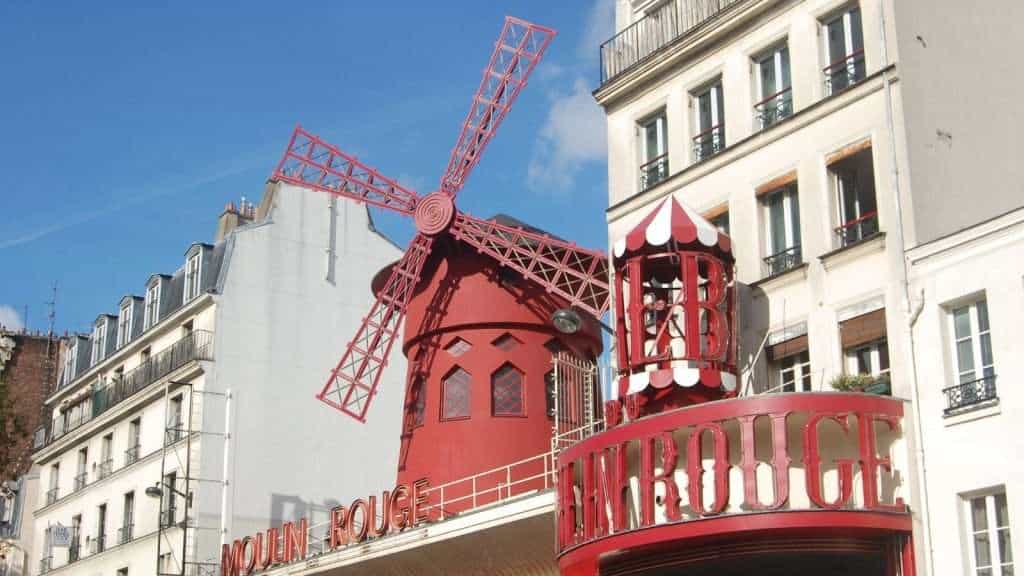
Tucked away in the Marais district, at 51 Rue de Montmorency, stands what is believed to be the oldest house in Paris. Built in 1407, this medieval building was once home to the famed alchemist Nicolas Flamel. Yes, the same Nicolas Flamel who is referenced in J.K. Rowling’s Harry Potter series. While the building has been restored and modernized over the years, it still retains its medieval charm. Today, it houses a restaurant, but the exterior remains a reminder of Paris’ rich history. The house offers a unique connection to the city’s past and is a great stop for history enthusiasts.

Deborah Montiero is a seasoned travel writer and contributor to Probe the Globe. With a passion for uncovering hidden gems and sharing immersive travel experiences, Deborah’s work highlights must-visit destinations, insider tips, and practical advice for travelers of all types. Whether exploring bustling cities or remote escapes, her articles are crafted to inspire and inform, making her a trusted voice in the travel community.
Her storytelling weaves together cultural insights, logistical tips, and authentic experiences, making her a valuable resource for readers seeking unforgettable journeys.
When not writing, Deborah is likely researching the latest travel trends or planning her next adventure. Follow her work on Probe the Globe for fresh perspectives and up-to-date travel inspiration.