26 Hidden Waterfalls Worth the Long, Annoying Drive
Long drives can test anyone’s patience, especially when the road gets rough and cell service disappears. But some destinations reward the effort with scenery so striking that the frustration fades instantly. Across the United States, hidden waterfalls wait at the end of gravel roads, forest detours, and slow mountain passes that most travelers skip. These unforgettable payoffs define 26 Hidden Waterfalls Worth the Long, Annoying Drive.
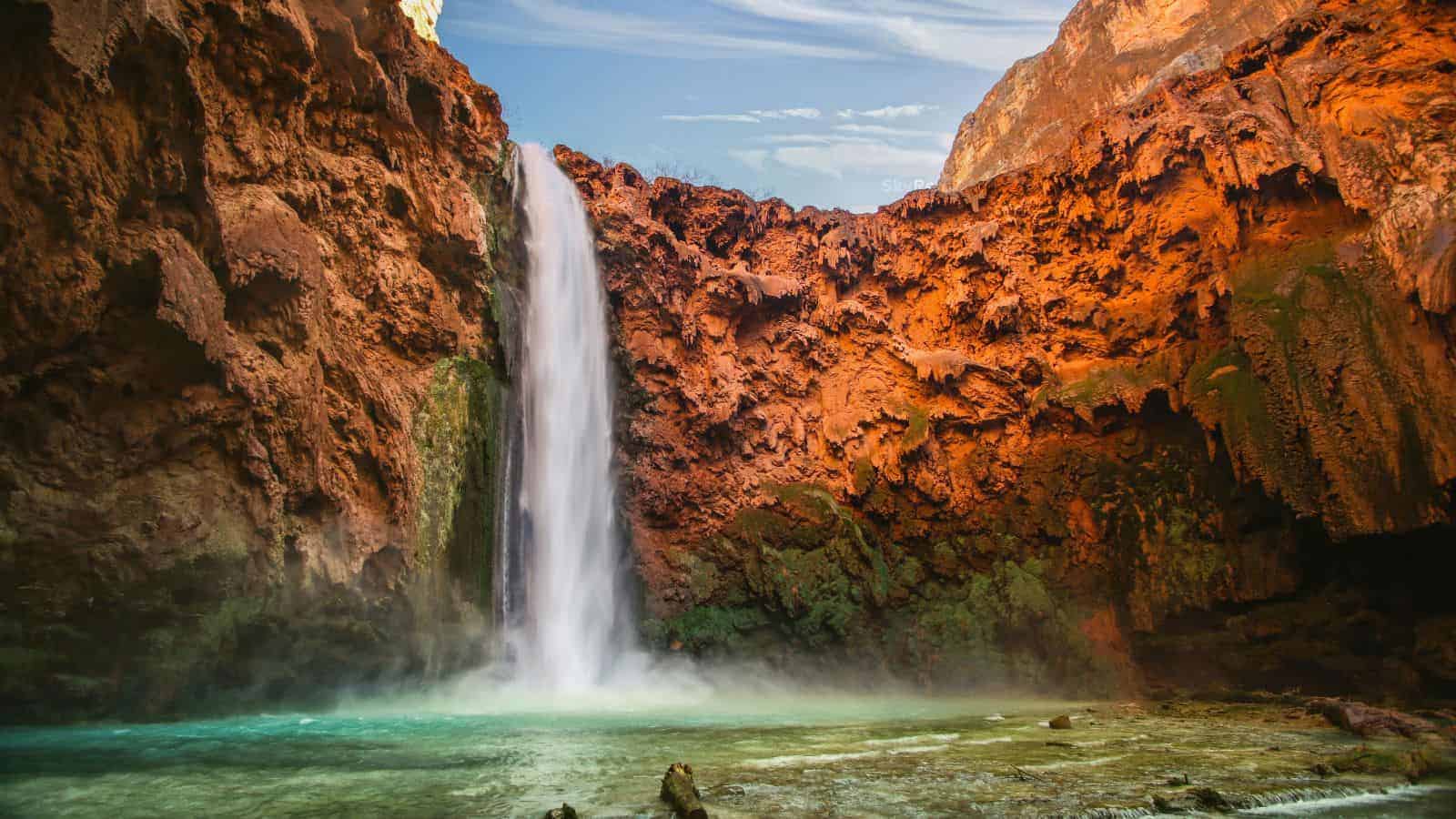
Havasu Falls
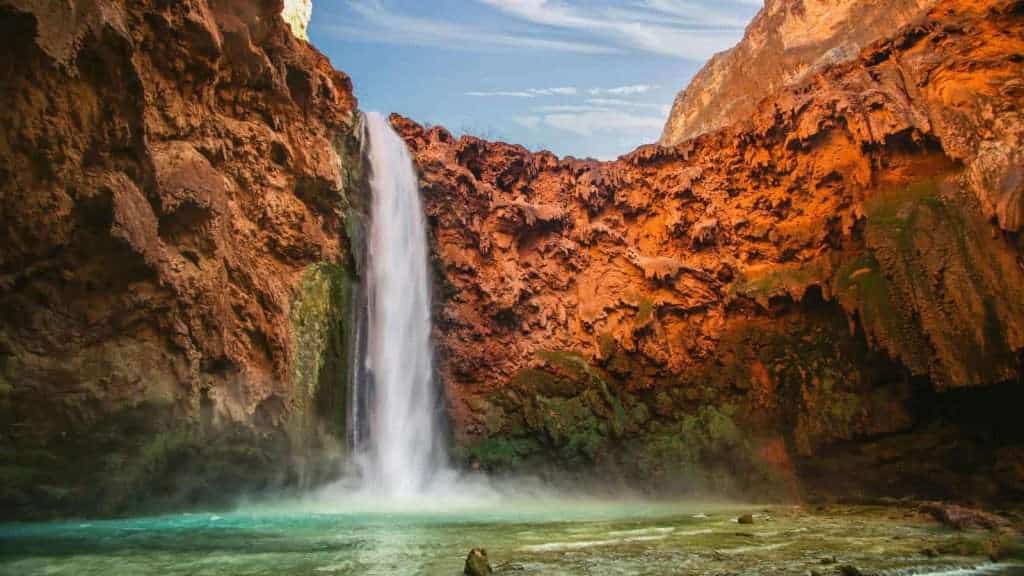
Havasu Falls demands commitment long before the water comes into view. Reaching it involves remote highways, a challenging hike, and advance planning that deters casual visitors. Once there, the turquoise water pouring over red rock cliffs feels almost unreal. The surrounding desert landscape makes the waterfall stand out even more, turning the journey into one of the most memorable U.S. travel experiences for those willing to endure the effort.
Ramona Falls

The drive to Ramona Falls includes winding forest roads and river crossings that can feel unnecessarily complicated. That difficulty keeps crowds thin and preserves the area’s quiet atmosphere. The waterfall itself cascades in delicate streams over moss-covered rock, creating a soft, layered effect unlike most powerful plunges. This hidden gem rewards travelers who value patience and scenic payoff in Pacific Northwest travel.
Fall Creek Falls

Fall Creek Falls sits deep within a state park that requires a long drive through rural Tennessee. The final approach feels deceptively ordinary until the landscape suddenly drops away. Water plunges dramatically into a wide gorge, offering one of the tallest waterfall views in the eastern United States. The drive may feel endless, but the scale of the falls justifies every mile for road-trip travelers.
Takakkaw Falls

Although just across the northern border, Takakkaw Falls often appears in U.S. travel itineraries due to its remoteness and dramatic payoff. The narrow mountain road leading to the parking area can be slow and stressful. Once outside the car, the thunderous drop and mist-filled air erase the memory of the drive. It’s a reminder that inconvenient access often protects the most striking landscapes.
Multnomah Falls

While Multnomah Falls is well known, reaching it at quieter times requires strategic driving and patience. Congested roads and limited parking can make the experience feel annoying. Those who push through are rewarded with a towering two-tier waterfall that dominates the gorge. It remains one of the most visually satisfying waterfall stops in U.S. travel, especially when crowds thin.
Kaaterskill Falls

The drive to Kaaterskill Falls involves narrow mountain roads and limited signage. Many travelers question their route until they finally arrive. The waterfall drops in two dramatic stages, framed by rugged cliffs that feel untouched by time. This Catskills classic proves that a frustrating drive often protects destinations that still feel wild and cinematic.
Silver Falls

Silver Falls State Park requires a longer detour than many Oregon travelers expect. The surrounding farmland and forest roads can feel repetitive. Once inside the park, multiple waterfalls appear along looping trails, creating an experience that far exceeds expectations. The effort pays off in variety, making this a standout waterfall destination for road-trip travelers.
Palisade Falls

The road into Hyalite Canyon is slow, narrow, and often weather-dependent. That inconvenience discourages many visitors. Palisade Falls, however, delivers a powerful cascade framed by steep canyon walls. In winter, it transforms into a massive ice formation. This waterfall rewards those willing to tolerate a challenging approach in Montana travel.
Bridal Veil Falls

Driving to Bridal Veil Falls involves steep mountain roads that test nerves and vehicles alike. The final stretch feels especially demanding. At the end, the tallest free-falling waterfall in Colorado pours dramatically from high cliffs. The combination of rugged access and alpine scenery makes this one of the most satisfying waterfall drives in the Rockies.
Burney Falls

Burney Falls sits far from major highways, requiring a long drive through Northern California. The surrounding area feels isolated, which adds to the sense of discovery. Water seeps through volcanic rock and spills into a vivid blue pool below. The unique flow pattern makes this waterfall unforgettable for travelers exploring lesser-known California destinations.
Shoshone Falls
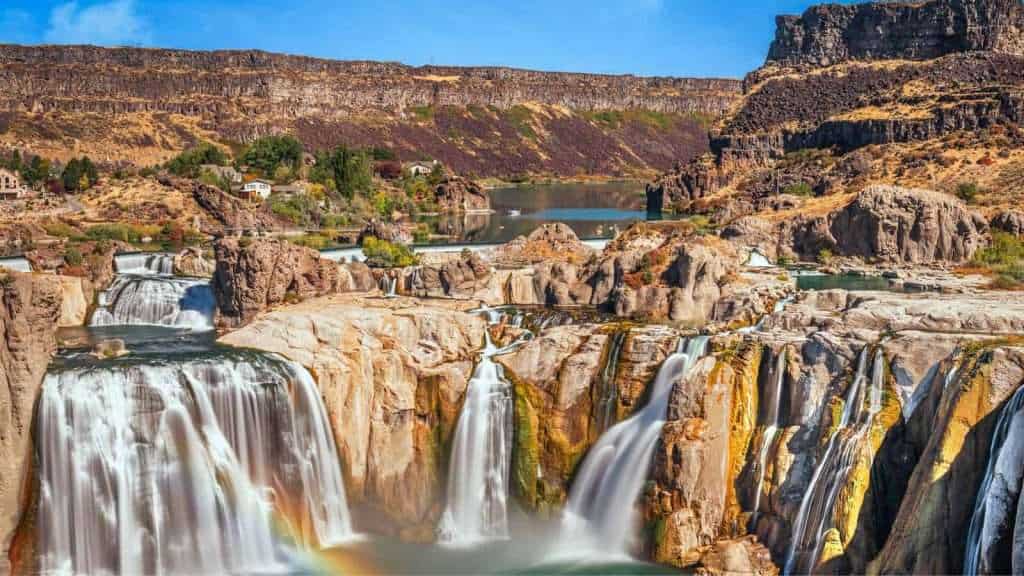
Often called the “Niagara of the West,” Shoshone Falls requires a significant detour across southern Idaho. The drive feels long and sparse, with little scenery along the way. Suddenly, the Snake River plunges over a massive cliff. The sheer size of the falls makes the drive worthwhile for anyone interested in dramatic U.S. travel landscapes.
Wallaman Falls

Although outside the U.S., Wallaman Falls is frequently included in international road-trip comparisons. Its remote access mirrors many hidden American waterfalls. Long drives and limited infrastructure keep crowds away. The experience reinforces why travelers are often willing to endure inconvenient routes for exceptional natural beauty.
Amicalola Falls

Reaching Amicalola Falls requires navigating winding mountain roads that feel longer than expected. The payoff is a dramatic, multi-tiered waterfall cascading down steep rock faces. Its height makes it one of the tallest east of the Mississippi. This destination exemplifies why difficult drives remain part of classic U.S. travel experiences.
Lower Calf Creek Falls

The road to Lower Calf Creek Falls crosses remote desert highways that test patience. The hike adds another layer of effort. At the end, a tall waterfall pours into a clear pool surrounded by canyon walls. The contrast between desert heat and cool water makes the journey especially rewarding for Southwest travelers.
Grotto Falls

Grotto Falls requires navigating narrow mountain roads that feel overly crowded during peak seasons. Persistence pays off with a waterfall that hikers can walk behind. The surrounding forest amplifies the sound of rushing water. It’s a standout experience in Appalachian travel for those willing to handle the drive.
Kent Falls

The Litchfield Hills aren’t known for dramatic terrain, making the long drive feel questionable at first. Kent Falls surprises visitors with multiple cascades dropping through forested slopes and stone stairways. The sound of rushing water grows louder as you climb, creating a sense of anticipation. The scenic payoff redefines expectations of New England travel and proves hidden waterfalls exist even in understated regions.
Cumberland Falls
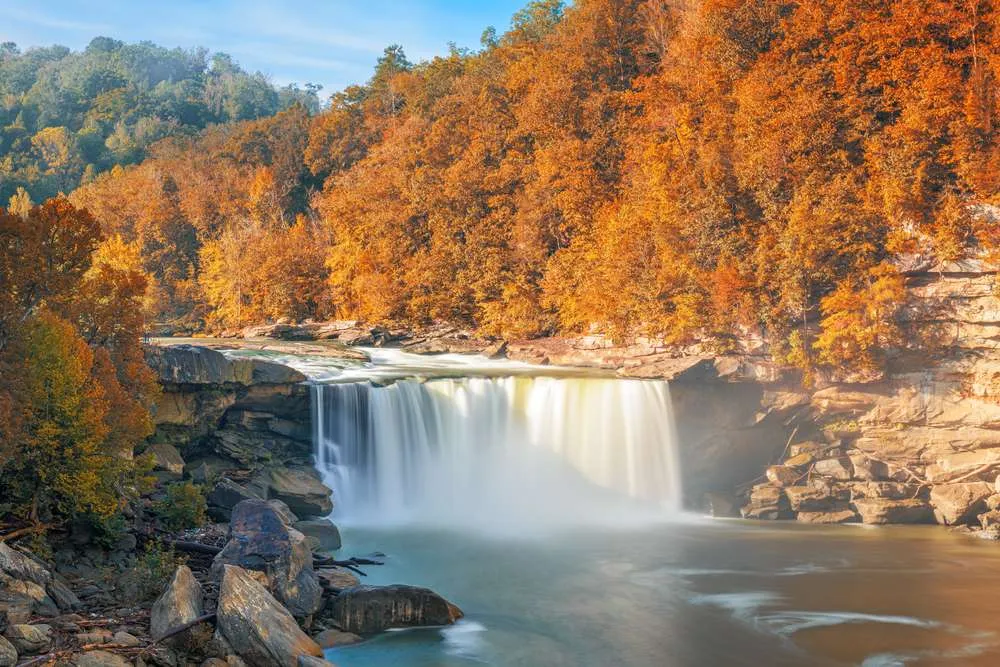
The drive to Cumberland Falls winds through rural Kentucky, with limited services along the way. The waterfall itself is wide and powerful, especially after heavy rain. On clear nights, it produces a rare moonbow that draws travelers from across the country. This natural phenomenon makes the long drive one of the most unique waterfall experiences in the U.S. travel landscape.
Rainbow Falls

The road to Devils Postpile is seasonal and often delayed by shuttle requirements that test patience. The inconvenience deters many visitors who turn back early. Rainbow Falls rewards persistence with mist-filled air and vibrant color arcs when sunlight hits just right. It’s a high-elevation highlight for travelers exploring California’s less accessible landscapes.
Hanging Lake Falls

The drive to Glenwood Canyon can be congested and stressful, especially during summer months. The steep hike adds another layer of effort before reaching the falls. Hanging Lake Falls cascades into crystal-clear pools that feel almost unreal in color and clarity. Strict regulations protect the site, making the challenging journey part of preserving its beauty for future U.S. travel.
Tahquamenon Falls

The Upper Peninsula requires commitment from nearly any starting point, often involving hours of uninterrupted driving. Tahquamenon Falls rewards that effort with massive amber-colored water flowing through dense forest. The sheer width and volume of the falls create a powerful presence. Its size and isolation make it one of the most impressive waterfall destinations in Midwest travel.
Minnehaha Falls

Driving through Minneapolis traffic to reach Minnehaha Falls can feel more irritating than remote backroads. The waterfall itself provides a calm contrast to the surrounding urban environment. Limestone cliffs frame the cascade, adding unexpected drama. It’s a reminder that even city-adjacent waterfalls can feel like a reward after persistence.
Akaka Falls

Reaching Akaka Falls involves narrow island roads, frequent rain, and limited visibility. The effort leads to a dramatic drop framed by dense tropical greenery. The constant moisture keeps the surrounding forest vibrant year-round. This waterfall remains a highlight for travelers exploring remote corners of U.S. island destinations.
Dry Falls

The mountain roads to Dry Falls twist through steep terrain and unpredictable weather conditions. The waterfall allows visitors to walk behind the cascade without getting fully soaked. The experience feels immersive as water echoes off the rock walls. It’s a satisfying payoff for those navigating Appalachian backroads.
Upper Mesa Falls

Long rural drives define the route to Upper Mesa Falls, with few signs along the way. The waterfall delivers powerful views over volcanic rock formations carved by ancient lava flows. Mist rises from the base, adding scale to the scene. It’s a standout for travelers seeking overlooked Idaho destinations.
Secret Falls

The route to Secret Falls involves confusing dirt roads and limited signage that discourages casual visitors. The waterfall’s secluded setting and layered cascades make the effort worthwhile. Surrounding granite formations add texture and depth to the scene. It remains a favorite among determined Tahoe travelers.
Latourell Falls

Traffic and narrow parking areas make reaching Latourell Falls frustrating during busy hours. The waterfall plunges straight down basalt cliffs, delivering dramatic vertical contrast. Moss-covered rock walls amplify the sense of height and movement. It’s a reminder that patience often leads to unforgettable U.S. travel moments.

Deborah Montiero is a seasoned travel writer and contributor to Probe the Globe. With a passion for uncovering hidden gems and sharing immersive travel experiences, Deborah’s work highlights must-visit destinations, insider tips, and practical advice for travelers of all types. Whether exploring bustling cities or remote escapes, her articles are crafted to inspire and inform, making her a trusted voice in the travel community.
Her storytelling weaves together cultural insights, logistical tips, and authentic experiences, making her a valuable resource for readers seeking unforgettable journeys.
When not writing, Deborah is likely researching the latest travel trends or planning her next adventure. Follow her work on Probe the Globe for fresh perspectives and up-to-date travel inspiration.