19 Hauntingly Beautiful Ghost Towns Across America
There’s something spellbinding about places where time seems to have stopped. The remnants of forgotten streets, silent saloons, and weathered homes tell stories of ambition, tragedy, and resilience. These abandoned communities whisper echoes of America’s past — from the gold rush era to frontier rail towns that once thrived with life. Step into another world with these 19 hauntingly beautiful ghost towns across America that continue to captivate travelers seeking history and mystery.
Bodie, California
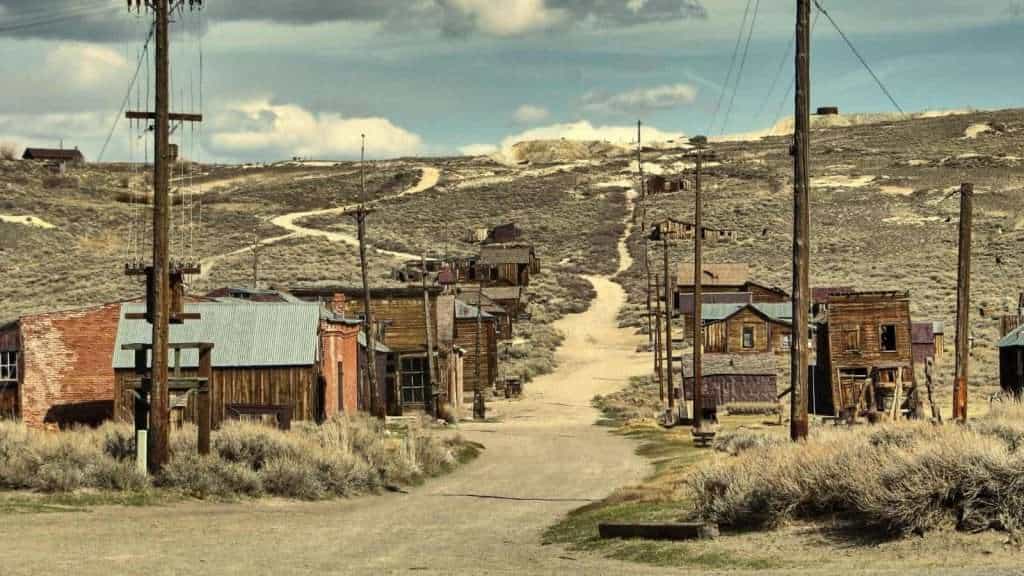
Bodie stands frozen in time high in the Sierra Nevada, one of the most famous ghost towns in U.S. travel history. Once a booming gold-mining community with saloons, schools, and thousands of residents, it was abandoned after the mines dried up. Today, its weathered wooden buildings remain preserved in “arrested decay,” allowing visitors to peer through windows and imagine life during its golden age. The eerie silence of Bodie makes it a hauntingly unforgettable experience.
Rhyolite, Nevada
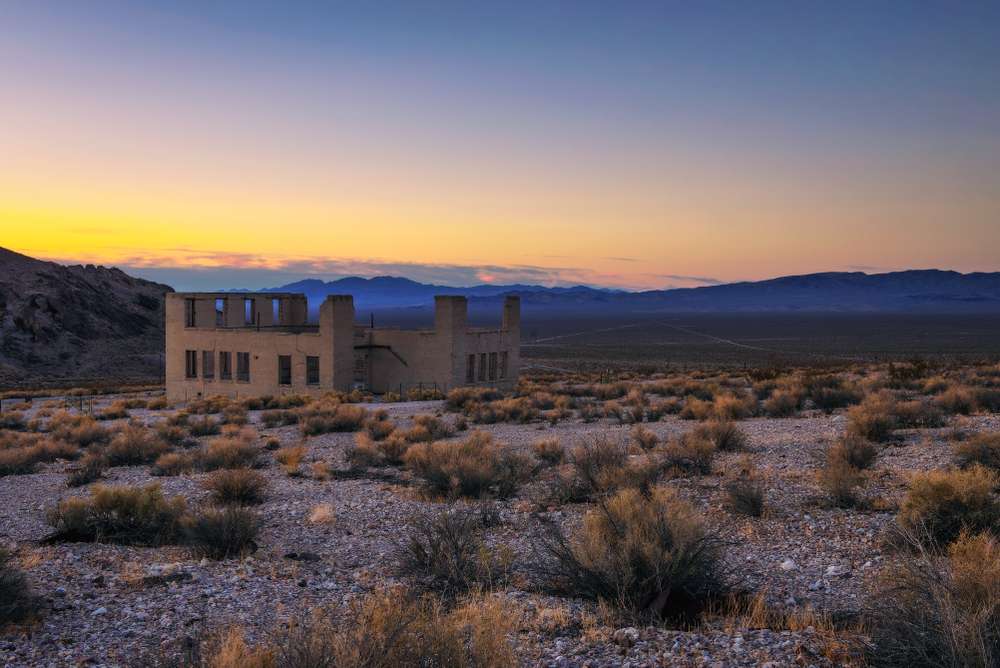
Rhyolite is a striking reminder of the Nevada desert’s short-lived mining booms. Founded in the early 1900s, it grew rapidly with brick buildings, a school, and even an opera house before collapsing almost overnight. Today, the remains of its stone structures, including the famous Bottle House, stand under vast blue skies. It’s a photographer’s dream and a must-see stop for those exploring ghost towns along classic U.S. travel routes through the Mojave.
St. Elmo, Colorado
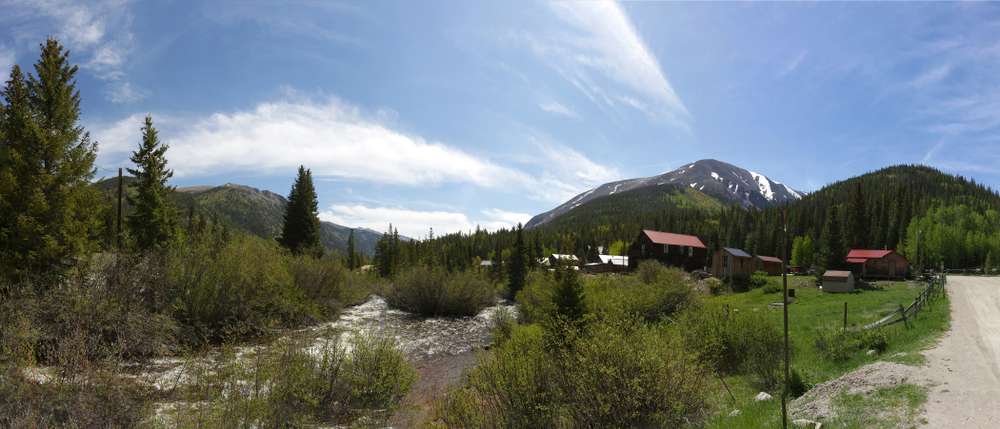
High in the Colorado Rockies, St. Elmo was once a thriving mining settlement filled with fortune seekers. When the mines closed in the 1920s, residents vanished, leaving behind a remarkably preserved townscape of storefronts and cabins. The crisp mountain air and surrounding pine forests add an eerie serenity to the setting. Modern travelers often describe St. Elmo as one of the most atmospheric ghost towns in America, where the past feels palpably alive.
Terlingua, Texas
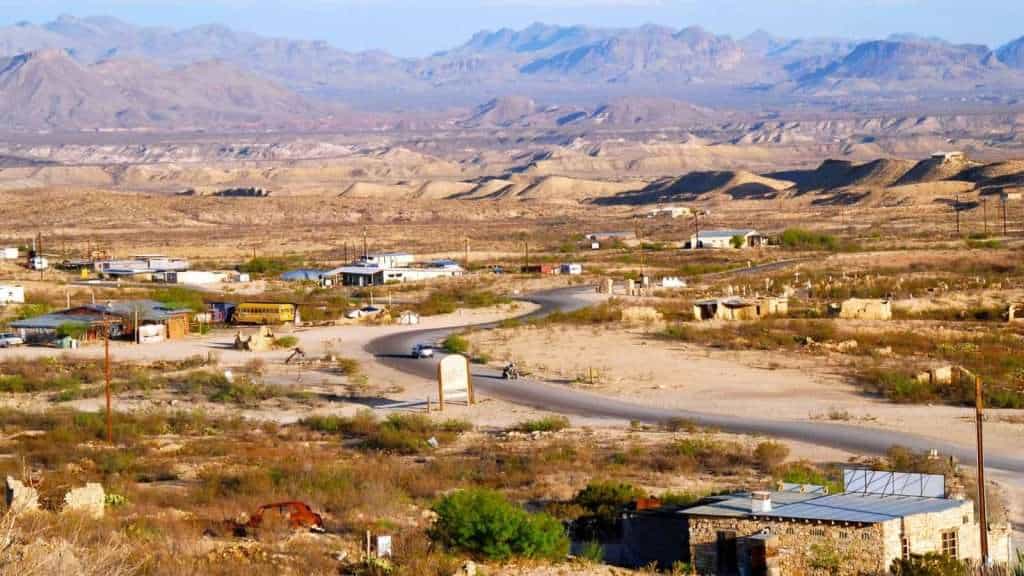
Terlingua tells the story of the wild frontier spirit of the American Southwest. Once a bustling mercury-mining town, it was abandoned after World War II but later revived by artists and adventurers. Crumbling ruins now share space with quirky cafes and desert art, creating an unforgettable contrast between decay and creativity. The rugged landscapes of Big Bend Country frame this ghostly town, making it a unique stop for U.S. travelers seeking offbeat destinations.
Garnet, Montana
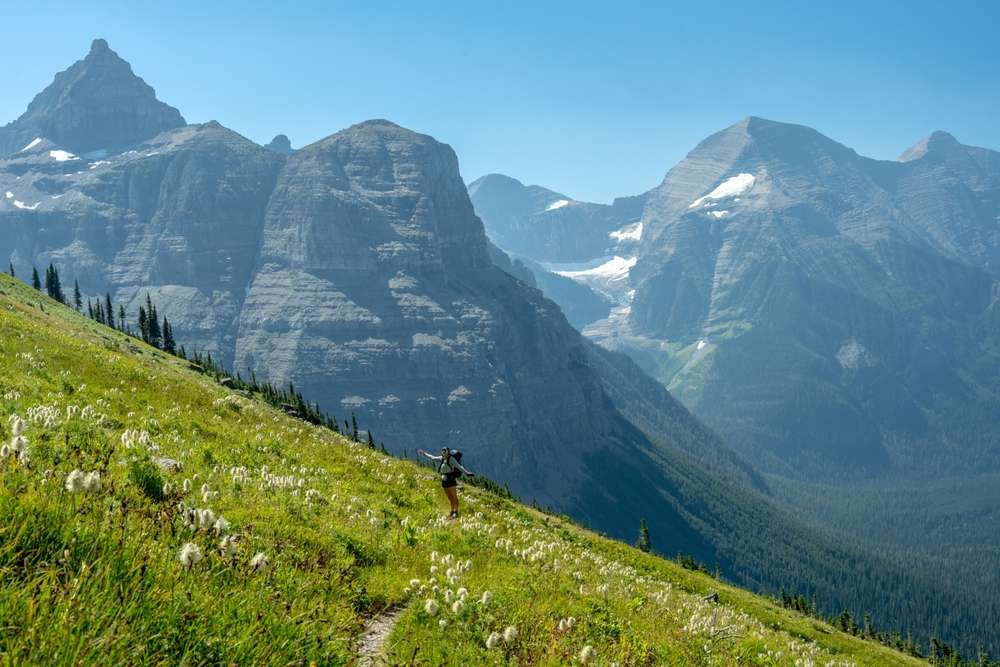
Hidden in the mountains of western Montana, Garnet is one of the best-preserved ghost towns in the country. Founded in the 1890s, it once bustled with gold miners and families who built homes, hotels, and saloons. When the gold ran out, people left — but the cold, dry climate kept the wooden buildings remarkably intact. Exploring Garnet feels like stepping through a portal into the Old West, complete with ghostly echoes of laughter and labor.
Kennecott, Alaska
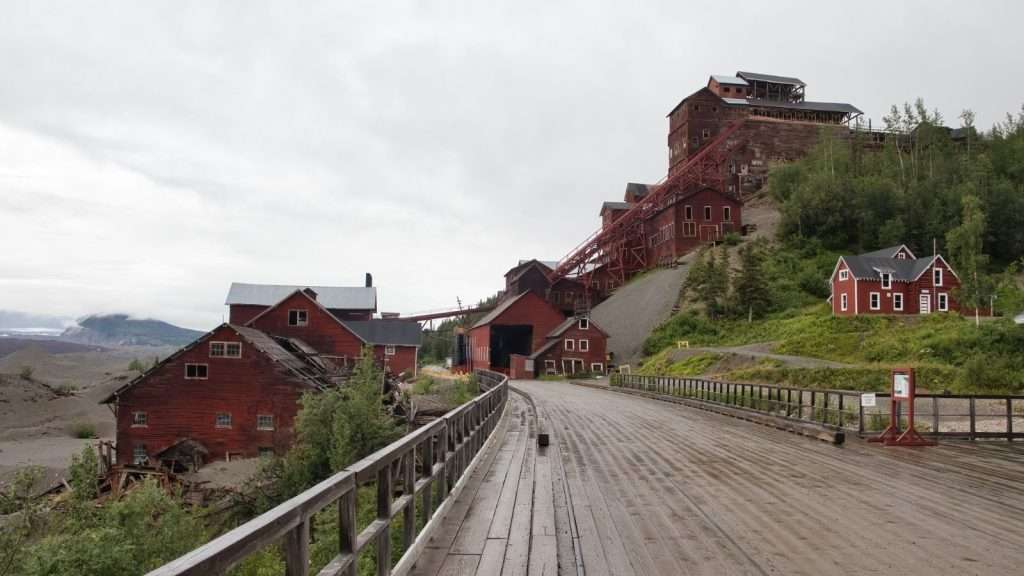
Kennecott is a monumental relic of America’s copper mining history. Located in the heart of Wrangell-St. Elias National Park, this ghost town features towering red mill structures and mountain vistas that seem to go on forever. Abandoned in the 1930s, Kennecott’s industrial remains tell a powerful story of human determination in one of the harshest environments imaginable. For adventurous travelers, it’s a haunting highlight of Alaskan exploration and U.S. travel at its most dramatic.
Bannack, Montana
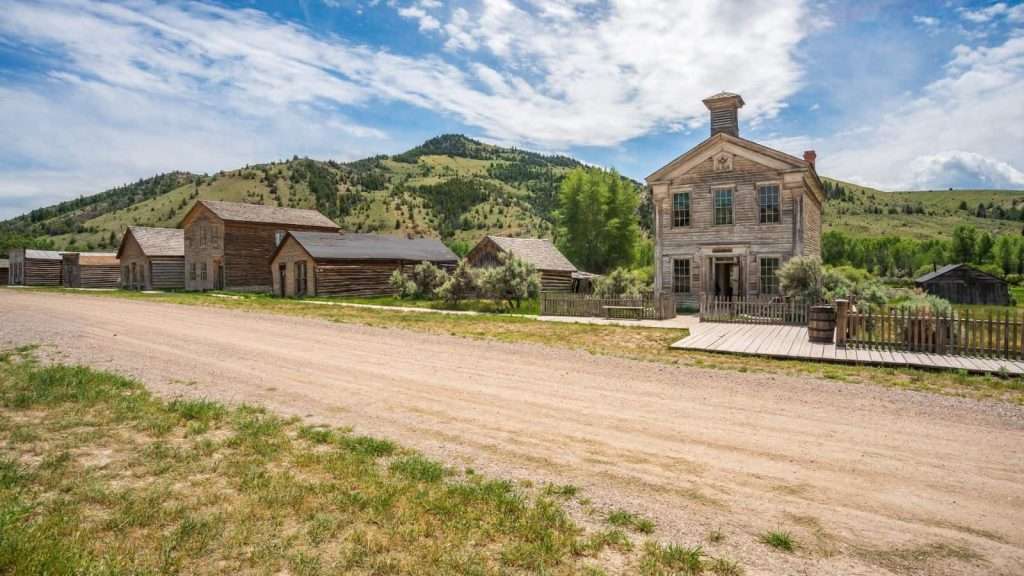
Bannack holds the honor of being Montana’s first territorial capital and a vital part of the state’s early gold rush. Its Main Street still stands, lined with log buildings, a schoolhouse, and the old hotel where travelers once gathered. Walking through its quiet streets today, you can feel the weight of history and the ghosts of the pioneers who once lived here. Bannack remains one of the most evocative destinations for lovers of American history.
Jerome, Arizona
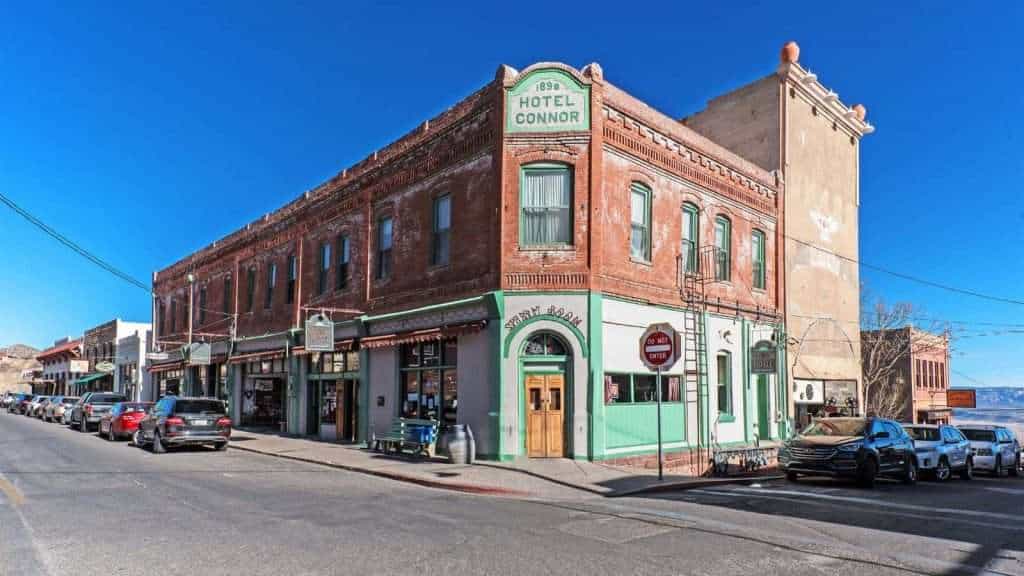
Once called the “Wickedest Town in the West,” Jerome was a thriving copper mining community perched on the steep slopes of Cleopatra Hill. After the mines closed, the population dwindled to almost nothing. Over the decades, artists and free spirits breathed new life into the abandoned buildings. Though partially revived, Jerome still retains its eerie allure, with creaky stairways, old hotels, and a ghostly charm that draws visitors exploring Arizona’s high desert.
Calico, California
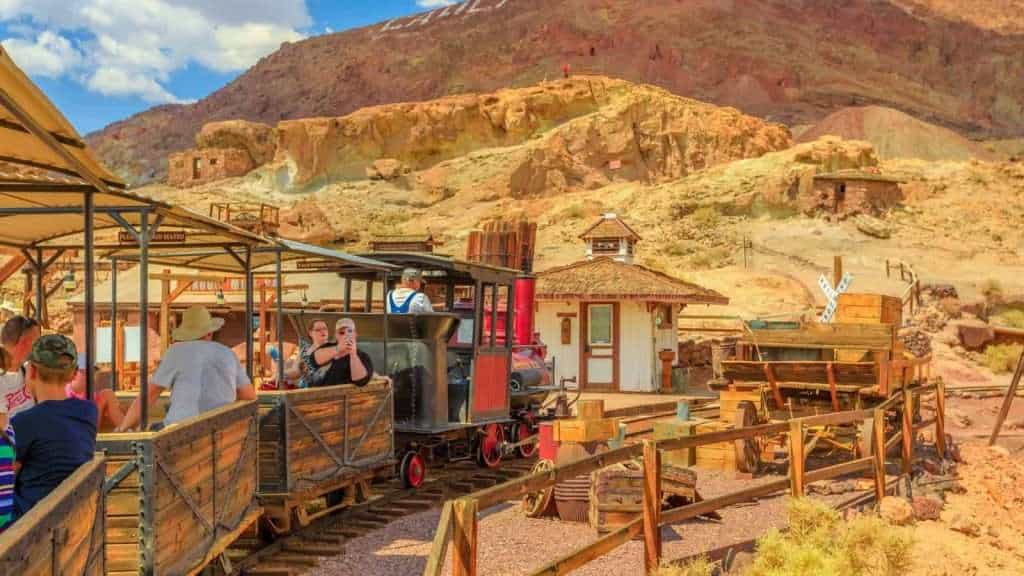
Calico was a silver-mining boomtown in the late 1800s and once boasted over 500 mines. When silver prices crashed, the population disappeared, leaving the town to the sands of the Mojave Desert. Restored in parts but maintaining its historic authenticity, Calico captures the rugged resilience of the Old West. It’s one of the most accessible ghost towns in California and a favorite stop for families exploring historic U.S. travel sites along Route 66.
Grafton, Utah
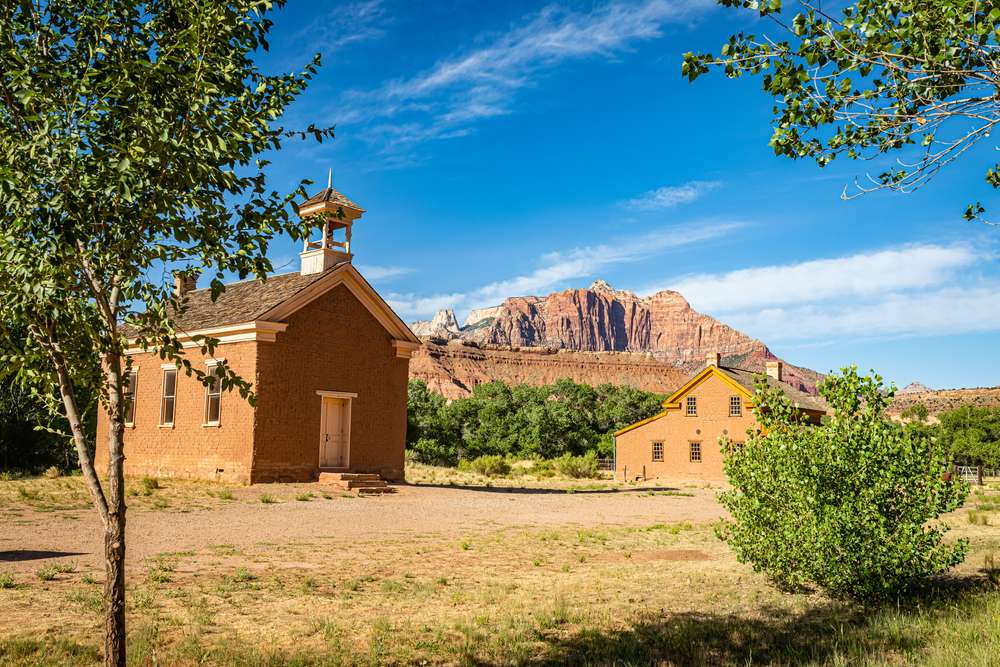
Surrounded by red cliffs and green pastures near Zion National Park, Grafton is one of the most photogenic ghost towns in the United States. Established by Mormon settlers in the 1850s, it was eventually abandoned due to flooding and isolation. Several restored buildings still stand, including a schoolhouse and cemetery. Its timeless beauty and cinematic scenery have made it a favorite among filmmakers and photographers traveling across the American Southwest.
Rhymer, Oregon (Golden Ghost Town)

Deep in Oregon’s dense forests lies Golden, a once-bustling mining settlement built around a Methodist church. The gold rush brought families here, but the population eventually faded when the mines closed. What remains are weathered cabins and the church that still stands proud amid towering pines. The quiet of the forest adds a haunting mood, making Golden one of Oregon’s most atmospheric stops for travelers exploring hidden corners of U.S. history.
Ruby, Arizona
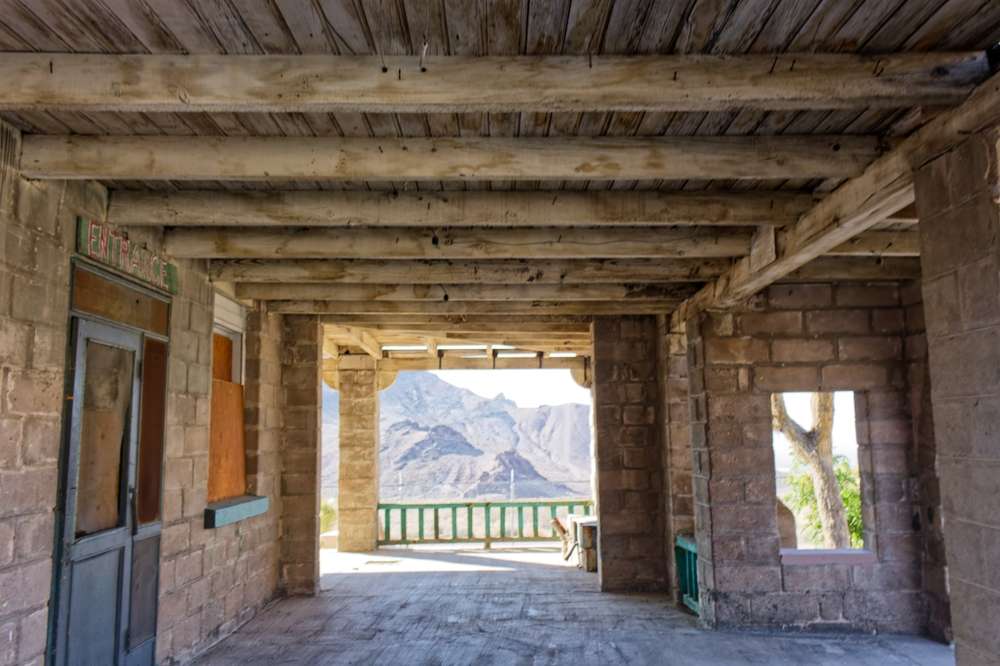
Ruby was once a thriving mining town near the Mexican border, complete with a school, jail, and hundreds of residents. After the mines shut down in the 1940s, the town fell silent, its adobe buildings slowly reclaimed by the desert. Today, Ruby stands as one of the best-preserved ghost towns in the Southwest, with rusted mining equipment and desert winds whispering through empty windows. It’s a haunting reminder of ambition and impermanence in U.S. travel lore.
Cahawba, Alabama
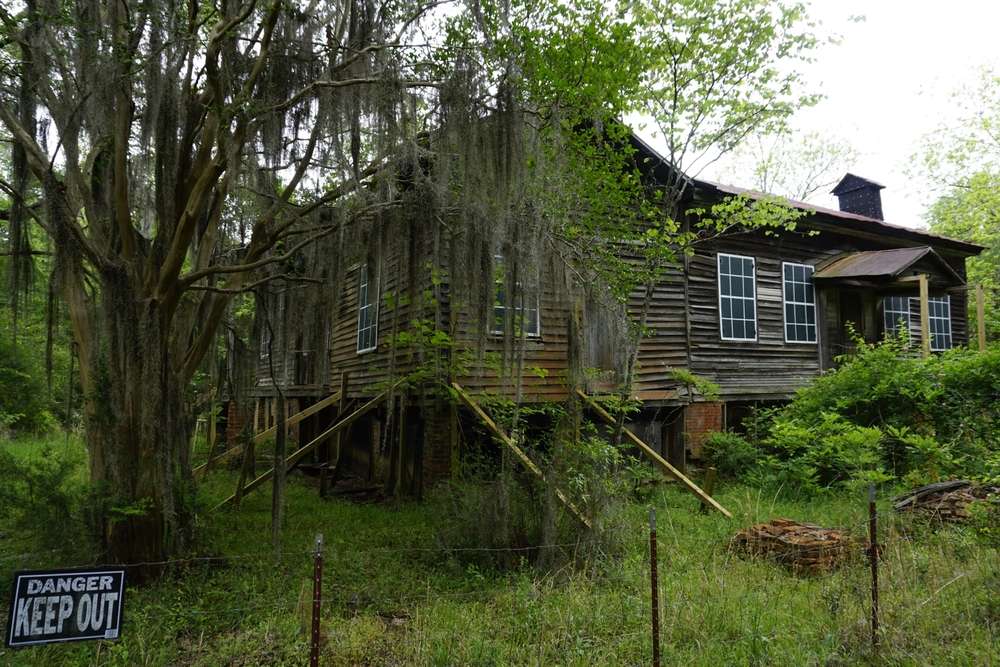
Cahawba holds the distinction of being Alabama’s first state capital — and now, one of its most haunted sites. After devastating floods, the town was abandoned, leaving behind eerie ruins, moss-draped trees, and crumbling foundations. Visitors often describe a ghostly stillness as they walk the old streets. As both a historical and paranormal destination, Cahawba is an essential stop for anyone fascinated by Southern history and America’s forgotten towns.
Glenrio, Texas/New Mexico Border
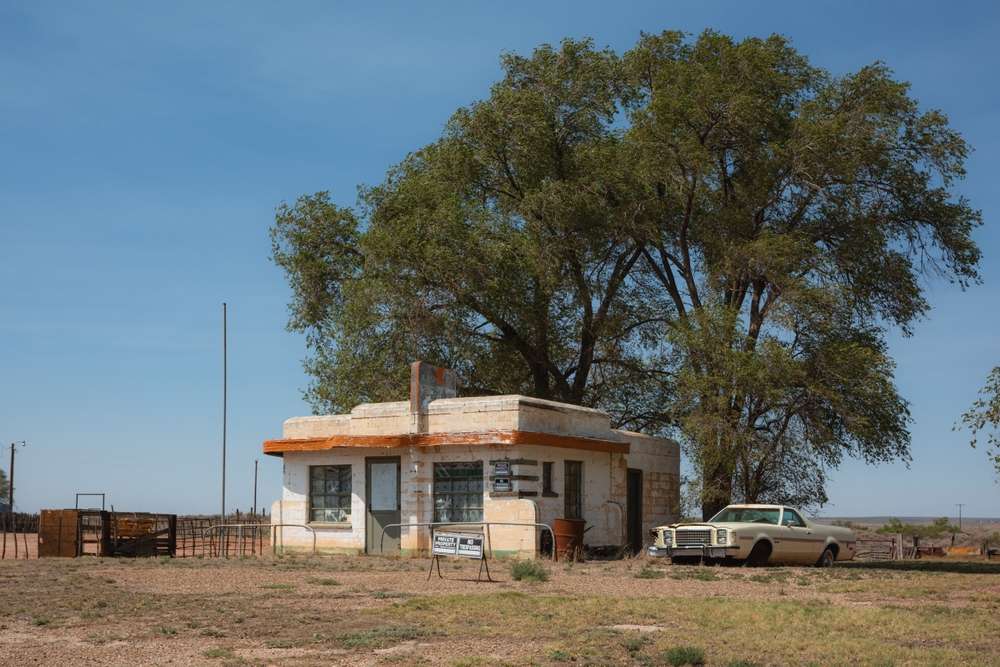
Once a bustling stop along historic Route 66, Glenrio now straddles the border between Texas and New Mexico as a relic of America’s roadside golden age. When the interstate bypassed the town, its motels, gas stations, and diners were abandoned. The faded neon signs and empty storefronts speak to the passage of time and change in American travel culture. Today, Glenrio is both haunting and nostalgic — a ghost town born from the open road.
Thurmond, West Virginia

Thurmond was once a booming railroad town, thriving with commerce and life. When train routes changed, its population dwindled to nearly nothing, leaving behind a few sturdy brick buildings along the New River Gorge. Today, visitors can still walk the quiet streets where locomotives once roared. Surrounded by forested hills and river views, Thurmond captures the haunting intersection of natural beauty and industrial history, a true hidden gem in Appalachian travel.
Bodfish, California
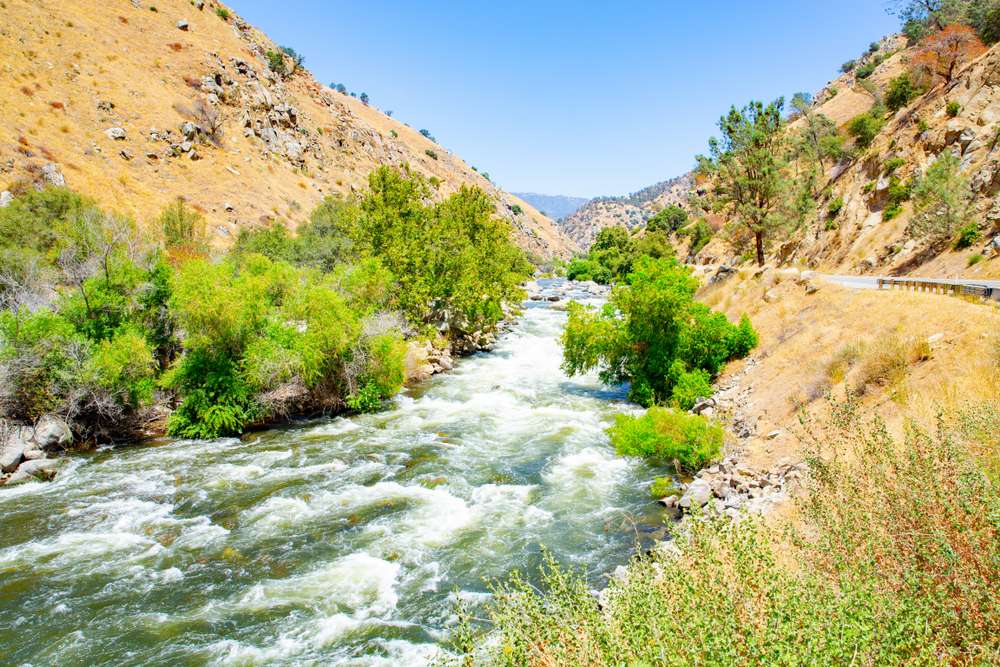
Bodfish sits quietly near California’s Kern River Valley, a shadow of its former self. Once supported by mining and agriculture, the area’s old structures now tell the story of early settlers’ resilience in the rugged West. Wooden facades, abandoned homesteads, and the whisper of desert winds create an atmosphere that feels both desolate and deeply poetic. For travelers exploring California’s forgotten towns, Bodfish is a haunting stop that reveals the fragility of frontier life.
Rhyolite, Nevada (Goldfield Region)
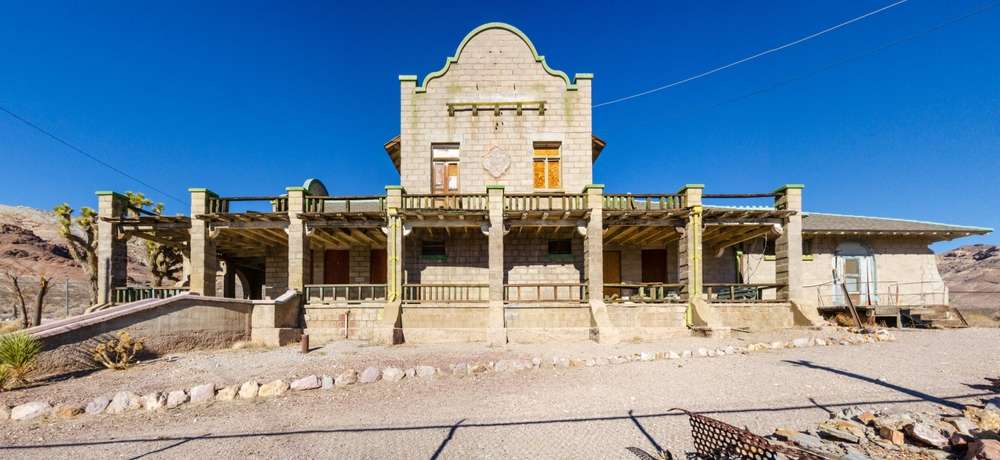
In the heart of Nevada’s Goldfield region, Rhyolite’s skeletal remains tell a familiar story of boom and bust. The town sprang up overnight with banks, schools, and electric lights before vanishing just as fast. Today, its crumbling walls and open desert surroundings make it feel frozen in time. The haunting quiet of Rhyolite serves as a meditation on the fleeting nature of fortune and ambition that defined much of U.S. frontier travel.
Animas Forks, Colorado
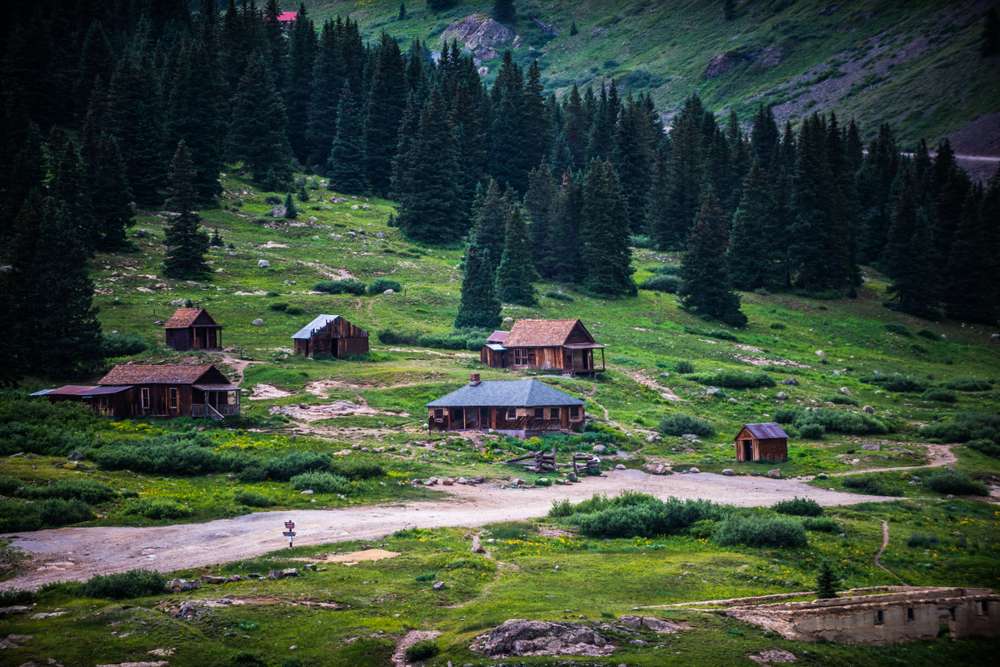
High in Colorado’s San Juan Mountains, Animas Forks sits above 11,000 feet, accessible by scenic alpine roads. Once home to miners braving brutal winters, it was abandoned in the early 1900s. The crisp mountain air carries echoes of laughter and hard labor as you explore its wooden cabins and mining ruins. Animas Forks offers a haunting yet breathtaking glimpse into Colorado’s high-altitude history, a must-see for adventurous U.S. travelers.
Bodie Island Village, North Carolina
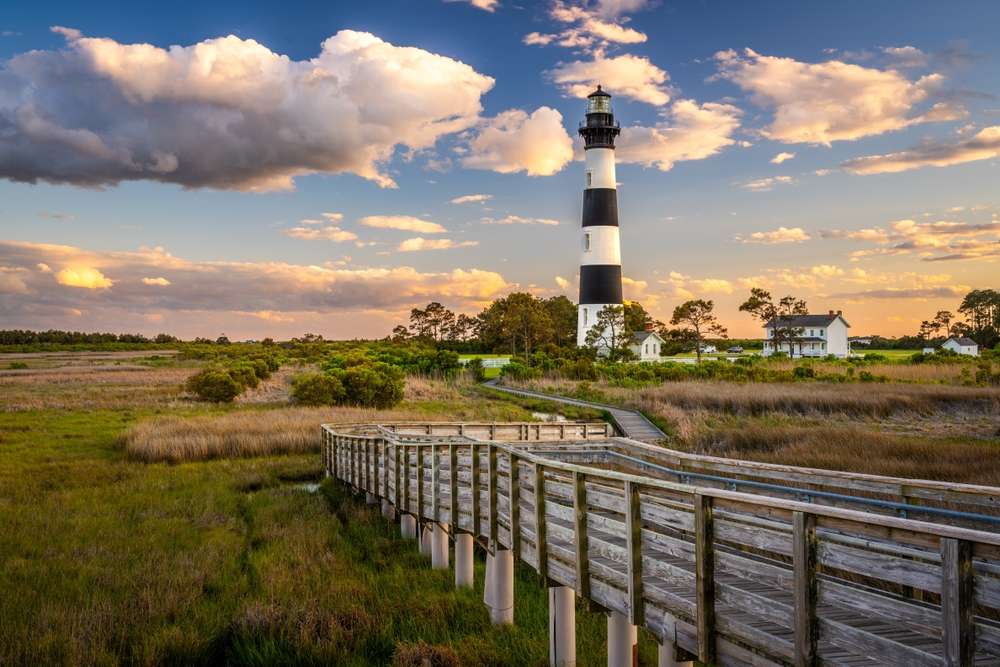
On the windswept Outer Banks, remnants of Bodie Island Village remind visitors of the harsh realities of early coastal living. Once home to lighthouse keepers and fishermen, the area was abandoned as storms and shifting sands made life unsustainable. Today, its weather-beaten remains blend with sea grass and dunes, offering a haunting beauty against the Atlantic horizon. For U.S. travel lovers, it’s a reminder of nature’s power and history’s fragility.

Deborah Montiero is a seasoned travel writer and contributor to Probe the Globe. With a passion for uncovering hidden gems and sharing immersive travel experiences, Deborah’s work highlights must-visit destinations, insider tips, and practical advice for travelers of all types. Whether exploring bustling cities or remote escapes, her articles are crafted to inspire and inform, making her a trusted voice in the travel community.
Her storytelling weaves together cultural insights, logistical tips, and authentic experiences, making her a valuable resource for readers seeking unforgettable journeys.
When not writing, Deborah is likely researching the latest travel trends or planning her next adventure. Follow her work on Probe the Globe for fresh perspectives and up-to-date travel inspiration.