
22 Forgotten American Dishes That Deserve a Comeback
Regional food traditions across the United States are as diverse as the landscapes they come from. From the coastal seafood shacks of New England to the hearty prairie kitchens of the Midwest, American cuisine has always been a fusion of immigrant influences, agricultural abundance, and homegrown creativity. Yet as fast food chains and modern fads have dominated the scene, countless classic dishes have slipped from our tables. Today, we revisit some of those overlooked culinary treasures with this list of 22 forgotten American dishes that deserve a comeback.
Liver and Onions
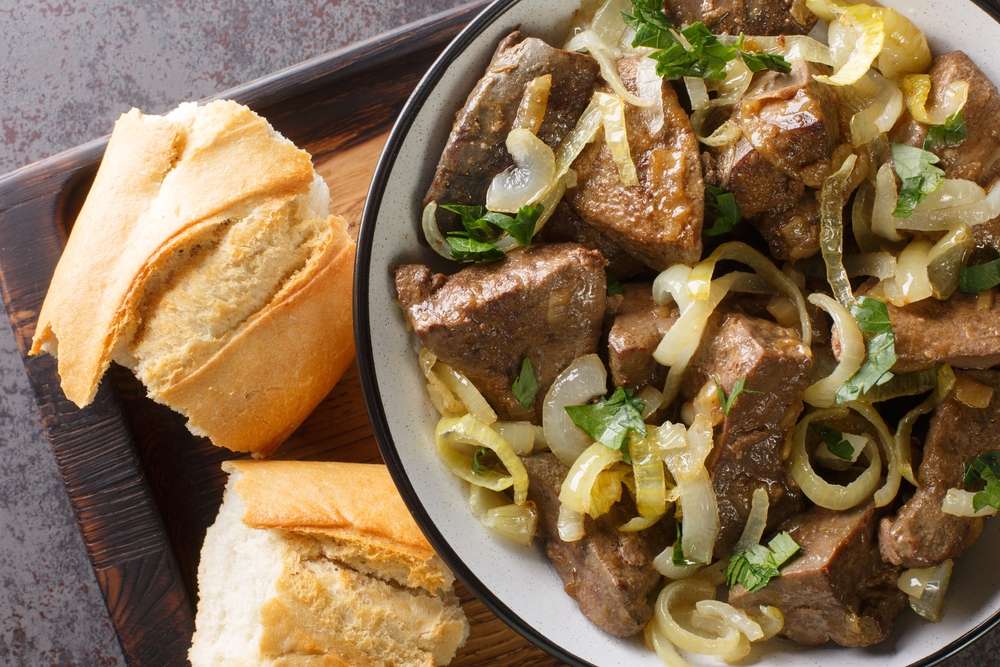
Once a staple of diners and home kitchens alike, liver and onions was celebrated for its hearty flavor and nutritional value. It thrived in the mid-20th century when nose-to-tail eating was more common, and thrifty households made sure no part of an animal went to waste. While many younger travelers associate American cuisine with burgers and fries, this dish recalls a time when bold flavors were embraced. Reviving liver and onions would not only highlight vintage comfort food but also promote sustainable eating.
Shoofly Pie
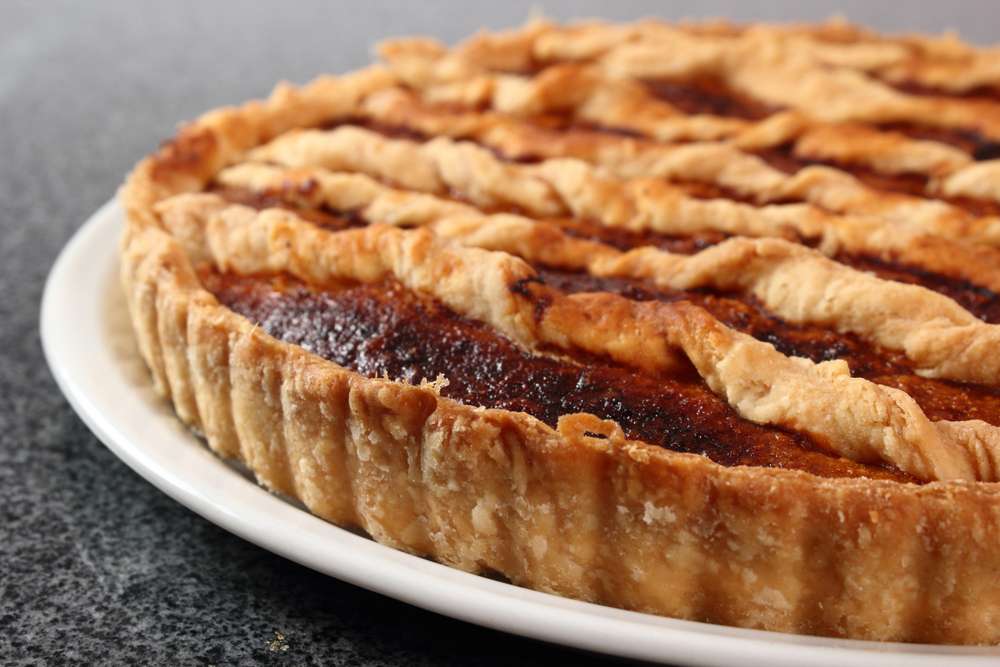
Deeply rooted in Pennsylvania Dutch heritage, shoofly pie is a molasses-based dessert that was once a sweet icon in rural America. Its crumbly topping and sticky-sweet interior made it a favorite at farmhouse tables, especially when paired with coffee. While most travelers exploring Pennsylvania today might stumble on whoopie pies or pretzels, shoofly pie is a fading gem. Bringing it back could reconnect people with one of the oldest desserts tied to US travel and cultural heritage.
Succotash
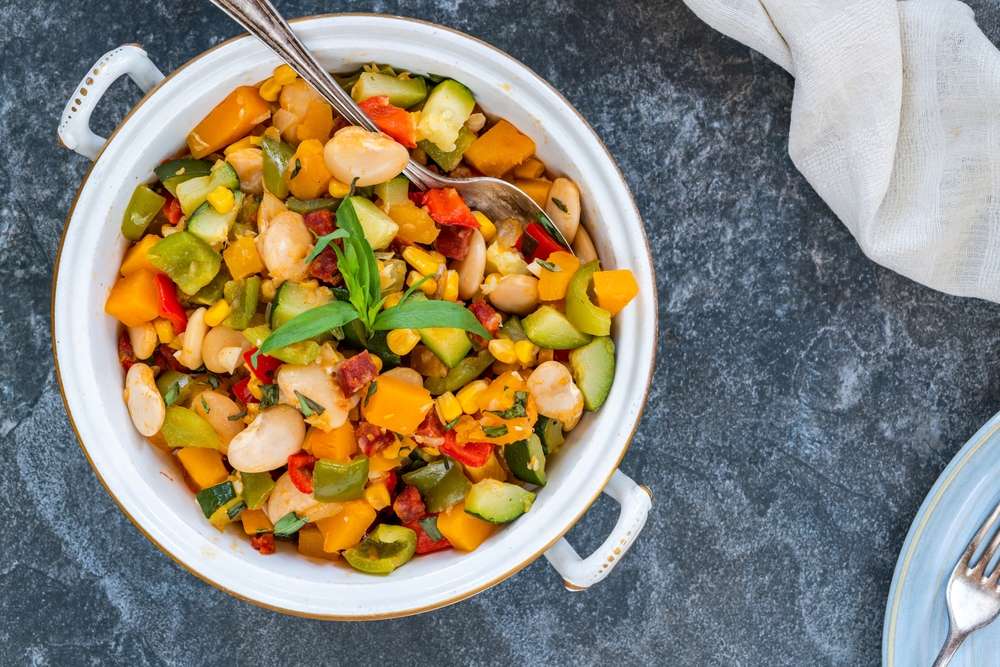
A dish dating back to Native American traditions, succotash blends corn and lima beans with other vegetables, creating a colorful, protein-rich side. Popular in the 18th and 19th centuries, it was frequently served at family gatherings and holiday feasts. Although it occasionally appears in Southern kitchens, it has largely disappeared from mainstream restaurants. Reviving succotash could offer a healthier, plant-forward option for travelers exploring American regional foods.
Tomato Aspic

Once the darling of mid-century cookbooks, tomato aspic is a chilled gelatin dish flavored with spiced tomato juice. It was particularly popular at luncheons and church gatherings, often served with crisp lettuce and mayonnaise. Today, its savory jelly-like texture seems unusual, but it reflects a fascinating era in American culinary history. Travelers seeking quirky retro dining experiences would surely appreciate this relic from the past.
Chicken à la King

In the early 1900s, Chicken à la King was the height of elegance, appearing on hotel menus and cruise ships. This creamy dish of chicken, peppers, and mushrooms in a sherry-laced sauce was spooned over toast or pastry shells. Over time, convenience foods replaced such refined fare, and the dish faded into obscurity. With modern travelers craving nostalgic comfort food, Chicken à la King could easily reclaim its place.
Ambrosia Salad
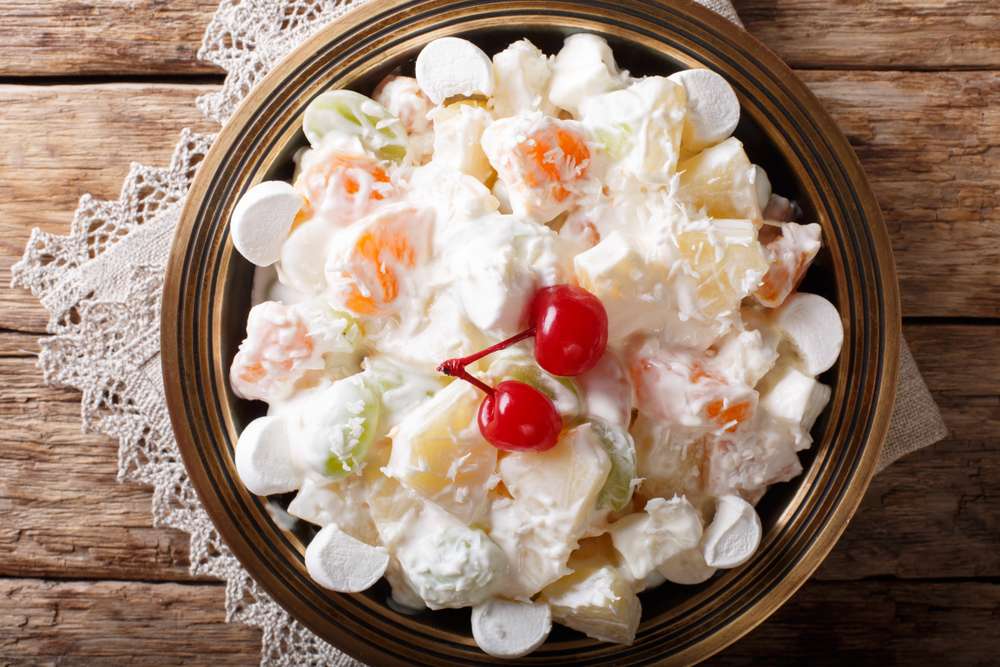
Ambrosia salad, with its mix of canned fruit, marshmallows, coconut, and whipped topping, was once a holiday staple in the American South. It symbolized abundance and festivity, served at church potlucks, picnics, and family dinners. Despite being considered kitschy by modern standards, its tropical flavors remain refreshing. US travelers revisiting classic Southern dishes would find ambrosia salad a delightful reminder of family-centered dining.
Mulligan Stew
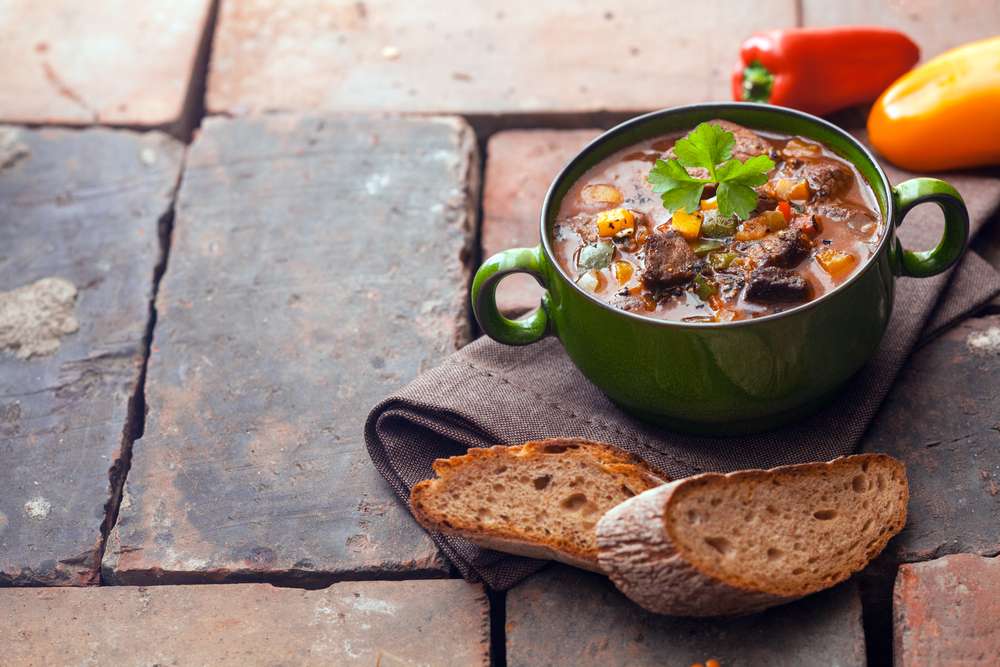
Born out of necessity during the Great Depression, Mulligan Stew was a communal dish made with whatever ingredients were available. Hobos traveling across America contributed odds and ends of meat and vegetables into one big pot. It embodied resourcefulness and community in hard times. Reviving Mulligan Stew could highlight how food history mirrors US travel and migration stories.
Goetta

A beloved but little-known breakfast dish from Cincinnati, goetta combines steel-cut oats with pork or beef and spices. German immigrants introduced it, and it quickly became a staple of Midwestern kitchens. While it remains popular locally, it has not gained national fame like bacon or sausage. A broader comeback would give travelers a new reason to visit Ohio and taste this hearty breakfast classic.
Mock Turtle Soup
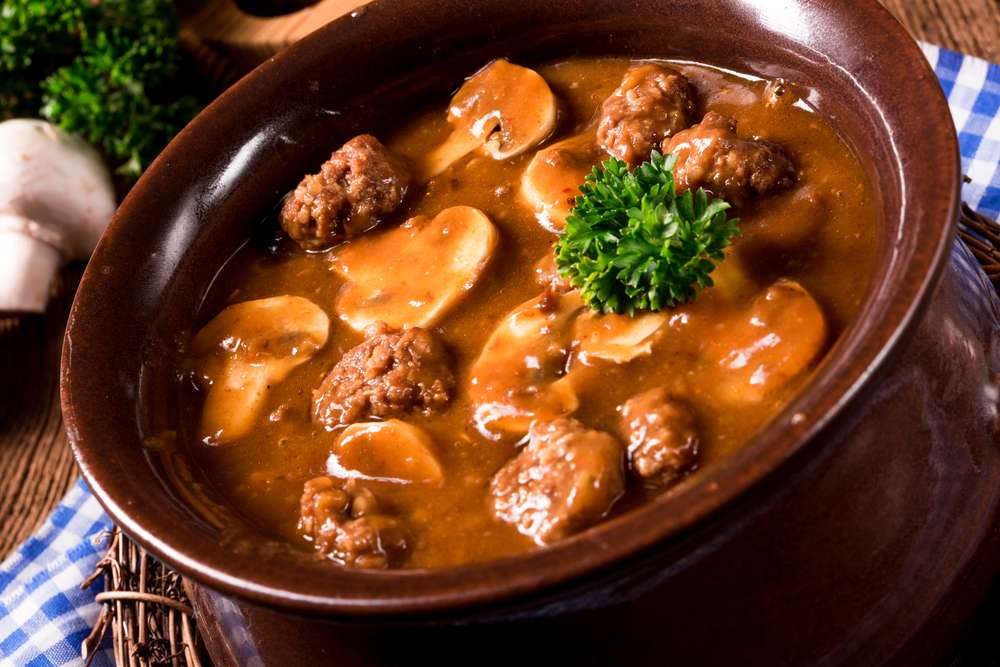
Inspired by England but embraced in the United States, mock turtle soup was made with calf’s head or cheaper cuts of beef to imitate green turtle meat. It was a menu highlight in 19th-century America, from New Orleans to Philadelphia. Though unusual by today’s standards, it reflects ingenuity in adapting Old World recipes. Bringing it back could connect food lovers with forgotten traditions in American cities.
Corn Pone

Corn pone, a simple, rustic version of cornbread without milk or eggs, was once a pioneer staple. Its dense, hearty texture sustained settlers and farm families across the Appalachian region. Today, cornbread dominates, leaving corn pone in the shadows. Travelers seeking authentic Appalachian heritage dishes would find corn pone a valuable discovery.
Celery Victor

Created in San Francisco in the early 1900s, Celery Victor is a marinated celery salad once served at elegant restaurants. It was light, refreshing, and surprisingly fashionable during its heyday. While salads are common today, this particular preparation has almost vanished. Reviving it would spotlight California’s long-standing role in fresh, innovative dining for US travelers.
Scrapple
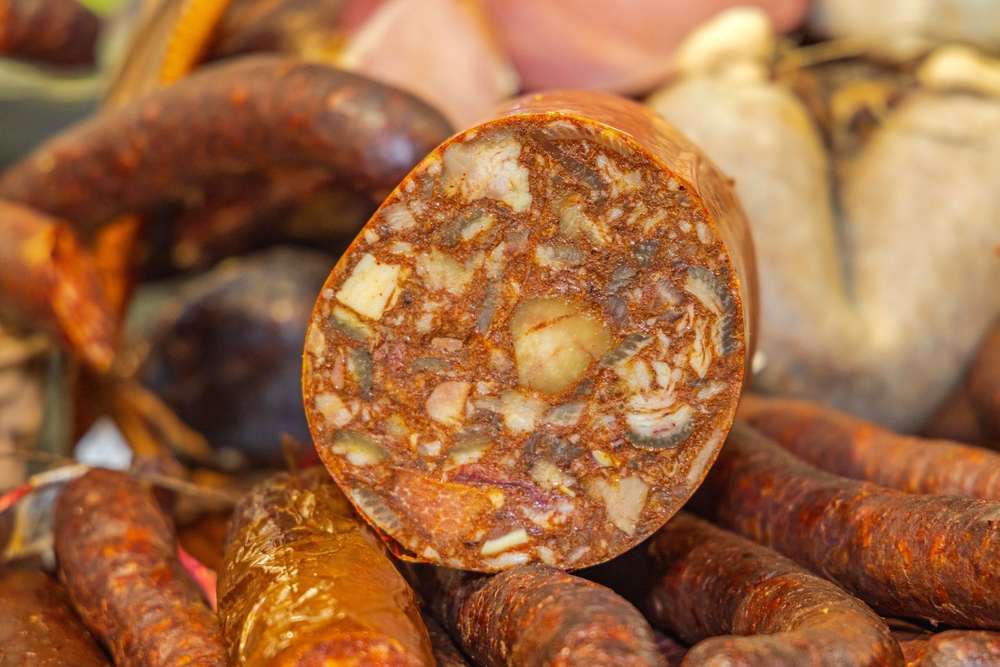
Scrapple, a Pennsylvania Dutch breakfast dish, mixes pork scraps with cornmeal and spices before being fried into savory slices. It was once common in farming communities, making use of every part of the hog. Today, it is mostly confined to the Mid-Atlantic. Introducing scrapple more widely could give adventurous food travelers a taste of authentic regional heritage.
Parker House Rolls
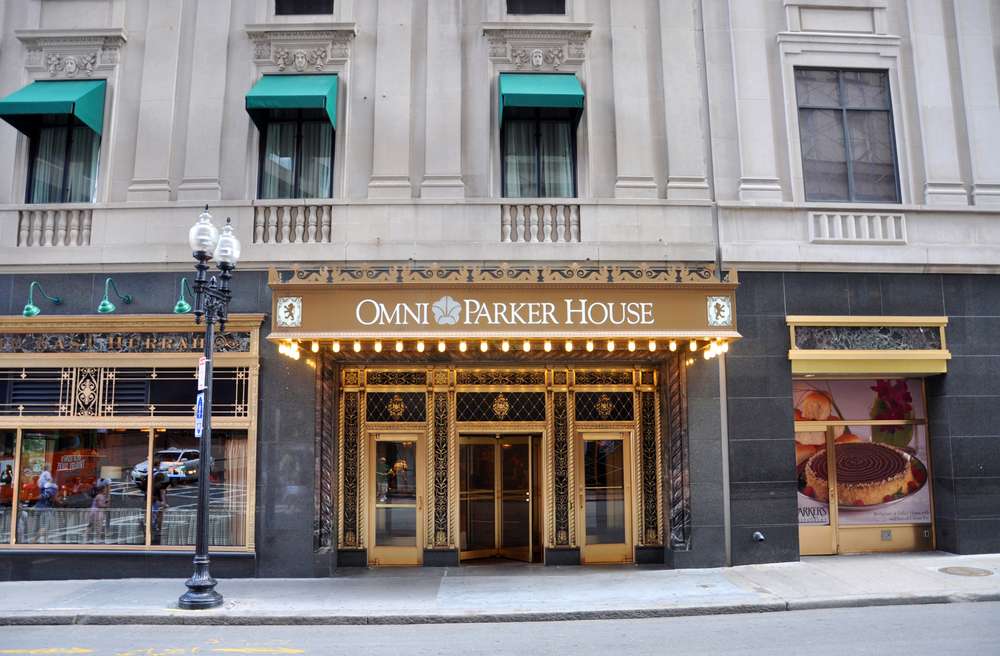
Originating in Boston’s Parker House Hotel in the 19th century, these buttery, folded rolls were once legendary across America. Their soft, pillowy texture and rich flavor made them a hotel dining staple. While rolls remain common, this specific style has been forgotten. Reviving them could connect travelers to historic dining traditions in New England.
Hoppin’ John

This Southern dish of black-eyed peas, rice, and pork was once a New Year’s Day ritual, believed to bring prosperity. Its roots stretch back to West African traditions carried by enslaved people. Though still celebrated in small circles, it has lost its widespread presence on American tables. A comeback would honor cultural heritage while offering travelers a taste of history with every bite.
Indian Pudding
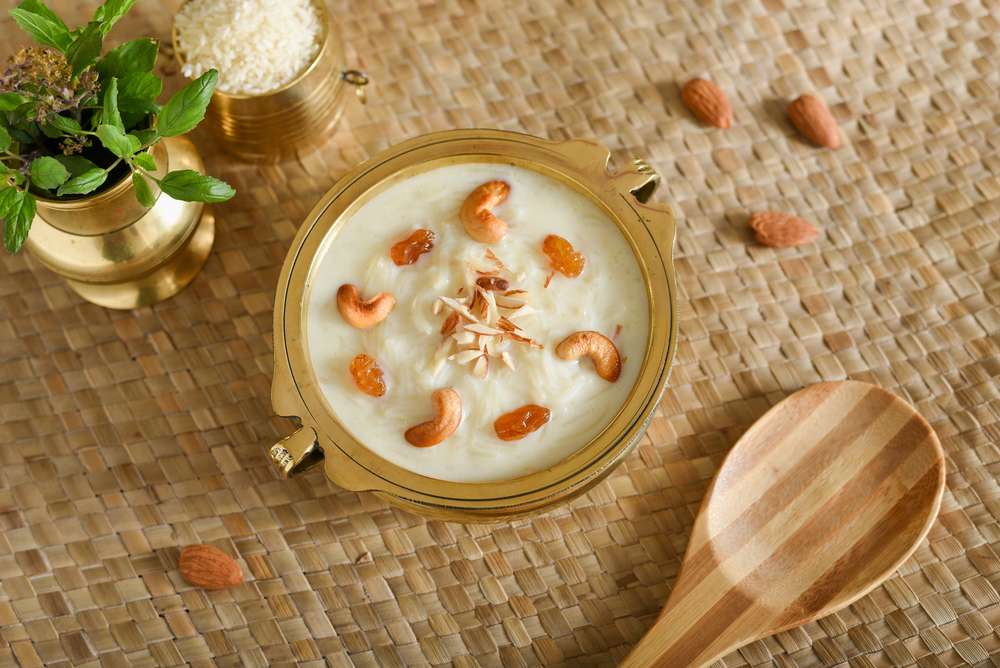
This New England dessert, made with cornmeal, molasses, and milk, is one of the earliest truly American recipes. Slow-baked until thick and comforting, it was once a colonial staple. Modern palates often overlook it in favor of cakes and pies. Reviving Indian pudding would give visitors exploring Massachusetts and beyond a taste of authentic colonial food traditions.
Johnnycakes
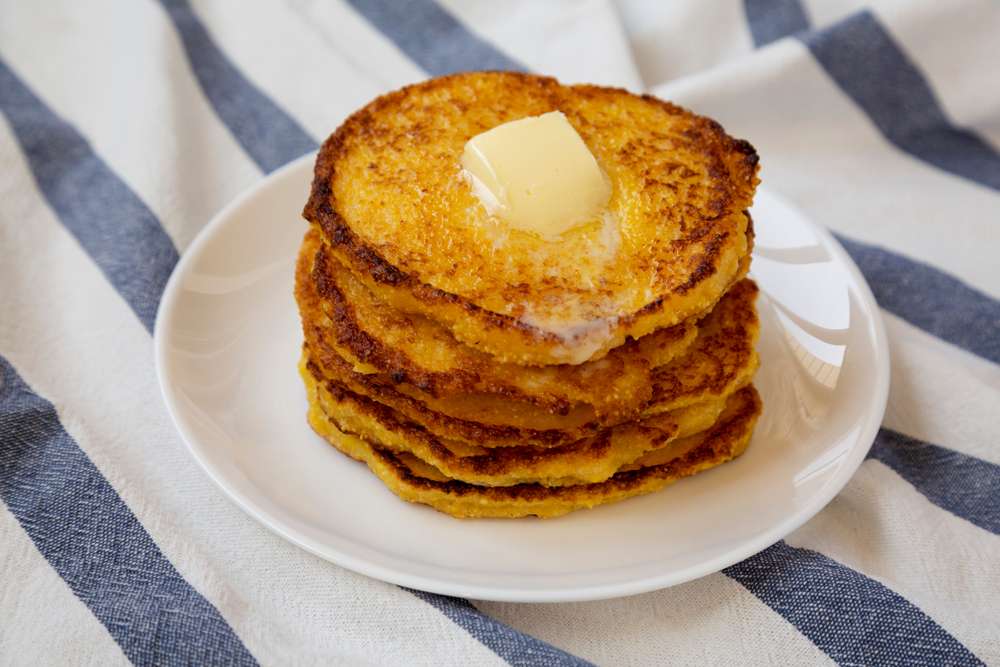
A flatbread made from cornmeal and water, Johnnycakes sustained Native Americans and colonial settlers. Once widespread across the Eastern Seaboard, they are now mostly limited to Rhode Island and parts of the South. Simple yet satisfying, Johnnycakes reflect the foundation of American food culture. A revival would add depth to the culinary experience of US travel, especially in historic regions.
Turkey Tetrazzini
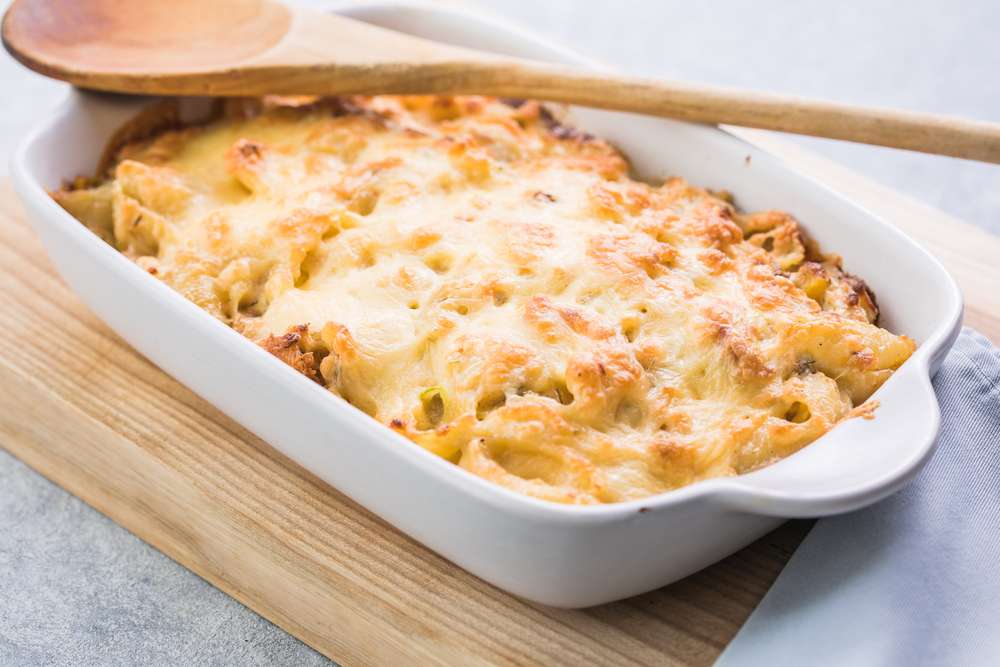
Invented in San Francisco and named after opera star Luisa Tetrazzini, this creamy pasta casserole became a popular way to use Thanksgiving leftovers. It blends turkey, noodles, mushrooms, and a rich sauce, baked to perfection. Though once beloved, it faded as processed casseroles took over mid-century kitchens. Its return would provide a heartwarming, nostalgic dish for travelers exploring American comfort food.
Chess Pie

This simple Southern pie uses sugar, butter, eggs, and a touch of cornmeal to create a rich custard filling. A staple in farm kitchens, it was affordable and delicious. Yet it has been overshadowed by pecan and sweet potato pies. Reviving chess pie would add variety to the dessert menus of Southern restaurants, appealing to curious travelers.
Stuffed Ham
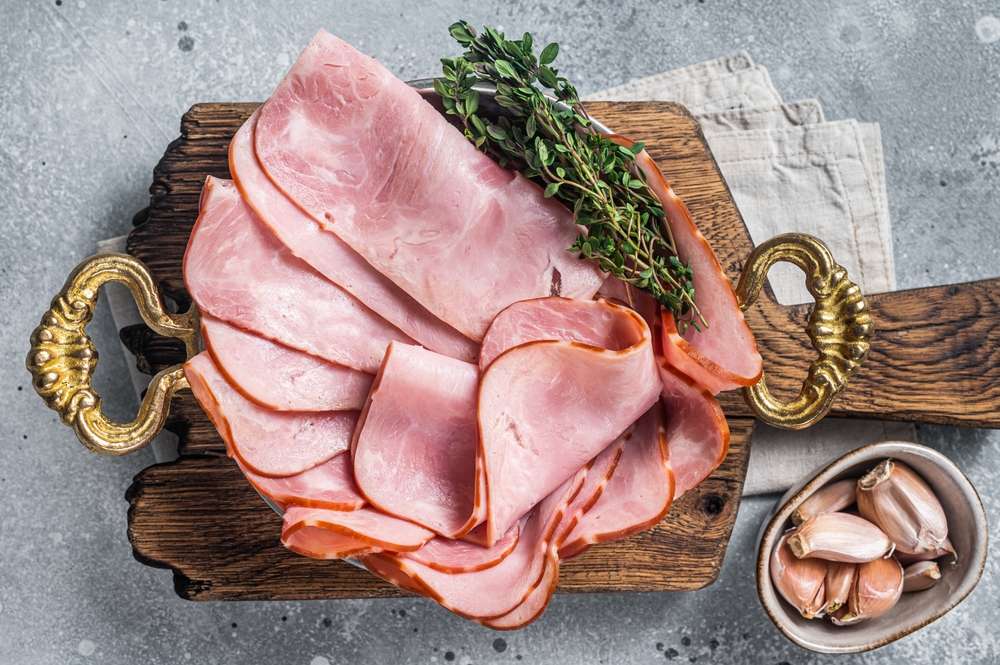
A rare specialty of Southern Maryland, stuffed ham features a whole ham packed with kale, cabbage, and spices before being boiled. It was a celebratory dish at Easter and community events. Its preparation is labor-intensive, which contributed to its decline. A comeback could preserve this unique tradition and entice culinary travelers to discover Maryland’s hidden gems.
Chow-Chow Relish
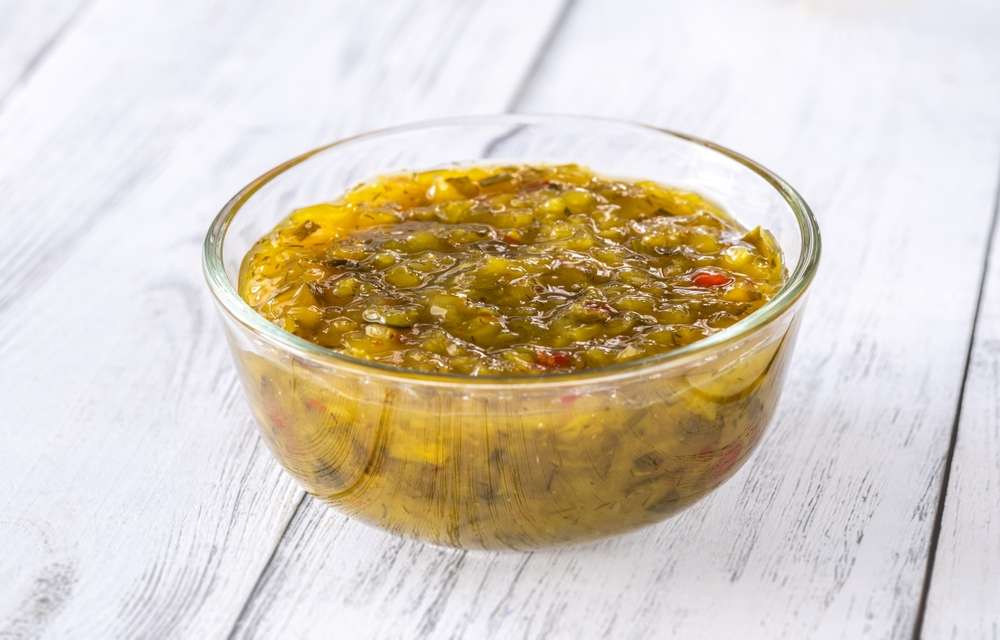
This tangy, pickled relish made with cabbage, peppers, and green tomatoes was once a pantry staple in the South and Appalachia. It added bright flavor to beans, meats, and cornbread. Over time, mass-produced condiments pushed it aside. Reviving chow-chow would give food travelers a taste of homemade ingenuity and regional pride.
Sally Lunn Bread
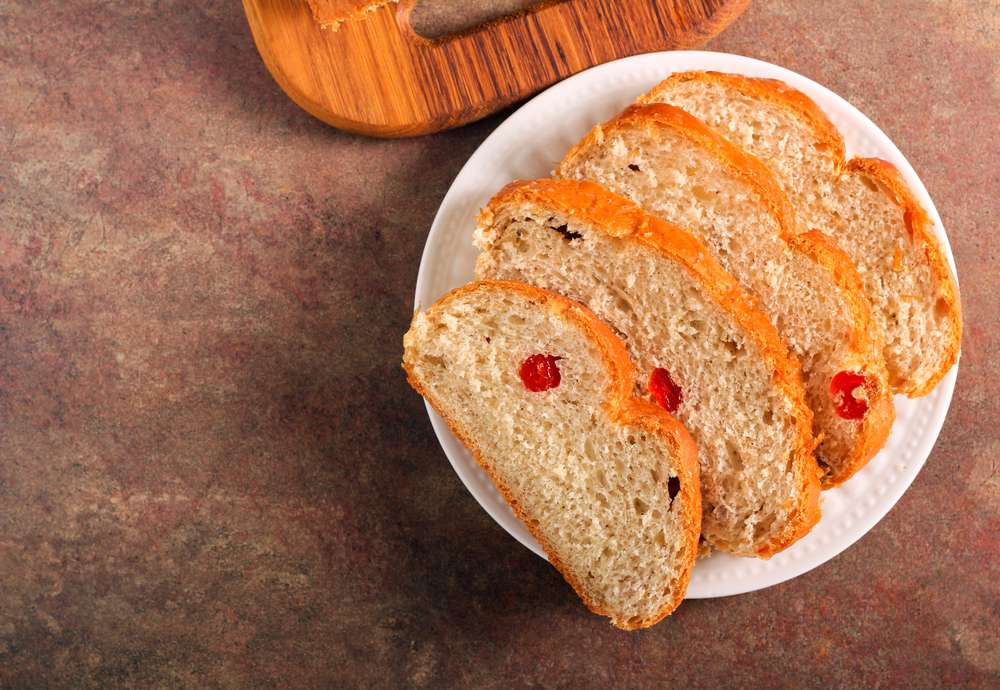
Originating in England but embraced in the American South, Sally Lunn bread is a cross between cake and bread, rich with butter and eggs. It was cherished at teatime and holiday meals but has nearly vanished from American kitchens. Its golden crust and tender crumb deserve rediscovery. Bringing it back would offer travelers in Virginia and beyond a taste of both history and indulgence.
Boiled Dinner
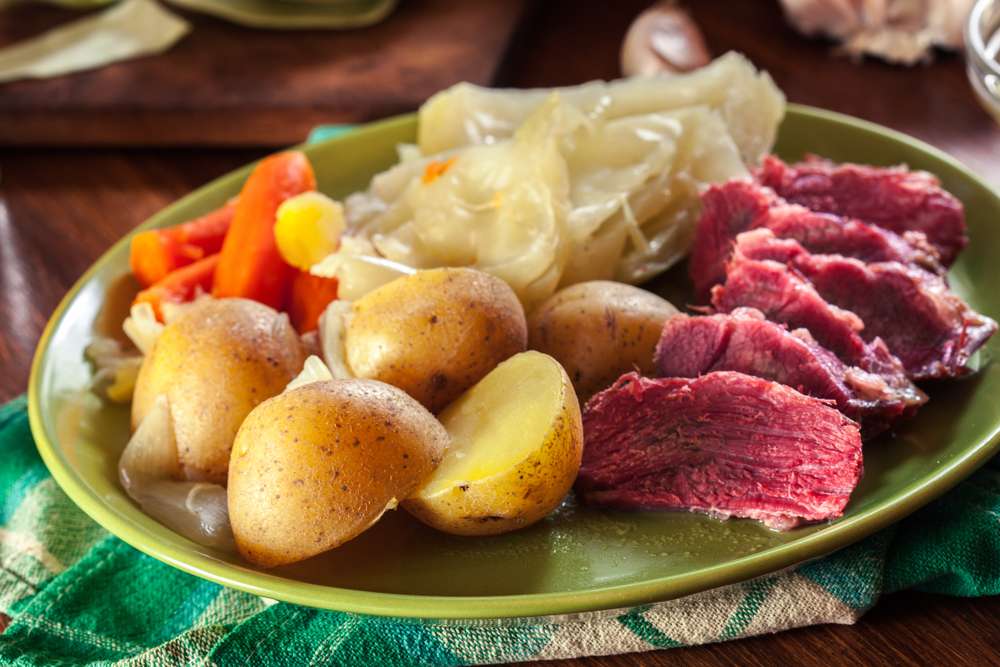
Popular in New England, a boiled dinner typically featured corned beef or ham simmered with cabbage, potatoes, and root vegetables. It was hearty, economical, and a centerpiece of Sunday meals. Today, it has been overshadowed by more modern roasts and restaurant fare. Reviving the boiled dinner would connect travelers with the traditional kitchens of New England families.

Deborah Montiero is a seasoned travel writer and contributor to Probe the Globe. With a passion for uncovering hidden gems and sharing immersive travel experiences, Deborah’s work highlights must-visit destinations, insider tips, and practical advice for travelers of all types. Whether exploring bustling cities or remote escapes, her articles are crafted to inspire and inform, making her a trusted voice in the travel community.
Her storytelling weaves together cultural insights, logistical tips, and authentic experiences, making her a valuable resource for readers seeking unforgettable journeys.
When not writing, Deborah is likely researching the latest travel trends or planning her next adventure. Follow her work on Probe the Globe for fresh perspectives and up-to-date travel inspiration.