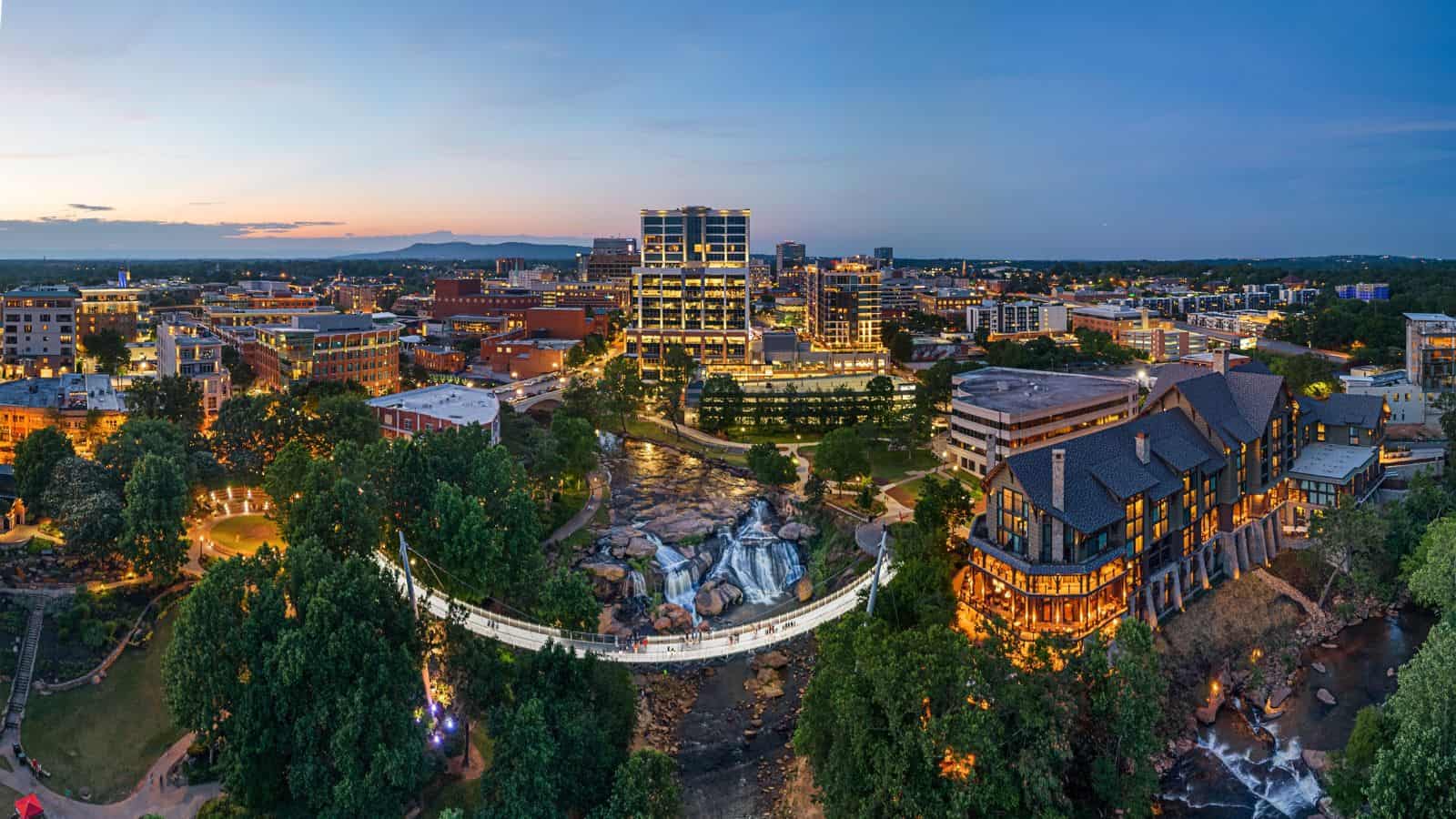
18 Eerie U.S. Hospitals and Asylums People Swear Are Still “Occupied”
Across the United States, abandoned hospitals and former asylums stand as reminders of how mental health care, medicine, and isolation were once handled. These buildings are often silent, decaying, and officially closed, yet many locals insist they are far from empty. Stories of movement, voices, and unexplained activity persist, becoming part of regional folklore and dark tourism. This exploration of U.S. travel dives into 19 Eerie U.S. Hospitals and Asylums People Swear Are Still “Occupied.”
Trans-Allegheny Lunatic Asylum, West Virginia
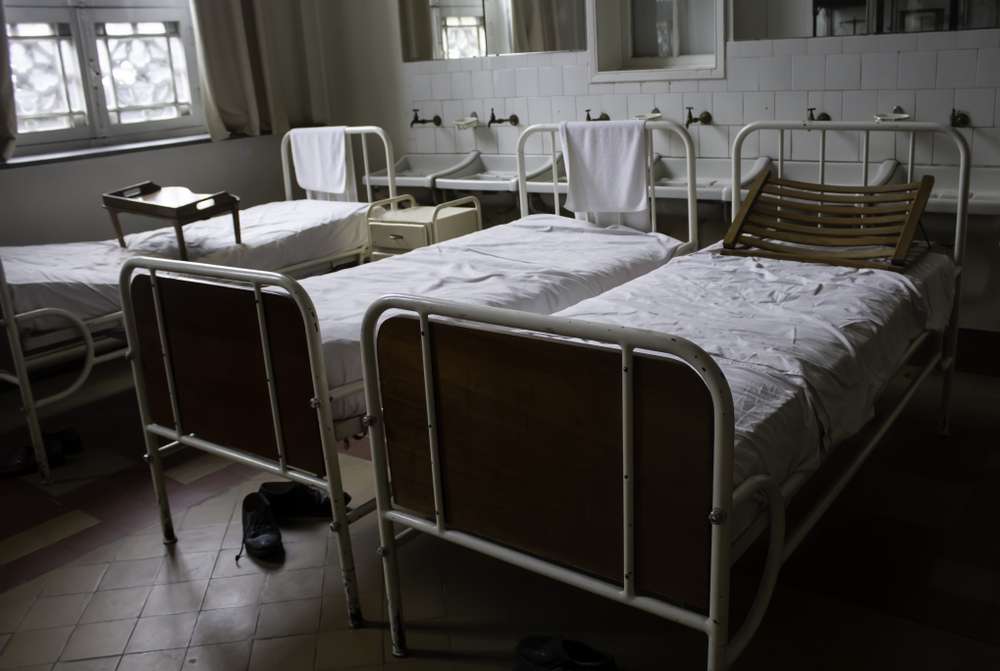
Constructed in the mid-1800s, this facility served thousands of patients over more than a century. Records show severe overcrowding by the early 20th century, with living conditions deteriorating rapidly. Though the hospital closed in the 1990s, large portions of the structure remain intact. Locals and staff involved in preservation efforts report unexplained sounds and movement, though no verified causes have been documented. Its size and preservation contribute to ongoing speculation.
Waverly Hills Sanatorium, Kentucky
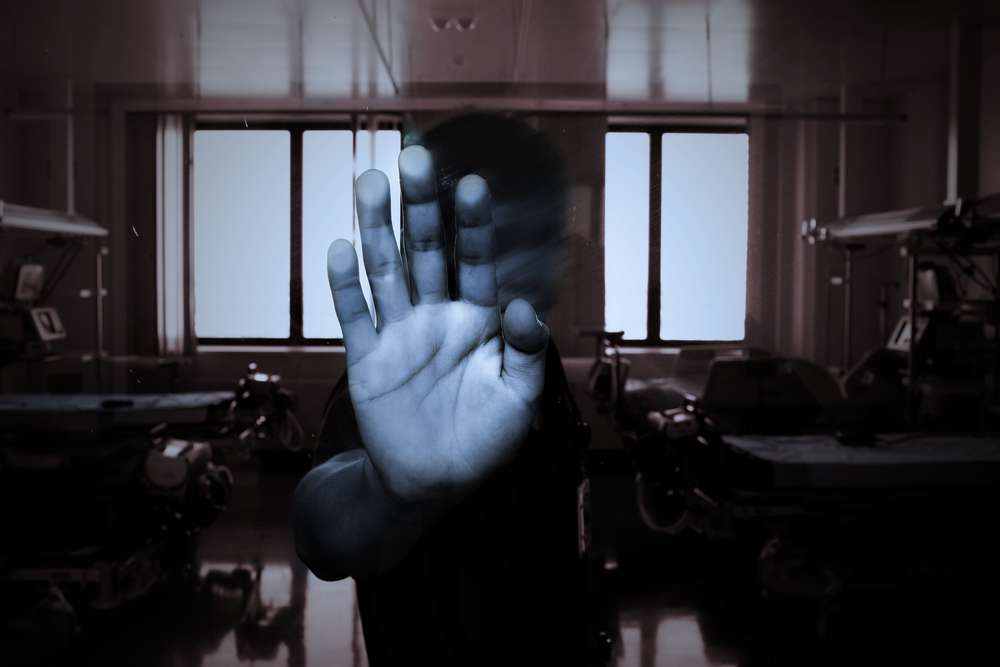
Waverly Hills functioned as a tuberculosis hospital during outbreaks in the early 1900s. Medical records confirm a high mortality rate due to limited treatment options of the era. The building closed in the 1960s and remains structurally intact. Reports from visitors and nearby residents often describe sounds or visual disturbances, though investigations attribute many claims to acoustics and environmental factors. The site is frequently referenced in U.S. travel discussions related to abandoned medical facilities.
Eastern State Hospital, Virginia
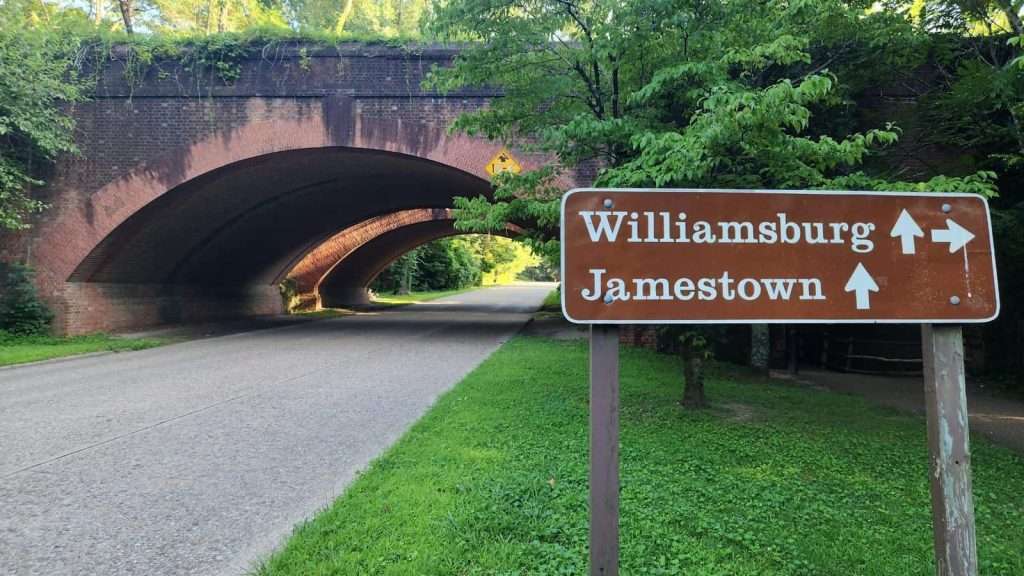
Established in 1773, Eastern State Hospital was one of the earliest psychiatric facilities in the country. Over time, treatment methods evolved, though earlier practices were restrictive by modern standards. While parts of the hospital are still operational, several older buildings remain unused. Local accounts of activity tend to focus on these abandoned sections. Official reviews have found no evidence of occupancy beyond maintenance and security personnel.
Pennhurst State School and Hospital, Pennsylvania
Pennhurst operated from 1908 until the 1980s, housing individuals with developmental disabilities. Investigations later revealed systemic abuse and neglect. After closure, the campus remained largely abandoned for years. Locals frequently cite unexplained occurrences, particularly in dormitory buildings. Preservation documentation shows deterioration consistent with aging infrastructure, though community stories persist.
Danvers State Hospital, Massachusetts

Built in the late 19th century, Danvers was designed to accommodate psychiatric patients using then-popular treatment philosophies. As patient populations grew, conditions worsened. Portions of the hospital were demolished in the early 2000s, but remnants remain. Residents in surrounding areas continue to report unusual activity near the remaining structures, though redevelopment studies cite environmental causes.
Rolling Hills Asylum, New York
Rolling Hills functioned as a poorhouse, infirmary, and asylum across different periods. It housed various populations, including the elderly and mentally ill. After closing in the 1970s, the building remained unused for decades. Local reports describe noises and temperature changes, though inspections attribute these to the building’s age and layout. The site is often referenced in regional historical tours.
Athens Lunatic Asylum, Ohio
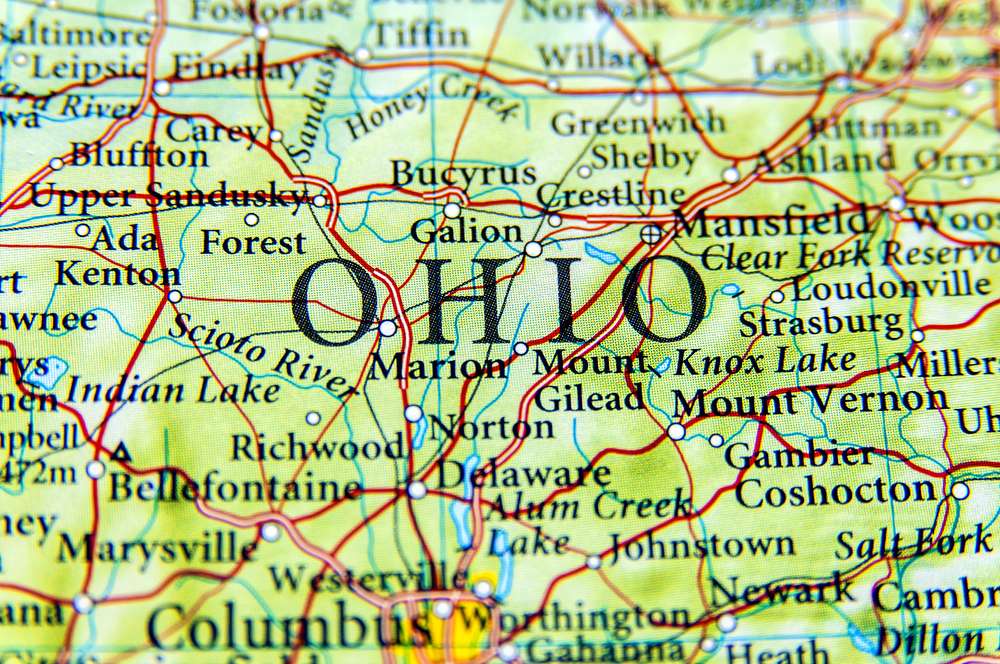
This facility opened in the 1870s and served psychiatric patients until the late 20th century. It was later converted for university use, though some structures remain unused. Reports of activity tend to originate from older sections not open to the public. University officials acknowledge the building’s long history but cite no evidence of ongoing occupancy.
Crownsville Hospital Center, Maryland
Crownsville served as a psychiatric hospital for decades, particularly for African American patients during segregation. Overcrowding and underfunding were documented issues. After closure, several buildings were left standing. Nearby residents often report activity within unused areas, though state assessments attribute these reports to structural decay and wildlife.
Northern State Hospital, Washington
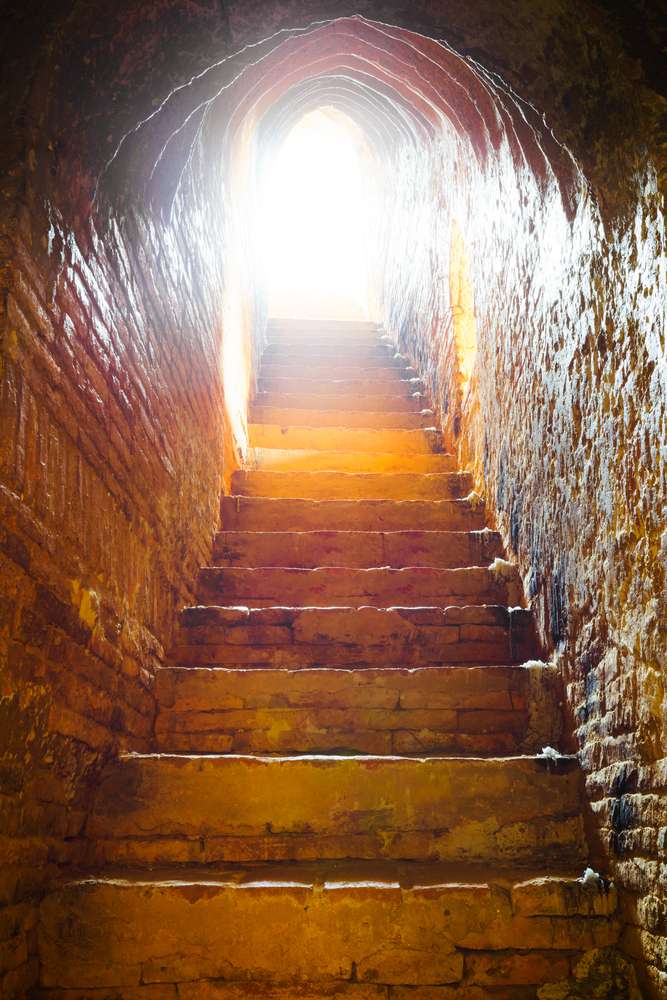
Operating from the early 1900s until the 1970s, Northern State Hospital treated psychiatric patients in a rural setting. After closing, the site was largely abandoned. Locals have reported lights and sounds from buildings long without power. Environmental studies suggest reflections and residual wiring as explanations, though community speculation remains strong.
Eloise Psychiatric Hospital, Michigan

Eloise was once among the largest psychiatric facilities in the country. Its closure left numerous buildings vacant. While some structures were demolished, others remain. Local reports focus on unexplained sounds within remaining buildings. Official documentation cites weather damage and animal activity as contributing factors.
Pilgrim Psychiatric Center, New York

Pilgrim remains partially operational, though older wings are unused. Community reports center on these restricted areas. Due to the hospital’s size, maintenance access can create the impression of occupancy. Administrators confirm no patients reside in abandoned sections.
Greystone Park Psychiatric Hospital, New Jersey
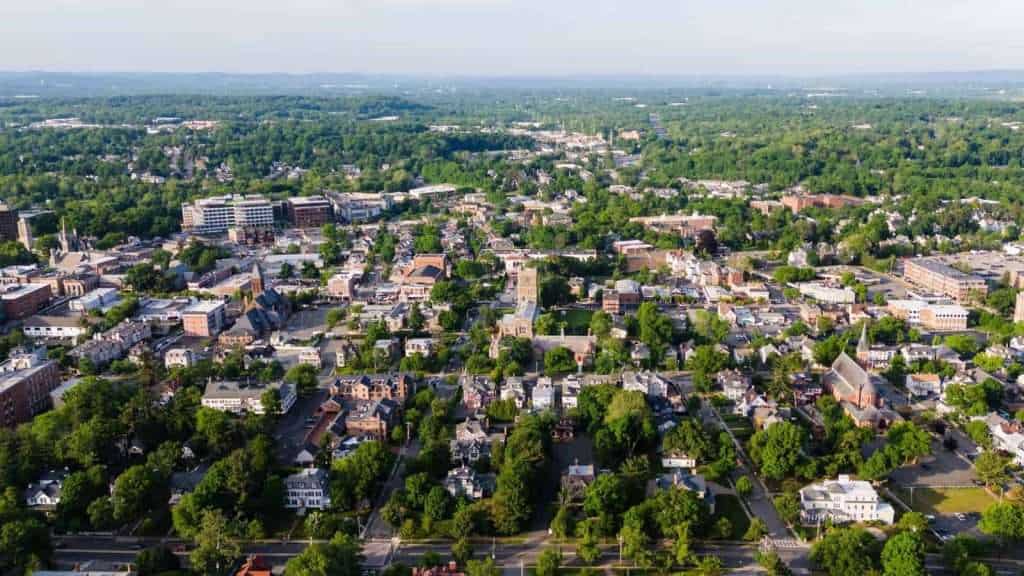
Greystone once housed thousands of patients. Most of the original structure has been demolished, though the site remains active for administrative use. Despite this, residents report unexplained activity on the grounds. Official explanations focus on ongoing construction and security patrols.
Fergus Falls State Hospital, Minnesota

This facility served psychiatric patients until the early 2000s. Some buildings remain unused. Reports of unexplained activity are common locally, though maintenance staff cite environmental factors. The large size of the remaining structures, combined with limited access and aging mechanical systems, often contributes to sounds and movement that are misinterpreted by nearby residents.
Oregon State Hospital, Oregon
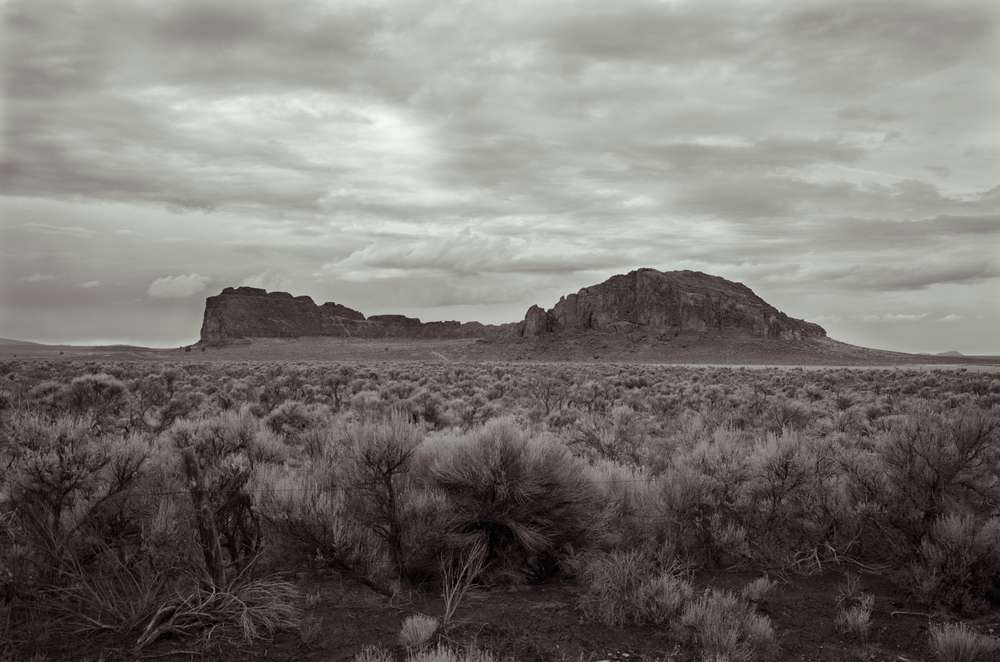
Older sections of this still-operational hospital are unused. Reports of activity stem from restricted areas. Administrators confirm no patients are housed there. Security patrols, routine maintenance, and ventilation systems are often cited as practical explanations for sounds reported by staff and visitors.
Letchworth Village, New York

Once housing individuals with developmental disabilities, Letchworth closed amid documented abuse. Buildings remain abandoned. Reports of activity persist but remain unverified. Local officials note that wildlife, structural instability, and weather-related damage frequently account for the noises and movement observed on the property.
Mendocino State Hospital, California

Converted for other uses, sections of the former hospital remain preserved. Reports focus on restricted areas, though no evidence supports claims of occupancy. Property managers emphasize that controlled access and limited lighting can create the impression of activity within unused portions of the site.
St. Elizabeths Hospital, Washington, D.C.

Partially operational today, St. Elizabeths retains abandoned sections. Reports of activity continue, though officials confirm no unauthorized occupancy. The hospital’s extensive size and long operational history contribute to public speculation, particularly around areas closed for renovation or historical preservation.

Deborah Montiero is a seasoned travel writer and contributor to Probe the Globe. With a passion for uncovering hidden gems and sharing immersive travel experiences, Deborah’s work highlights must-visit destinations, insider tips, and practical advice for travelers of all types. Whether exploring bustling cities or remote escapes, her articles are crafted to inspire and inform, making her a trusted voice in the travel community.
Her storytelling weaves together cultural insights, logistical tips, and authentic experiences, making her a valuable resource for readers seeking unforgettable journeys.
When not writing, Deborah is likely researching the latest travel trends or planning her next adventure. Follow her work on Probe the Globe for fresh perspectives and up-to-date travel inspiration.