20 American Monuments With Origin Stories That Would Shock Most Visitors
American monuments are often presented as clean symbols of patriotism, achievement, or shared memory, especially in U.S. travel marketing. What visitors don’t always hear are the complicated, uncomfortable, or surprising origin stories behind many of these landmarks. Some were born from political compromise, others from tragedy, erasure, or controversy that still lingers today. We take a look at 20 American Monuments With Origin Stories That Would Shock Most Visitors
Mount Rushmore, South Dakota
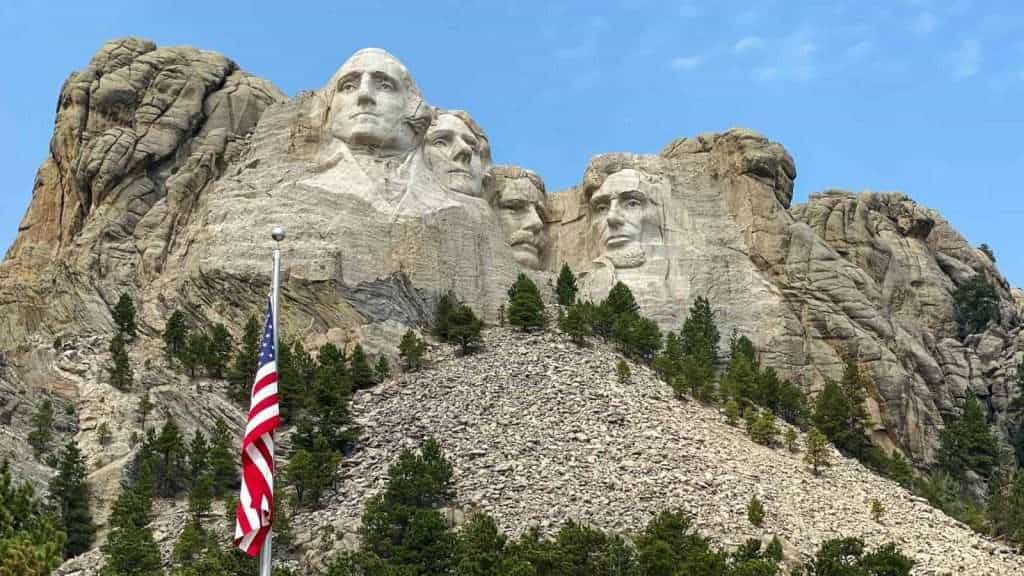
Mount Rushmore is promoted as a celebration of presidential legacy, but its creation came at a steep cultural cost. The mountain lies on land sacred to the Lakota Sioux, guaranteed to them by treaty before being seized after gold was discovered. The monument’s carving permanently altered a spiritual site, and many Native communities still view it as a symbol of broken promises rather than national pride.
The Lincoln Memorial, Washington, D.C.
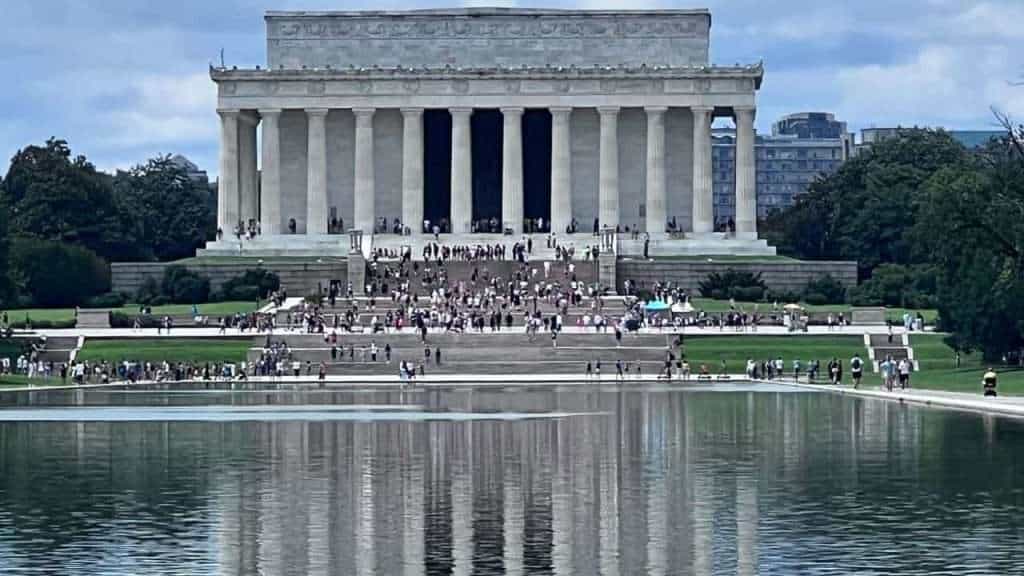
The Lincoln Memorial stands as a symbol of unity, yet its early history reflected segregation-era America. Black visitors were once restricted in where they could sit, even during ceremonies honoring Lincoln’s legacy. The irony of honoring the Great Emancipator while enforcing racial separation is a contradiction many tourists never learn during U.S. travel visits.
Statue of Liberty, New York City
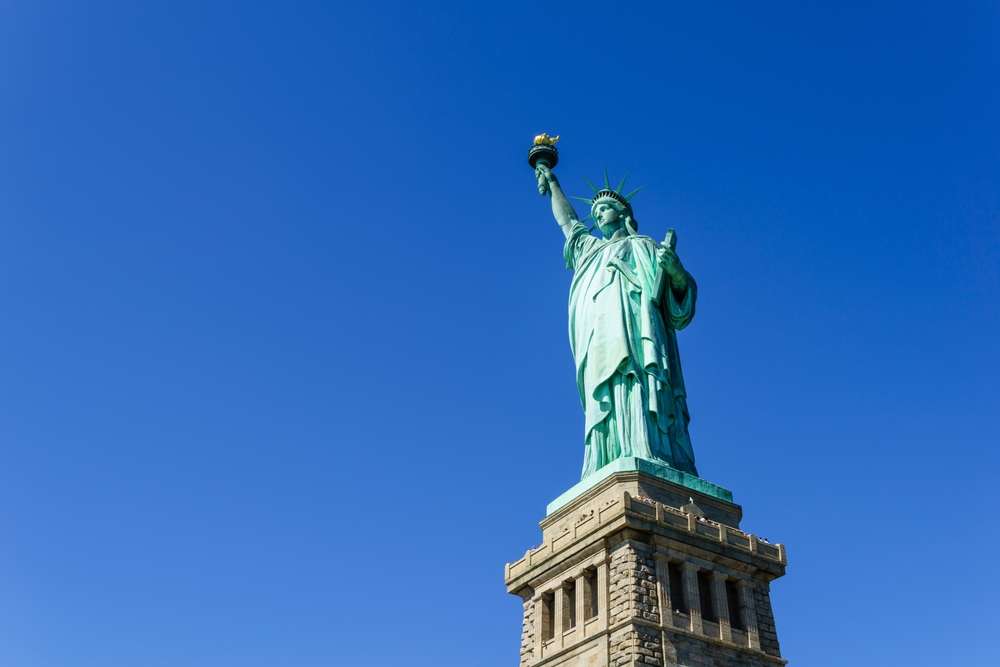
The Statue of Liberty was not initially embraced as a welcoming symbol. Early Americans criticized its cost and questioned its relevance. Ironically, the monument became associated with immigration only after Ellis Island opened nearby. Its current meaning evolved long after construction, reshaping how generations of travelers interpret its presence.
Washington Monument, Washington, D.C.
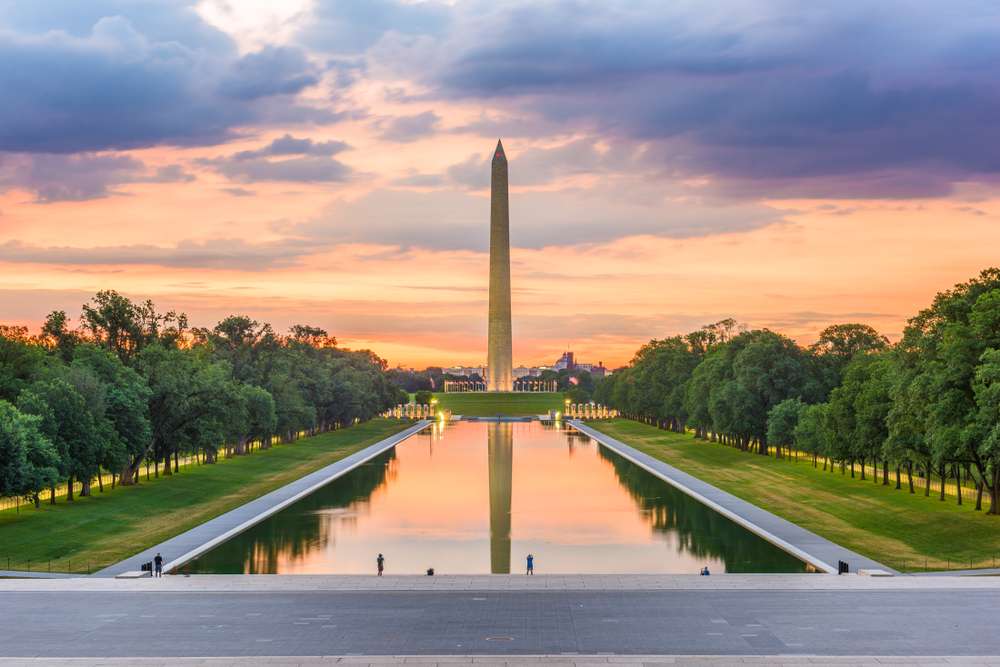
Construction of the Washington Monument stalled for decades due to political infighting and lack of funds. During one period, it stood unfinished and stubby, becoming a public embarrassment. Even the stone color changes halfway up because building materials came from different quarries years apart, a visible scar of political dysfunction.
Liberty Bell, Philadelphia, Pennsylvania
The Liberty Bell became a freedom symbol well after the American Revolution. Its famous crack occurred early in its life, and abolitionists later adopted it as an emblem against slavery. At the time of its use, the bell rang in a society that still allowed enslavement, complicating its modern meaning.
Bunker Hill Monument, Boston, Massachusetts

Despite its name, the Battle of Bunker Hill was mostly fought on nearby Breed’s Hill. The monument’s mislabeling stuck due to early reporting errors. Tourists often assume the monument marks an exact location, unaware that even foundational Revolutionary War stories were shaped by confusion and haste.
Crazy Horse Memorial, South Dakota

Unlike Mount Rushmore, Crazy Horse Memorial was commissioned by Native leaders, yet it remains controversial. Some Native Americans oppose carving any mountain, viewing it as another violation of sacred land. The monument’s scale and long construction timeline raise questions about whether honoring heritage through destruction is justified.
Jefferson Memorial, Washington, D.C.
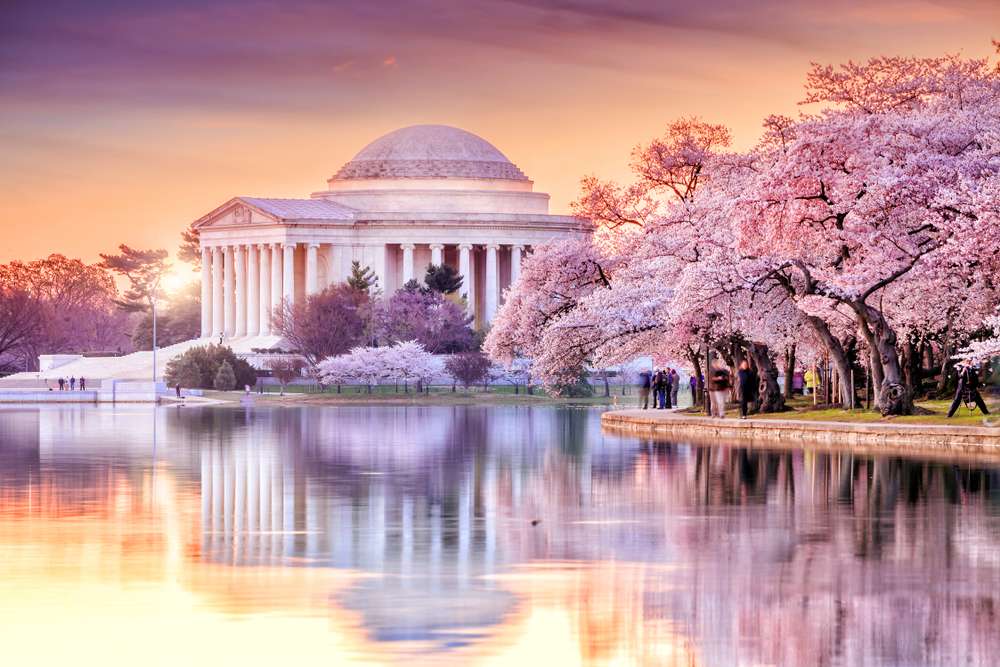
Thomas Jefferson is celebrated for liberty and democracy, but the memorial omits his role as a slaveholder. The site was chosen by removing trees cherished by residents, sparking public outrage at the time. The monument’s peaceful appearance masks the ethical contradictions surrounding its subject.
Fort Sumter National Monument, South Carolina
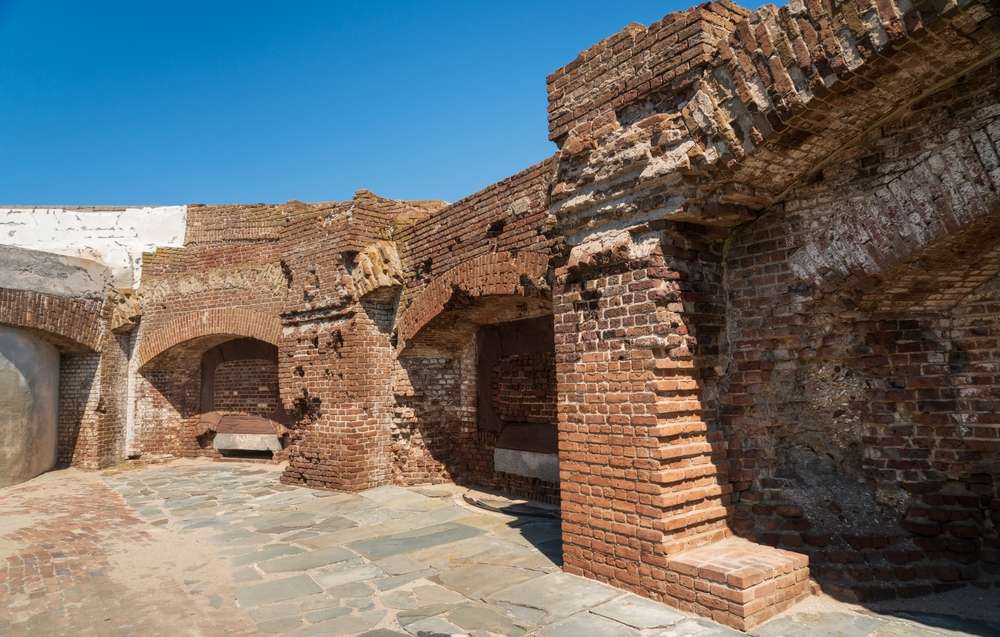
Fort Sumter marks the start of the Civil War, but early tours often downplayed slavery as the war’s central cause. Interpretations shifted decades later as historians pushed for accuracy. Visitors exploring American history travel routes may still encounter outdated narratives depending on presentation style.
Vietnam Veterans Memorial, Washington, D.C.

The memorial faced intense backlash when proposed. Critics called its black granite design unpatriotic and mournful. Only after additional statues were added did public opinion soften. Its now-beloved simplicity was once viewed as an insult to veterans rather than a tribute.
Stonewall National Monument, New York City

Stonewall is now a symbol of LGBTQ+ rights, but for years it went unrecognized. The uprising was led largely by marginalized individuals who were excluded from early narratives. Official recognition came decades later, long after many original participants were erased from public memory.
Gateway Arch, St. Louis, Missouri

The Gateway Arch celebrates westward expansion, a concept tied closely to displacement of Indigenous peoples. Early proposals ignored that reality entirely. While visually striking, the monument represents progress for some and loss for others, a contradiction often absent from casual U.S. travel discussions.
Arlington National Cemetery, Virginia

Arlington began as a deliberate punishment. Union forces seized Robert E. Lee’s estate to ensure his family could never return. Bodies were buried close to the mansion as a political message. What became sacred ground originated as an act of wartime retaliation.
Four Corners Monument, Southwest U.S.
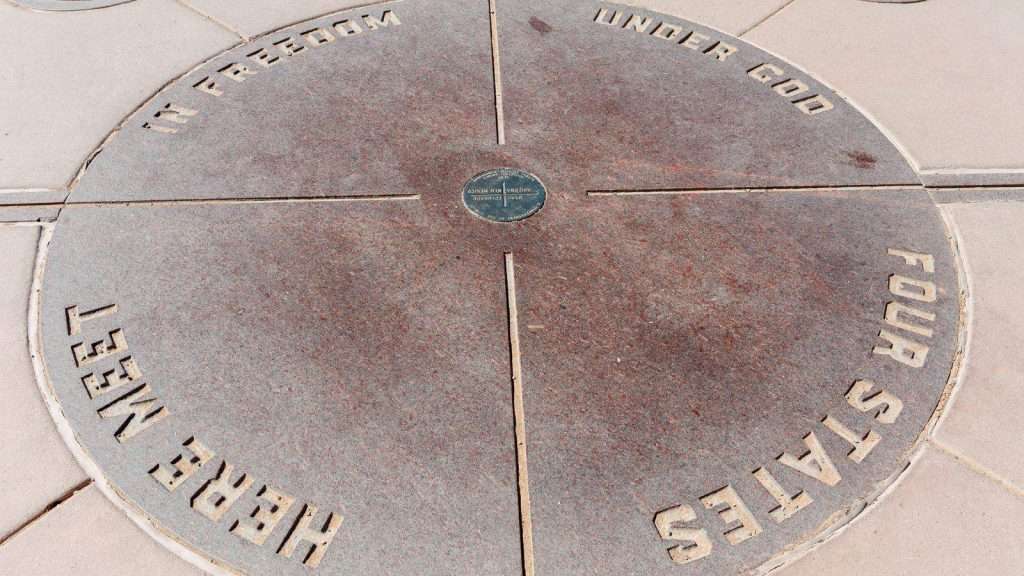
The monument marking four states meeting isn’t geographically accurate. Modern GPS places it slightly off true coordinates. Political boundaries were prioritized over precision. Tourists standing there are participating in a symbolic agreement rather than an exact geographic reality.
The Hollywood Sign, California
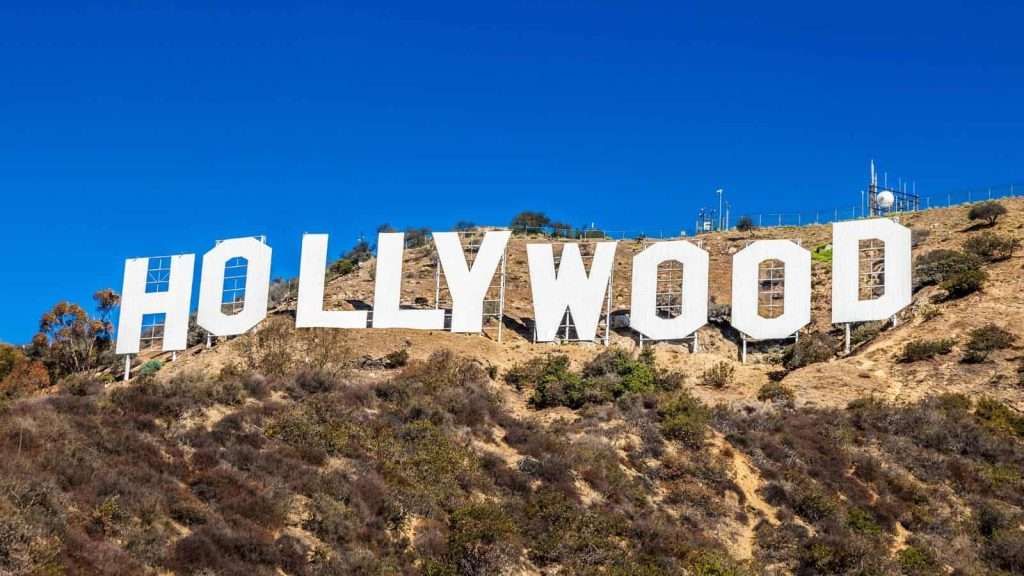
The sign was originally an advertisement for a housing development called “Hollywoodland.” It wasn’t meant to last and fell into disrepair. Its transformation into a global symbol of entertainment was accidental, shaped by neglect, reinvention, and public imagination.
Ellis Island Immigration Station, New York
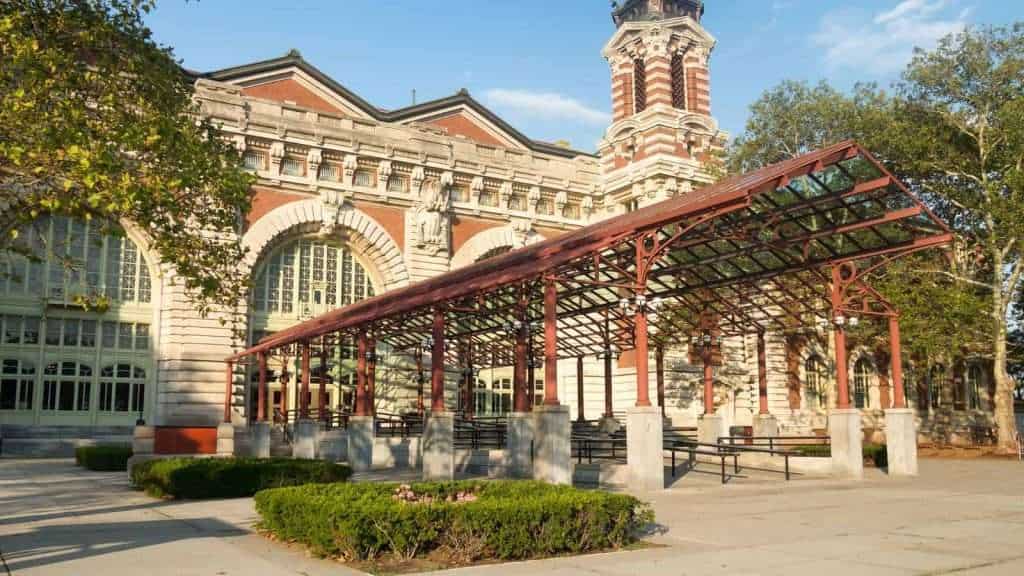
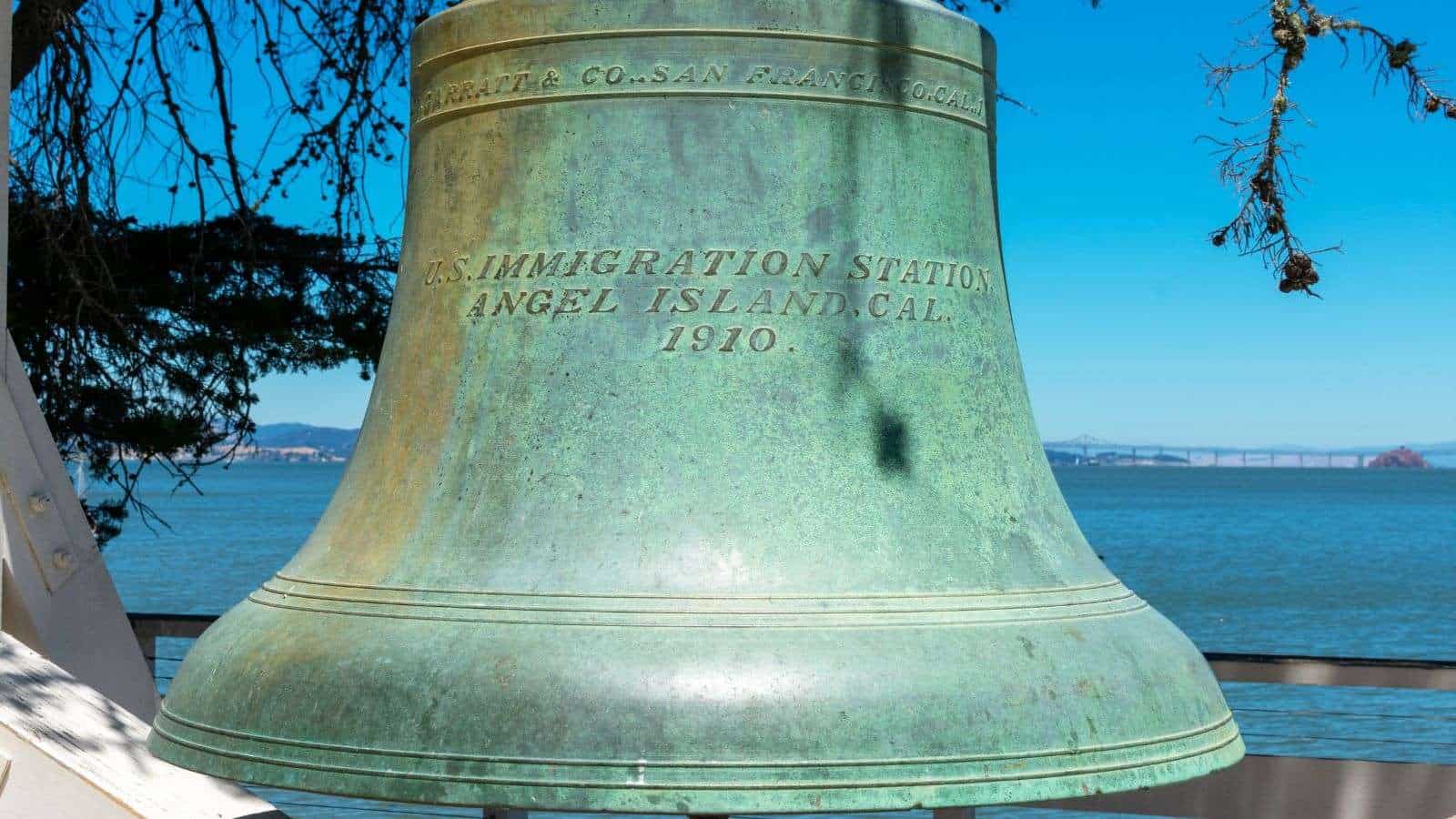
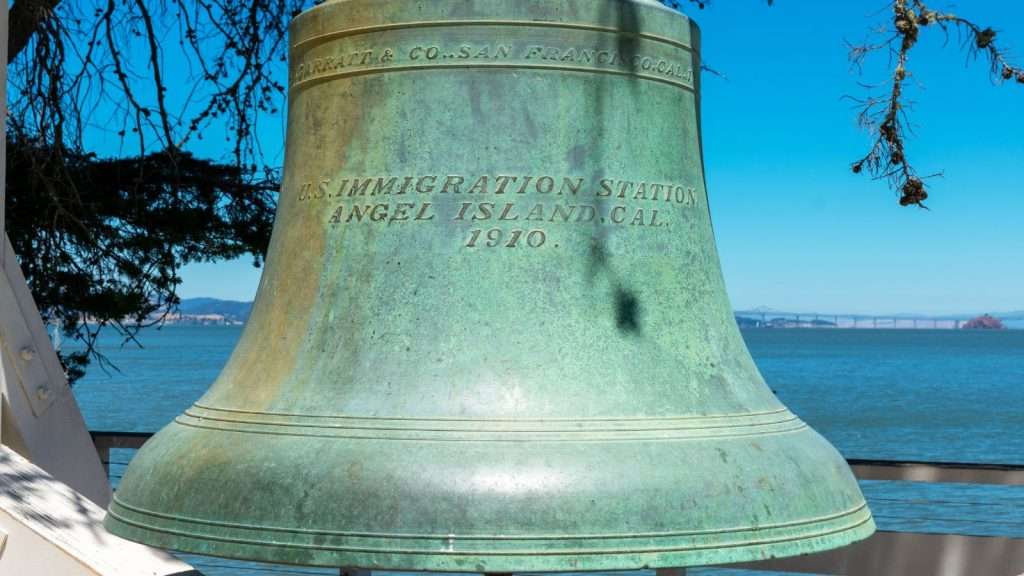
Ellis Island wasn’t always a welcoming gateway. Many immigrants were detained, interrogated, or deported after arrival. Families were separated with little explanation. The site now symbolizes opportunity, but its history includes fear and uncertainty rarely emphasized during visits.
The Alcatraz Cellhouse, California
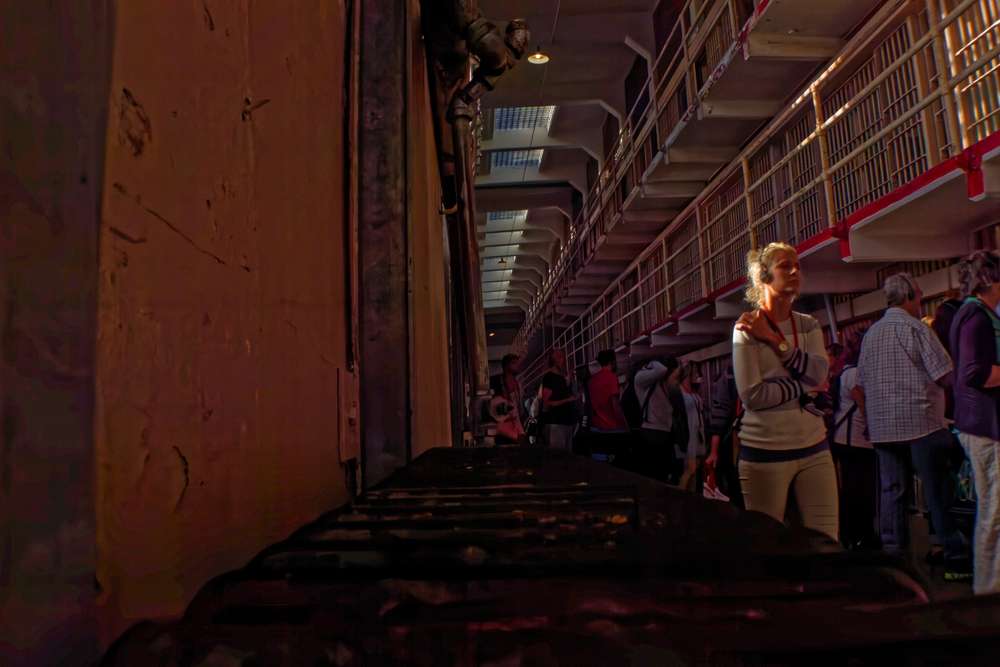
Alcatraz is marketed as a notorious prison, but its Indigenous occupation in the 1960s is less discussed. Native activists occupied the island to protest federal policies, reshaping conversations around sovereignty. The site represents protest as much as punishment.
The National Mall, Washington, D.C.

The Mall appears carefully planned, but its development displaced working-class communities and freed slaves who lived there. Entire neighborhoods were removed to create symbolic open space. Beneath the monuments lies a buried history of forced relocation.
Devils Tower National Monument, Wyoming
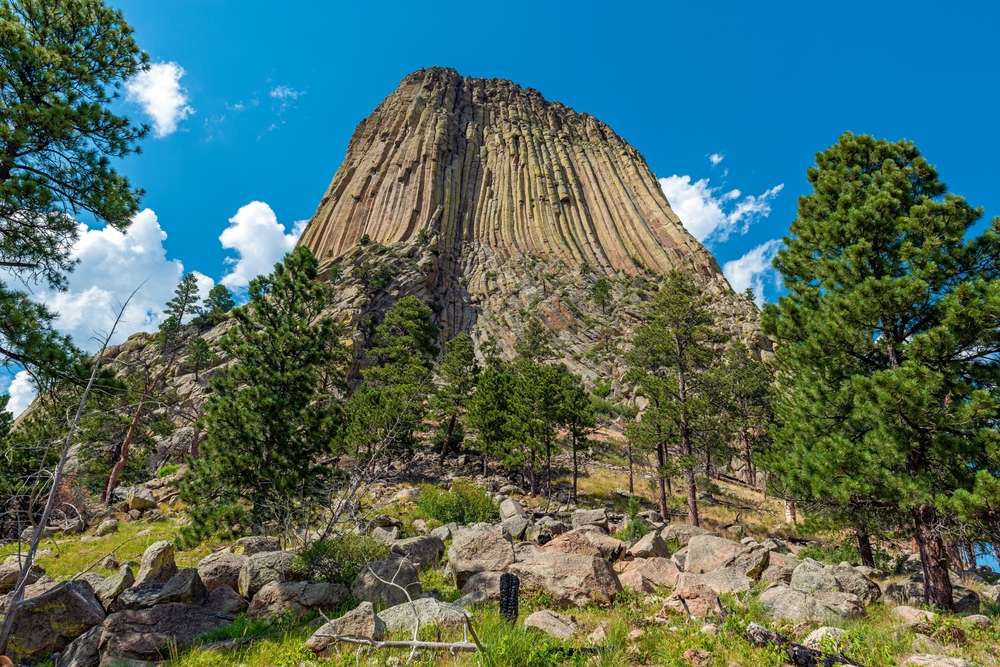
Devils Tower’s name originated from a mistranslation, not Indigenous tradition. Native tribes have sacred names for the formation, many of which were ignored. Climbers once treated it purely as recreation, sparking conflict over spiritual respect that continues today.
Manzanar National Historic Site, California

Manzanar preserves a Japanese American internment camp created through fear and prejudice during World War II. Families were imprisoned without due process. The site exists as a warning, yet its creation was once justified as national security rather than injustice.

Deborah Montiero is a seasoned travel writer and contributor to Probe the Globe. With a passion for uncovering hidden gems and sharing immersive travel experiences, Deborah’s work highlights must-visit destinations, insider tips, and practical advice for travelers of all types. Whether exploring bustling cities or remote escapes, her articles are crafted to inspire and inform, making her a trusted voice in the travel community.
Her storytelling weaves together cultural insights, logistical tips, and authentic experiences, making her a valuable resource for readers seeking unforgettable journeys.
When not writing, Deborah is likely researching the latest travel trends or planning her next adventure. Follow her work on Probe the Globe for fresh perspectives and up-to-date travel inspiration.