21 American Landmarks With Secret Rooms You’re Not Supposed to Find
Across the United States, some of the most iconic landmarks hide stories that most visitors will never hear. Behind walls, beneath floors, and inside towering structures lie concealed rooms that were built for secrecy, strategy, or sheer architectural necessity. These spaces become part of a hidden history, adding mystery to the places travelers think they know. Here are 21 American Landmarks With Secret Rooms You’re Not Supposed to Find.
The Statue of Liberty, New York
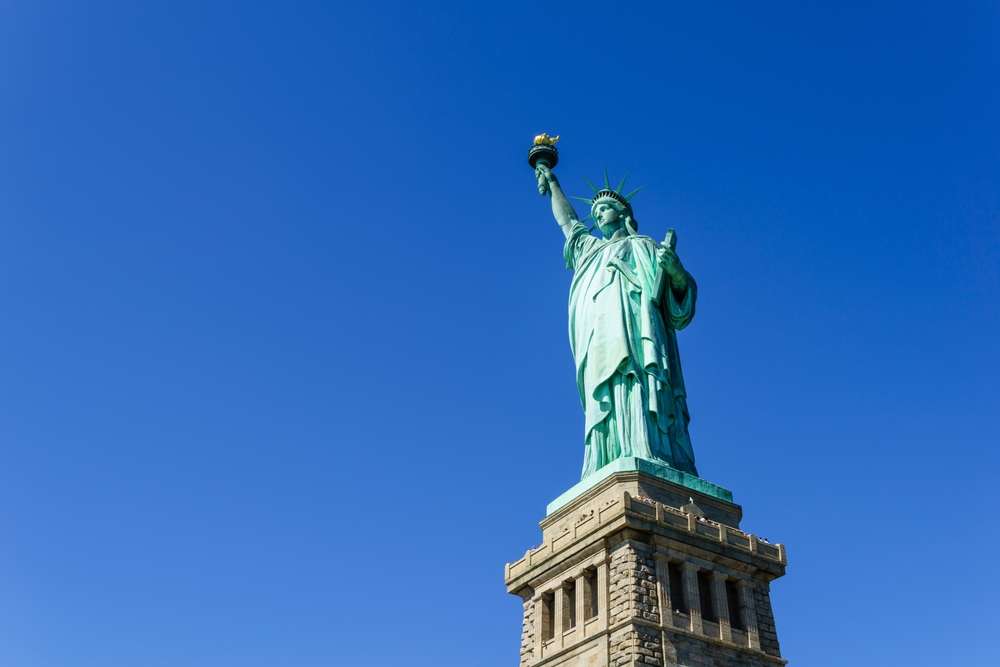
While millions explore the pedestal and crown each year, few realize that Liberty’s torch contains a locked chamber that has been closed to the public for more than a century. This hidden room was once accessible, offering breathtaking views of New York Harbor. After an explosion in 1916 damaged the statue, the internal torch chamber became permanently off-limits. Its continued secrecy adds a powerful layer of mystery to one of the most recognizable symbols in U.S. travel.
Mount Rushmore, South Dakota
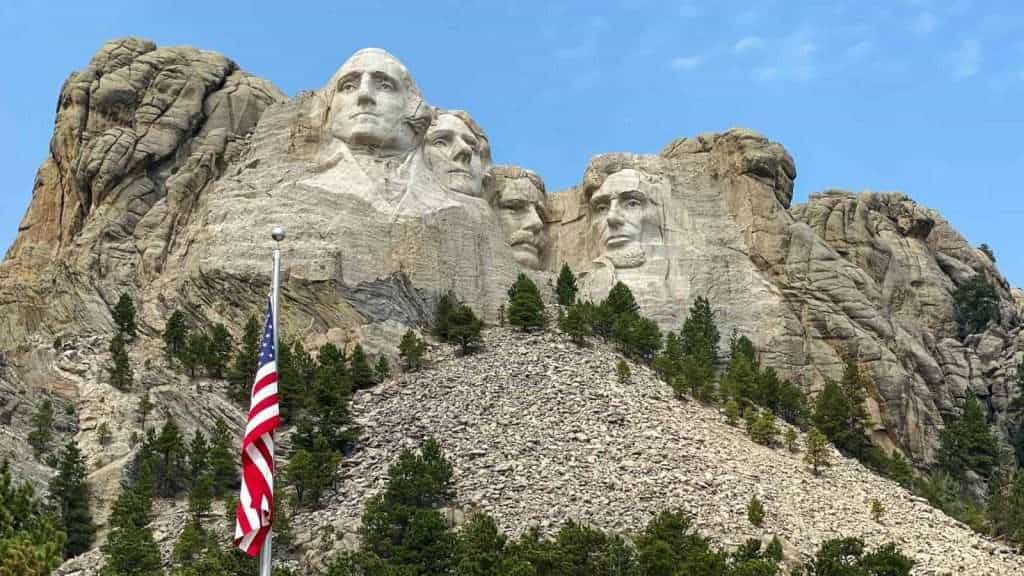
Behind the face of Abraham Lincoln lies a concealed chamber designed by sculptor Gutzon Borglum. The room, intended to house important national documents and artifacts, sits deep within the granite. Although unfinished, it still exists as a hidden chamber that most travelers never hear about. The idea that such a famous landmark contains a secret vault sparks endless curiosity among visitors.
Grand Central Terminal, New York

Far below the iconic terminal sits M42, a classified power control room that fueled the rail system during World War II. For years its existence was a tightly guarded secret, protected due to its strategic importance. Even now, its exact entrance is hard to locate and strictly restricted. Travelers passing through Grand Central every day remain unaware of the hidden operations humming beneath their feet.
The U.S. Capitol, Washington, D.C.

The Capitol building holds numerous hidden rooms, discreet hallways, and sealed chambers scattered throughout its historic structure. Some were used for secure meetings, while others provided quiet work areas for legislators during tense political moments. Many of these spaces can’t be accessed on public tours, maintaining a sense of secrecy. The Capitol’s long history makes these secret rooms a fascinating part of U.S. travel storytelling.
Hearst Castle, California

Hearst Castle’s grand architecture is filled with secret passageways, hidden libraries, and private guest spaces that only a select few ever saw. William Randolph Hearst designed many of these rooms to offer privacy for celebrities and political guests. Some chambers remain off-limits today, preserved in their original condition. Their existence enhances the castle’s reputation as one of the most intriguing historic estates in America.
The Alamo, Texas
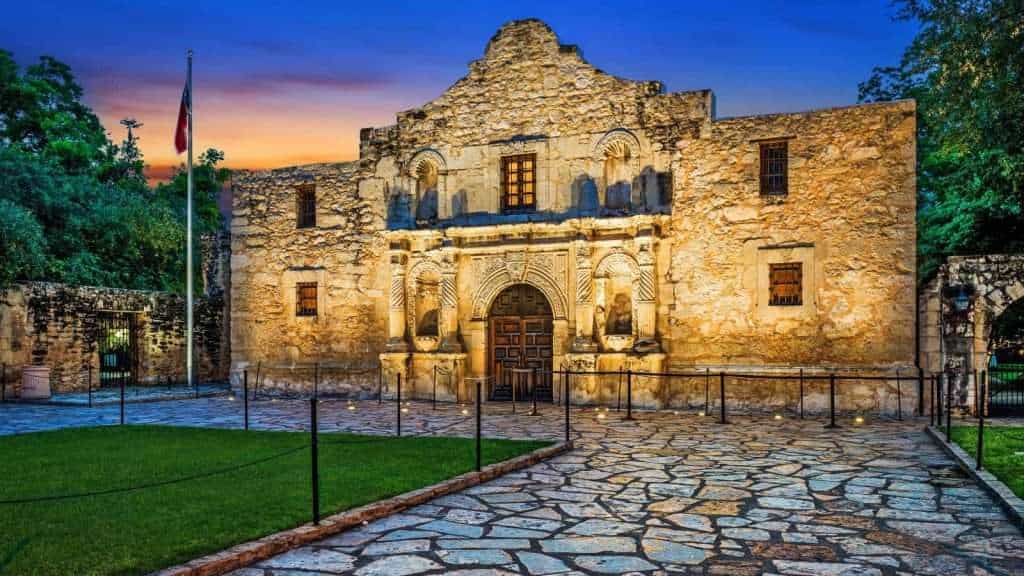
Beyond its well-known courtyard and chapel, the Alamo contains concealed storage rooms and discreet passageways that were used during its mission and military eras. Some areas were built into thick stone walls, while others were added to support operations during periods of conflict. Although visitors walk past these hidden spaces daily, most remain inaccessible. The quiet mystery of these rooms deepens the landmark’s historical significance.
The Empire State Building, New York
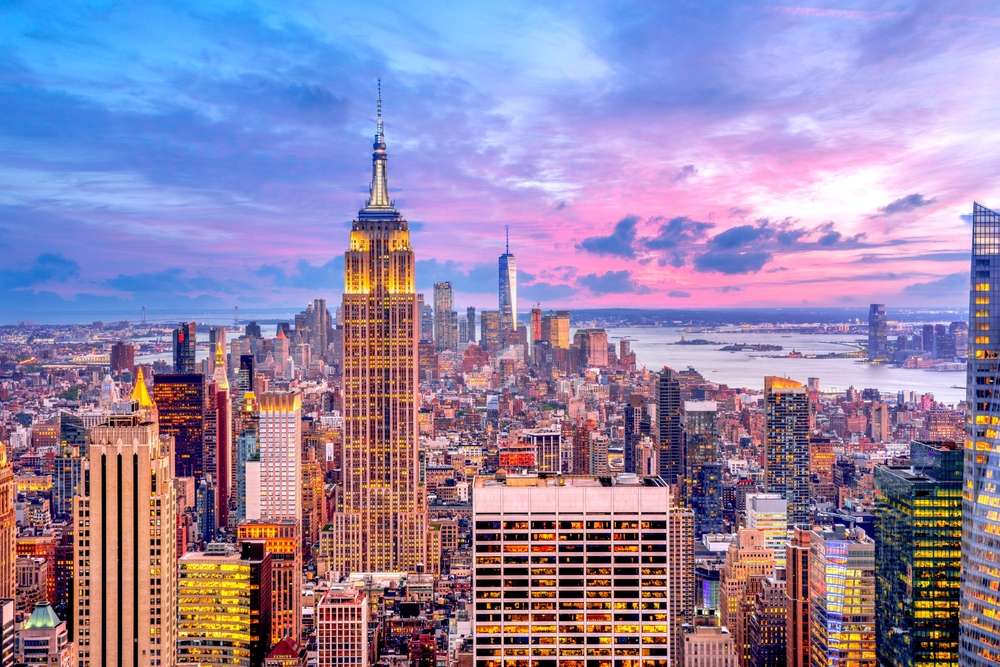
High above the main observation deck lies a little-known space on the 103rd floor. This tiny platform, accessible only by a narrow ladder, offers one of the most dramatic views in the city, yet almost no one ever sees it. Restricted for safety, the chamber has become a whispered part of the building’s mythology. It’s a surprising secret hidden within one of the most visited buildings in U.S. travel.
Hoover Dam, Nevada–Arizona Border
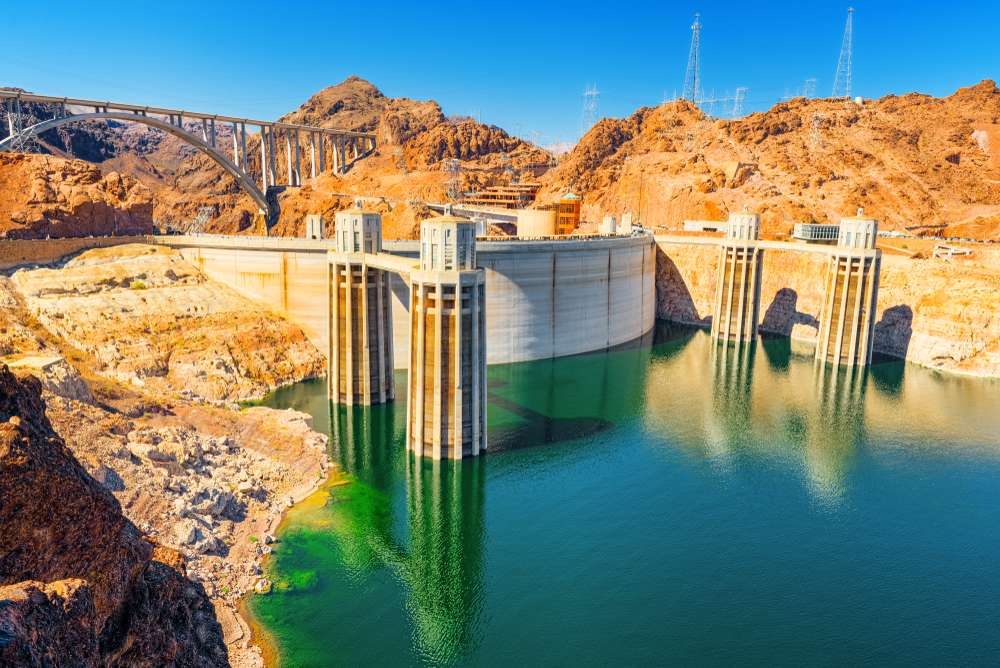
Hoover Dam contains miles of maintenance tunnels, sealed chambers, and inspection rooms built into the thick concrete walls. Some areas were used for critical engineering work during construction and remain inaccessible to the public. Visitors on guided tours see only a fraction of the dam’s internal complexity. These hidden spaces help explain why the structure remains one of America’s most impressive engineering achievements.
Fort Point, San Francisco, California
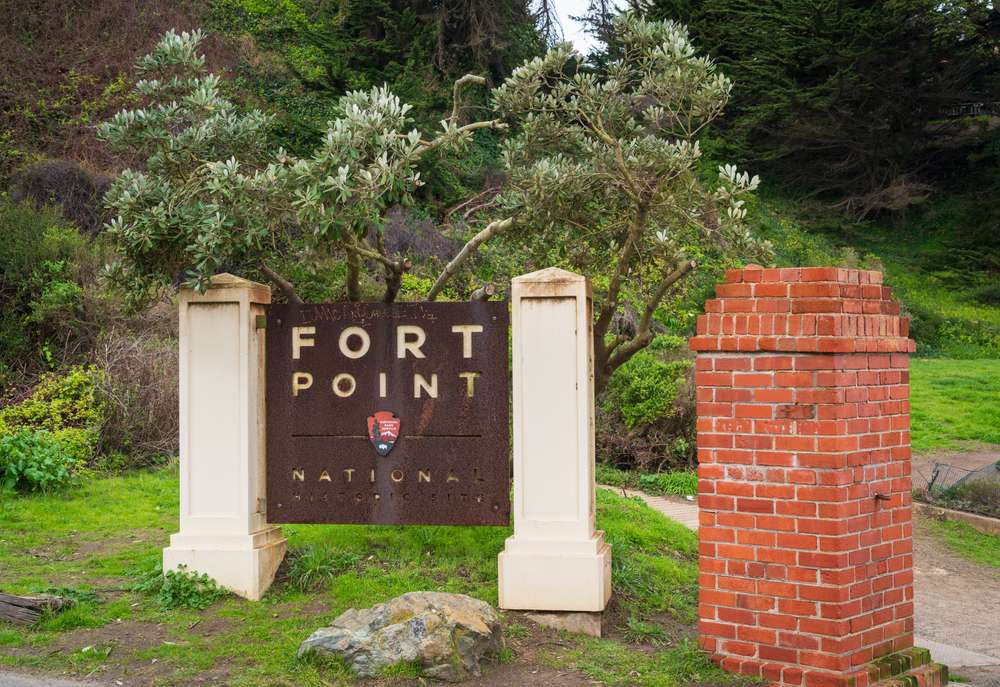
At the base of the Golden Gate Bridge lies Fort Point, an old Civil War–era structure with secret casemates, dim corridors, and concealed storage rooms. Many of these spaces were intentionally designed to support defensive operations. While some are visible today, others remain sealed for safety or preservation reasons. The hidden architecture adds to the fort’s dramatic atmosphere beneath the towering bridge.
Winchester Mystery House, California
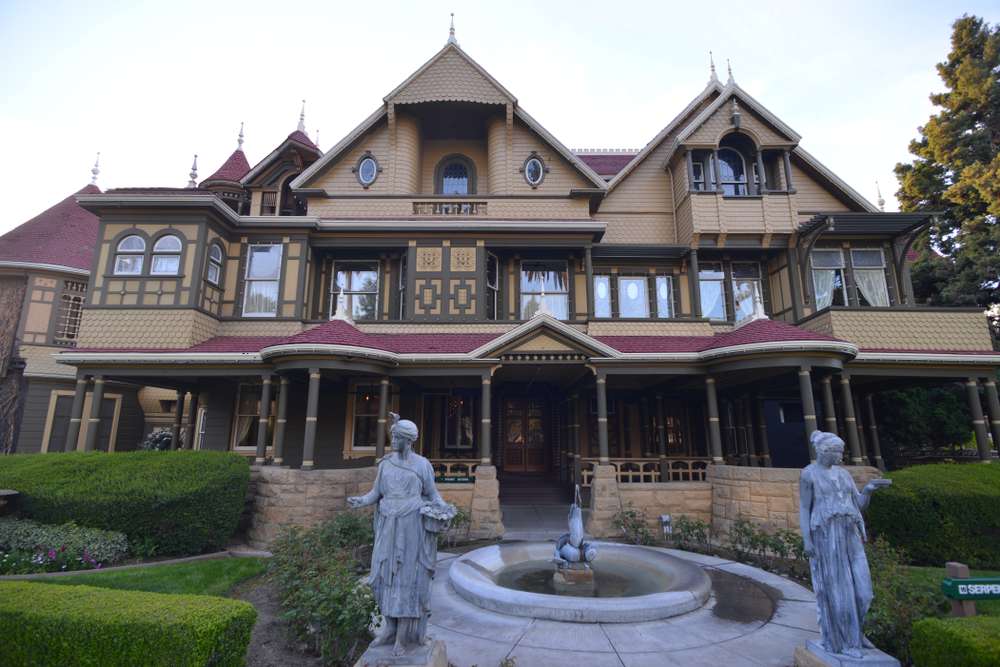
The Winchester Mystery House is famous for its bizarre corridors, hidden rooms, and confusing staircases. Sarah Winchester’s endless construction resulted in dozens of secret spaces, some of which were only discovered decades later. Many chambers were created for reasons no one fully understands. The home remains one of the strangest and most mysterious destinations in U.S. travel.
Biltmore Estate, North Carolina

America’s largest home includes hidden hallways, secret doorways, and concealed servant passages designed for discretion and efficiency. Some rooms blend so seamlessly into the walls that guests never knew they existed. These hidden features underscore the massive scale and elegant design of the Biltmore. They also reveal how much activity took place behind the scenes of this lavish estate.
Chicago Union Station, Illinois
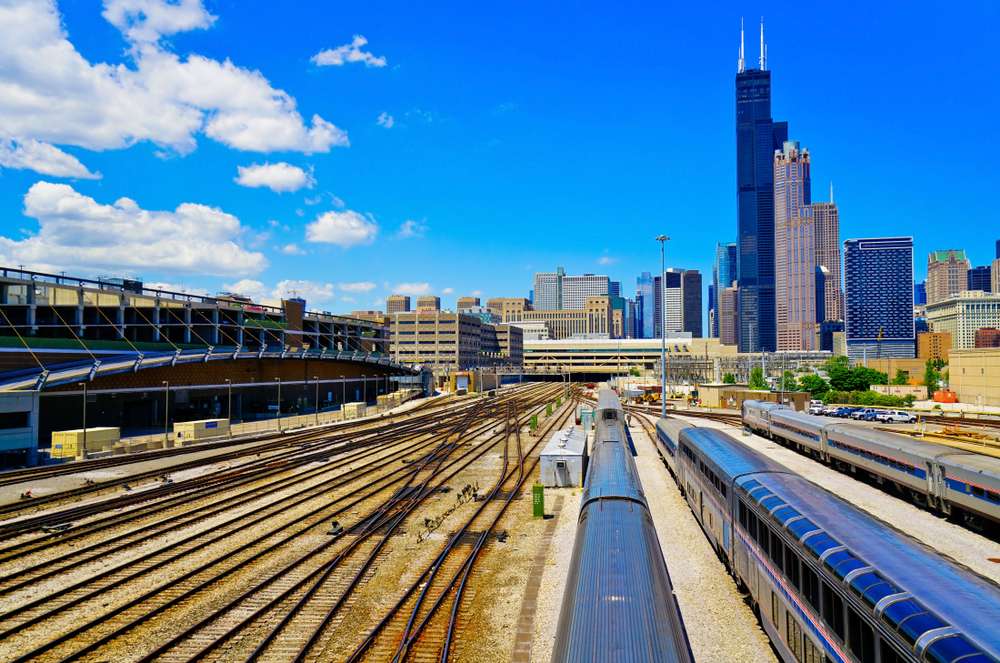
Chicago Union Station’s historic building conceals abandoned rooms and quiet upper-level chambers left over from its early years. Some of these areas once served as lounges or private gathering spaces. Today they remain closed, aging quietly behind locked doors. Their presence gives the station an aura of mystery that travelers rarely notice.
Jefferson Memorial, Washington, D.C.
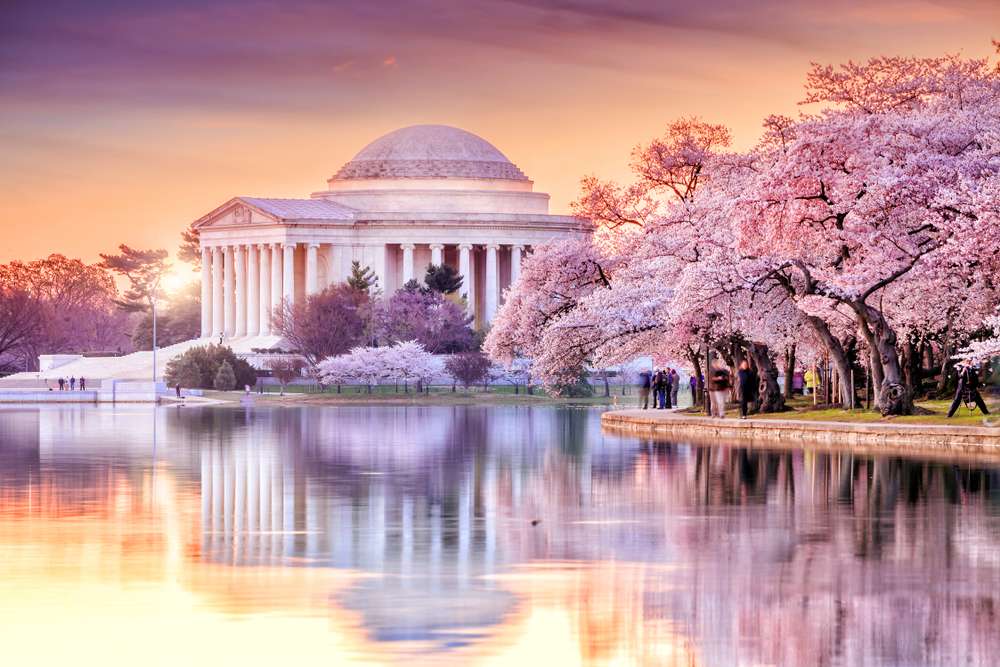
Beneath the iconic memorial lies a large, concealed maintenance chamber created during construction to support the structure above. For years, few people realized how much space existed below the marble floors. Although inaccessible to visitors, this hidden area is crucial for preservation work. It adds a surprising hidden layer to one of Washington’s most peaceful sites.
The Pentagon, Virginia

The Pentagon is filled with classified rooms, restricted corridors, and hidden vaults designed for national security. Some spaces blend seamlessly into the building’s five-ring layout, making them nearly impossible to locate without clearance. Their purposes vary widely, from communications to carefully controlled archives. The very design of the Pentagon depends on secrecy, making its hidden rooms both expected and endlessly intriguing.
Lincoln Memorial, Washington, D.C.
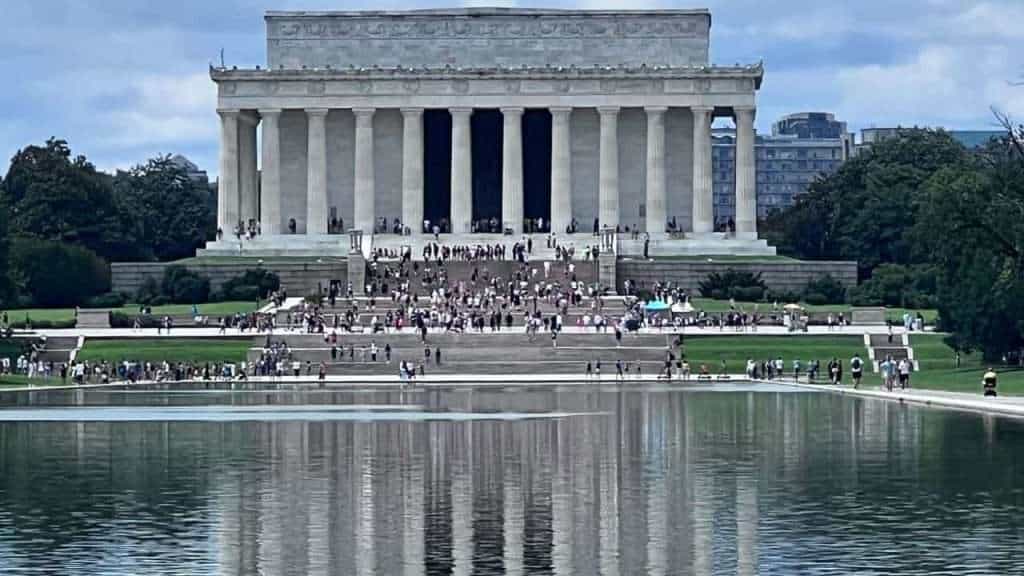
Below the Lincoln Memorial sits a cavernous room filled with early construction markings, old support structures, and mysterious graffiti left by workers. For decades, few people outside maintenance teams even knew it existed. While not open to the public, the chamber has become a point of fascination among historians. Its presence adds a raw and unexpected dimension to the refined marble monument above.
French Quarter Buildings, New Orleans, Louisiana

Many old French Quarter buildings contain hidden courtyards, concealed second-story rooms, and narrow internal walkways used throughout the city’s complicated history. Some were added for privacy, while others supported trade or household operations. These secret spaces remain shielded behind shutters and balconies that visitors stroll past every day. Their stories add depth to one of the most culturally rich destinations in U.S. travel.
St. Louis Gateway Arch, Missouri
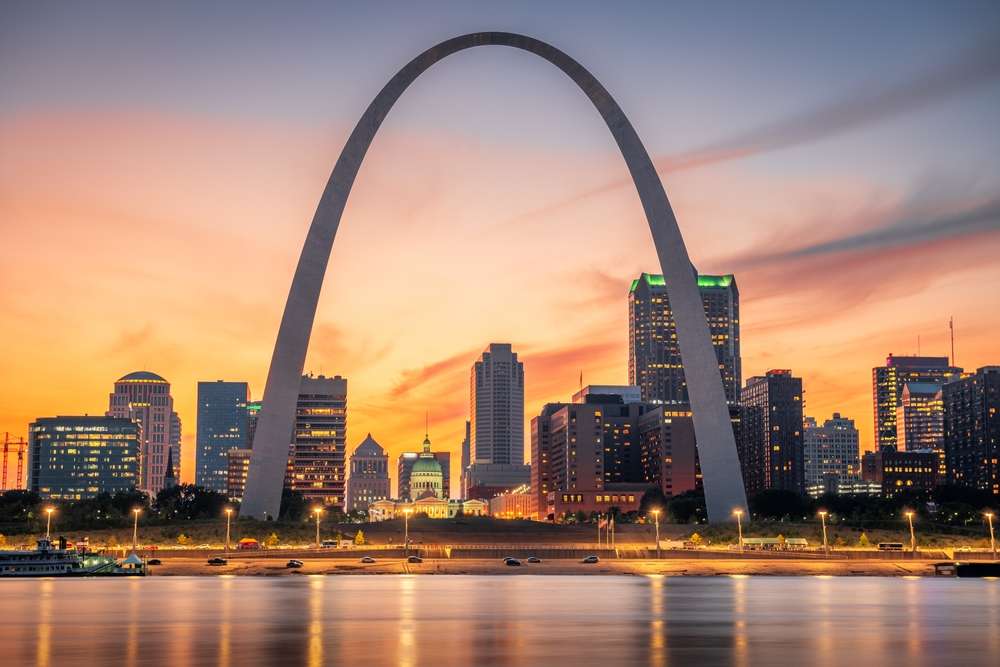
Inside the Gateway Arch are several secret rooms and tight mechanical chambers used for operations and structural inspections. Most travelers only experience the tram and the observation deck high above the city. However, hidden behind the curved steel are spaces most visitors will never know exist. These interior chambers reveal the technical complexity behind the nation’s tallest monument.
The Space Needle, Washington
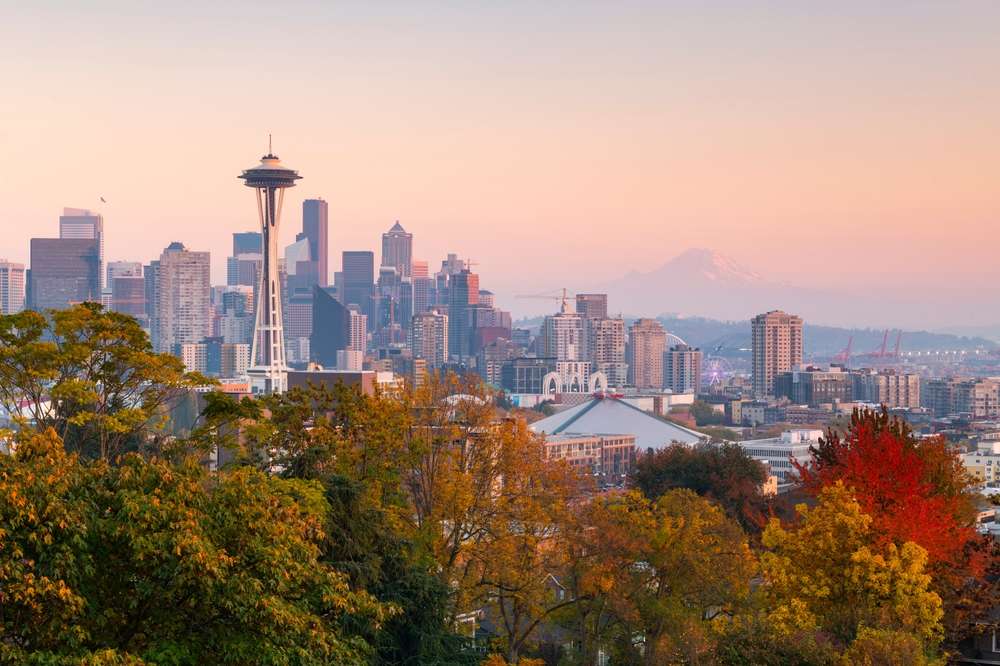
The Space Needle hides a discreet mechanical room near the top of the tower, essential for supporting the rotating restaurant and observation features. Although unseen by the public, this chamber plays a key role in the structure’s functionality. Its location near the upper levels makes it one of the most surprising hidden rooms in American architecture. Many travelers are amazed to learn the tower conceals more than its sleek exterior suggests.
Independence Hall, Pennsylvania

Independence Hall contains small hidden rooms used during the 18th century to store important documents and host private discussions. Some spaces were created out of necessity, while others were designed to protect sensitive materials. Although public tours highlight the main chambers, the secret rooms remain out of reach. Their legacy expands the historical weight of one of America’s most significant landmarks.
The Hollywood Sign, California
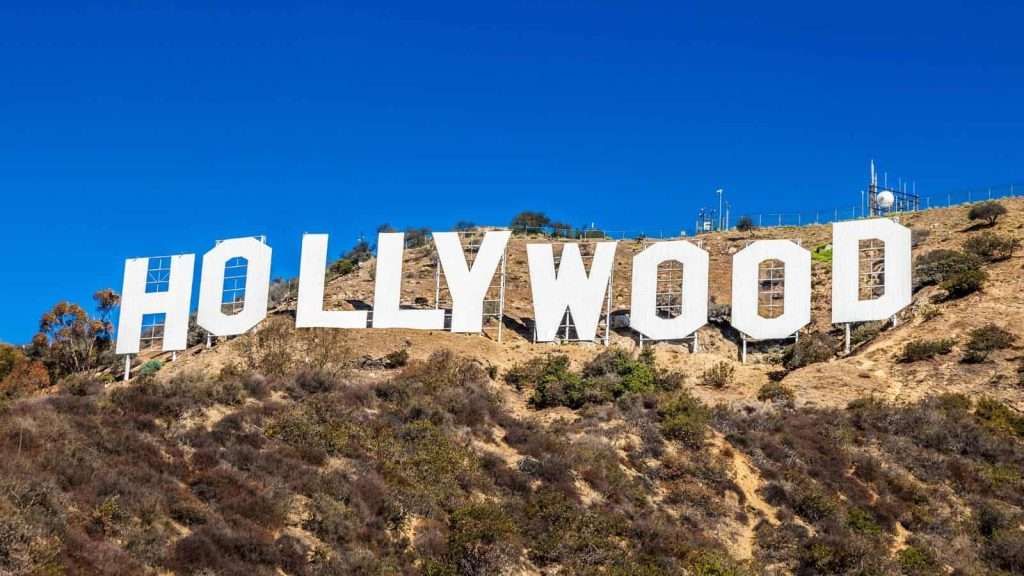
Although not a traditional building, the Hollywood Sign contains restricted spaces beneath and around its giant letters. Hidden behind protective fencing are maintenance chambers, stored materials, and remnants from earlier versions of the sign. These areas are heavily protected due to safety concerns. Their existence gives the famous sign a hidden backstory most travelers never imagine.
Fort Sumter, South Carolina
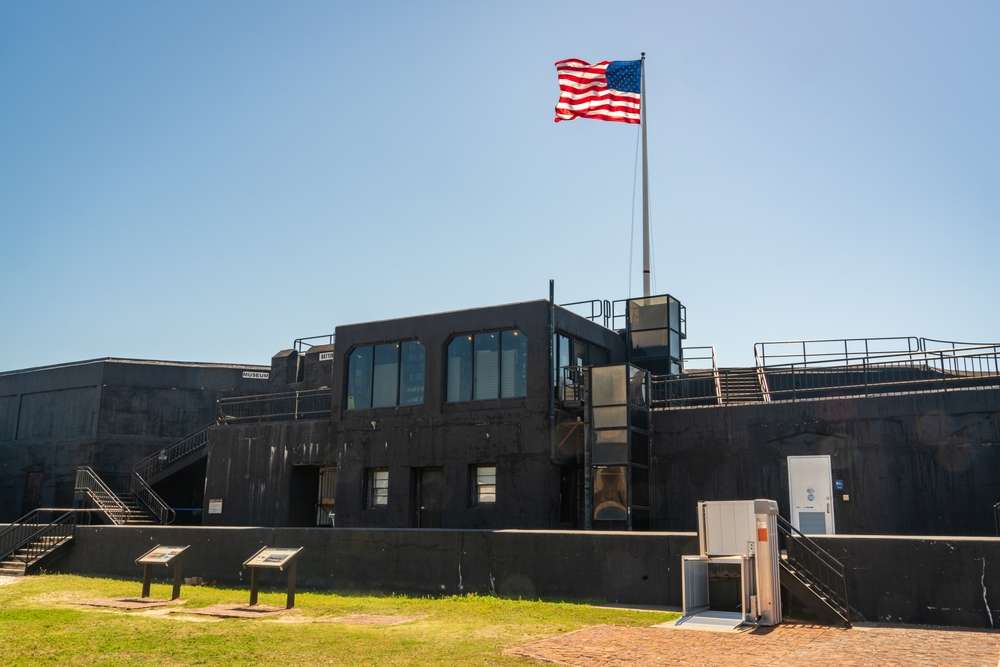
Fort Sumter’s original structure included hidden storage rooms, munitions spaces, and compact chambers built into thick coastal walls. Though many are sealed today, their remains help historians understand how the fort operated during the Civil War. The heavy masonry conceals these forgotten rooms from most visitors. Their presence adds a haunting quietness to the historic island stronghold.

Deborah Montiero is a seasoned travel writer and contributor to Probe the Globe. With a passion for uncovering hidden gems and sharing immersive travel experiences, Deborah’s work highlights must-visit destinations, insider tips, and practical advice for travelers of all types. Whether exploring bustling cities or remote escapes, her articles are crafted to inspire and inform, making her a trusted voice in the travel community.
Her storytelling weaves together cultural insights, logistical tips, and authentic experiences, making her a valuable resource for readers seeking unforgettable journeys.
When not writing, Deborah is likely researching the latest travel trends or planning her next adventure. Follow her work on Probe the Globe for fresh perspectives and up-to-date travel inspiration.