17 American Lakes Locals Believe “Never Give Back What They Take”
Across the United States, certain lakes have earned unsettling reputations among the people who live near them. These bodies of water are often described as beautiful but unforgiving, places where accidents feel too frequent to dismiss as coincidence. Local stories speak of disappearances, failed searches, and a sense that something is always missing once the water takes it. For travelers interested in eerie destinations and darker folklore tied to U.S. travel, these 17 lakes inspire both fascination and caution.
Lake Lanier, Georgia
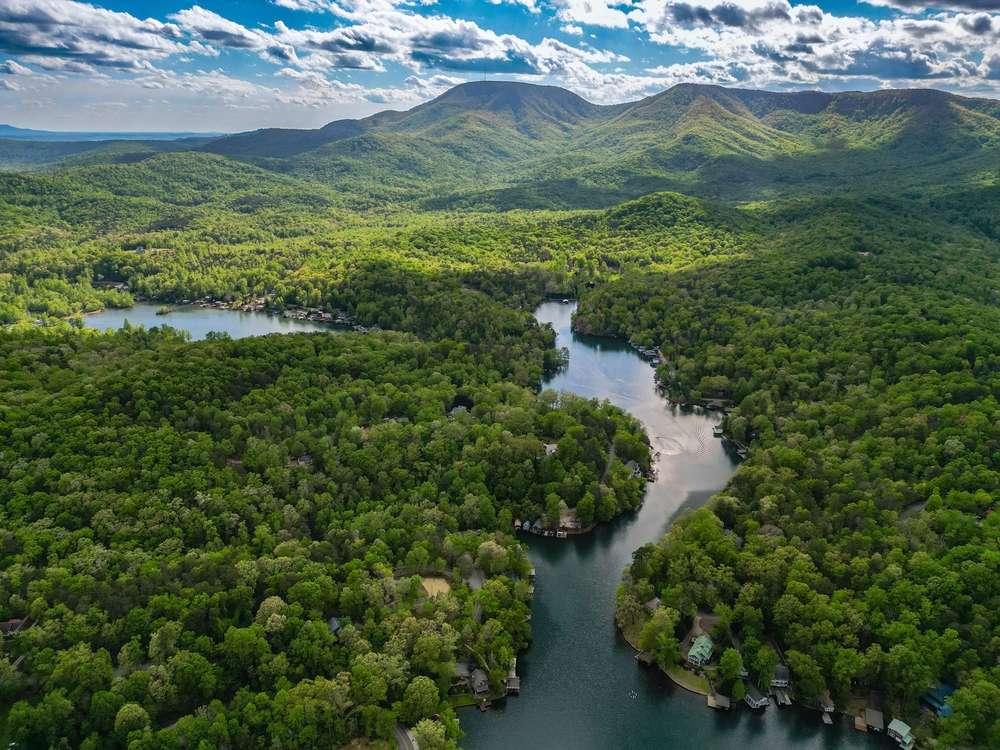
Lake Lanier is infamous across Georgia for its long history of drownings and boating accidents. Locals point to submerged towns, roads, and forests left behind after the lake was created, believing these hidden structures contribute to its dangers. Bodies are sometimes recovered far from where disappearances occur, and some are never found at all. For U.S. travel visitors, the lake’s popularity contrasts sharply with its grim reputation.
Lake Mead, Nevada and Arizona
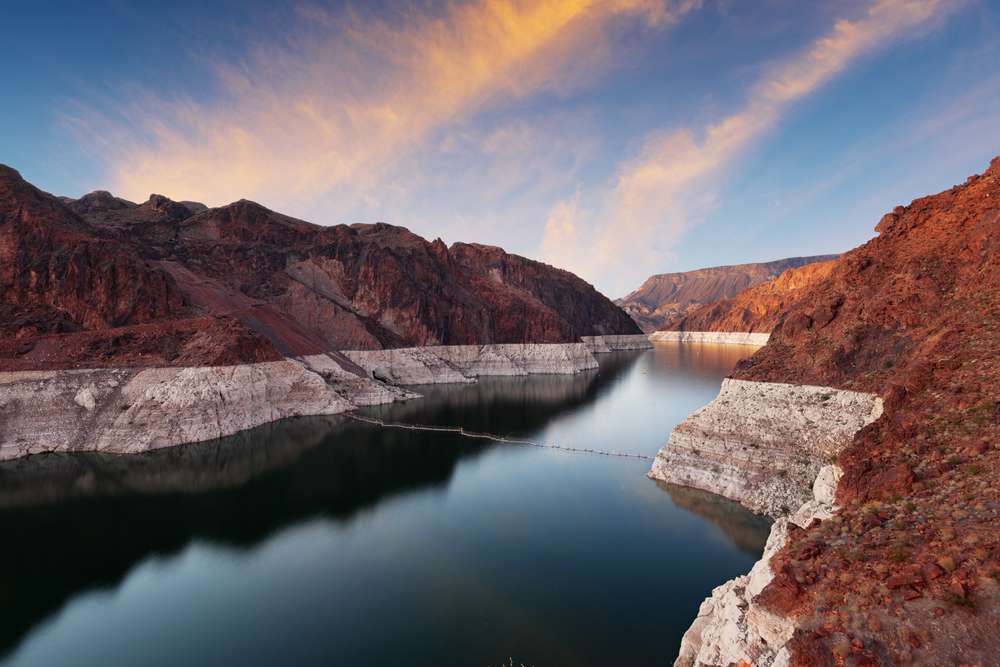
Lake Mead’s vast size and fluctuating water levels make it unpredictable. Locals often say the lake keeps what it claims, referencing numerous disappearances over the decades. Strong currents, sudden drop-offs, and extreme heat complicate rescue efforts. Even experienced swimmers and boaters have vanished without explanation. For U.S. travel explorers, Lake Mead feels immense and indifferent, a reminder of how small people are in open water.
Lake Okeechobee, Florida
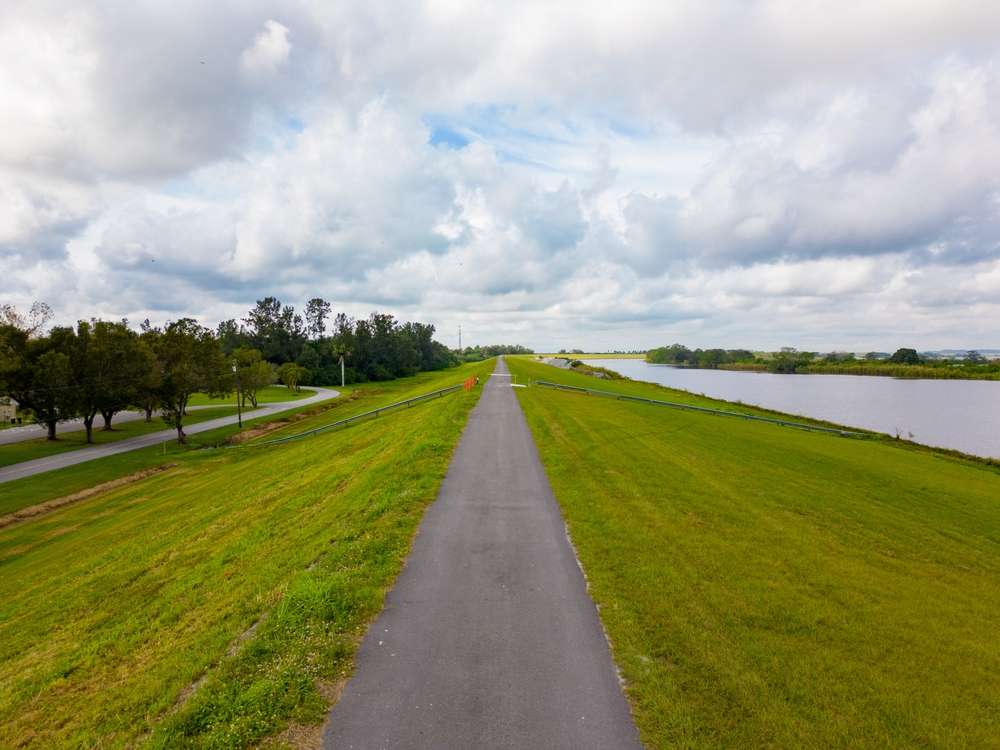
Lake Okeechobee appears calm, but locals warn it can turn deadly with little notice. Sudden storms create massive waves, and shallow depths contribute to violent turbulence. Stories of people going missing during routine trips are common. Search efforts are often complicated by murky water and thick vegetation. U.S. travel enthusiasts quickly learn that beauty here does not equal safety.
Lake Michigan, Great Lakes Region
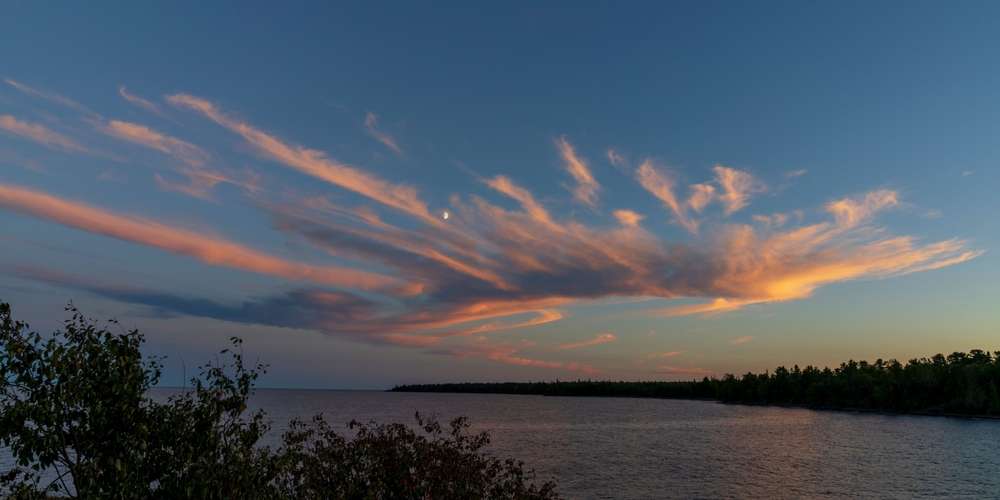
Lake Michigan is known for powerful rip currents and cold temperatures that shock the body. Locals frequently warn visitors that the lake does not always return those it takes. Ships, swimmers, and even aircraft have vanished over the years. Weather can shift rapidly, trapping people unexpectedly. For U.S. travel adventurers, Lake Michigan feels more like an inland sea than a lake.
Crater Lake, Oregon
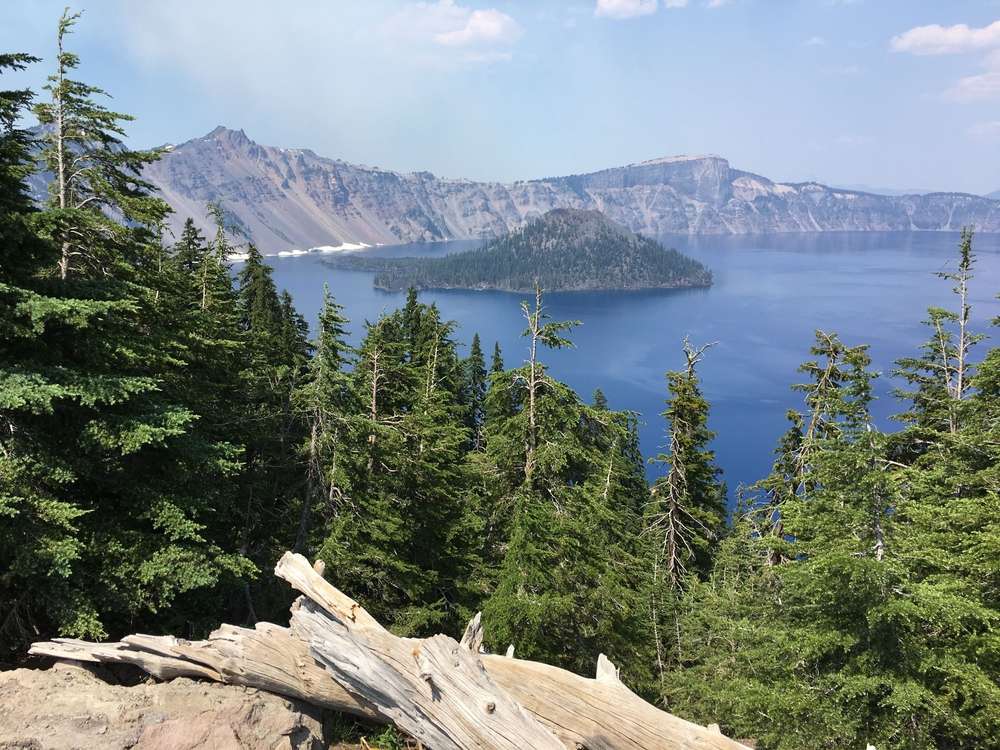
Crater Lake’s stunning clarity hides extreme depth and frigid water. Locals say anyone who goes under is unlikely to come back. Steep caldera walls make recovery nearly impossible if something goes wrong. Even objects dropped into the lake can take years to surface, if they do at all. U.S. travel visitors often feel an uneasy respect standing at its edge.
Lake Tahoe, California and Nevada
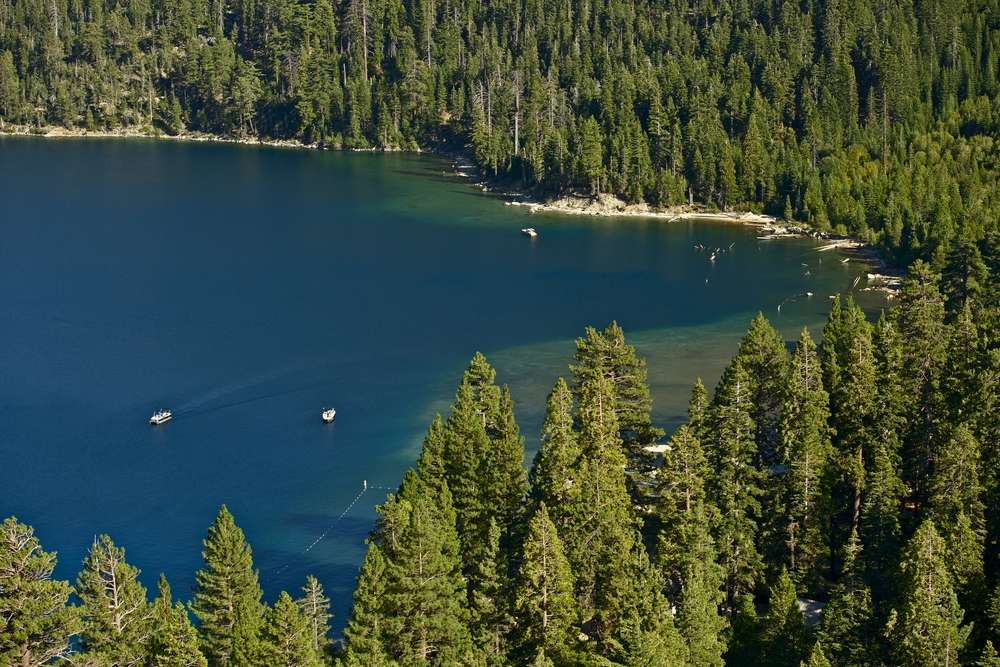
Lake Tahoe’s cold temperatures preserve bodies far longer than expected, contributing to its unsettling reputation. Locals believe the lake chooses when, or if, it gives anything back. Sudden storms and deep water make rescue difficult. Divers have reported eerie underwater conditions that discourage exploration. For U.S. travel enthusiasts, Tahoe’s beauty carries a subtle warning.
Lake Superior, Great Lakes Region
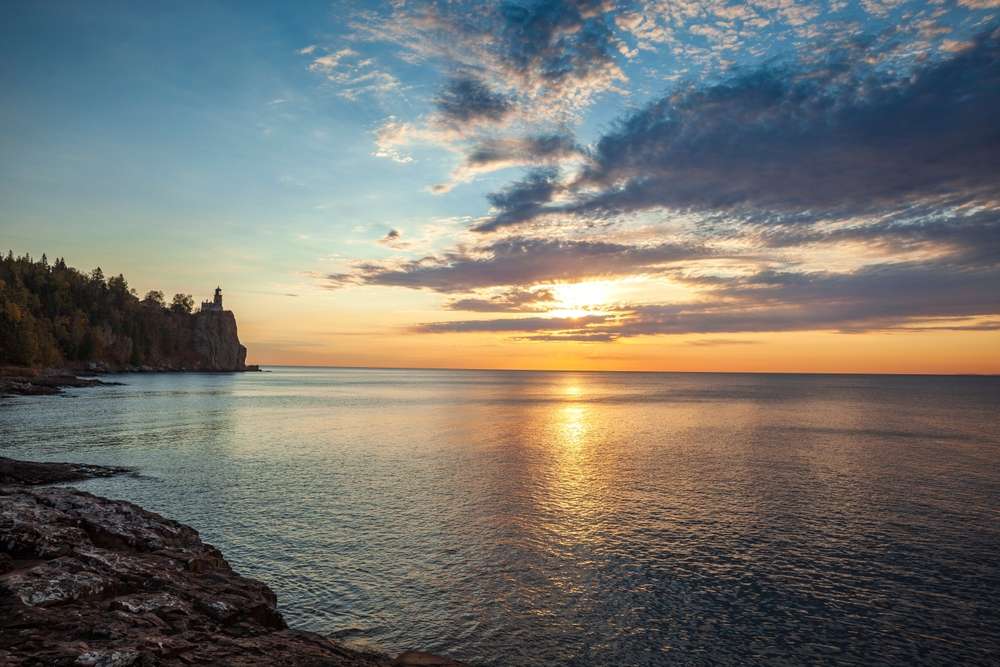
Lake Superior is legendary for shipwrecks and disappearances. Locals say the lake never forgets and rarely forgives. Its size creates its own weather systems, and cold water limits survival time drastically. Many wrecks remain undiscovered. For U.S. travel explorers, Lake Superior feels ancient and powerful, demanding caution at every shoreline.
Lake Crescent, Washington
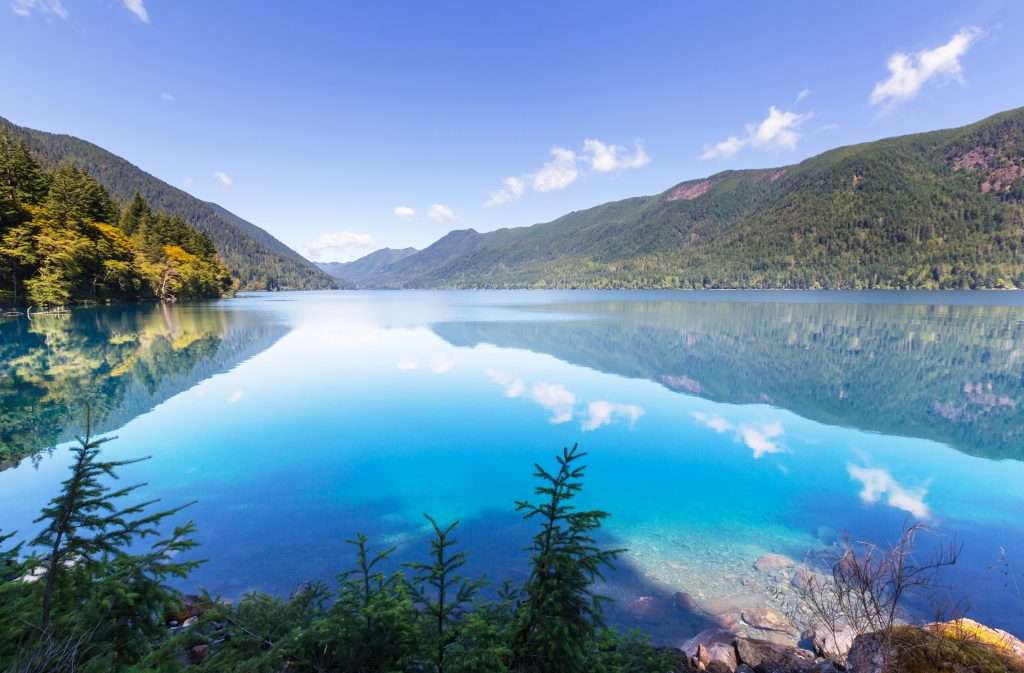
Lake Crescent’s clarity is deceptive, as its depth and cold water create serious hazards. Locals say the lake holds onto what sinks into it. Strong underwater currents and limited visibility at depth complicate recovery efforts. Objects dropped into the lake often vanish entirely. For U.S. travel adventurers, the lake feels quiet but deeply unsettling.ple recreational spot.
Lake Powell, Utah and Arizona

Lake Powell’s canyon walls and vast size create dangerous conditions. Locals warn that people disappear here with alarming frequency. Strong currents, cold water, and confusing side canyons hinder rescue operations. Search efforts often end without closure. For U.S. travel explorers, Lake Powell feels like a maze that quietly consumes mistakes.
Kentucky Lake, Kentucky and Tennessee
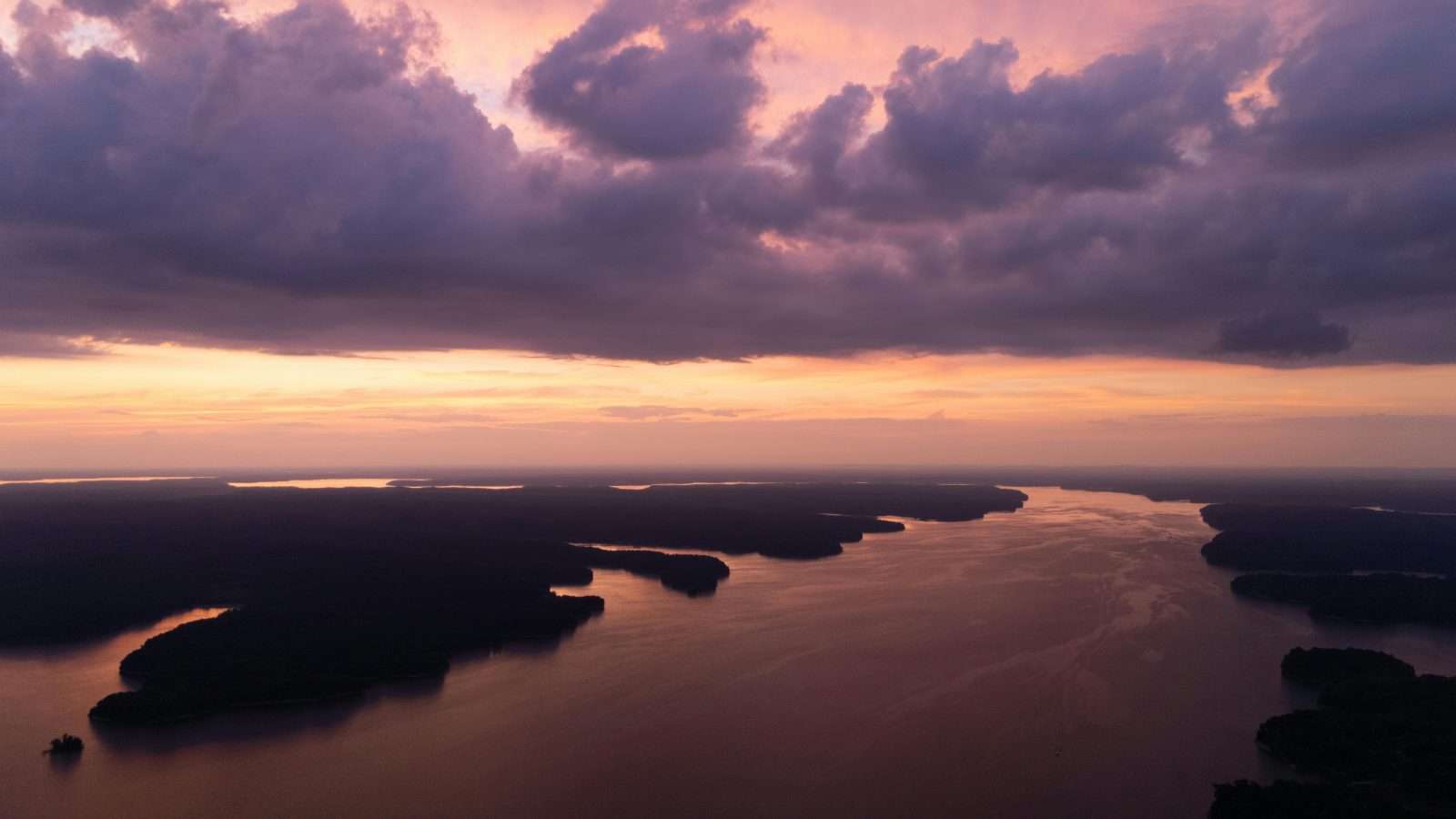
Kentucky Lake’s size and heavy boat traffic contribute to frequent accidents. Locals say once the lake takes something, it rarely returns it intact. Submerged debris and strong currents complicate rescues. The lake’s calm appearance masks serious risks. For U.S. travel visitors, Kentucky Lake demands more respect than it often receives.
Lake Havasu, Arizona
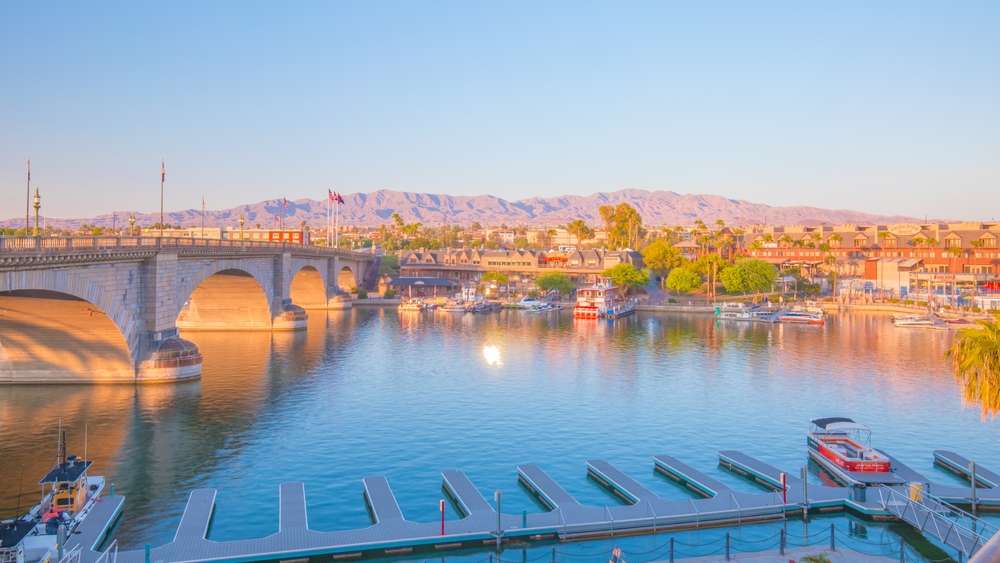
Lake Havasu is popular for recreation, but locals warn about dangerous undertows and extreme heat. Many drownings occur during seemingly routine outings. Recovery efforts are often delayed or unsuccessful. Stories circulate of people vanishing during busy weekends. U.S. travel explorers quickly realize the lake’s party reputation hides real danger.
Lake Murray, South Carolina
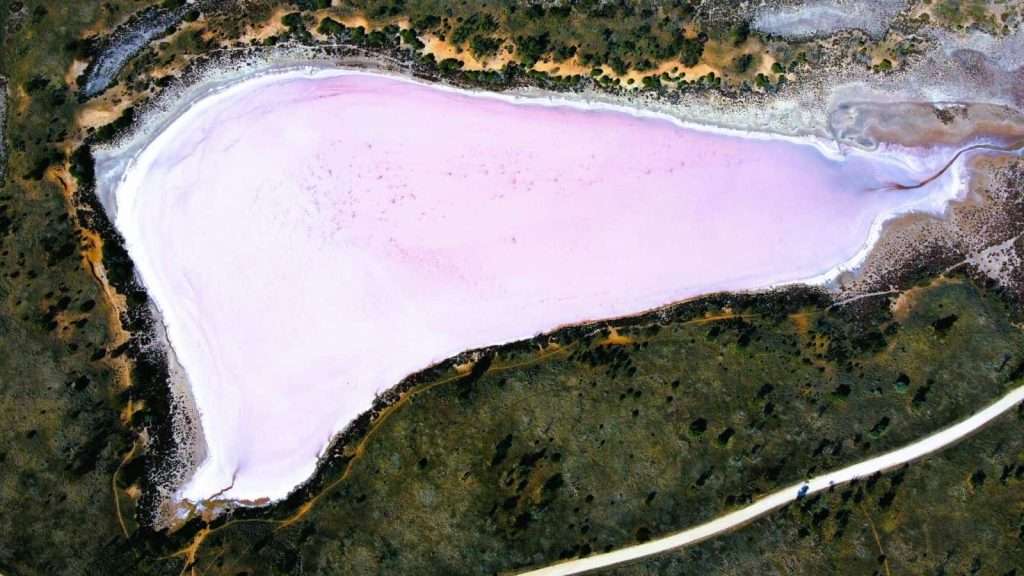
Lake Murray is known locally for its depth and unpredictable conditions. Locals say the lake does not easily give back what it takes. Sudden storms and submerged obstacles increase risks. Bodies are sometimes recovered long after disappearances, if at all. For U.S. travel enthusiasts, the lake carries an undercurrent of unease.
Spirit Lake, Washington
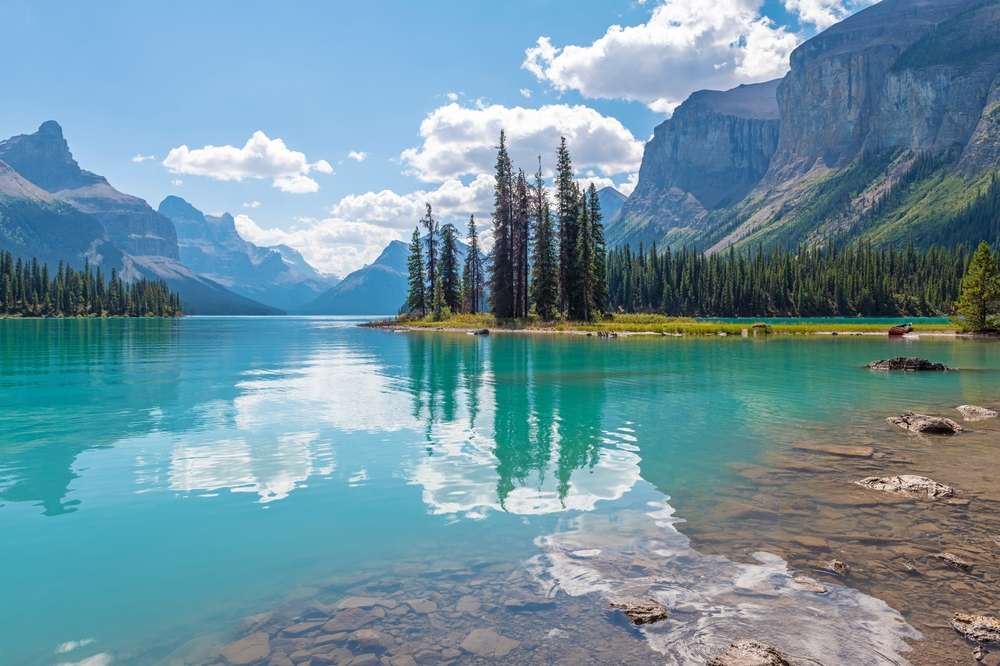
Spirit Lake sits near Mount St. Helens and remains filled with floating debris decades after the eruption. Locals warn that navigating the lake is hazardous due to submerged logs. Objects and people can become trapped beneath the surface. Recovery is extremely difficult. U.S. travel visitors often find the lake’s stillness unsettling.
Lake Jocassee, South Carolina
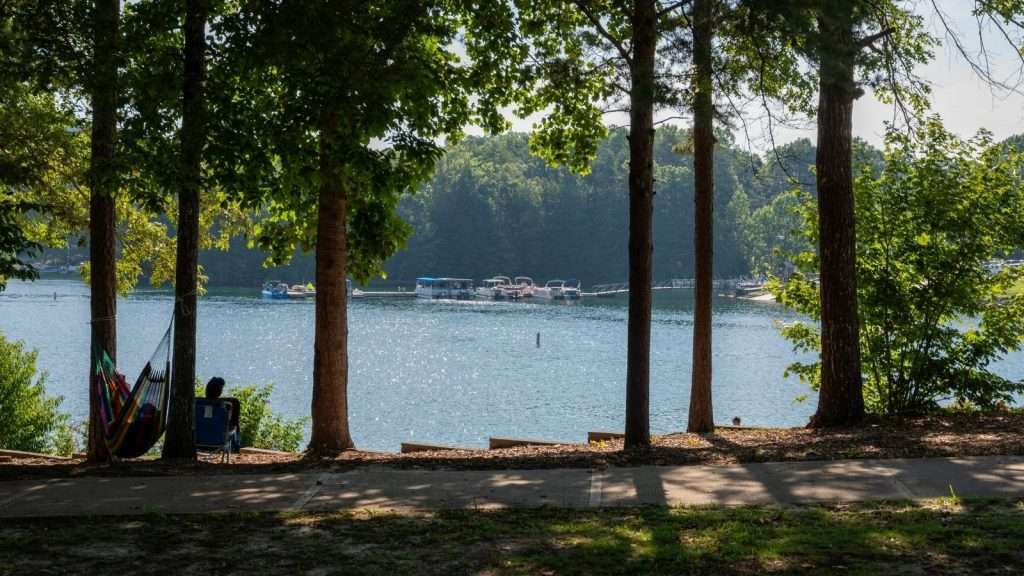
Lake Jocassee’s deep, cold water and underwater structures contribute to its ominous reputation. Locals say once something sinks, it may never return. Sudden drop-offs catch swimmers off guard. Search efforts are frequently unsuccessful. For U.S. travel adventurers, Jocassee feels pristine but unforgiving.
Lake Amistad, Texas
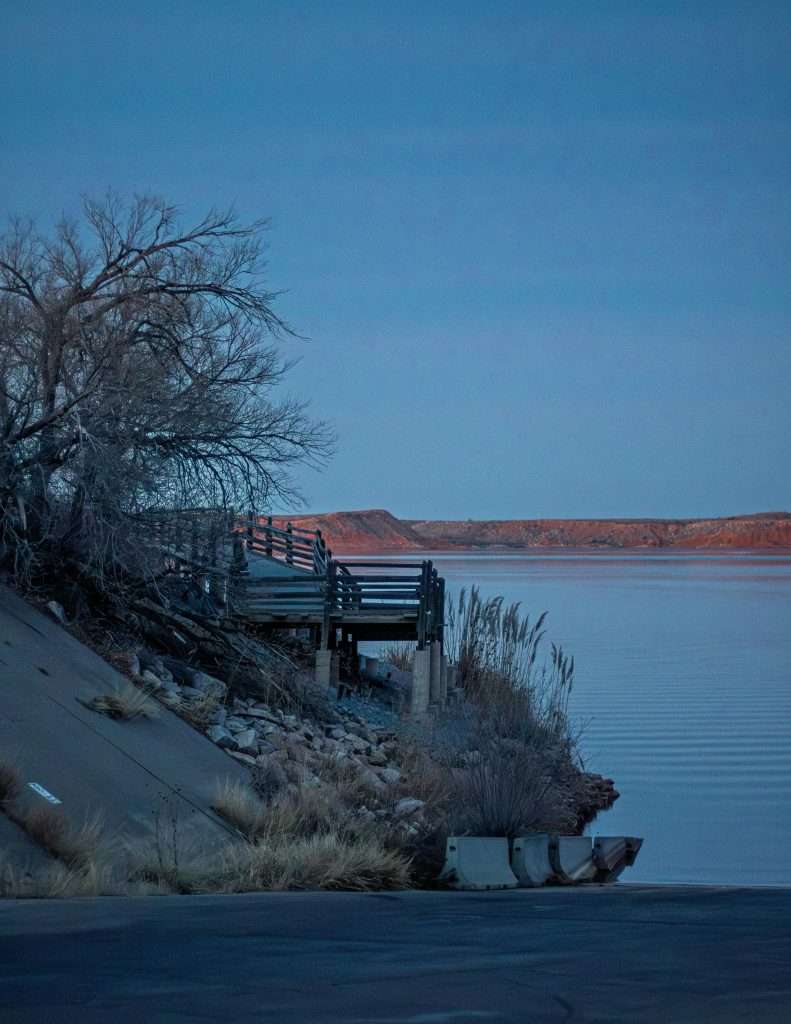
Lake Amistad’s remote stretches and fluctuating water levels create dangerous conditions. Locals warn that people vanish here with disturbing frequency. Strong currents and submerged terrain complicate rescues. Many incidents remain unresolved. For U.S. travel explorers, the lake feels isolated and indifferent.
Lake Chelan, Washington
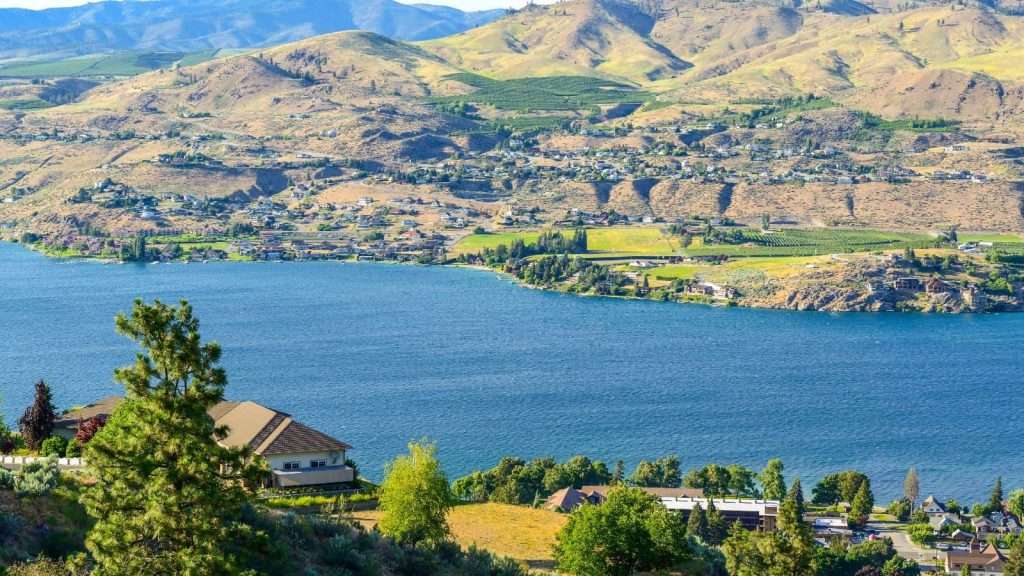
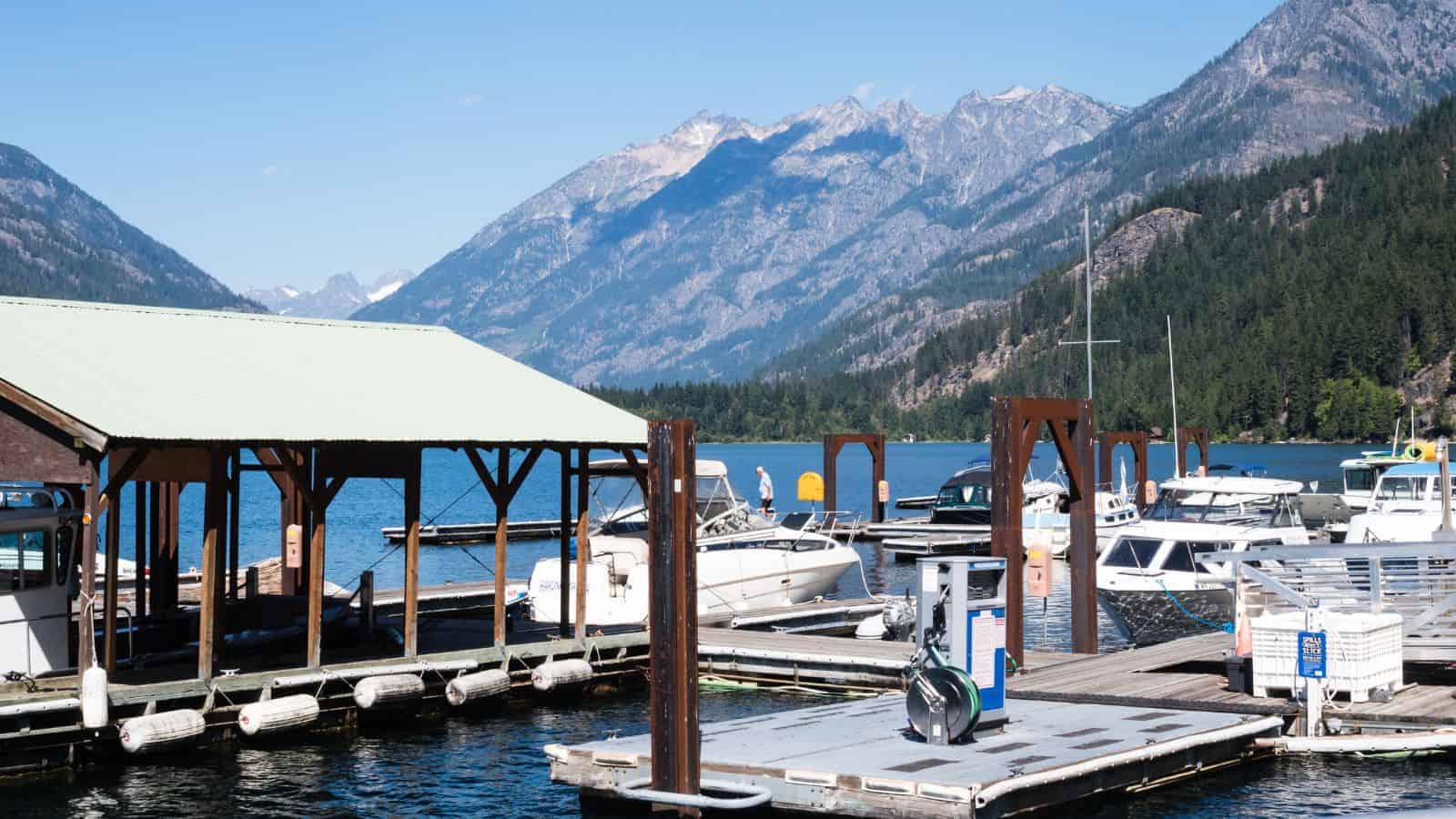
Lake Chelan’s length and depth make it one of the most dangerous lakes in the region. Locals say it keeps what it takes, referencing numerous missing persons cases. Cold water and sudden weather shifts increase risk. Search teams often struggle to locate remains. U.S. travel enthusiasts often leave with a newfound respect for its power.
Lake Travis, Texas
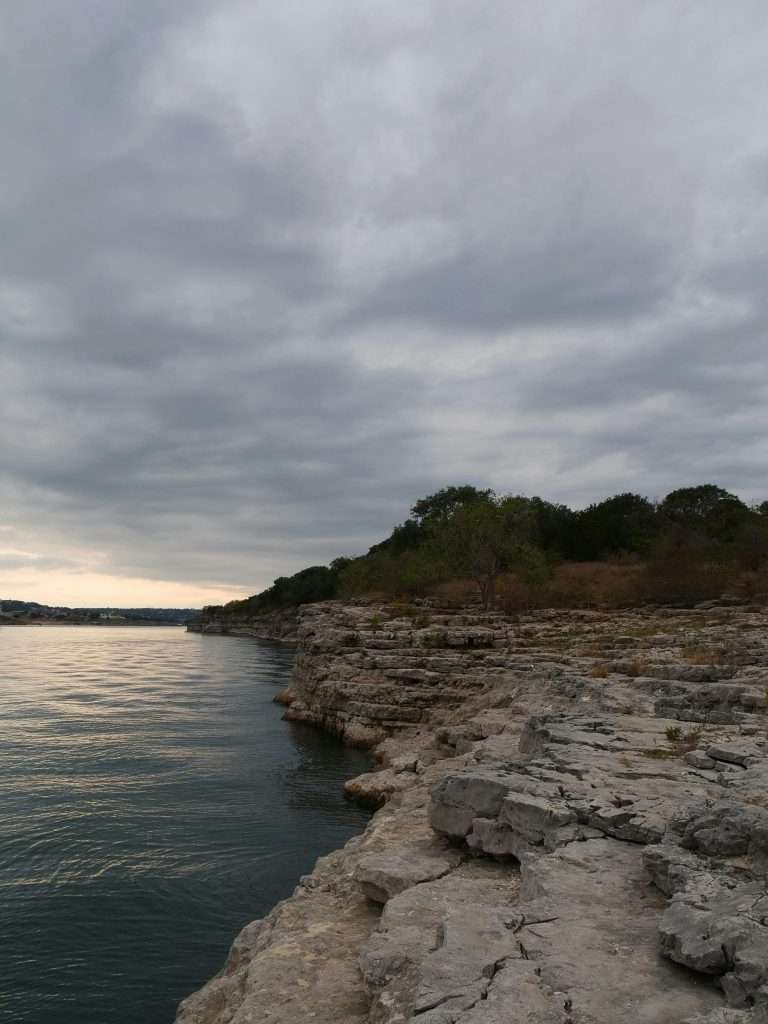
Lake Travis experiences dramatic water level changes that expose and conceal hazards. Locals warn that accidents here often end without closure. Strong currents, cliffs, and submerged debris add to the danger. Bodies are sometimes recovered far from where incidents occurred. For U.S. travel visitors, Lake Travis feels unpredictable and unforgiving.

Deborah Montiero is a seasoned travel writer and contributor to Probe the Globe. With a passion for uncovering hidden gems and sharing immersive travel experiences, Deborah’s work highlights must-visit destinations, insider tips, and practical advice for travelers of all types. Whether exploring bustling cities or remote escapes, her articles are crafted to inspire and inform, making her a trusted voice in the travel community.
Her storytelling weaves together cultural insights, logistical tips, and authentic experiences, making her a valuable resource for readers seeking unforgettable journeys.
When not writing, Deborah is likely researching the latest travel trends or planning her next adventure. Follow her work on Probe the Globe for fresh perspectives and up-to-date travel inspiration.