21 American Courthouses With Trials So Wild They Changed the Town Forever
Across the United States, courthouses often stand as quiet civic landmarks, their columns and clock towers suggesting order and routine. Yet some of these buildings were once the stage for trials so chaotic, controversial, or shocking that they reshaped public opinion and altered the future of entire towns. Verdicts sparked riots, laws were rewritten, and communities were permanently divided or redefined. For travelers interested in history-heavy U.S. travel destinations, these 21 courthouses tell stories far more dramatic than their calm exteriors suggest.
Old Bailey Courthouse, Salem, Massachusetts
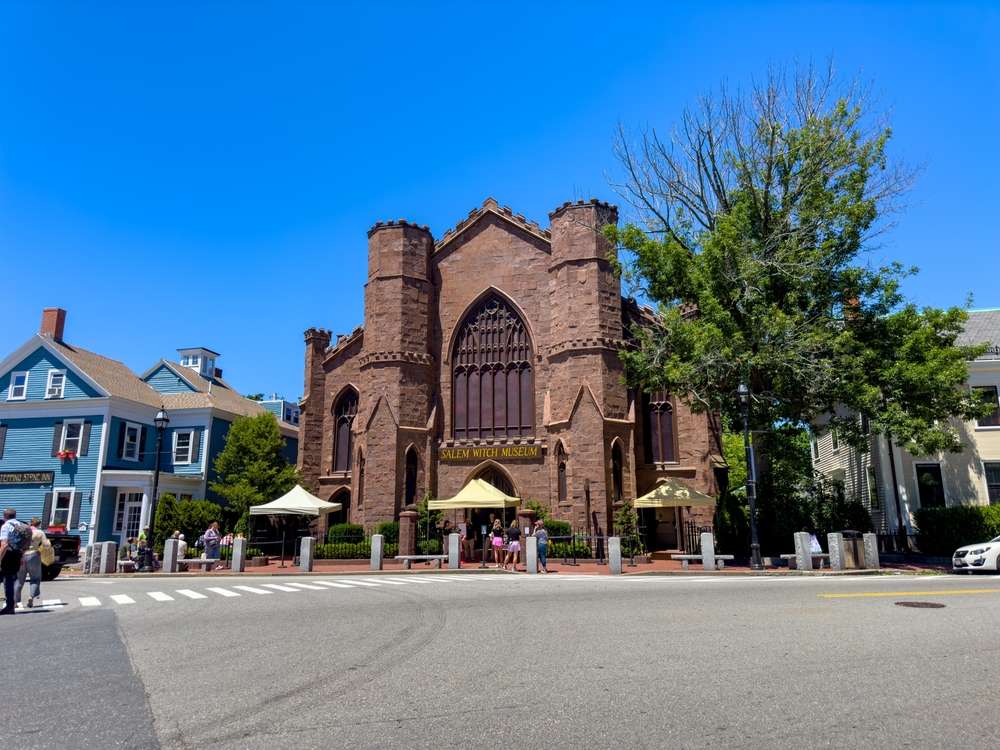
The courthouse associated with the Salem witch trials became the center of mass hysteria in the late 1600s. Proceedings relied on spectral evidence and public fear rather than fact, resulting in executions that later horrified the nation. The trials permanently stained Salem’s identity and reshaped American legal standards. Today, U.S. travel visitors sense that the town’s entire character grew from the fallout of these courtroom failures.
Rhea County Courthouse, Dayton, Tennessee

This courthouse hosted the Scopes “Monkey” Trial, where teaching evolution became a national spectacle. Media flooded the town, turning a local legal matter into a cultural war. The trial redefined Dayton’s identity overnight. For U.S. travel enthusiasts, the building represents how a single case can thrust a small town into global debate.
Ford’s Theatre Courthouse, Washington, D.C.
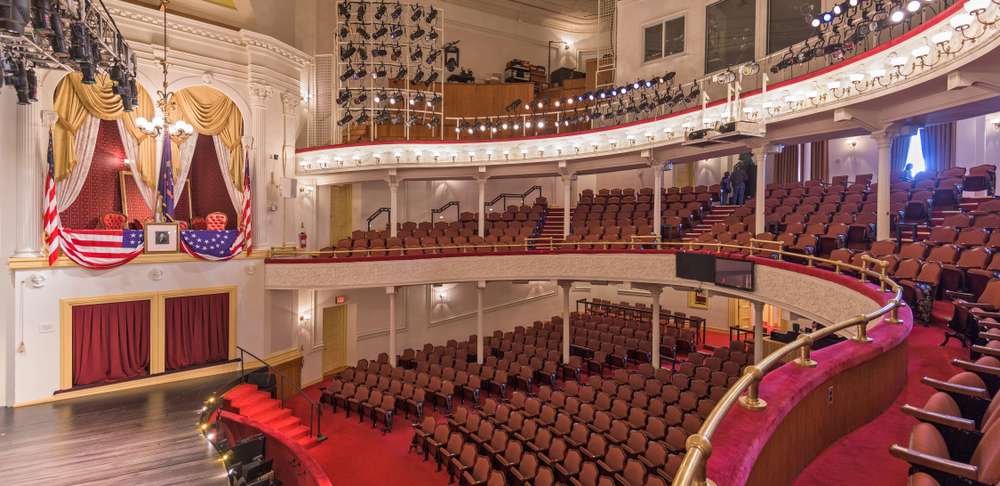
After Abraham Lincoln’s assassination, conspirators were tried nearby in military court proceedings that shocked the nation. The speed, secrecy, and executions sparked debates about justice and civil rights. The trials reshaped how wartime justice was viewed. U.S. travel history fans often find the legal aftermath as impactful as the assassination itself.
Los Angeles County Courthouse, California

The O.J. Simpson trial transformed this courthouse into a media circus. The proceedings divided the city along racial and cultural lines. Courtroom theatrics, celebrity witnesses, and televised drama permanently altered public trust in the justice system. For U.S. travel visitors, the courthouse symbolizes a moment when law, fame, and race collided.
Cook County Courthouse, Chicago, Illinois
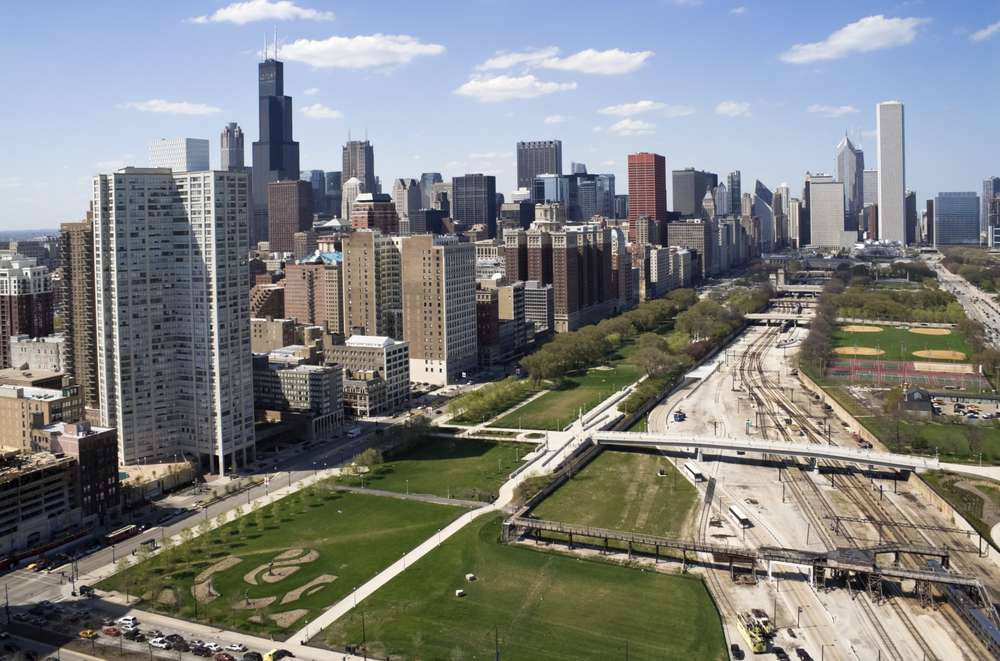
The trial of Leopold and Loeb shocked early 20th-century America with its cold brutality and intellectual arrogance. The courtroom became a battleground over psychology, punishment, and morality. The case reshaped Chicago’s legal reputation. U.S. travel explorers often associate the city’s crime lore with this infamous trial.
Dallas County Courthouse, Texas

Jack Ruby’s trial for killing Lee Harvey Oswald unfolded under intense national scrutiny. Security failures and emotional testimony dominated proceedings. The trial deepened conspiracy theories surrounding the Kennedy assassination. For U.S. travel visitors, the courthouse remains tied to unanswered questions that still divide opinions.
Hinds County Courthouse, Jackson, Mississippi

The trial for the murder of Medgar Evers exposed deep racial injustice. An all-white jury failed to convict initially, igniting outrage and civil rights protests. The courthouse became a symbol of systemic failure. U.S. travel history seekers often feel the weight of unfinished justice here.
Santa Clara County Courthouse, California

The trial of Patty Hearst blurred lines between victimhood and criminal responsibility. Media obsession and psychological debate consumed the town. The case forced Americans to rethink coercion and identity. For U.S. travel enthusiasts, the courthouse marks a moment when public sympathy fractured sharply.
Bronx County Courthouse, New York

The trial of David Berkowitz, the Son of Sam, brought terror into the courtroom. Victims’ families filled the galleries, and public fear dominated proceedings. The trial changed how serial crimes were prosecuted. U.S. travel visitors often associate the courthouse with a city confronting its darkest fears.
Montgomery County Courthouse, Alabama

Rosa Parks’ arrest and trial took place here, sparking the Montgomery Bus Boycott. The courtroom decision ignited a movement that transformed the nation. The town’s identity shifted from segregation to resistance. For U.S. travel explorers, this courthouse marks a turning point in American civil rights history.
Menard County Courthouse, Illinois

The trial of Abraham Lincoln’s accused assassins involved legal precedents that still influence military justice. Proceedings raised concerns about fairness and jurisdiction. The courthouse’s role tied the town permanently to national trauma. U.S. travel history fans often see it as a place where law struggled to meet grief.
Harris County Courthouse, Houston, Texas

The Andrea Yates trial stunned the nation with questions about mental illness and responsibility. Conflicting expert testimony led to multiple trials and reversals. The case reshaped how courts handle insanity defenses. U.S. travel visitors often find the courthouse tied to uncomfortable legal evolution.
San Francisco Hall of Justice, California

The trial of Harvey Milk’s assassin sparked outrage after a lenient sentence. Riots followed, permanently altering the city’s political landscape. Trust in the justice system fractured overnight. For U.S. travel enthusiasts, the courthouse stands as a symbol of activism born from anger.
Maricopa County Courthouse, Phoenix, Arizona

High-profile corruption and organized crime trials here exposed deep political rot. Proceedings revealed systemic abuse of power. The town’s leadership underwent dramatic change afterward. U.S. travel visitors often view the courthouse as a reminder of accountability forced into the open.
Allegheny County Courthouse, Pittsburgh, Pennsylvania

Labor-related trials during industrial unrest turned the courthouse into a battleground. Workers, corporations, and government clashed openly. Verdicts influenced labor laws nationwide. For U.S. travel history explorers, the building reflects a city reshaped by industrial conflict.
Jefferson County Courthouse, Birmingham, Alabama

Civil rights trials here exposed brutality and resistance to desegregation. Courtroom testimony revealed violence that shocked the nation. The outcomes fueled federal intervention. U.S. travel visitors often feel the courthouse represents a painful but necessary reckoning.
Orange County Courthouse, Orlando, Florida

The Casey Anthony trial brought global attention and fierce public debate. The verdict split the town emotionally and reputationally. Media saturation changed how local courts handled high-profile cases. For U.S. travel enthusiasts, the courthouse remains linked to unresolved public anger.
St. Louis Circuit Court, Missouri

The Dred Scott case passed through this court, shaping national division. The ruling intensified tensions leading to civil war. The town’s legacy became inseparable from the decision. For U.S. travel visitors, the courthouse represents law’s power to inflame history.
Fulton County Courthouse, Atlanta, Georgia

Civil rights and corruption trials here repeatedly placed Atlanta at the center of national debate. Verdicts reshaped political leadership and public trust. The courthouse became a symbol of reform under pressure. U.S. travel enthusiasts often link it to change born from confrontation.
Napa County Courthouse, California

The trial of cult leader Charles Manson associates unfolded nearby, spreading fear across the region. Testimony shocked jurors and the public alike. The town’s peaceful image was permanently altered. For U.S. travel visitors, the courthouse reflects how violence can ripple outward.
Cuyahoga County Courthouse, Cleveland, Ohio

Political corruption trials exposed widespread misconduct. Entire administrations collapsed as evidence unfolded. Public trust required rebuilding from the ground up. For U.S. travel history enthusiasts, the courthouse symbolizes a city forced to reinvent itself through accountability.

Deborah Montiero is a seasoned travel writer and contributor to Probe the Globe. With a passion for uncovering hidden gems and sharing immersive travel experiences, Deborah’s work highlights must-visit destinations, insider tips, and practical advice for travelers of all types. Whether exploring bustling cities or remote escapes, her articles are crafted to inspire and inform, making her a trusted voice in the travel community.
Her storytelling weaves together cultural insights, logistical tips, and authentic experiences, making her a valuable resource for readers seeking unforgettable journeys.
When not writing, Deborah is likely researching the latest travel trends or planning her next adventure. Follow her work on Probe the Globe for fresh perspectives and up-to-date travel inspiration.