22 American Cities With One Street Tourists Are Warned Not to Walk Alone
Every U.S. city has layers, and even popular travel destinations can contain sharp contrasts just a few blocks apart. While most neighborhoods are perfectly safe during normal hours, certain streets have developed reputations that prompt travel advisories, local warnings, or common-sense cautions for visitors. This doesn’t define an entire city, but it does shape how smart U.S. travel planning works in real life. Here is a closer look at 22 American Cities With One Street Tourists Are Warned Not to Walk Alone.
Los Angeles, California – Skid Row

Skid Row sits just minutes from downtown attractions yet feels worlds apart. Visitors are often advised to avoid walking alone here, especially after dark. The area struggles with homelessness, open drug use, and unpredictable situations. While many nonprofits operate here and the community is complex, tourists unfamiliar with the environment can easily feel overwhelmed or unsafe without guidance.
New Orleans, Louisiana – North Rampart Street
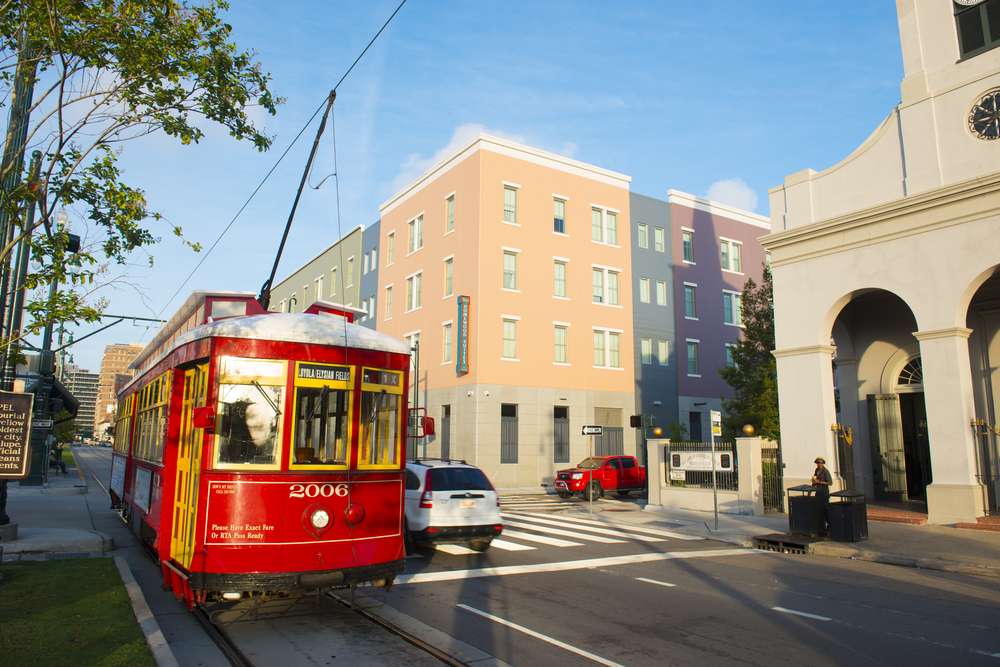
Just outside the French Quarter, North Rampart Street carries a reputation locals know well. Tourists wandering beyond the lively core may find themselves in poorly lit stretches with limited foot traffic. Incidents involving theft have made it a commonly cited street to avoid alone at night. U.S. travel guides often suggest sticking to busier routes nearby.
Chicago, Illinois – West Madison Street

West Madison Street runs through areas that shift quickly from commercial to struggling residential blocks. Visitors unfamiliar with Chicago’s layout may wander unknowingly. While daytime traffic is common, nighttime walking is discouraged due to reported robberies. Locals recommend using public transportation or rideshares instead of walking alone here.
San Francisco, California – Tenderloin (Eddy Street)

Eddy Street in the Tenderloin is frequently mentioned in tourist safety conversations. The area has high visibility of street activity tied to drugs and poverty. Even during the day, visitors can feel uneasy. While it’s centrally located near hotels and theaters, walking alone, especially at night, is widely discouraged in travel forums.
Las Vegas, Nevada – Fremont Street East (Beyond Tourist Core)

While Fremont Street itself is a major attraction, walking east beyond the revitalized zone can feel risky. The crowds thin quickly, lighting decreases, and street crime becomes more common. Tourists unfamiliar with downtown Las Vegas boundaries are often surprised by how fast conditions change. Staying within active areas is strongly advised.
Atlanta, Georgia – Bankhead Highway
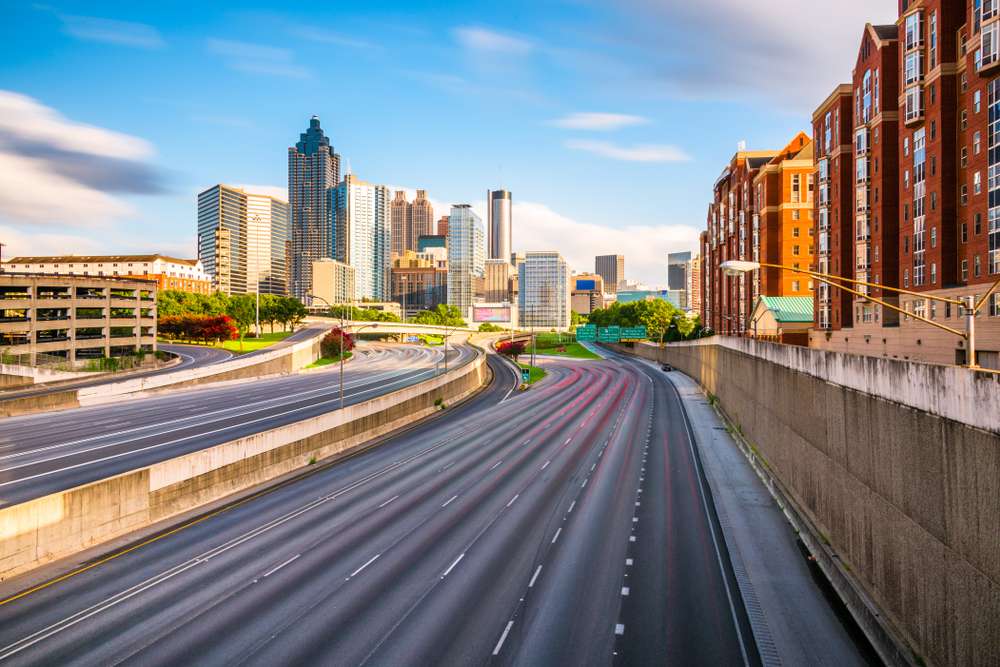
Bankhead Highway has long been associated with higher crime rates. Visitors venturing here without local knowledge may find limited services and low foot traffic. Locals often warn tourists against walking alone, particularly after sunset. This street highlights how quickly urban environments can shift outside popular attractions.
Detroit, Michigan – Joy Road
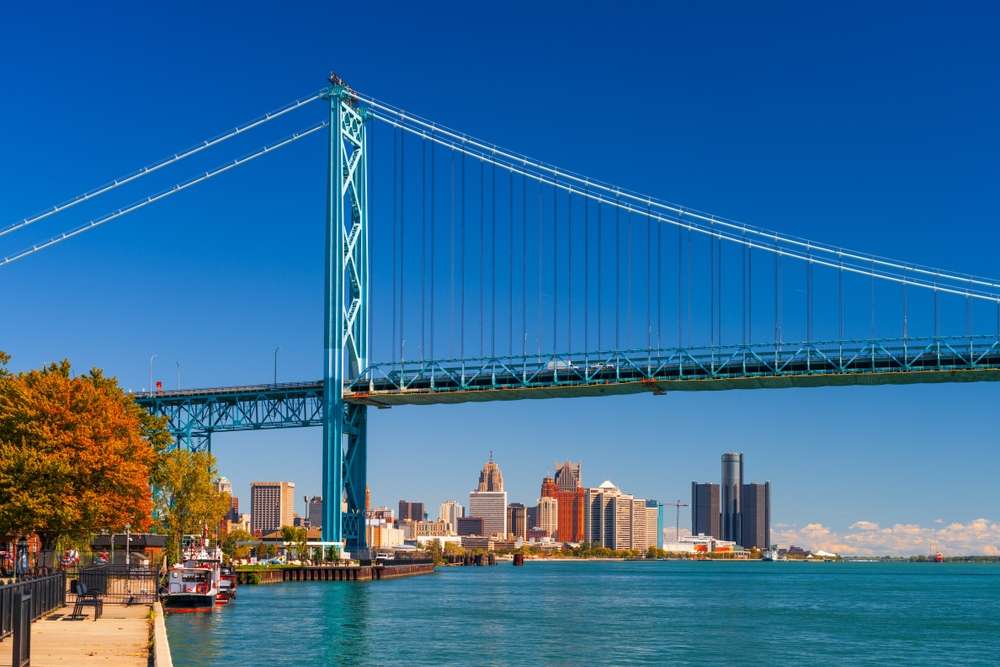
Joy Road stretches through neighborhoods still recovering from decades of economic hardship. While community efforts continue, tourists are often advised not to walk alone here. Limited lighting and low pedestrian presence contribute to safety concerns. U.S. travel advice frequently emphasizes caution and awareness in this area.
Memphis, Tennessee – Lamar Avenue

Lamar Avenue runs through parts of Memphis that see higher crime statistics than surrounding areas. Visitors driving through during the day may not notice issues, but walking alone is discouraged. Locals often recommend avoiding nighttime foot travel entirely. It’s a reminder that understanding city geography matters when traveling.
Baltimore, Maryland – North Avenue

North Avenue separates very different parts of Baltimore. While some sections have improved, others still carry reputations that prompt caution. Tourists unfamiliar with the city are warned against walking alone here, especially at night. The street illustrates Baltimore’s stark contrasts in a short distance.
St. Louis, Missouri – Delmar Boulevard

Delmar Boulevard is famous for its cultural divide. While some blocks are lively and historic, others experience higher crime rates. Tourists wandering east alone may encounter areas locals advise avoiding. It’s often cited in discussions about urban planning and travel awareness in the Midwest.
Oakland, California – International Boulevard
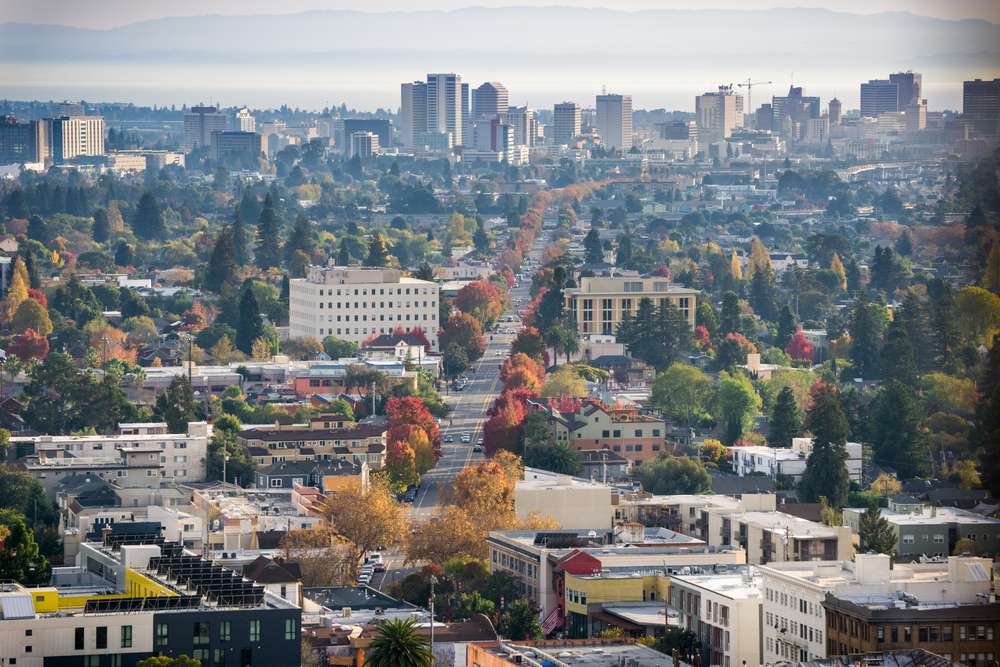
International Boulevard spans many neighborhoods with varying safety levels. Certain stretches have higher reports of theft and violent crime. Tourists unfamiliar with Oakland’s layout are often advised not to walk alone here. Using public transit or rideshares is generally recommended in U.S. travel safety tips.
Philadelphia, Pennsylvania – Kensington Avenue

Kensington Avenue is frequently mentioned in national discussions about urban challenges. The visible struggles with addiction and crime make it uncomfortable for visitors. Tourists are strongly discouraged from walking alone, even during daylight hours. While the city offers incredible history, this street requires extra caution.
Miami, Florida – NW 15th Avenue
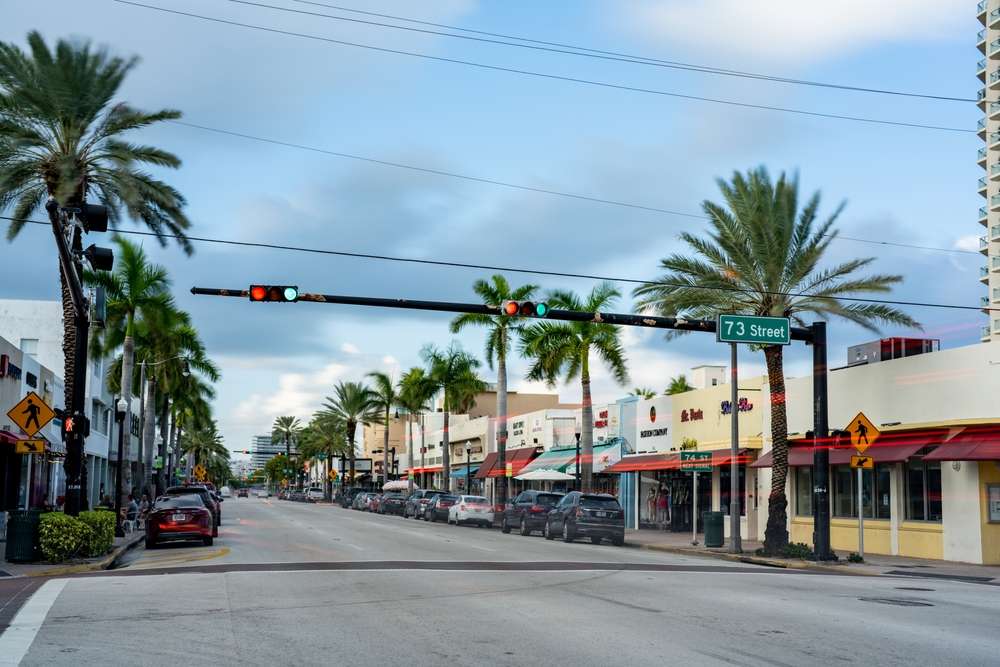
NW 15th Avenue passes through neighborhoods with long-standing safety concerns. Visitors venturing off main tourist corridors may encounter unfamiliar and risky conditions. Locals advise avoiding solo walks, particularly after dark. Miami’s vibrant travel appeal contrasts sharply with caution zones like this one.
Cleveland, Ohio – East 79th Street
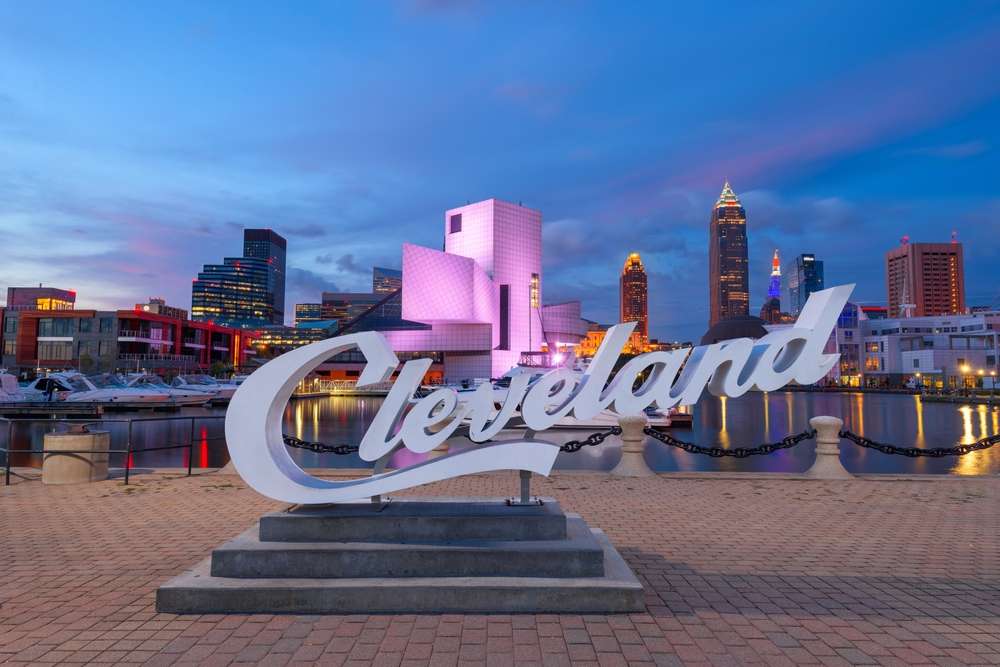
East 79th Street has been flagged in local safety discussions for decades. Low pedestrian traffic and limited lighting contribute to concerns. Tourists are often advised to avoid walking alone here. Cleveland’s revitalized areas are nearby, but knowing boundaries is key for smart travel planning.
Kansas City, Missouri – Prospect Avenue

Prospect Avenue runs through historically underserved neighborhoods. While community investment is ongoing, tourists unfamiliar with the area are warned against walking alone. The street is frequently mentioned in local safety advisories. It highlights the importance of research when exploring American cities.
Milwaukee, Wisconsin – North 27th Street

North 27th Street has seen economic decline that impacts safety perceptions. Tourists wandering here alone may feel isolated quickly. Locals often recommend avoiding nighttime walking entirely. Milwaukee’s growing tourism scene makes understanding these distinctions increasingly important.
Phoenix, Arizona – Van Buren Street
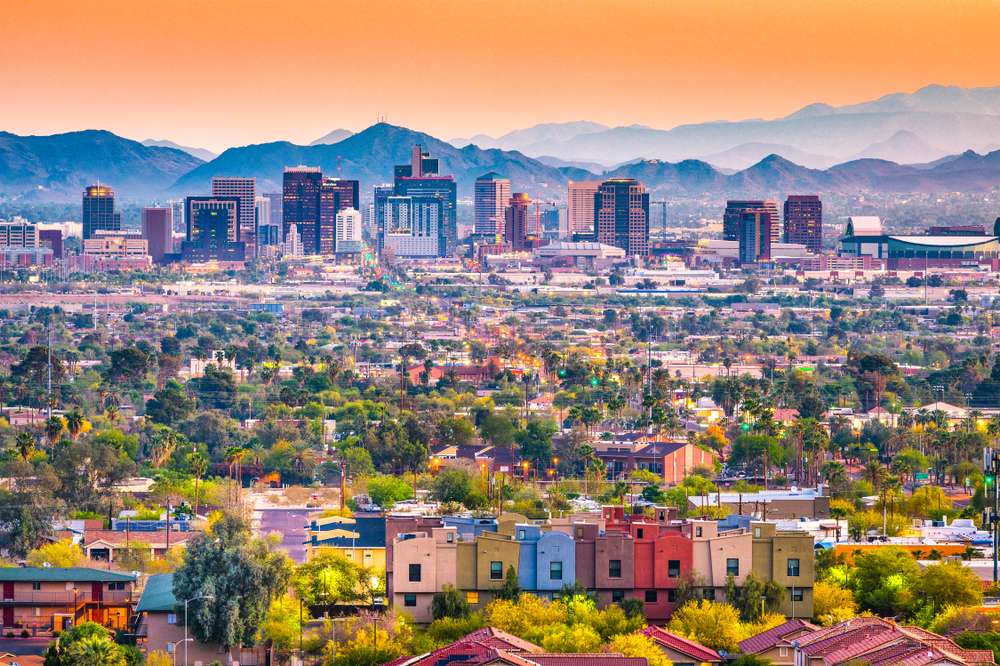
Van Buren Street has a long-standing reputation for crime and adult-oriented businesses. While redevelopment is underway, tourists are still advised not to walk alone. The contrast between downtown attractions and this corridor can be striking. It’s frequently mentioned in Arizona travel safety conversations.
Houston, Texas – Bissonnet Street

Bissonnet Street is known locally for ongoing safety concerns, particularly at night. Visitors unfamiliar with Houston’s vast layout may stumble into uncomfortable situations. Walking alone is widely discouraged. Houston’s size makes transportation planning essential for safe travel experiences.
San Antonio, Texas – Zarzamora Street

Zarzamora Street cuts through parts of San Antonio with higher crime rates. While daytime traffic is common, walking alone after dark is discouraged. Locals often warn visitors to stay on well-lit, busy routes. It’s a reminder that even tourist-friendly cities have caution zones.
Newark, New Jersey – South Orange Avenue

South Orange Avenue has improved in sections but still carries a reputation among locals. Tourists are advised against walking alone, especially at night. The street illustrates Newark’s ongoing transformation and challenges. Awareness helps travelers avoid uncomfortable situations.
Minneapolis, Minnesota – Lake Street (Certain Sections)

Lake Street spans diverse neighborhoods with varying safety levels. Some stretches have experienced higher crime, particularly after dark. Tourists unfamiliar with the area are advised not to walk alone in less active sections. It’s often cited in Midwest travel safety discussions.
Washington, D.C. – New York Avenue NE

New York Avenue NE runs through industrial and transitional zones. Limited foot traffic and lighting can make it feel unsafe at night. Tourists are commonly advised to avoid walking alone here. Despite D.C.’s polished tourist core, this street reminds visitors to stay alert.

Deborah Montiero is a seasoned travel writer and contributor to Probe the Globe. With a passion for uncovering hidden gems and sharing immersive travel experiences, Deborah’s work highlights must-visit destinations, insider tips, and practical advice for travelers of all types. Whether exploring bustling cities or remote escapes, her articles are crafted to inspire and inform, making her a trusted voice in the travel community.
Her storytelling weaves together cultural insights, logistical tips, and authentic experiences, making her a valuable resource for readers seeking unforgettable journeys.
When not writing, Deborah is likely researching the latest travel trends or planning her next adventure. Follow her work on Probe the Globe for fresh perspectives and up-to-date travel inspiration.