21 Abandoned Mansions Across America You Can Still Visit
America’s landscape is dotted with relics of Gilded Age ambition, eccentric architecture, and once-grand estates that have slipped into ruin. These abandoned mansions stand as hauntingly beautiful markers of changing fortunes, forgotten wealth, and shifting patterns of settlement across the United States. Many of them are still visitable, whether as preserved ruins, historic sites, or places open for tours and exploration. 21 Abandoned Mansions Across America You Can Still Visit.
Bannerman’s Castle – Beacon, New York

On Pollepel Island in the Hudson River, Bannerman’s Castle is a crumbling fortress-like mansion built by arms dealer Francis Bannerman VI in the early 20th century. Originally constructed to store surplus military goods, its whimsical design mixes Scottish baronial style with American flair. Though partially collapsed from fire and weather, the ruins remain striking, with ivy-draped walls rising above the water. Accessible by guided boat tours or kayaking trips, this site appeals to history lovers and travelers looking for unique abandoned places near New York City.
Wyndclyffe Mansion – Rhinebeck, New York

Built in 1853 for socialite Elizabeth Schermerhorn Jones, Wyndclyffe is said to be the inspiration for the phrase “keeping up with the Joneses.” Once a luxurious Hudson River estate, the mansion was abandoned in the mid-20th century and has deteriorated into a haunting Gothic shell. With its tall brick towers and collapsing rooflines, Wyndclyffe embodies the fragile impermanence of Gilded Age opulence. Travelers exploring the Hudson Valley can view the mansion from nearby roads and trails, appreciating its silhouette against the landscape of historic Rhinebeck.
Halcyon Hall – Millbrook, New York

Halcyon Hall was originally a luxury hotel before being converted into the Bennett School for Girls, which closed in 1978. The Tudor-style mansion, with gabled roofs and sprawling wings, became a dramatic ruin after decades of neglect. Though unsafe for entry, the building’s exterior can still be admired from public areas, and its ghostly charm draws photographers and architecture enthusiasts. Situated in the scenic Hudson Valley, Halcyon Hall adds a mysterious note to a region already rich in historic sites and estates.
Swannanoa Palace – Afton, Virginia

Perched on the Blue Ridge Mountains, Swannanoa Palace was built in 1912 as a lavish summer retreat for millionaire James H. Dooley and his wife. Modeled after the Italian Renaissance, its marble halls and stained-glass Tiffany windows hint at its former grandeur. After decades of changing ownership and partial abandonment, parts of the estate remain in disrepair, yet tours are occasionally offered. Travelers exploring Virginia’s Skyline Drive and Shenandoah Valley often stop here to marvel at the faded beauty of this mountain palace.
Lynnewood Hall – Elkins Park, Pennsylvania

Lynnewood Hall, often called “The Last American Versailles,” is a 110-room Neoclassical mansion designed by famed architect Horace Trumbauer for industrialist Peter Widener. Completed in 1900, it was one of the most extravagant estates in the country. Following financial decline and decades of neglect, the mansion stands largely empty, though preservation groups have worked to stabilize it. Visitors can view the exterior by appointment or guided tours, making it a must-see destination for U.S. travelers fascinated by Gilded Age excess.
The Belvedere Estate – Tarrytown, New York

Overlooking the Hudson River, the Belvedere Estate was once a glamorous country home for the wealthy Dodge family. Known for its ornate Victorian design and elaborate gardens, it fell into abandonment in the 20th century. Though partially ruined, the estate has an atmospheric quality that attracts photographers and curious explorers. Visitors traveling through Westchester County often pair a view of Belvedere with trips to other Hudson Valley landmarks, making it part of a rich architectural and cultural travel itinerary.
Belcourt Castle – Newport, Rhode Island
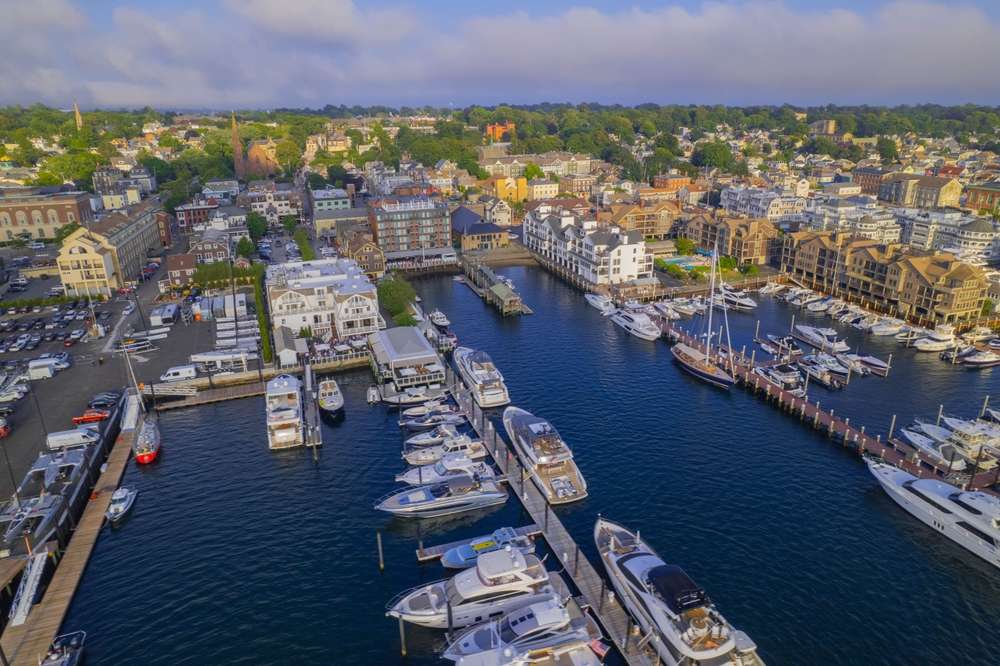
Though partially restored, Belcourt Castle spent years in decline after being abandoned by its wealthy owners. Built by Oliver Belmont in 1894, the mansion reflects French Renaissance style with elaborate interiors. Ghost stories and tales of neglect add to its mystique, drawing travelers to Newport for more than just its famed preserved mansions. Today, Belcourt is undergoing a revival, but visitors can still experience echoes of its neglected past and understand how even Newport’s elite homes fell into ruin.
Hempstead House at Sands Point Preserve – Long Island, New York
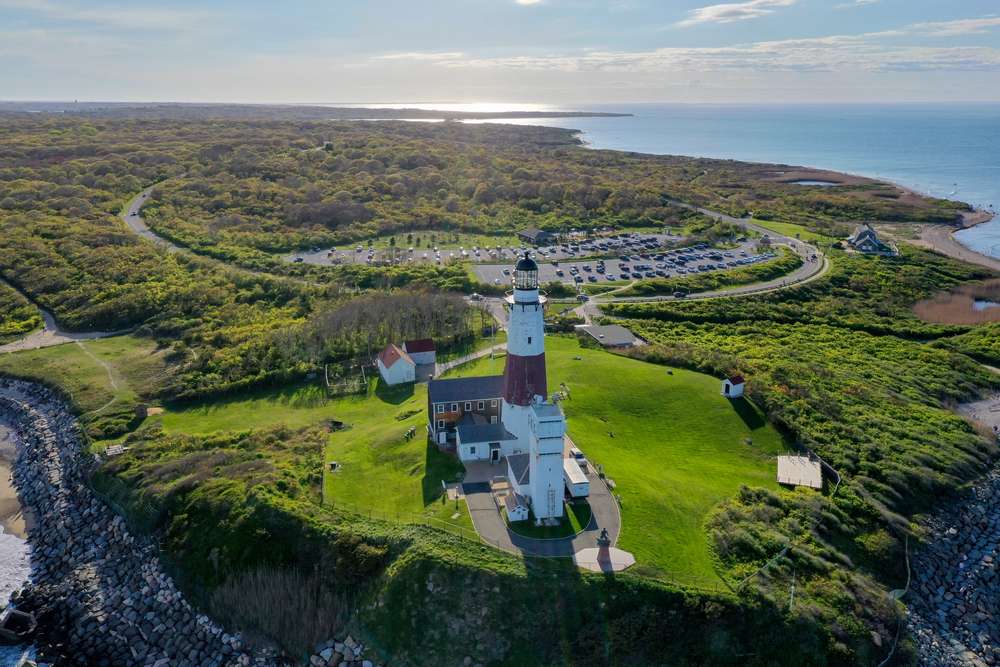
Hempstead House was once the grand summer residence of financier Howard Gould, built in the early 1900s. With 40 rooms, Tudor-inspired design, and lavish gardens, it embodied Long Island’s Gold Coast era of wealth. After years of neglect, parts of the estate remain abandoned, though guided tours highlight both restored and ruined spaces. Travelers visiting Long Island can explore the preserve’s scenic grounds and glimpse how Gilded Age grandeur slowly faded into atmospheric decay.
The Carleton Island Villa – Thousand Islands, New York

Located on Carleton Island in the St. Lawrence River, this crumbling villa was built in the 1890s as a summer retreat for industrialist William Wyckoff. The mansion’s remote location contributed to its abandonment, and today it sits as a roofless ruin surrounded by forest and water. Though not open for entry, it can be viewed by boat tours through the Thousand Islands, offering a hauntingly beautiful sight. For adventurous U.S. travelers, this isolated ruin is a highlight of northern New York history.
Shoal Creek Mansion – Mobile, Alabama

Shoal Creek Mansion, once a grand Southern estate, is now a partially collapsed ruin surrounded by moss-draped trees. Though its history is rooted in antebellum wealth, the home’s decline illustrates how economic and social upheaval left many Southern mansions to crumble. Visitors can find the site along rural Alabama routes, often paired with tours of historic plantations and cemeteries. Its haunting columns and broken walls provide a striking backdrop for those exploring forgotten corners of Southern history.
Villa Philmonte – Cimarron, New Mexico

Villa Philmonte was built by oil magnate Waite Phillips in the 1920s, later donated to the Boy Scouts of America. Though some of the estate remains active, certain wings and auxiliary buildings have fallen into neglect. The Spanish Mediterranean design, with white stucco and red tile, makes the ruins especially photogenic against New Mexico’s high desert skies. Travelers passing through northern New Mexico often stop here to admire both the active museum spaces and the decaying corners of this once-magnificent property.
The Wrigley Mansion – Phoenix, Arizona
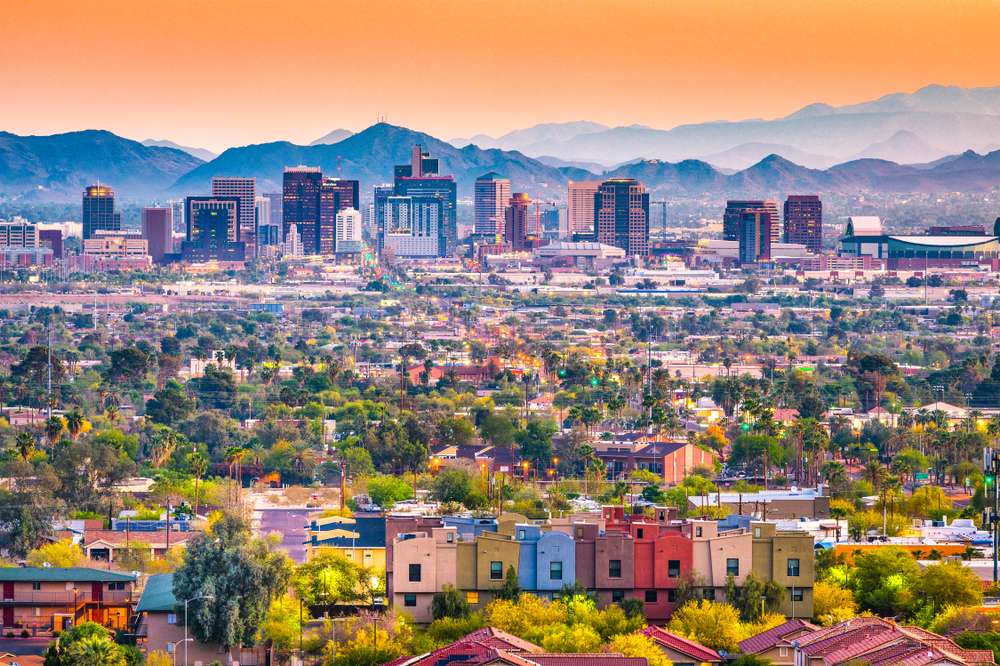
The Wrigley Mansion, constructed by chewing gum magnate William Wrigley Jr. in 1932, sat abandoned for decades before partial restoration. Though parts of the estate are now a restaurant and event space, its long period of neglect left scars and ghostly tales that remain part of its identity. Visitors can tour rooms that still echo their abandoned years, blending restored elegance with atmospheric decay. For travelers in Arizona, it provides a unique mix of desert views, opulence, and haunting silence.
Fonthill Castle – Doylestown, Pennsylvania

Henry Chapman Mercer’s Fonthill Castle was built of poured concrete in the early 1900s as both a mansion and a showcase for his ceramic works. Though partially preserved as a museum, sections of the estate suffered years of neglect, creating abandoned spaces that evoke a ruinous charm. The castle’s eccentric towers and sprawling rooms attract both history buffs and lovers of quirky architecture. Visitors traveling through Bucks County can enjoy guided tours while also glimpsing the fading grandeur in its forgotten corners.
Old Taylor Mansion – Frankfort, Kentucky

Once the home of Colonel E.H. Taylor Jr., a bourbon distilling pioneer, the Old Taylor Mansion has sat largely neglected for decades. The mansion’s Gothic Revival architecture and abandoned grounds lend it a haunting Southern Gothic air. Preservationists have begun limited efforts to stabilize it, but many sections remain in disrepair. Travelers exploring Kentucky’s bourbon trail can stop here to connect the state’s distilling heritage with the story of its abandoned architectural treasures.
Winans Mansion – Baltimore, Maryland
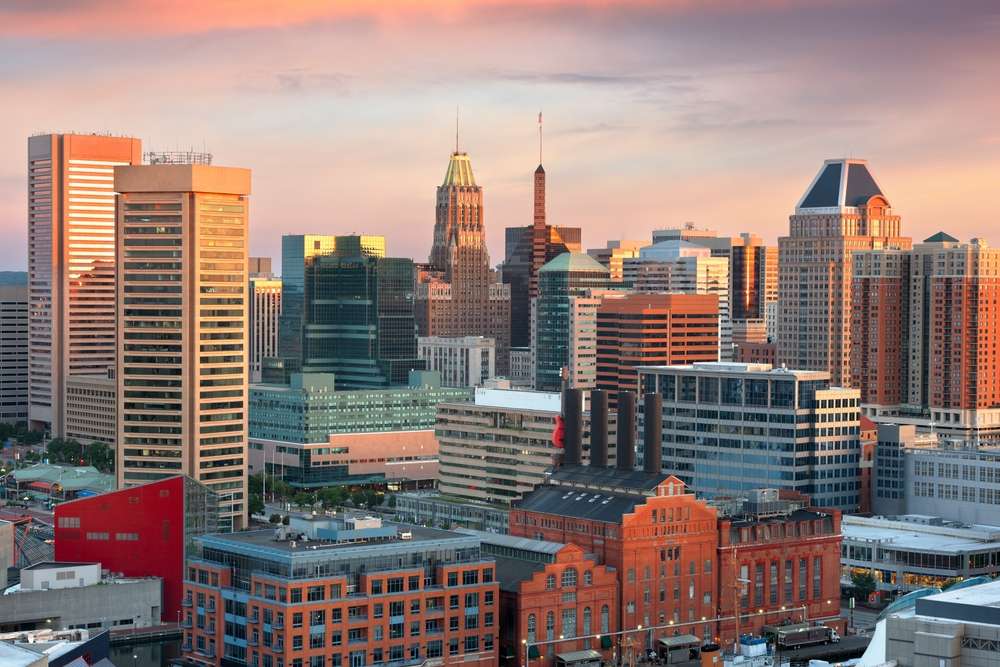
Built for wealthy industrialist Ross Winans in the mid-19th century, the Winans Mansion was once among Baltimore’s grandest residences. Decades of neglect left the property abandoned, with broken windows, peeling interiors, and a fading façade that speaks to the city’s changing fortunes. The mansion is occasionally open for events and historic tours, giving visitors a glimpse into both its glory days and its ghostly decline. For travelers in Maryland, it adds depth to an itinerary filled with Civil War history and maritime heritage.
Longwood Mansion – Natchez, Mississippi

Longwood is one of the South’s most fascinating abandoned mansions, notable for being unfinished. Construction began in 1860 but halted during the Civil War, leaving its massive octagonal structure incomplete. The lower floors were finished and lived in, while the upper levels remain as raw, abandoned interiors with exposed beams and brick. Guided tours allow travelers to step into both luxury and ruin, experiencing a unique architectural time capsule in the heart of Mississippi.
Hyde Hall – Cooperstown, New York

Hyde Hall, a massive neoclassical mansion overlooking Otsego Lake, was abandoned for much of the 20th century before restoration efforts began. The years of neglect left haunting traces—rotting timbers, collapsed roofs, and overgrown gardens—that still echo in certain wings of the estate. Today, guided tours reveal both its restored grandeur and its abandoned past, offering visitors a layered historical experience. Travelers in upstate New York often combine a trip here with visits to the Baseball Hall of Fame.
Villa Lewaro – Irvington, New York

Once the home of Madame C.J. Walker, America’s first self-made female millionaire, Villa Lewaro is a mansion with both cultural significance and a legacy of neglect. Though restoration projects are underway, the mansion sat empty for decades, its Italianate architecture slowly succumbing to disrepair. Its story highlights both African American achievement and the fragility of historic estates. Travelers along the Hudson River Valley can appreciate the site’s history, architecture, and symbolic importance in American heritage.
The Winchester Mystery House – San Jose, California
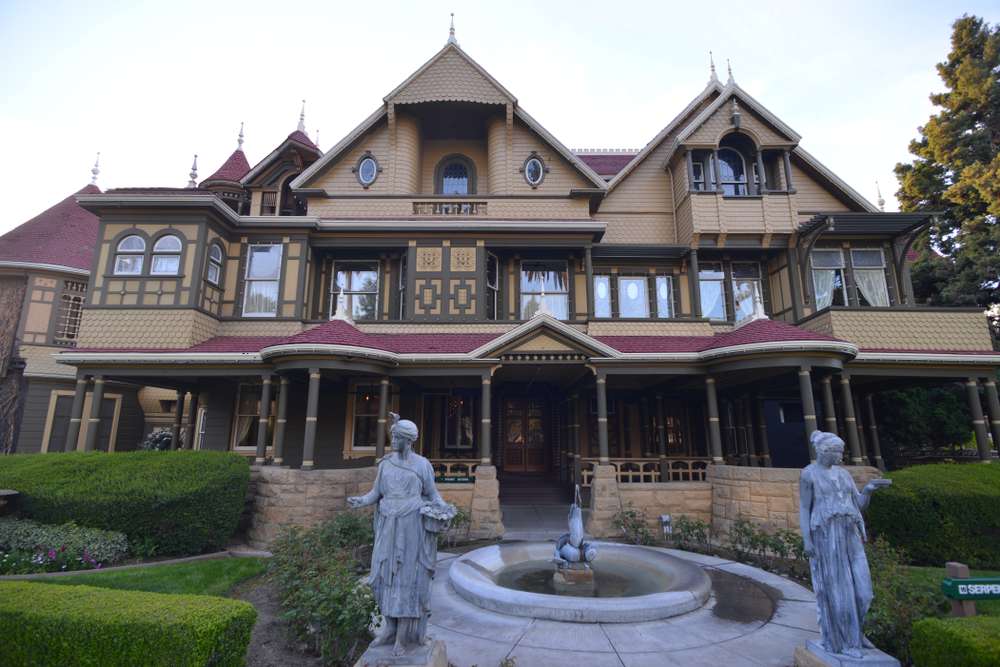
Though not entirely abandoned, parts of the Winchester Mystery House remain unfinished and derelict, echoing its eccentric past. Built continuously by Sarah Winchester in the late 19th and early 20th centuries, the mansion is filled with oddities—staircases to nowhere, bricked-up doors, and empty wings. Guided tours highlight both the restored areas and the decaying spaces left untouched, giving travelers a sense of its abandoned aura. For U.S. travelers, it remains one of the country’s most famous haunted mansions.
Selma Mansion – Leesburg, Virginia

Selma Mansion was built in the 1800s and became a grand estate in northern Virginia before falling into disrepair in the late 20th century. Roof damage, vandalism, and neglect left it in a haunting state, though its Doric columns and hilltop setting still suggest its past grandeur. Preservation groups now lead tours and limited events, keeping the story alive while maintaining its atmospheric abandoned quality. For travelers, Selma offers both a lesson in preservation challenges and a memorable sight on a Virginia road trip.
The Octagon House – Washington, D.C.

Though partially maintained, parts of the Octagon House were left abandoned for decades, and traces of that neglect remain in its darker wings. Built in 1800, the mansion served as a temporary White House after the British burned the capital during the War of 1812. Later abandonment gave rise to ghost stories and eerie reputations that continue to draw visitors today. Travelers to Washington, D.C. can tour its historic rooms and appreciate both its presidential significance and its abandoned echoes.

Deborah Montiero is a seasoned travel writer and contributor to Probe the Globe. With a passion for uncovering hidden gems and sharing immersive travel experiences, Deborah’s work highlights must-visit destinations, insider tips, and practical advice for travelers of all types. Whether exploring bustling cities or remote escapes, her articles are crafted to inspire and inform, making her a trusted voice in the travel community.
Her storytelling weaves together cultural insights, logistical tips, and authentic experiences, making her a valuable resource for readers seeking unforgettable journeys.
When not writing, Deborah is likely researching the latest travel trends or planning her next adventure. Follow her work on Probe the Globe for fresh perspectives and up-to-date travel inspiration.