22 Once-Booming U.S. Towns That Quietly Fell Off the Map
Across the United States, countless towns once thrived on mining, railroads, manufacturing, and the hope of a better tomorrow. Many of these places built lively communities before slowly fading as industries changed and populations drifted to larger cities. Today, they remain fascinating destinations for U.S. travel enthusiasts who appreciate forgotten stories and quiet landscapes. Here is the full story behind 22 Once-Booming U.S. Towns That Quietly Fell Off the Map.
Bodie, California
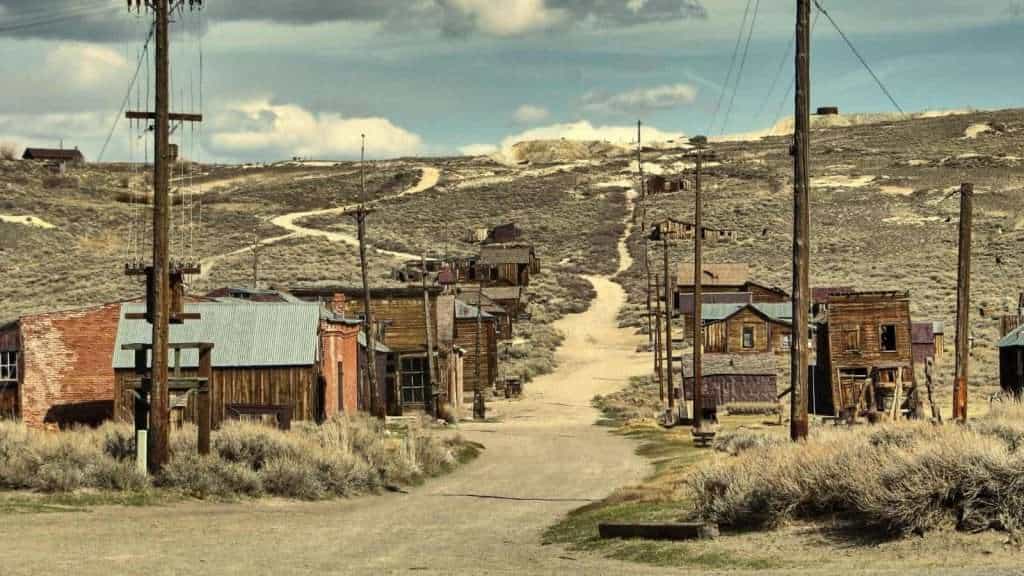
Bodie was once a roaring gold-mining town where saloons buzzed, dance halls thrived, and fortunes changed overnight. At its peak in the late 1800s, Bodie had a bustling population and a reputation for lawlessness—so much so that the phrase “Goodbye God, I’m going to Bodie” reportedly circulated among locals. When the mines dried up, residents left quickly, abandoning homes, shops, and schools. Today, Bodie State Historic Park preserves the town in a remarkable state of “arrested decay,” drawing travelers intrigued by the haunting beauty of old Western history.
Centralia, Pennsylvania

Centralia was once a busy coal town with hundreds of families, thriving businesses, and strong community life. Everything changed in 1962 when an underground mine fire ignited and continued burning for decades beneath the streets. Residents were eventually relocated due to dangerous gas emissions and ground instability, leaving behind quiet streets and abandoned homes. Though only a handful of people remain, the town’s unusual story continues to attract U.S. travel fans fascinated by eerie landscapes and environmental history.
Terlingua, Texas
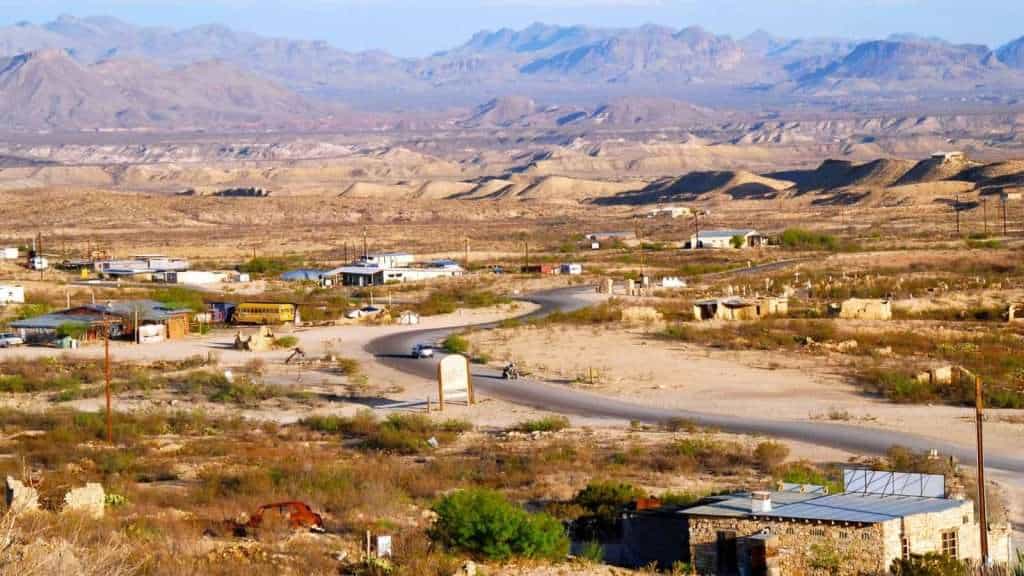
Terlingua became famous during the mercury-mining boom, when workers from around the world came seeking opportunity in the harsh desert terrain. After the mine closed in the mid-1900s, the town nearly vanished, leaving behind adobe structures, scattered ruins, and a memorable cemetery that tells stories of hardship. In recent years, artists, adventurers, and travelers have revived small pockets of the area, creating a blend of mystery and creativity. Terlingua’s mix of ghost-town quiet and Big Bend wilderness continues to draw those exploring remote regions of U.S. travel.
Cairo, Illinois

Cairo once thrived as a strategic trading hub near the confluence of the Mississippi and Ohio Rivers. Its location made it a bustling center for steamboats, transport, and commercial activity. Over time, economic decline, racial tension, and shifts in transportation led many residents to leave. Today, visitors find empty storefronts and grand old buildings that hint at Cairo’s former importance, making it a compelling stop for travelers interested in American river history.
Rhyolite, Nevada
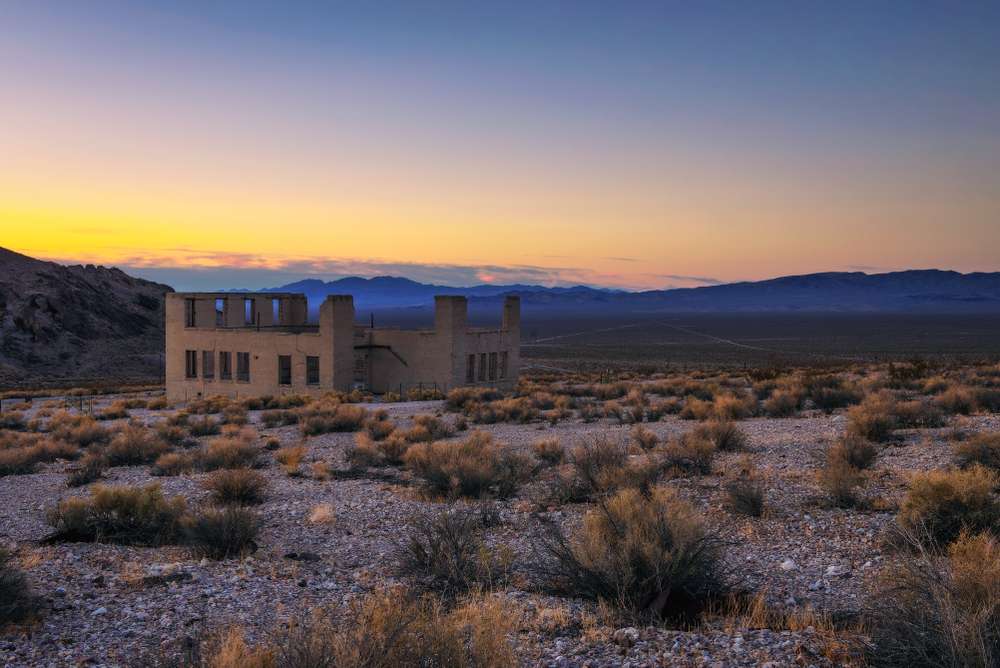
Rhyolite grew rapidly during the early 1900s thanks to a promising gold discovery, quickly developing electric lights, a train station, and even an art colony. However, the boom ended almost as fast as it began, and investors fled, leaving behind striking ruins such as the Bottle House and the three-story Cook Bank. The town’s dramatic rise and fall make it a favorite for photographers exploring the Mojave Desert. For U.S. travel enthusiasts, Rhyolite provides a glimpse into the volatile nature of mining-era optimism.
Garnet, Montana

Garnet attracted miners, families, and entrepreneurs who built homes, saloons, and businesses in the mountainous terrain. When gold production slowed and World War I redirected workers elsewhere, the town gradually emptied, leaving behind sturdy log buildings and abandoned rooms still partly furnished. Today, conservation efforts allow visitors to walk through preserved structures and imagine life during Montana’s early mining days. Garnet remains one of the best-preserved ghost towns in the West and a rewarding stop for heritage-focused travelers.
Thurmond, West Virginia

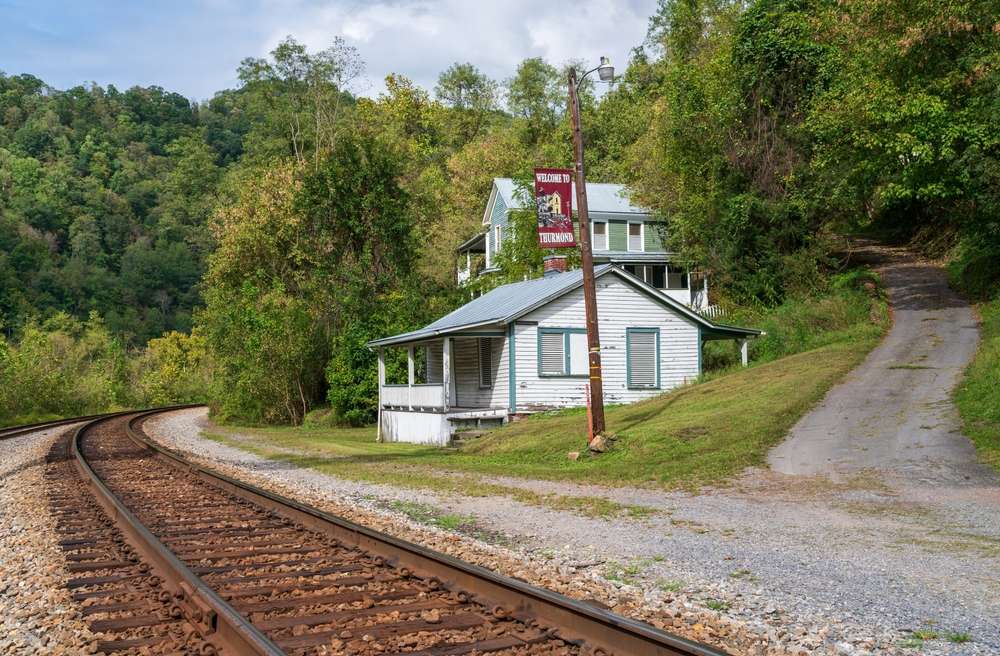
Thurmond was once an energetic railroad town that handled more freight than many major cities. Its hotels, banks, and shops bustled with activity as trains brought workers and visitors through the New River Gorge. But as rail travel and coal operations declined, Thurmond’s population fell dramatically, leaving behind a handful of residents and a row of striking historic buildings. Today, the National Park Service maintains the area, making it a unique stop for those exploring U.S. travel routes through Appalachia.
Jerome, Arizona
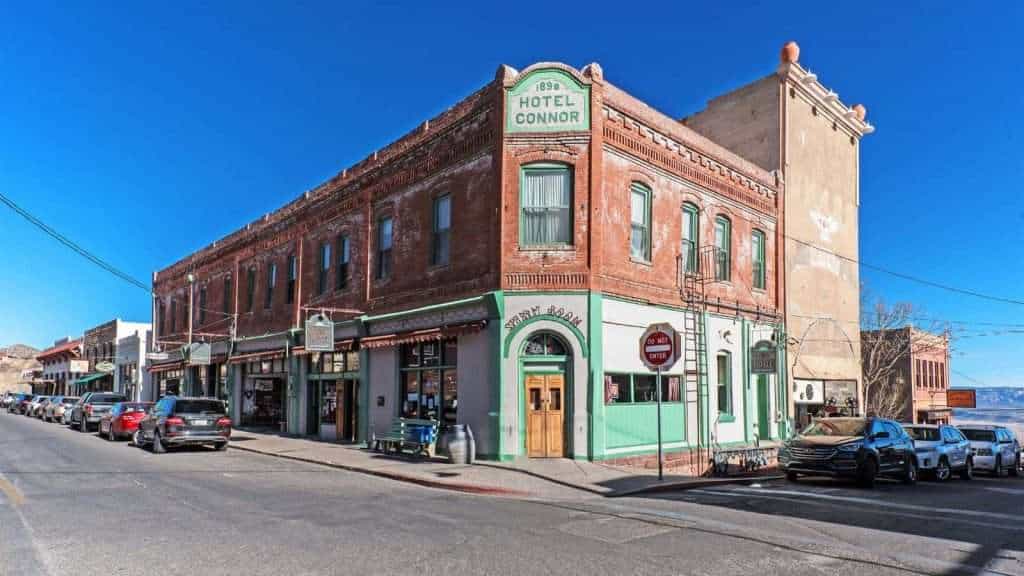
Jerome climbed the side of Cleopatra Hill during its mining boom and once called itself “the wickedest town in the West.” Its saloons, boarding houses, and brothels served miners who extracted millions in copper. When demand fell, the population shrank from thousands to only a few dozen. Artists and adventurous travelers eventually rediscovered Jerome, balancing preservation with new creativity and giving the ghostly hillside town a second life.
Kennecott, Alaska

Kennecott was a thriving copper mining camp located in the rugged wilderness of America’s largest state. Workers endured extreme conditions to extract valuable ore, creating a bustling community complete with a hospital, school, and massive mill buildings. When the mines closed in 1938, residents left nearly everything behind. Today, the National Park Service protects the remains, drawing U.S. travel fans who appreciate history and the remote landscapes of Wrangell–St. Elias National Park.
Silver City, Idaho
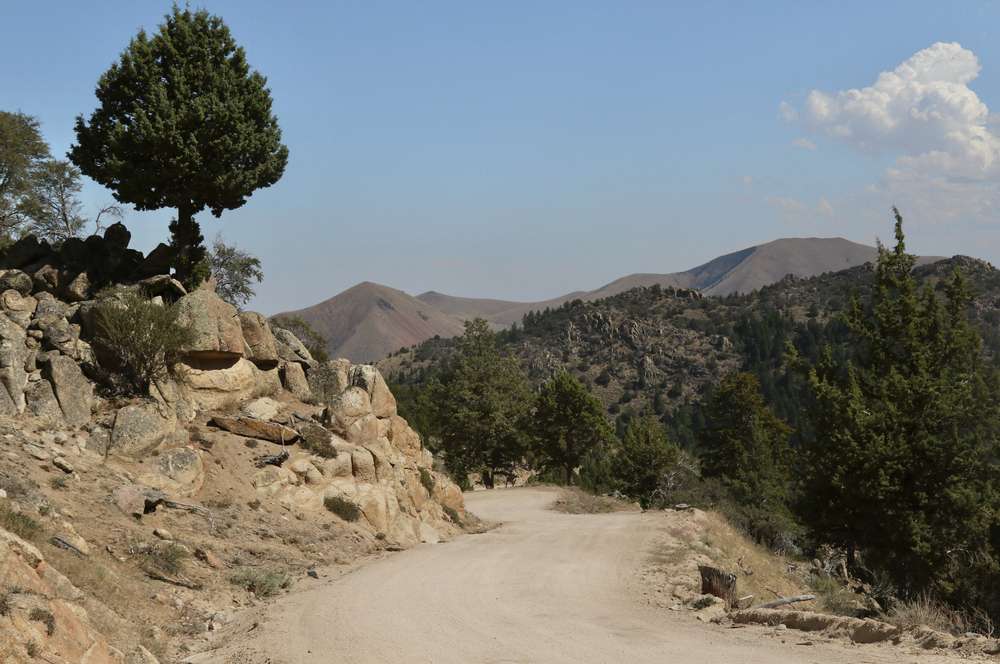
Silver City boomed during the 19th-century mining rush, offering hotels, shops, saloons, and even an opera house. Unlike many ghost towns, its buildings survived fires and time, creating a rare opportunity to see original structures still standing in their historic arrangement. When mining declined, the population dropped, leaving behind a near-silent valley filled with memories and weathered architecture. Modern travelers value Silver City for its authenticity and rugged beauty.
Chaco Canyon Communities, New Mexico

The ancient settlements of Chaco Canyon once flourished as major cultural and trade centers for the Ancestral Puebloans. Although not a “town” in the modern sense, its grand structures, astronomical alignments, and extensive road networks reveal a thriving civilization. Over time, environmental changes and resource pressures contributed to the area’s depopulation, leaving behind impressive ruins. Today, travelers seeking deeper U.S. travel experiences explore these monumental structures to understand the region’s layered history.
St. Elmo, Colorado

St. Elmo thrived during Colorado’s mining boom, supporting families, traders, and adventurers who made a life high in the Rockies. When the mines closed, the railroad stopped service, and residents gradually departed, leaving behind cabins, hotels, and a general store. The mountain air preserved the town remarkably well, allowing visitors to stroll past structures that seem frozen in time. It remains one of Colorado’s most atmospheric ghost towns for travelers pursuing scenic history.
Goldfield, Nevada
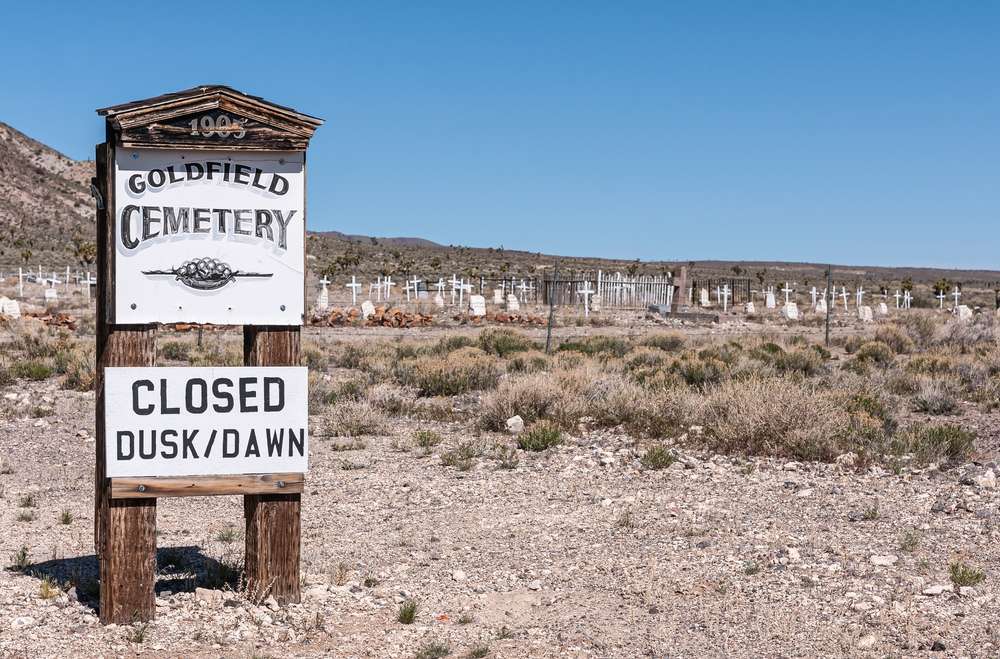
Goldfield became one of Nevada’s richest boom towns, attracting investors and celebrities in the early 1900s. Its grand hotels, electric grid, and busy streets reflected a town convinced its success would last. But as ore production declined, so did Goldfield’s population, leaving behind fading mansions and grand but quiet avenues. Today, travelers explore the remnants of its glory, including the famed Goldfield Hotel, which still stands as a reminder of early Western ambition
Cerro Gordo, California
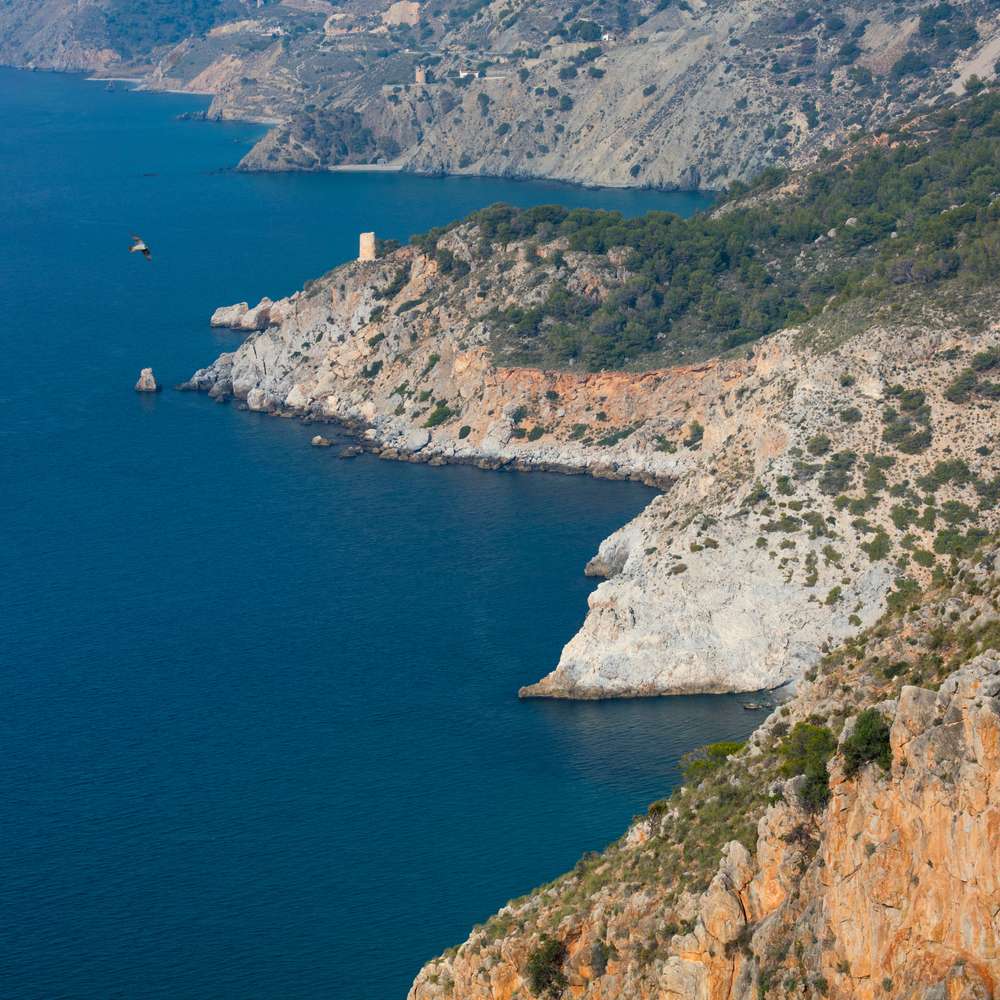
Cerro Gordo supplied enormous quantities of silver and lead to Los Angeles during the late 1800s and early 1900s. Its rowdy mining camp included saloons, boarding houses, and busy smelters that kept the town thriving. Once the mines diminished, residents left quickly, and the site became one of the most significant ghost towns in the state. Today’s preservation efforts draw curious travelers who enjoy exploring the American West’s industrial past.
Animas Forks, Colorado
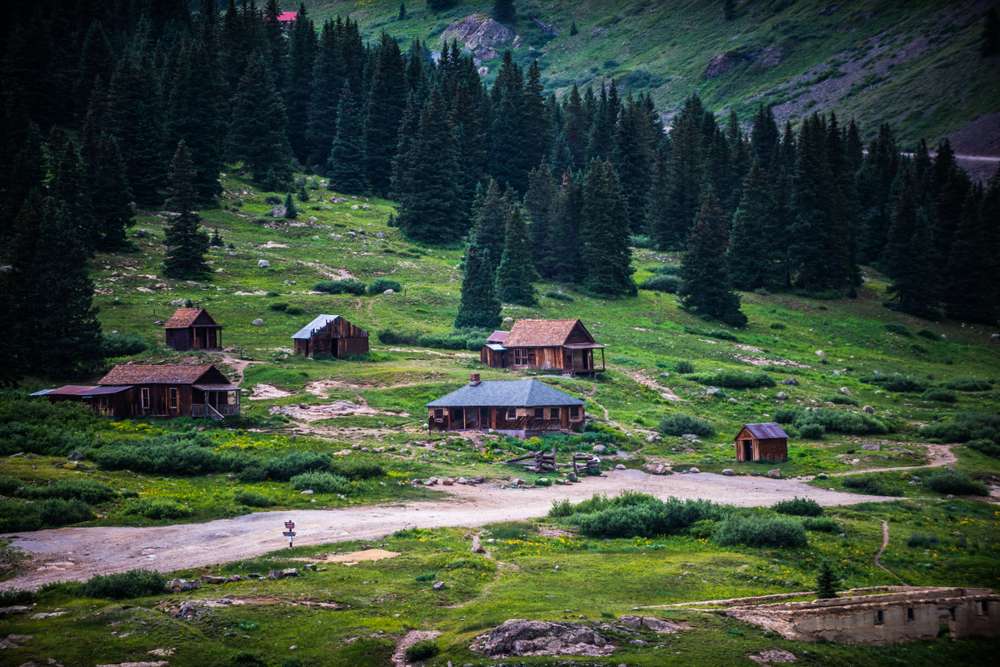
High in the San Juan Mountains, Animas Forks once supported miners who endured fierce winters and high-altitude hardships. The town had homes, mills, and a central hotel, but its remote location made long-term survival difficult. When mining profits fell, residents moved on, leaving behind beautifully weathered wooden structures. Modern explorers traveling the Alpine Loop find Animas Forks to be a powerful reminder of Colorado’s rough mining history.
Calico, California
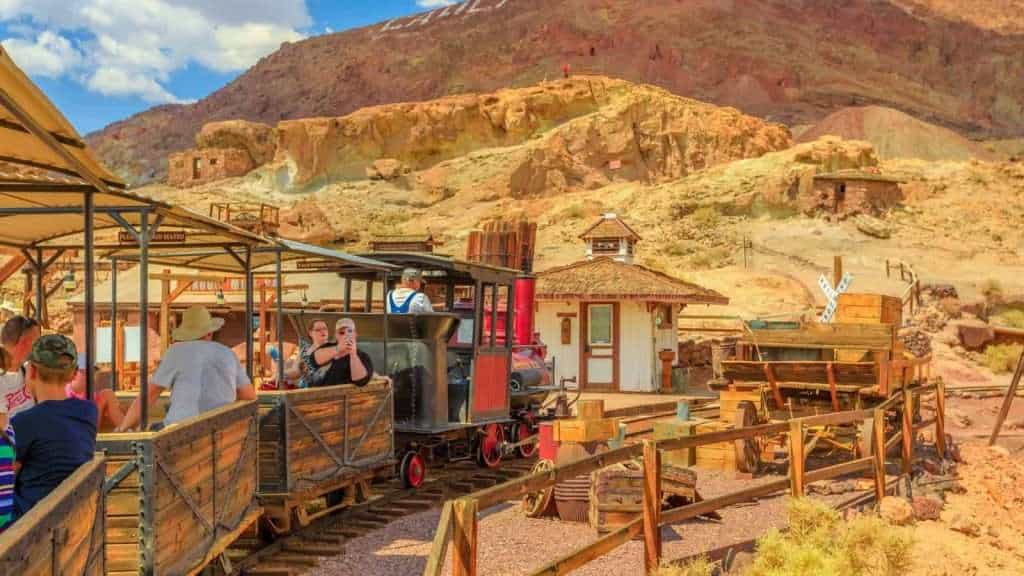
Calico enjoyed a lively silver rush during the 1880s, attracting prospectors eager for fast riches. After the value of silver dropped, the town emptied almost overnight, leaving behind its sunbaked buildings and mining remnants. Restoration efforts later preserved its structures, allowing visitors to experience a reimagined piece of Western history. Though now partly a park site, Calico still reflects the rise-and-fall cycles that shaped many American boom towns.
Bannack, Montana
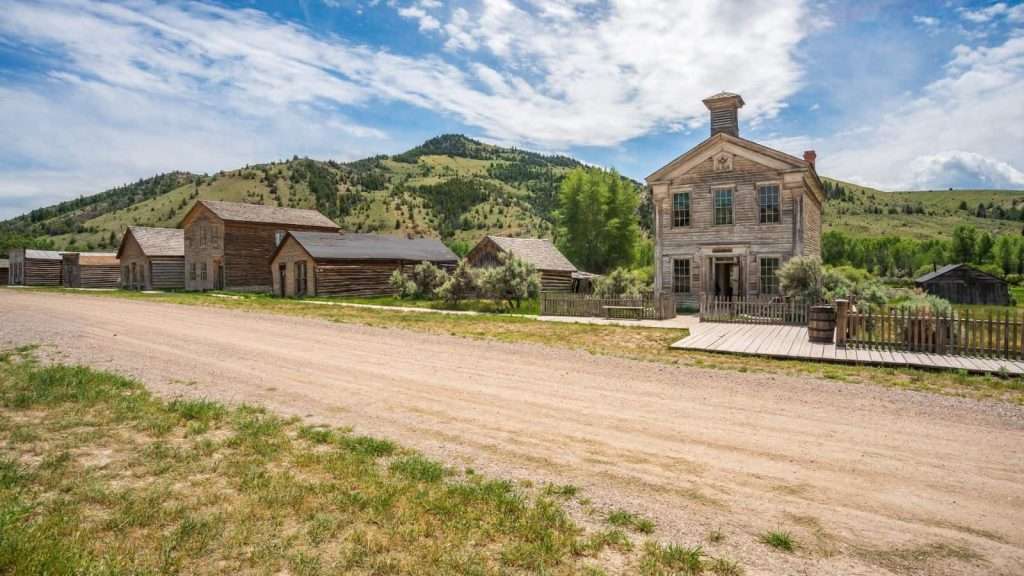
Bannack emerged as Montana’s first territorial capital, filled with miners searching for gold along Grasshopper Creek. The town soon developed hotels, saloons, and civic buildings, serving as a hub for frontier life. When larger gold strikes were discovered elsewhere, residents left for more promising opportunities. Today, Bannack State Park maintains more than 50 buildings, allowing travelers to walk through authentic settings that tell a dramatic story of opportunity and decline.
Grafton, Utah
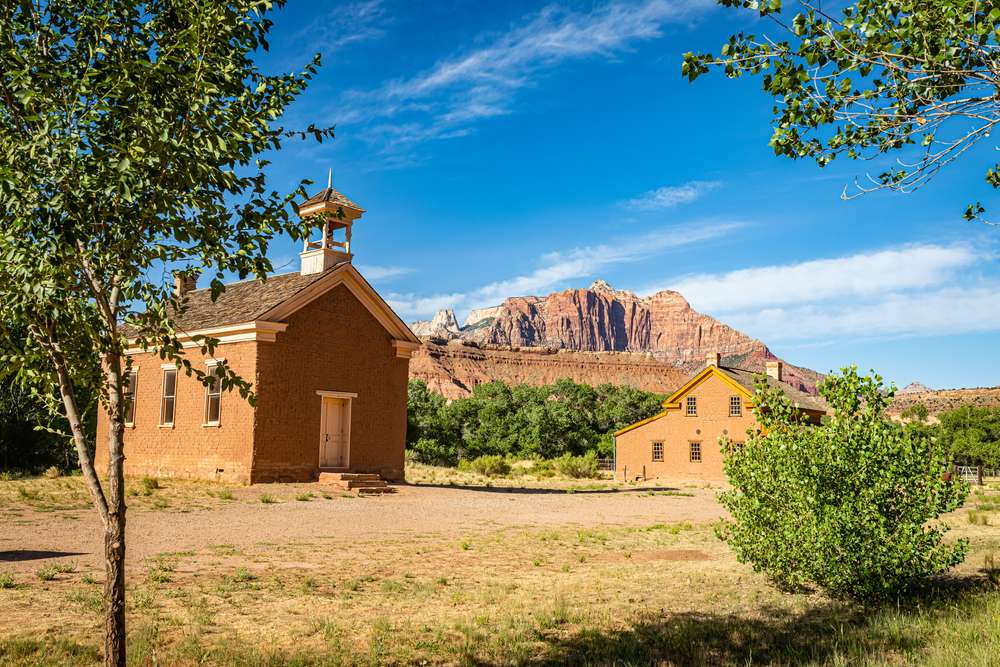
Grafton grew along the Virgin River as pioneer families built homes, farms, and community structures in the mid-1800s. Flooding, isolation, and economic difficulties eventually pushed residents to relocate to nearby towns. The remaining buildings—including a church and several homesteads—create a quiet, memorable landscape. Travelers visiting Zion National Park often stop by Grafton to absorb a different side of southwestern history.
Cisco, Utah

Cisco began as a water-refill stop for steam locomotives before growing into a trading center for ranchers and travelers. When diesel engines replaced steam and transportation routes shifted, Cisco quickly lost its purpose. The remaining structures—service stations, homes, and shops—still stand in varying states of decay. Modern travelers on scenic U.S. highways often stop to photograph Cisco’s atmospheric ruins and imagine the bustling stopover it once was.

Deborah Montiero is a seasoned travel writer and contributor to Probe the Globe. With a passion for uncovering hidden gems and sharing immersive travel experiences, Deborah’s work highlights must-visit destinations, insider tips, and practical advice for travelers of all types. Whether exploring bustling cities or remote escapes, her articles are crafted to inspire and inform, making her a trusted voice in the travel community.
Her storytelling weaves together cultural insights, logistical tips, and authentic experiences, making her a valuable resource for readers seeking unforgettable journeys.
When not writing, Deborah is likely researching the latest travel trends or planning her next adventure. Follow her work on Probe the Globe for fresh perspectives and up-to-date travel inspiration.