19 Shipwreck Sites You Can Still See From Shore
America’s coastlines, lakeshores, and riverbanks hold more than scenic views and quiet beaches—they also preserve dramatic reminders of maritime history. In many places across the United States, shipwrecks remain visible from land, offering travelers an eerie glimpse into storms, accidents, and forgotten trade routes. These locations add depth to coastal U.S. travel, blending natural beauty with stories frozen in time. We look at 19 Shipwreck Sites You Can Still See From Shore
SS Palo Alto
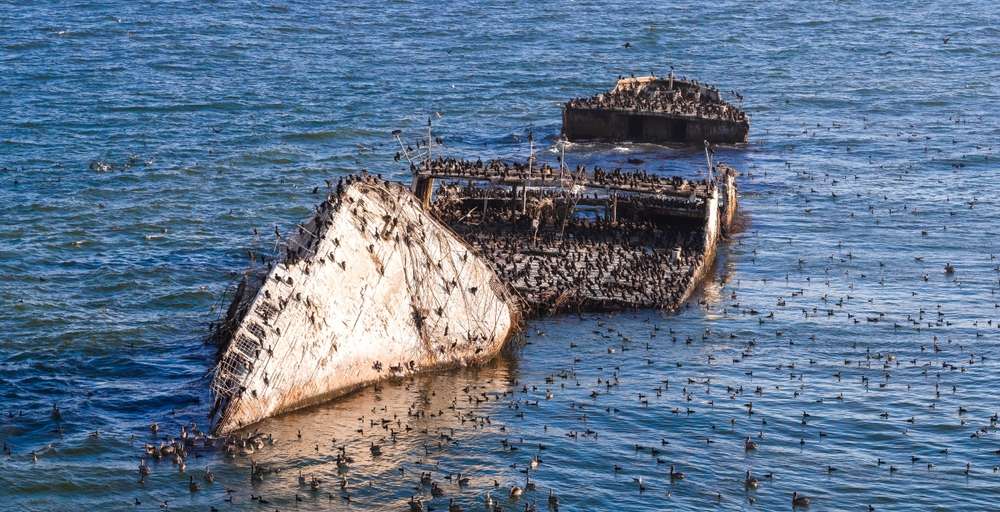
The SS Palo Alto rests just offshore at Seacliff State Beach, making it one of California’s most visible shipwrecks. Built as a concrete tanker during World War I, the vessel was later repurposed as an entertainment pier before storms claimed it. From shore, travelers can clearly see its skeletal remains rising from the Pacific. For coastal road trips along Highway 1, this shipwreck adds historical intrigue to an otherwise classic beach stop.
Peter Iredale
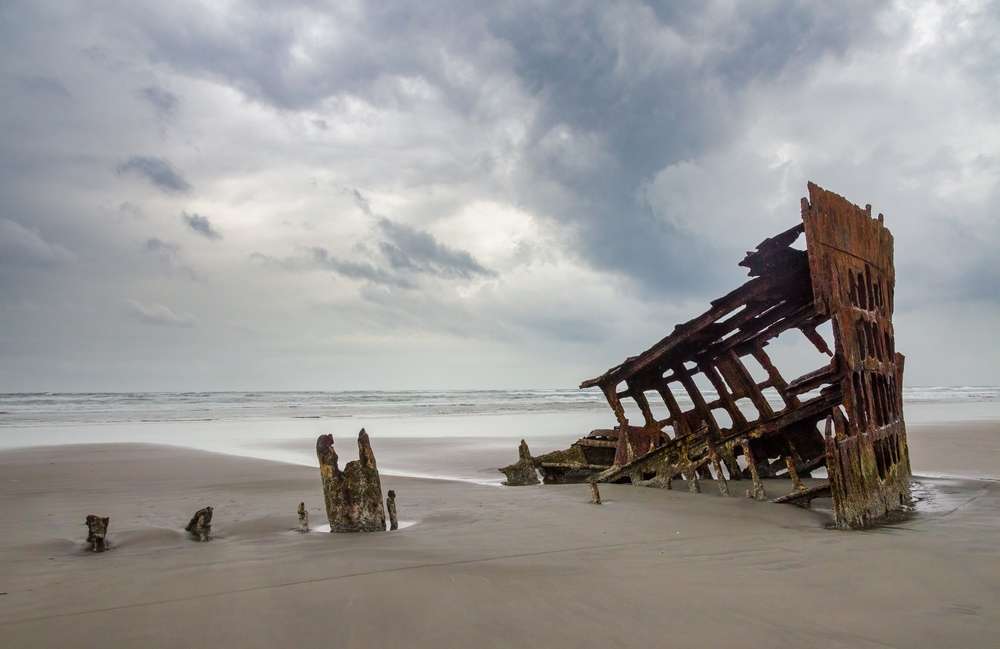
The Peter Iredale ran aground in 1906 and has remained on Oregon’s coast ever since. Its rusted hull sits prominently on the sand, fully visible from the beach. Over time, waves and weather have reshaped the wreck, giving it an almost sculptural appearance. Travelers exploring the Pacific Northwest coastline often stop here to photograph the ship and reflect on how powerful storms can permanently alter maritime history.
SS Atlantus
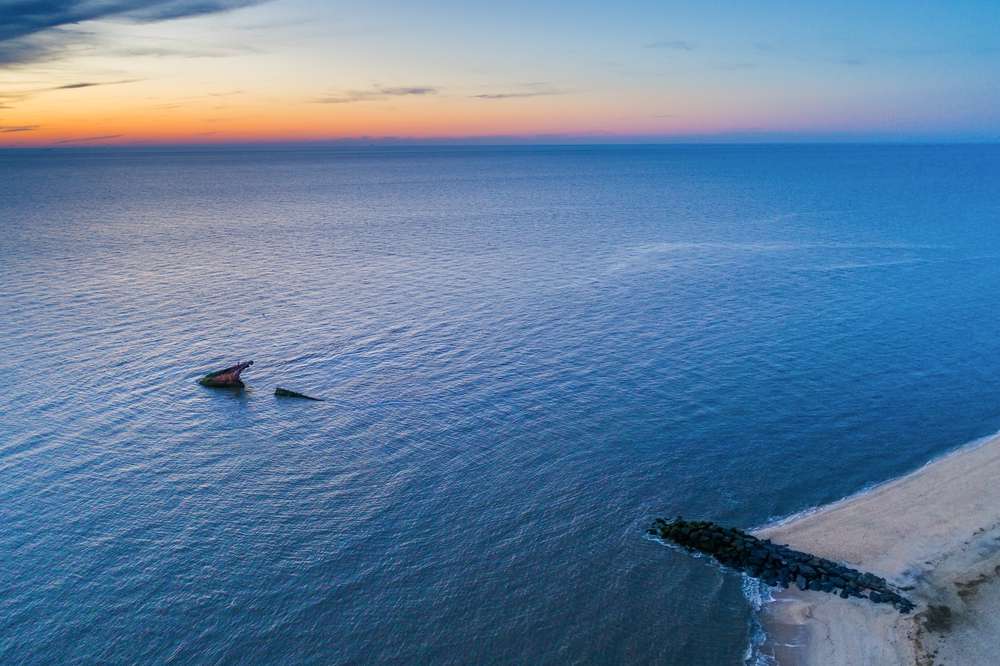
Off the coast of Cape May, the remains of the SS Atlantus lie partially submerged and clearly visible from shore. Like the Palo Alto, this ship was made of concrete and intended for wartime transport. Storms broke it apart before it could be used as a pier. Today, it serves as a haunting landmark for travelers exploring New Jersey’s beaches and adds an unexpected layer of history to Atlantic Coast travel.
Point Reyes Shipwrecks
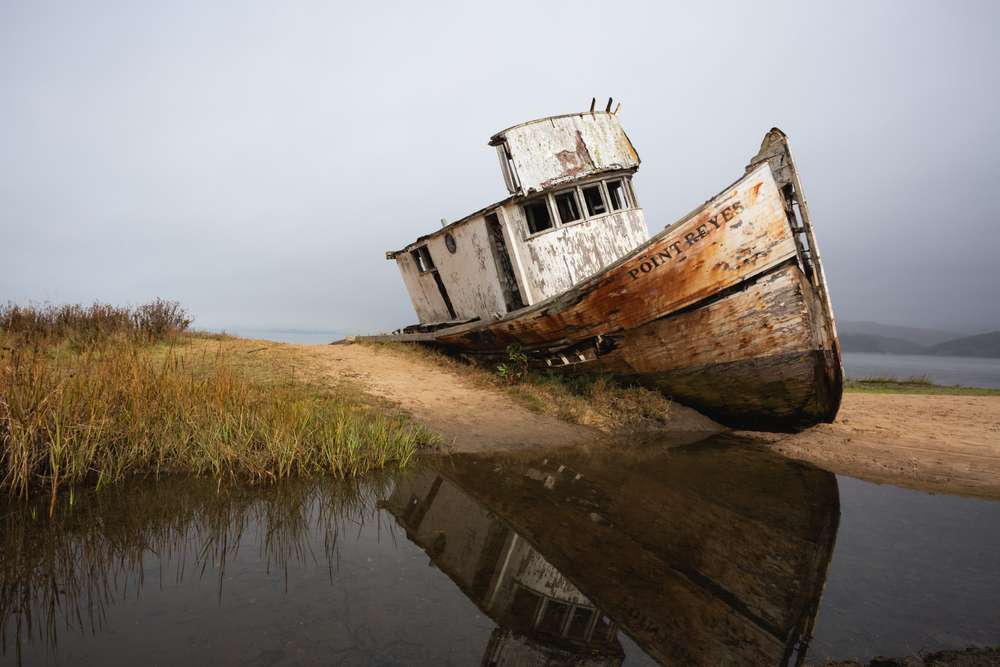
Several shipwrecks are scattered along the shores of Point Reyes, visible during low tide from hiking trails and beaches. Fierce winds and fog earned the area a reputation as a maritime hazard. Travelers hiking coastal trails often spot skeletal remains emerging from the sand. For Northern California travel, these wrecks reinforce how unforgiving the Pacific can be, even near land.
Dimitrios Shipwreck
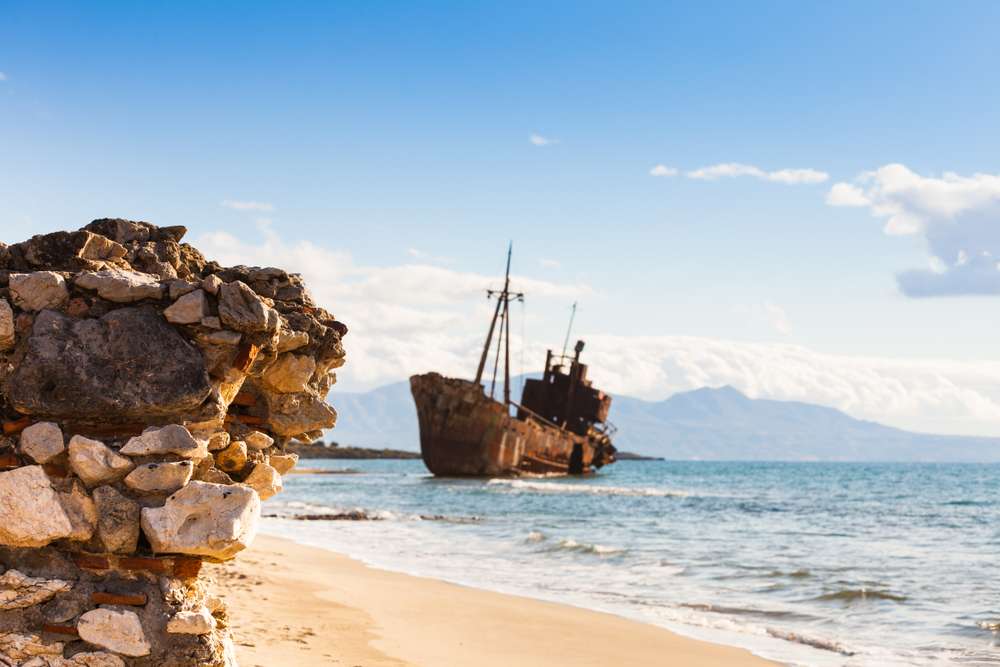
While better known internationally, similar derelict cargo ships can be seen along U.S. shores, particularly in the Gulf Coast. These abandoned vessels, stranded near ports or beaches, create eerie silhouettes against the water. Travelers driving coastal highways often stumble upon them unexpectedly. They highlight how commerce and decay coexist along America’s working waterfronts.
SS Sapona

Concrete shipwrecks similar to the SS Sapona can be spotted near U.S. shorelines, especially in Florida’s coastal waters. Some sit close enough to land to be visible from beaches or docks. For travelers exploring Florida travel routes, these wrecks tell stories of wartime innovation and structural experimentation gone wrong.
Olympia Shipwreck

Cape Cod’s shifting sands have claimed countless vessels, and several wrecks remain visible from shore after storms. The Olympia Shipwreck is one example that emerges periodically from the beach. Travelers visiting Massachusetts coastal destinations often find these appearances haunting. They serve as reminders of how dynamic shorelines constantly reveal and conceal maritime history.
St. Peter the Fisherman Shipwreck

Along Lake Michigan, several shipwrecks sit close enough to shore to be seen from land. These freshwater wrecks are remarkably preserved due to cold temperatures. Travelers exploring Great Lakes travel routes often encounter visible timbers or hull outlines. The calm appearance of the lakes today contrasts sharply with the storms that caused these wrecks.
SS City of Adelaide

The SS City of Adelaide lies beneath shallow waters, visible from shore under the right conditions. It ran aground in the 19th century and became a landmark rather than a salvage target. Travelers visiting Midwest coastal towns find it fascinating that such large vessels remain so close to land. The wreck adds depth to Great Lakes tourism and history-focused travel.
Alabama Point Shipwreck
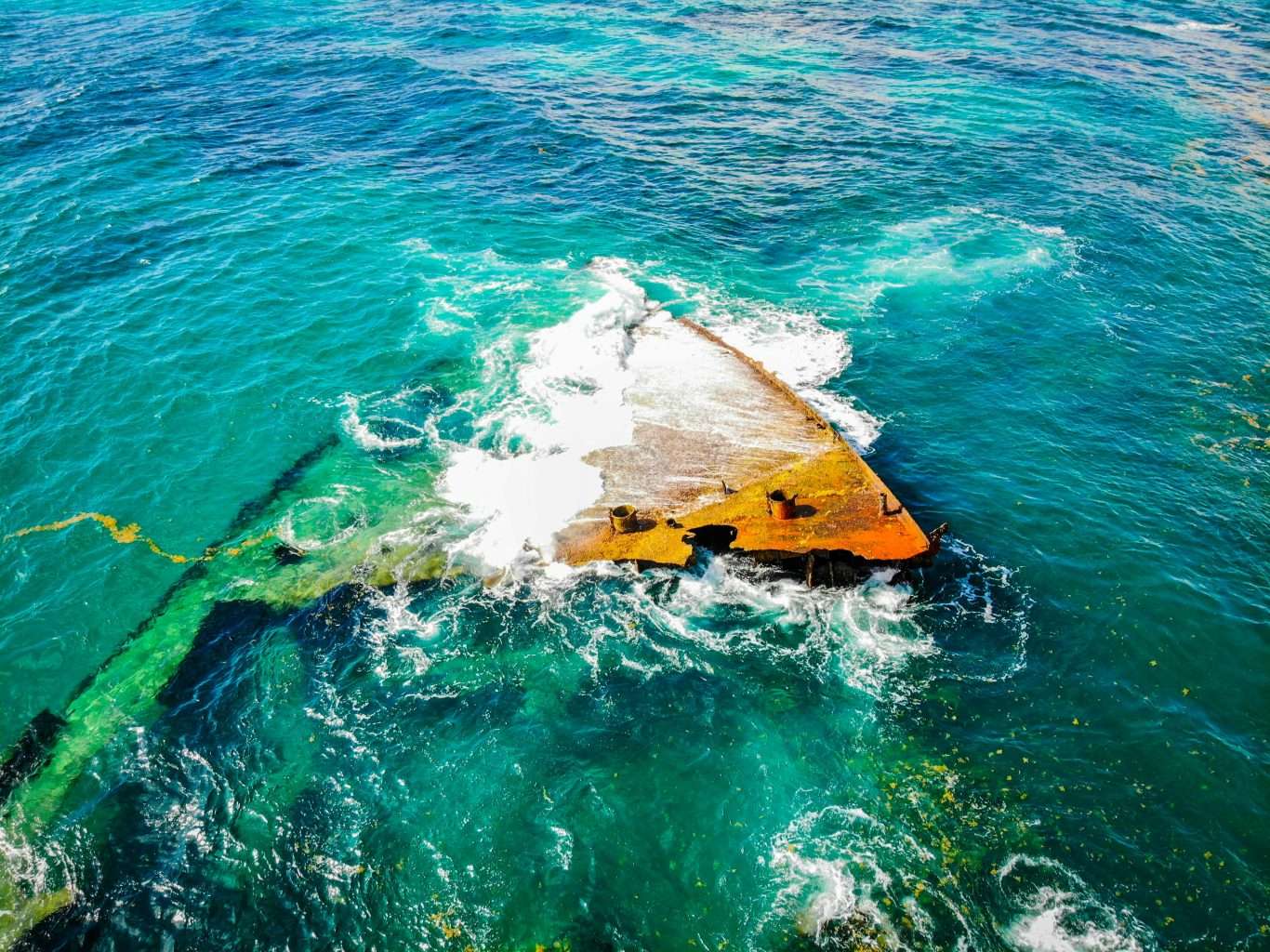
Near Alabama Point, remnants of older vessels are visible during low tide. Hurricanes and storms occasionally uncover these forgotten ships. Travelers exploring Gulf Coast beaches often stumble upon exposed timbers without expecting them. The combination of warm sand and weathered wreckage creates a striking contrast that adds storytelling value to Southern U.S. coastal travel.
SS Nornen

The SS Nornen wreck sits off the shore of Bald Head Island, visible from land at low tide. This Norwegian barque ran aground in the early 1900s and became part of the landscape. Travelers walking the beach can see its remains emerging from the surf. It’s a quiet but powerful reminder of how global trade once passed through seemingly remote coastal areas.
Umpqua River Shipwrecks
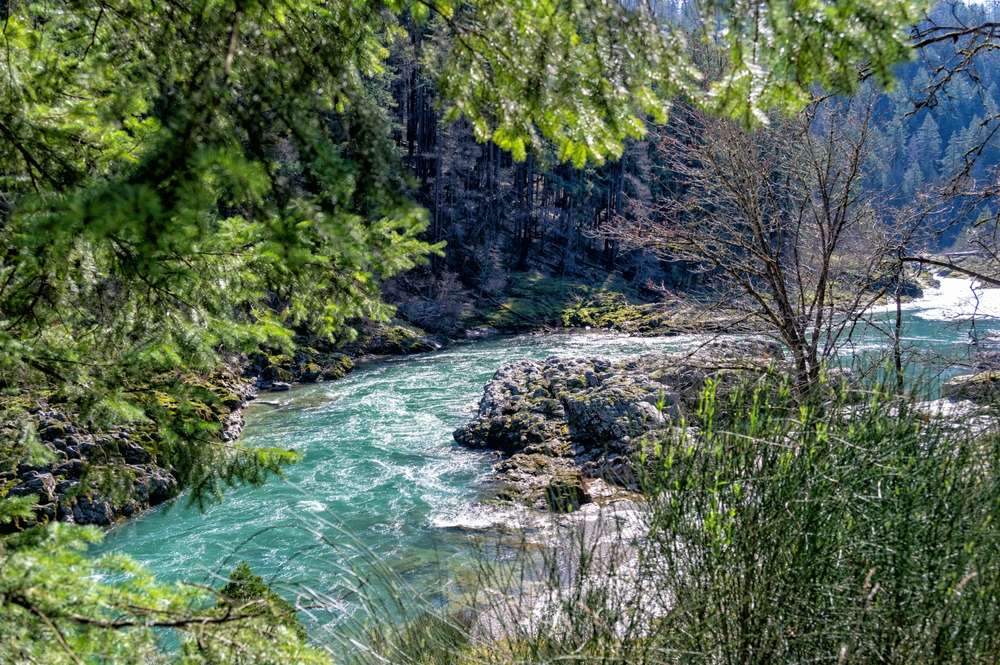
Near the mouth of the Umpqua River, multiple shipwreck remnants can be spotted from shore. Shifting sands and strong currents caused repeated maritime accidents here. Travelers exploring Oregon coastal drives often see dark shapes in the water that turn out to be ship remains. These wrecks add mystery to an already dramatic stretch of coastline.
SS Maheno
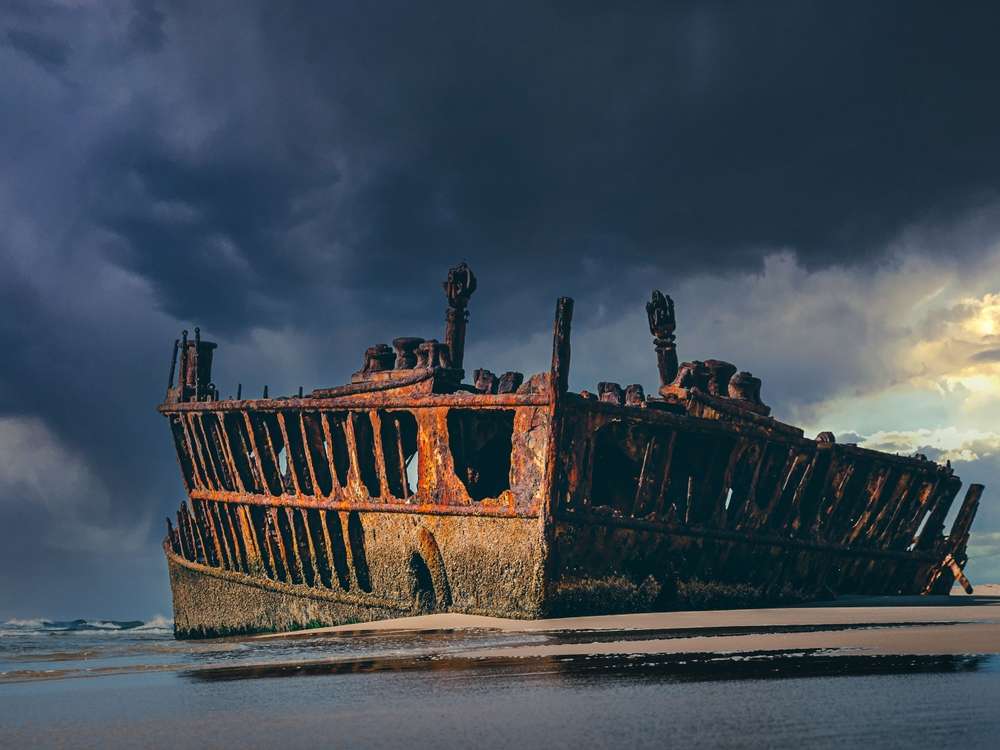
Along U.S. shores, hospital ships and passenger vessels from wartime eras occasionally remain visible near beaches. These wrecks attract travelers interested in military history and coastal exploration. From shore, their rusted frames feel both monumental and vulnerable. They reinforce how conflict-era ships often met quiet ends far from battlefields.
Fort Pierce Shipwrecks

Off Fort Pierce, shipwrecks sit so close to shore they’re visible from beaches and piers. Many were scuttled intentionally to form breakwaters. Travelers exploring Florida’s Atlantic Coast often spot their outlines through shallow water. These wrecks show how ships sometimes shift from transportation tools to coastal infrastructure.
Pointe aux Barques Shipwrecks

This region of Lake Huron is known as “Shipwreck Alley,” with several wrecks visible from land during calm conditions. Strong currents and sudden storms claimed many vessels. Travelers exploring Michigan’s shoreline find the combination of tranquility and tragedy compelling. The visibility of wrecks makes maritime history feel immediate and tangible.
Key West Shipwrecks

Shipwrecks near Key West played a major role in the area’s early economy. Some remain visible from shore or shallow water today. Travelers visiting the Keys can spot these remains while walking beaches or docks. They highlight how wrecking once shaped coastal communities and fueled regional development.
Navarre Beach Shipwrecks
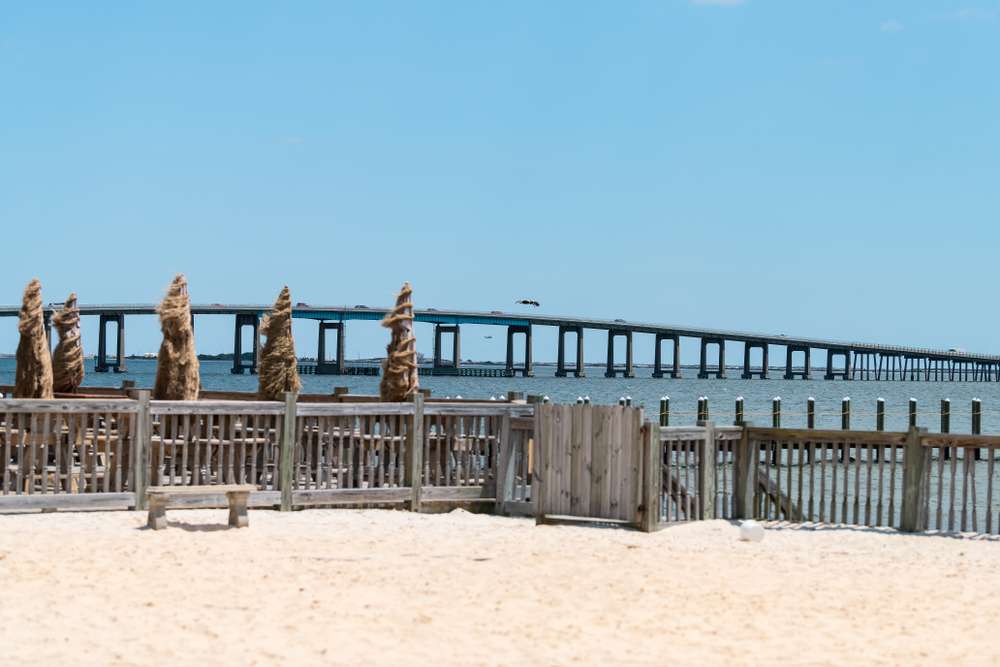
Along Navarre Beach, artificial reef shipwrecks sit close enough to shore to be seen on clear days. Designed to enhance marine life, they now double as visual landmarks. Travelers exploring Panhandle road trips enjoy spotting these shapes offshore. The wrecks show how sunken ships can gain new purpose over time.
Point Sur Shipwrecks
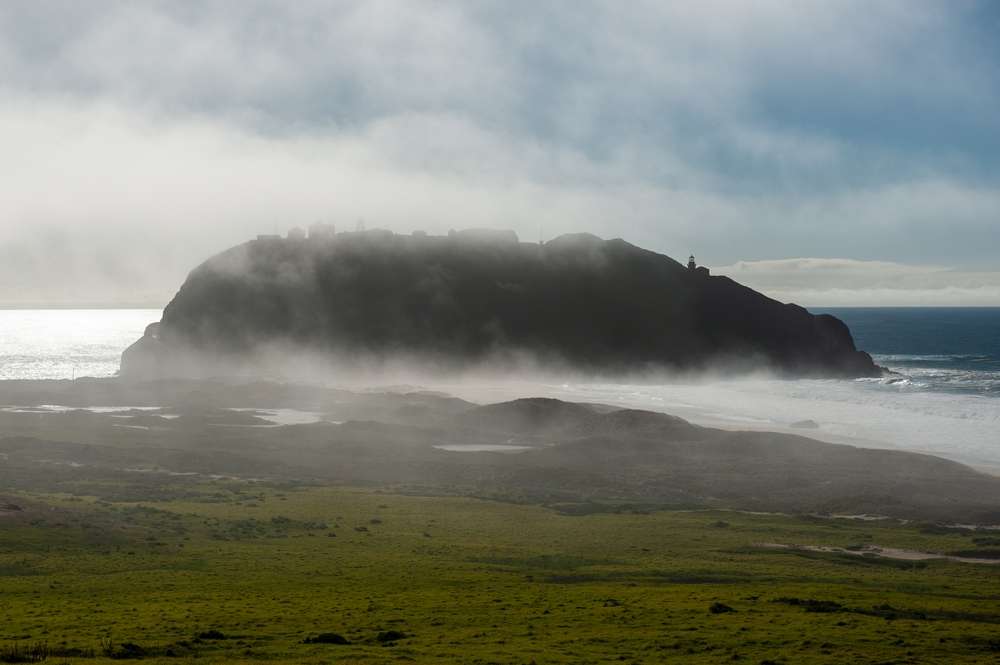
Point Sur’s rocky shoreline claimed several vessels over the centuries. Remains occasionally become visible from cliffs and beaches below the lighthouse. Travelers driving California’s central coast often pause to scan the water. These shipwrecks reinforce Big Sur’s reputation for beauty mixed with danger.
Thunder Bay Shipwrecks

While many wrecks here are underwater, some sit close enough to shore to be visible during calm conditions. Thunder Bay’s clear water allows travelers to see outlines from beaches and overlooks. For Great Lakes travel enthusiasts, this area feels like an open-air museum. The accessibility of history makes shoreline exploration especially rewarding.

Deborah Montiero is a seasoned travel writer and contributor to Probe the Globe. With a passion for uncovering hidden gems and sharing immersive travel experiences, Deborah’s work highlights must-visit destinations, insider tips, and practical advice for travelers of all types. Whether exploring bustling cities or remote escapes, her articles are crafted to inspire and inform, making her a trusted voice in the travel community.
Her storytelling weaves together cultural insights, logistical tips, and authentic experiences, making her a valuable resource for readers seeking unforgettable journeys.
When not writing, Deborah is likely researching the latest travel trends or planning her next adventure. Follow her work on Probe the Globe for fresh perspectives and up-to-date travel inspiration.