19 Civil War Sites in the U.S. That Still Echo the Past
America’s Civil War left a landscape of battlefields, forts, prisons, and memorials that still shape how we remember the conflict. Walkable terrain, quiet cemeteries, and interpretive centers let visitors trace strategy, sacrifice, and the human stories behind the maps. Whether you’re a history buff or a traveler seeking powerful places that evoke the past, these 19 sites invite reflection and learning.
Gettysburg National Military Park
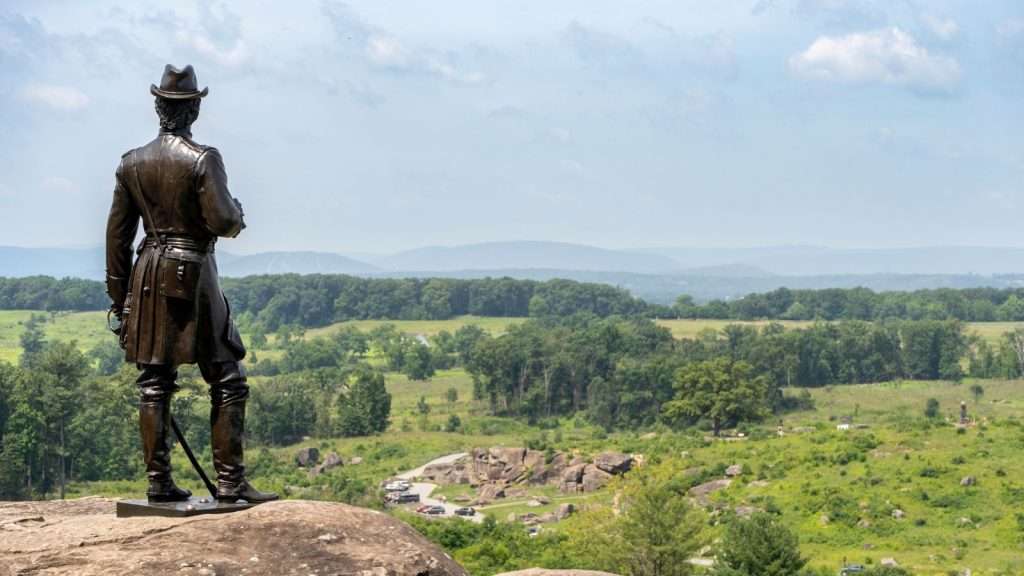
Gettysburg is the crossroads of Civil War memory and one of the best-known battlefields in the United States. The three-day battle in July 1863 ended General Lee’s northern invasion and produced staggering casualties; today, rolling fields, preserved ridges, and the Soldiers’ National Cemetery create a powerful setting for reflection. Guided battlefield tours, ranger talks, and the modern Gettysburg Museum and Visitor Center help visitors understand tactics, eyewitness accounts, and the war’s larger political ramifications. Walking the avenues where infantry advanced and artillery fired gives a concrete sense of how landscape shaped outcomes and how the memory of that struggle has been preserved.
Antietam National Battlefield (Sharpsburg)
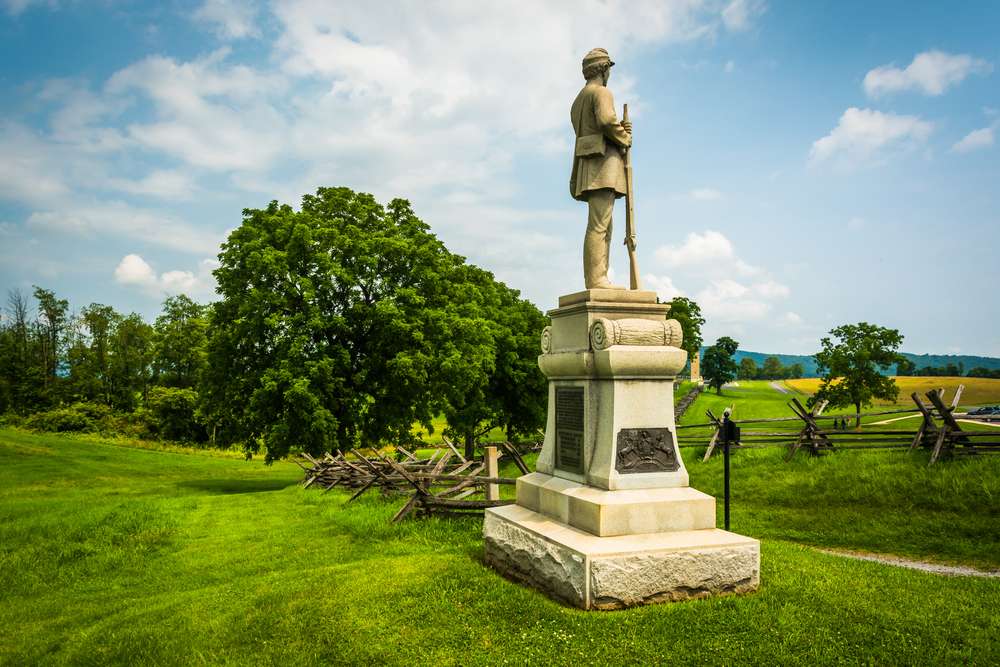
Antietam, fought on September 17, 1862, is remembered as the bloodiest single day in American military history and stands as a sobering place to confront the war’s human cost. The battlefield is carefully preserved, with interpretive signage marking key locations such as the Cornfield, Dunker Church, and Burnside’s Bridge, sites that witnessed desperate attacks and stubborn defense. Antietam’s designation also had national consequences: President Lincoln cited the Union tactical check as sufficient grounds to issue the preliminary Emancipation Proclamation. Today’s visitors can tour the battlefield loop by car or on foot, attend ranger programs, and visit the visitor center’s exhibits that place the battle in both military and social context.
Vicksburg National Military Park

Perched on bluffs above the Mississippi River, Vicksburg was the jewel that, once captured, split the Confederacy along the river and helped secure Union control of the Mississippi. The siege of Vicksburg tested logistics, morale, and the resilience of both armies, and the park contains trenches, earthworks, monuments, and the restored USS Cairo museum to tell that story. Beyond the military narrative, Vicksburg’s park and nearby museum explore civilian life under siege and the movements of enslaved people in the region. Walking the preserved lines and gazing across the river, visitors grasp why control of waterways mattered so much and how the city’s fall in July 1863 reshaped the conflict.
Fort Sumter National Monument
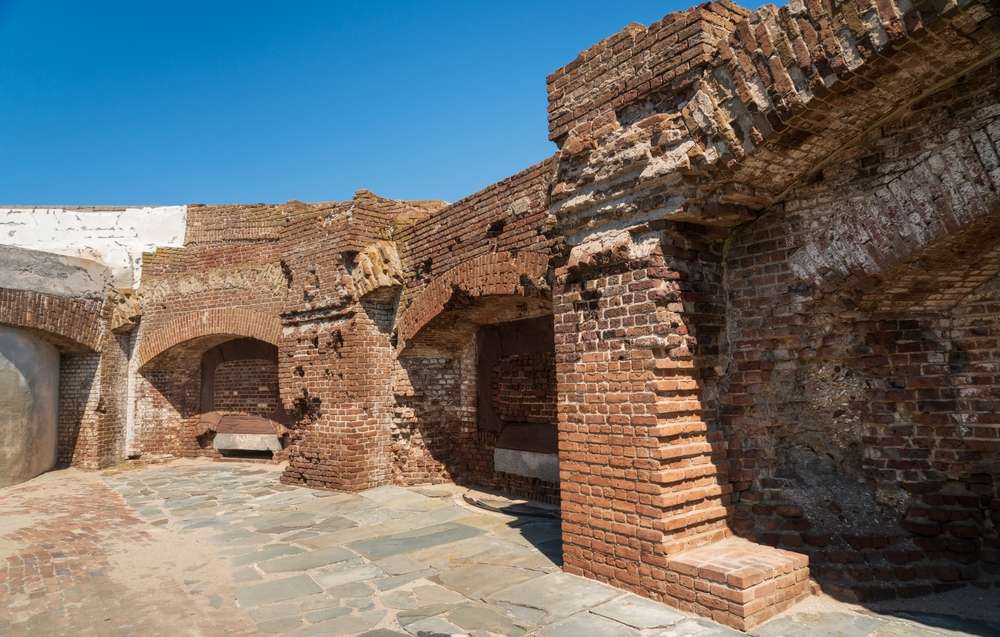
Fort Sumter, in Charleston Harbor, is where the first shots of open Civil War hostilities were fired in April 1861 — an iconic starting point for understanding the outbreak of war. Accessible by ferry, the island and its ruins occupy a dramatic place where coastal defense, politics, and symbolism converged; the National Park Service interprets the bombardment and subsequent shifting control of the seacoast. Museum exhibits and ranger talks contextualize secession, the reactions in both North and South, and how the war’s opening exchange set the nation on a decade of armament and memory-making. Visiting Fort Sumter connects the visitor geographically and emotionally to that instant when national conflict moved from rhetoric to bullets.
Shiloh National Military Park

Shiloh, fought in Tennessee in April 1862, revealed the war’s capacity for sudden carnage and foreshadowed prolonged conflict in the West. The park preserves dense woodlands, creek crossings, and monuments to units and commanders who fought in chaotic, close terrain where surprise and poor reconnaissance produced horrific losses. Shiloh’s story highlights how logistical lines and river control mattered to both Union and Confederate strategies, and the park’s visitor center helps modern travelers see the broader campaign that framed the battle. Quiet forest trails and preserved earthworks create an atmosphere that invites contemplation about how ordinary soldiers endured confusion and extreme violence over two brutal days.
Chancellorsville Battlefield (Fredericksburg & Spotsylvania NMP)
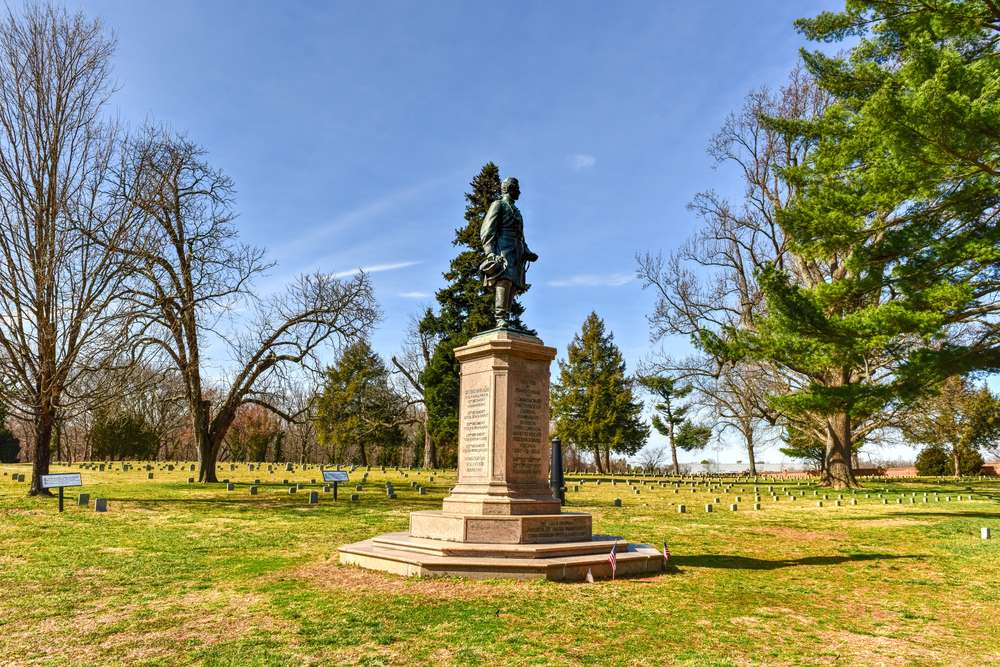
Chancellorsville is often remembered as Confederate General Robert E. Lee’s greatest tactical triumph, achieved at great cost in manpower and leadership — including the mortal wounding of Stonewall Jackson. The battlefields in this part of Virginia are part of the Fredericksburg & Spotsylvania National Military Park and provide layered interpretation of maneuvers, surprise flanking movements, and the terrain challenges of dense woods and streams. Beyond tactics, the site prompts visitors to think about command decisions, communication failures, and the cumulative attrition that shaped later campaigns. Interpretive walks, maps, and ranger programs help contextualize both the Confederate victory and the long-term drain that eventually affected Southern capacity to continue the fight.
Appomattox Court House National Historical Park
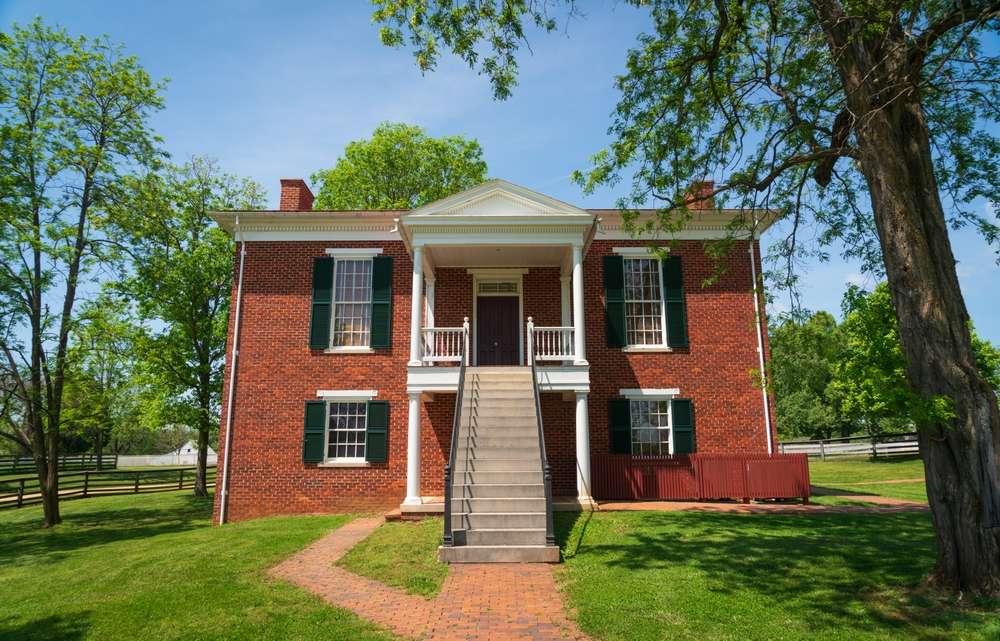
Appomattox Court House is where General Robert E. Lee surrendered the Army of Northern Virginia to Ulysses S. Grant in April 1865, an event that ushered in the end of large-scale conventional fighting. The village and its preserved courthouse, McLean House, and surrounding landscape allow visitors to imagine the solemn negotiations and surprisingly civil terms that shaped the transition from war toward restoration. The park emphasizes the human side: weary soldiers, weary communities, and the beginning of Reconstruction’s complicated work. Visiting Appomattox offers a reflective capstone to battlefield tours — a reminder that victory included both military resolution and the daunting political task of national reunification.
Chickamauga & Chattanooga National Military Park

The twin parks of Chickamauga and Chattanooga preserve dramatic fighting in the mountainous regions of northern Georgia and southeastern Tennessee, where control of rail lines and supply corridors proved decisive. Chickamauga saw intense, sprawling combat in September 1863, followed by Chattanooga’s siege and the famous “Cracker Line” relief; collectively, these campaigns shaped control of the western theater. The park presents ridgelines, rock outcrops, and memorials that reveal how terrain advantaged or hampered movements, and interpretive programming connects battle actions to the larger logistics-driven war. For travelers, these parks offer extensive trails, scenic overlooks, and the opportunity to study operational maneuver on a human scale.
Petersburg National Battlefield

Petersburg’s war of entrenchment — a months-long siege from 1864 to 1865 — was a turning point in industrialized warfare and presaged trench conflicts of later wars. The city’s extended siege lines and earthworks are preserved in multiple park units, showing the gradual strangulation of Confederate supply routes into Richmond. Interpreters and exhibits explain how railroad lines, fortifications, and the use of siege tactics altered Civil War conduct and inflicted protracted suffering on soldiers and civilians. Visiting Petersburg gives travelers a clearer sense of how attritional strategy and industrial capacity combined to exhaust one side’s ability to continue large-scale operations, making the site essential for understanding the war’s final year.
Harpers Ferry National Historical Park

Harpers Ferry sits at the confluence of the Potomac and Shenandoah Rivers and was strategically contested for control of armories and transportation. The town’s complex Civil War story includes raids, occupation by both armies, and the well-known raid by John Brown in 1859 that helped catalyze national tensions. Today’s park melds industrial history, African American heritage, and military operations into a compelling interpretive whole; museums and preserved streetscapes let visitors follow how geography made Harpers Ferry a repeated flashpoint. Hiking trails along river gorges also offer scenic contrast, reminding travelers that natural landscapes and human conflict often intersect.
Andersonville National Historic Site

Andersonville, the site of Camp Sumter, is a somber memorial to the thousands of Union prisoners who perished in horrific conditions during 1864–1865. The prison’s stark cemetery, preserved grounds, and compelling museum exhibitions confront the realities of overcrowding, disease, inadequate supplies, and the ethics of wartime imprisonment. Visitors encounter careful interpretation about prisoners’ daily lives, the Confederacy’s resource constraints, and postwar efforts to memorialize the dead and pursue justice. Andersonville is essential for travelers seeking the human cost of the war beyond battlefield maneuvers: the site forces attention on suffering, memory, and the responsibilities communities carry in remembering tragedy.
Fort Donelson National Battlefield
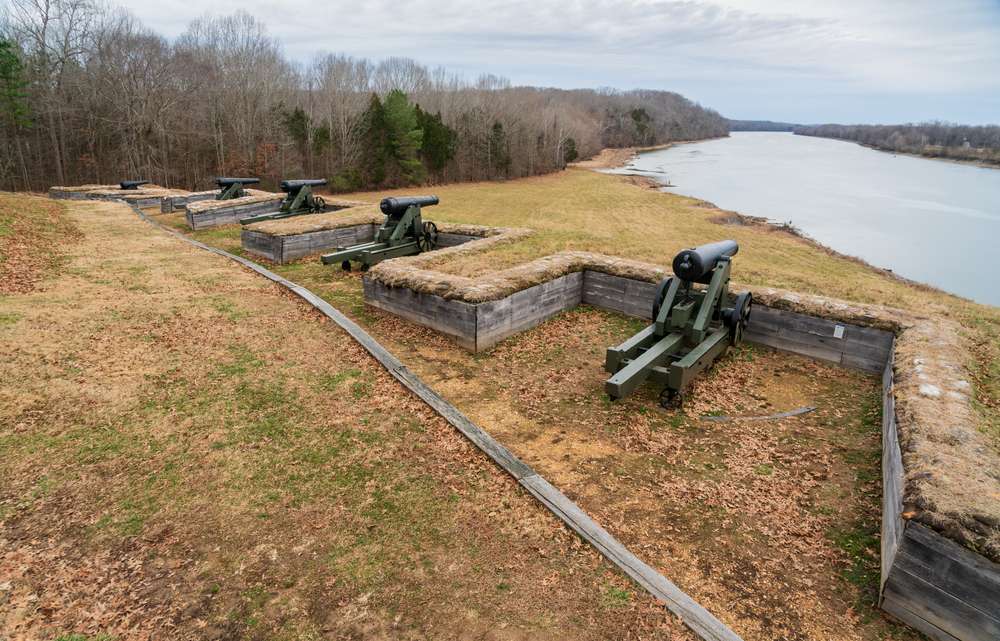
Fort Donelson in Tennessee marked an early Union strategic victory in February 1862, opening the Cumberland River to Northern forces and aiding deeper incursions into the South. The park preserves fortifications, trenches, and interpretive markers that explain amphibious operations, riverine logistics, and how securing waterways shaped larger campaigns. Fort Donelson’s surrender also propelled careers, notably that of Ulysses S. Grant, and shaped public perceptions of leadership and momentum in the conflict. For contemporary visitors, the landscape highlights how river control and combined operations were essential components of Civil War campaigning, making Donelson a valuable stop on any historical itinerary.
Fredericksburg and Spotsylvania National Military Park (Fredericksburg)
Fredericksburg is emblematic of the high human price paid in frontal assaults against defended positions, featuring stone wall defenses and dense urban combat that cost thousands of lives. The park’s Russell House, Marye’s Heights, and sprawling preserved tracts recall repeated engagements in 1862–1864 and demonstrate how urban terrain and prepared defenses favored the defender. Exhibits and ranger programs discuss wartime medical care, civilian experiences, and the evolving tactics that attempted to solve the problem of breach and defense. Walking Fredericksburg’s streets and fields, visitors confront the close quarters and tragic choices soldiers faced in assaults that sometimes produced catastrophic loss for limited gains.
Manassas National Battlefield Park (First and Second Bull Run)

Manassas, also known as Bull Run, hosted two major battles early in the war and remains a vivid place to study logistics, railroads, and the cult of the citizen-soldier. The first battle shattered hopes of a short conflict and sent crowds of spectators fleeing back toward Washington; the second battle reflected evolving command structures and higher stakes. Manassas National Battlefield Park’s preserved woodlands, historic houses, and interpretive loops show how terrain and infrastructure affected campaigning in Northern Virginia. For travelers, the park offers a sense of the war’s abrupt escalation and the way public expectations shifted once the conflict’s scale became clear.
Stones River National Battlefield
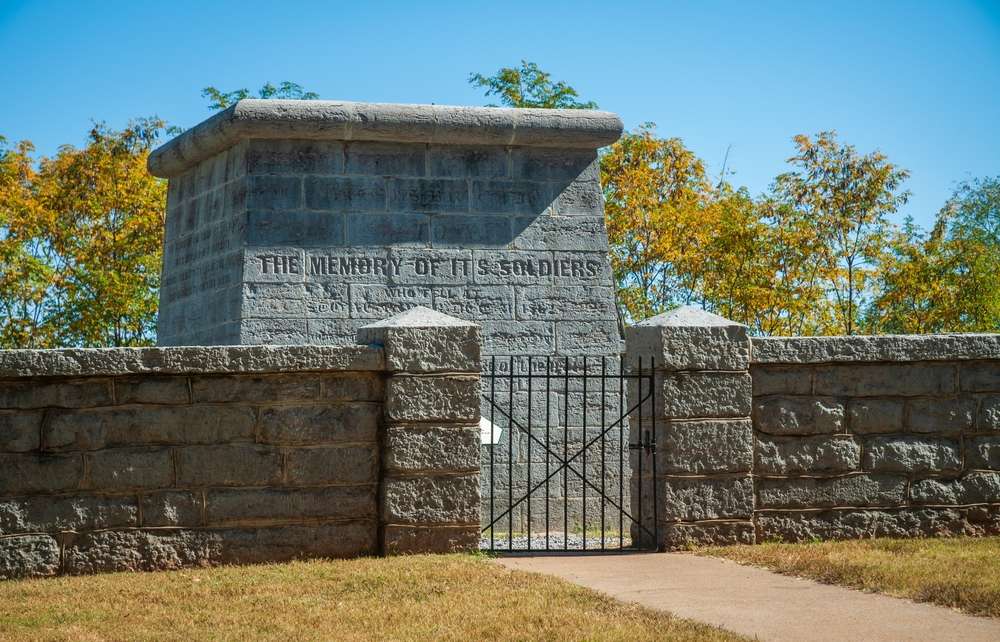
Stones River in Tennessee saw fierce fighting around the New Year of 1863 and produced significant casualties for both sides, yet it yielded strategic advantage that had moral and political ripples. The battlefield’s fields and low ridges are well preserved, and the park contextualizes how battles in Tennessee influenced Union control of the West and national morale. Exhibits touch on winter campaigning, the conditions soldiers faced during cold weather operations, and the interplay between military outcomes and civilian perceptions at home. Stones River rewards visitors who want to deepen their understanding of the western theater’s strategic importance beyond the more famous eastern battles.
Fort Pulaski National Monument
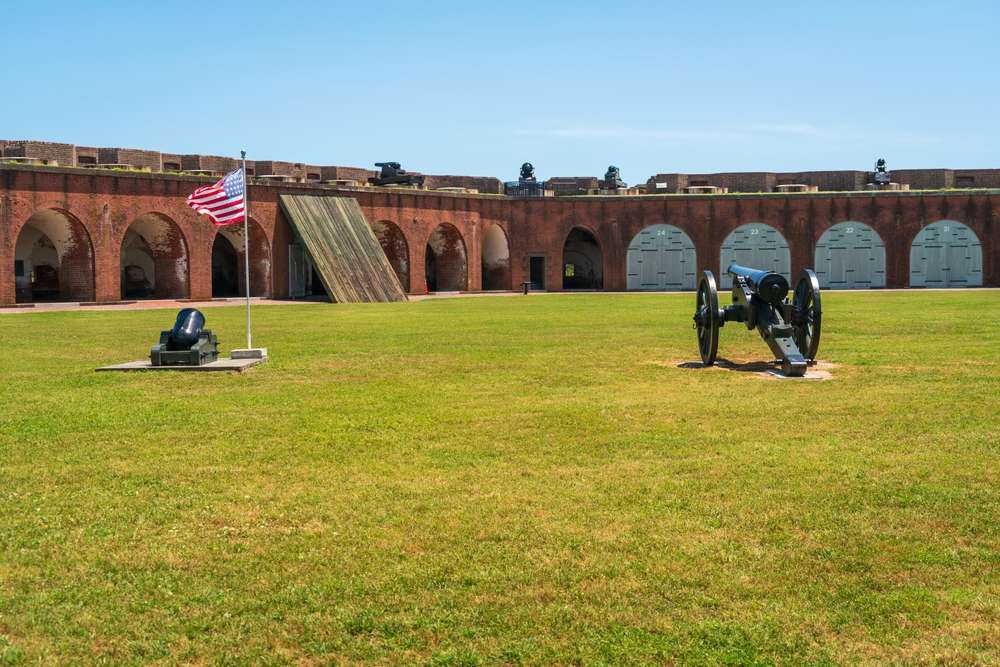
Fort Pulaski near Savannah, Georgia, shows how advances in rifled artillery made many older fortifications obsolete, as Union forces demonstrated during the 1862 siege that breached masonry walls. The restored fort and river setting reveal coastal defense concepts, engineering, and the technological shifts that affected wartime architecture. Interpreters explore the siege’s effects on coastal supply lines, blockade enforcement, and the broader Union strategy to isolate Confederate ports. For visitors, Fort Pulaski pairs scenic marshland views with lessons about innovation, demonstrating that the Civil War was also a crucible for military and technological change.
Fort Morgan Historic Site (Mobile Bay)

Fort Morgan guards the entrance to Mobile Bay and figures into the dramatic naval and land actions that culminated in Union victory over Confederate coastal strongholds in 1864. The site helps explain combined operations, naval bombardment, amphibious landings, and fort assaults, that characterized coastal campaigns late in the war. Walking sandy parapets and touring the fort’s bastions, visitors encounter artifacts and interpretation showing how control of ports and bays affected commerce, blockade enforcement, and civilian livelihoods. Fort Morgan’s location also offers coastal scenery and a tangible sense of how naval power influenced Civil War outcomes.
Wilson’s Creek National Battlefield

Wilson’s Creek, outside Springfield, Missouri, is emblematic of the war’s western border conflicts and the contested nature of Missouri itself, with communities and militias divided over loyalty. Fought in August 1861, the battle involved irregular forces, mounted units, and fierce local engagement — a reminder that the Civil War’s reach extended into communities often overlooked by popular narratives focused on the east. The park preserves rolling terrain, battle markers, and interpretive displays that discuss guerrilla warfare, divided loyalties, and the social fallout in border states. Travelers looking to broaden their Civil War understanding beyond the eastern campaigns will find Wilson’s Creek illuminating and surprisingly resonant.
The National Civil War Museum (Harrisburg, Pennsylvania)

The National Civil War Museum offers a comprehensive, museum-based complement to battlefield visits, collecting artifacts, narratives, and exhibits that span military, political, and social histories of the war. Located in Harrisburg, the museum organizes displays that challenge visitors to consider the conflict’s causes, the role of African Americans and abolitionist action, medical practices, and how memory shaped later generations. Indoor exhibits are especially valuable when planning travel in off-season months or when weather limits battlefield exploration. For those building an itinerary, pairing museum time with nearby field visits helps synthesize the material culture and lived experiences that dotted Civil War landscapes.

Deborah Montiero is a seasoned travel writer and contributor to Probe the Globe. With a passion for uncovering hidden gems and sharing immersive travel experiences, Deborah’s work highlights must-visit destinations, insider tips, and practical advice for travelers of all types. Whether exploring bustling cities or remote escapes, her articles are crafted to inspire and inform, making her a trusted voice in the travel community.
Her storytelling weaves together cultural insights, logistical tips, and authentic experiences, making her a valuable resource for readers seeking unforgettable journeys.
When not writing, Deborah is likely researching the latest travel trends or planning her next adventure. Follow her work on Probe the Globe for fresh perspectives and up-to-date travel inspiration.