23 Strange Museums That Make You Say “Who Approved This?”
Museums are often associated with fine art, history, and carefully curated culture, but not every museum fits that expectation. Across the United States, there are attractions so oddly specific, unintentionally funny, or downright bizarre that visitors can’t help but wonder how they ever received approval. These places blur the line between passion project and public institution, making them unforgettable stops on unconventional U.S. travel itineraries. Whether confusing, hilarious, or strangely fascinating, these museums challenge the very definition of what belongs behind glass. We take a look at 23 Strange Museums That Make You Say “Who Approved This?”
Museum of Failed Inventions, Michigan

This museum is dedicated to ideas that never quite worked, showcasing prototypes and products that collapsed despite good intentions. Exhibits include household gadgets, electronics, and novelty items that promised innovation but delivered frustration. The museum treats each failure with surprising seriousness, explaining what went wrong and why. Visitors often leave amused but also oddly inspired by the ambition behind the flops. As a U.S. travel attraction, it feels both educational and unintentionally comedic, raising the question of who decided these ideas deserved preservation.
Museum of Bad Art, Massachusetts

The Museum of Bad Art proudly displays artwork that is, by traditional standards, truly awful. The goal isn’t mockery but preservation of creative efforts that went spectacularly wrong. Portraits with warped proportions and landscapes that defy logic fill the walls. Visitors are often torn between laughing and admiring the confidence behind each piece. As a U.S. travel destination, it stands out for celebrating failure with surprising seriousness and curatorial dedication.
International UFO Museum and Research Center, New Mexico
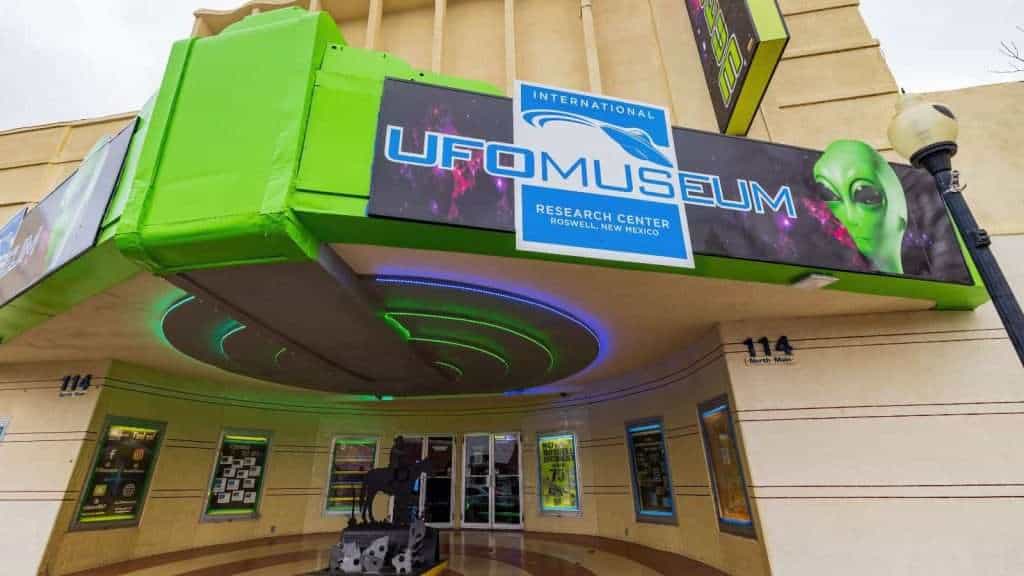
Located in Roswell, this museum leans fully into alien lore and unanswered questions. Exhibits include eyewitness accounts, speculative models, and newspaper clippings presented with a straight face. Skeptics and believers alike find themselves baffled by how official the displays feel. The museum’s commitment to its subject makes visitors question whether it’s satire or sincere. It has become a must-see stop for unconventional road trips in the American Southwest.
National Museum of Toilets, Texas

Dedicated entirely to the history and design of toilets, this museum explores sanitation with unexpected seriousness. Exhibits cover ancient waste systems, modern plumbing innovations, and cultural attitudes toward bathrooms. Visitors often arrive amused but leave surprised by how detailed and educational the experience becomes. The subject matter alone prompts raised eyebrows, especially given the museum-style presentation. It’s a memorable U.S. travel stop that turns an everyday necessity into a surprisingly formal cultural exhibit.
Vent Haven Museum, Kentucky

Vent Haven is dedicated entirely to ventriloquism, housing hundreds of dummies staring silently from shelves. The effect is unsettling even for visitors with no fear of dolls. Detailed histories of performers accompany the figures, adding to the eerie atmosphere. While undeniably niche, the museum is taken very seriously by its caretakers. It’s a strange but memorable stop for U.S. travel enthusiasts seeking unusual cultural experiences.
Spam Museum, Minnesota

Dedicated to the canned meat product, the Spam Museum offers an unexpectedly enthusiastic look at food branding. Exhibits explore Spam’s cultural impact, advertising history, and global reach. Interactive displays encourage visitors to celebrate something many consider a joke food. The level of seriousness applied to Spam’s legacy is what makes this museum so surprising. It’s a quirky stop that turns an everyday grocery item into a full U.S. travel attraction.
International Banana Museum, California

Claiming to house the world’s largest collection of banana-related items, this museum leans into absurdity. Banana phones, banana records, and banana art fill the space. The sheer dedication to a single fruit is what leaves visitors stunned. It feels less like a museum and more like a very committed inside joke. Still, it’s become a cult favorite along Southern California travel routes.
Museum of Jurassic Technology, California

This museum is intentionally confusing, blending fact, fiction, and pseudo-science without clear distinctions. Exhibits appear scholarly but often lead nowhere, leaving visitors questioning everything they’ve read. The atmosphere is dim and serious, adding to the disorientation. Many leave unsure whether they’ve been educated or pranked. As a U.S. travel stop, it’s famous for making people deeply uncomfortable in subtle ways.
National Mustard Museum, Wisconsin

The National Mustard Museum displays thousands of mustard varieties from around the world. Visitors can learn about mustard history, production, and cultural importance. The scale of the collection is surprising, especially given the humble condiment involved. Taste-testing stations elevate the experience further. It’s one of those U.S. travel attractions that feels unnecessary until you realize how seriously it’s taken.
Museum of Death, California and Louisiana

This museum focuses on death-related artifacts, including crime scene photos and funeral memorabilia. The exhibits are graphic and unapologetic, making many visitors uncomfortable. There’s little attempt to soften the material or add emotional distance. While educational in intent, the presentation raises ethical questions. It’s one of the most controversial museums in U.S. travel, often leaving visitors unsettled long after they leave.
Barbed Wire Museum, Kansas
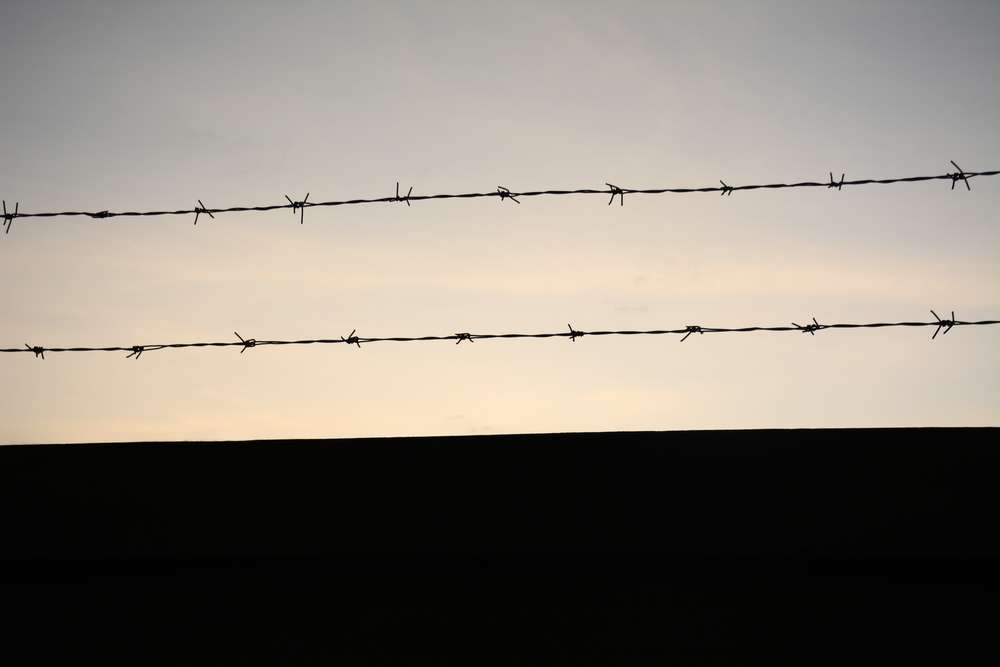
Dedicated to the history of barbed wire, this museum treats fencing technology with intense reverence. Displays categorize wire styles and explain their role in shaping American land ownership. For many visitors, the seriousness feels disproportionate to the subject matter. Yet the museum highlights how something mundane changed U.S. history. It’s a reminder that almost anything can become museum-worthy with enough dedication.
Museum of Neon Art, California

Neon signs are preserved and displayed as fine art, complete with detailed explanations. Some visitors are captivated, while others question whether signage belongs in a museum at all. The glowing displays blur commercial design and artistic expression. The museum takes itself seriously, which only adds to the confusion. It’s a unique stop for U.S. travel focused on roadside Americana.
National Museum of Funeral History, Texas

This expansive museum explores embalming, hearses, and funeral customs. The exhibits are thorough, detailed, and surprisingly upbeat. Visitors often feel conflicted between fascination and discomfort. The sheer scale of the museum suggests an audience that many didn’t realize existed. It stands out in U.S. travel for transforming a taboo subject into a full educational experience.
Museum of Questionable Medical Devices, Minnesota

This museum showcases medical instruments and treatments that were once considered legitimate but are now viewed as ineffective or dangerous. Displays include vintage devices, dubious cures, and advertisements promising miraculous results. Visitors often feel a mix of fascination and disbelief at how confidently these items were marketed to the public. The museum walks a fine line between education and dark humor, leaving people wondering how such practices were ever approved. It’s a strange but thought-provoking stop for U.S. travel focused on the unsettling side of medical history.
Museum of Witchcraft and Magic, New England

This museum presents witchcraft artifacts, folklore, and ritual objects with little skepticism. The displays often blur historical documentation and belief systems. Visitors aren’t always sure whether the exhibits are symbolic or literal. That ambiguity makes the experience unsettling. It’s a strange stop for travelers interested in American folklore and unconventional history.
The Bunny Museum, California

Dedicated entirely to rabbits, this museum holds thousands of bunny-themed items. Plush toys, figurines, and artwork fill every available space. The overwhelming quantity is what shocks most visitors. The museum is run with complete sincerity, which only heightens the surreal feeling. It’s a memorable stop for U.S. travel that feels more like entering someone’s obsession than a curated exhibit.
Museum of Medieval Torture Instruments, Illinois

This museum showcases replicas of torture devices alongside dramatic descriptions. The presentation often exaggerates historical accuracy, focusing on shock value. Visitors frequently question the educational merit versus entertainment intent. Despite this, it attracts steady crowds. It’s an example of how dark themes can be commercialized within U.S. travel attractions.
National Toy Train Museum, Pennsylvania

This museum displays model trains with extreme attention to detail. Entire rooms are devoted to miniature landscapes and rail systems. While impressive, the intensity of focus can surprise casual visitors. The museum caters strongly to enthusiasts, sometimes leaving others puzzled. It’s a niche attraction that highlights how hobbies can become full-scale cultural institutions.
International Cryptozoology Museum, Maine

Dedicated to creatures like Bigfoot and lake monsters, this museum presents folklore alongside alleged evidence. The displays often avoid debunking claims, letting visitors decide what to believe. That neutrality adds to the strange tone. Skeptics and believers coexist uneasily in the exhibit halls. It’s a standout for U.S. travel focused on the unexplained.
Museum of Bread Culture, Oregon

Bread takes center stage here, from ancient grains to modern baking tools. Exhibits treat bread as a foundational element of civilization. Some visitors are surprised by how deeply the subject is explored. The seriousness applied to bread can feel disproportionate. Still, it offers a unique lens on food history within U.S. travel experiences.
National Museum of Mathematics, New York

While educational, this museum’s interactive exhibits can feel overwhelming. Abstract concepts are presented with intense enthusiasm that not all visitors share. The experience can be confusing rather than enlightening for some. Yet the museum insists math is fun and accessible. It’s a bold attempt to turn a challenging subject into a major U.S. travel attraction.
The American Sign Museum, Ohio

Roadside signs and commercial logos are preserved as historical artifacts. Neon lights and oversized lettering dominate the space. The museum treats advertising design with reverence typically reserved for fine art. Visitors often feel surprised by how engaging it becomes. It’s a celebration of visual culture that feels both unnecessary and strangely compelling.
Museum of Pinball, Nevada

This museum allows visitors to play vintage pinball machines while learning their history. The line between arcade and museum is blurred entirely. Some question whether it qualifies as a museum at all. Yet the preservation of these machines is meticulous. It’s a fun but confusing stop for U.S. travel focused on nostalgia.

Deborah Montiero is a seasoned travel writer and contributor to Probe the Globe. With a passion for uncovering hidden gems and sharing immersive travel experiences, Deborah’s work highlights must-visit destinations, insider tips, and practical advice for travelers of all types. Whether exploring bustling cities or remote escapes, her articles are crafted to inspire and inform, making her a trusted voice in the travel community.
Her storytelling weaves together cultural insights, logistical tips, and authentic experiences, making her a valuable resource for readers seeking unforgettable journeys.
When not writing, Deborah is likely researching the latest travel trends or planning her next adventure. Follow her work on Probe the Globe for fresh perspectives and up-to-date travel inspiration.