21 Staircases, Ladders, and Walkways That Feel Like a Bad Idea
Travel has a way of pushing people outside their comfort zones, but some destinations take that challenge to a whole new level. From vertical climbs carved into cliffs to narrow walkways suspended hundreds of feet above the ground, these places test both courage and common sense. For American travelers who love national parks, road trips, and adventure tourism, these global sites deliver unforgettable adrenaline without needing a theme park. If you’re planning international travel and enjoy experiences that blur the line between thrilling and terrifying, this list is for you. We take a look at 21 staircases, ladders, and walkways that feel like a bad Idea
Haʻikū Stairs, Hawaii, USA
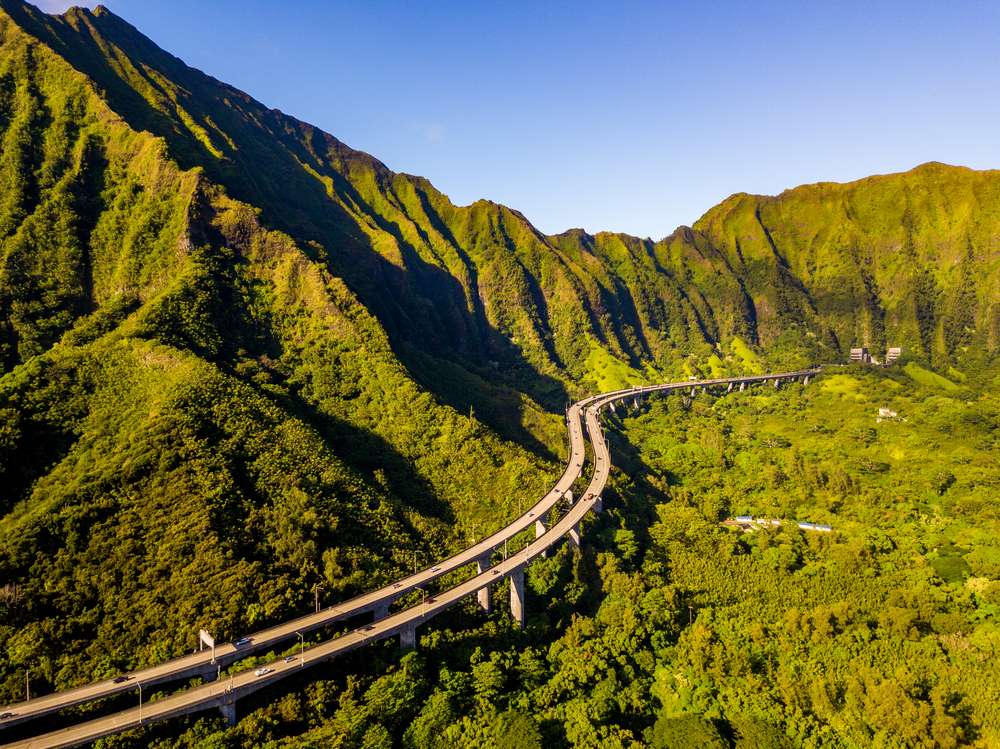
Often called the Stairway to Heaven, the Haʻikū Stairs climb steeply along a mountain ridge on Oʻahu. With nearly 4,000 metal steps and dramatic drops on both sides, the staircase looks incredible and intimidating at the same time. Fog, rain, and strong winds can make the climb especially risky. Despite being closed to the public, it remains famous among U.S. travelers for its sheer verticality and unreal views, making it one of the most talked-about staircases in American travel culture.
Mount Huashan Plank Walk, China
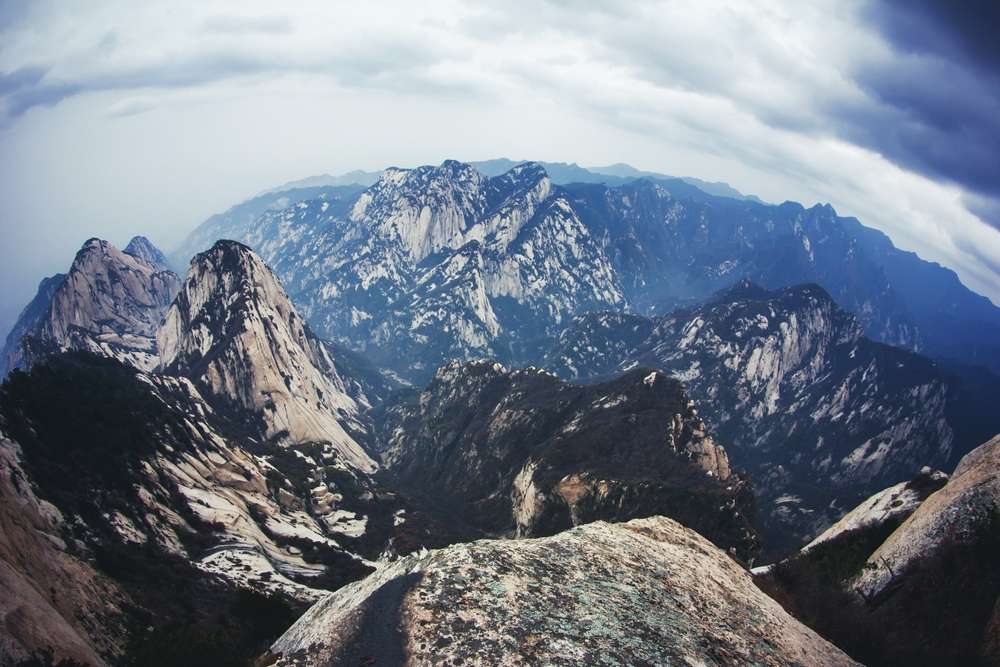
This cliffside walkway is often described as one of the most dangerous hikes in the world, and the reputation is well earned. Wooden planks bolted directly into the mountain face form a narrow path with nothing but air below. Visitors are clipped into safety harnesses, but the exposure still feels extreme. For American adventure travelers used to dramatic hikes in U.S. national parks, this takes fear to a completely different level and redefines what “high elevation” really means.
El Caminito del Rey, Spain
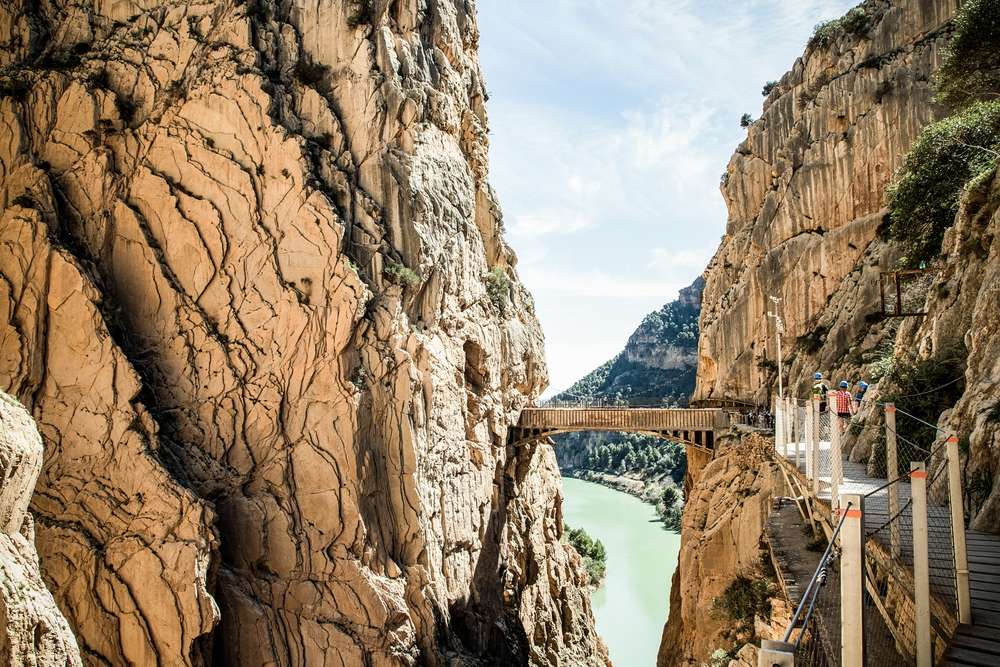
Once considered the most dangerous walkway in the world, El Caminito del Rey runs along steep canyon walls in southern Spain. The narrow concrete path clings to sheer cliffs hundreds of feet above a river. Although it has been restored and made safer, the sensation of height remains intense. U.S. travelers drawn to scenic routes and dramatic landscapes often compare it to iconic canyon experiences, only with far less margin for error.
Via Ferrata Routes, Italian Dolomites
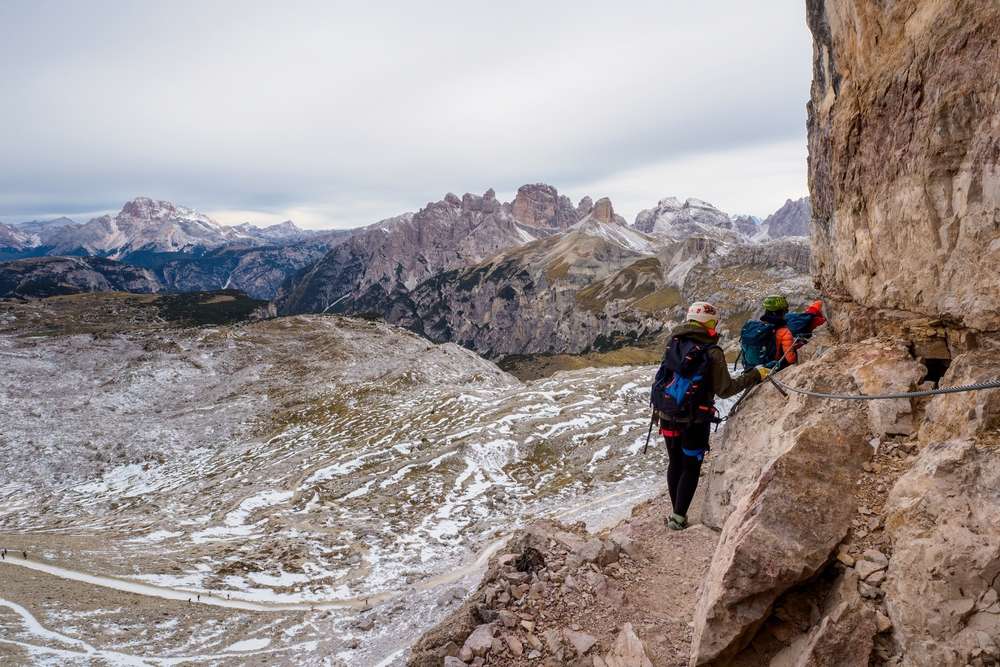
Via ferrata routes combine ladders, cables, and narrow ledges attached to rugged mountain faces. Originally created for military use, they now attract adventurous travelers. Climbers move along vertical rock using steel rungs and suspension bridges. For Americans accustomed to rock climbing gyms or guided hikes, these routes feel both accessible and nerve-wracking. The exposure is constant, and the views are unforgettable, making each step feel like a calculated risk.
Angel’s Landing Chains, Utah, USA
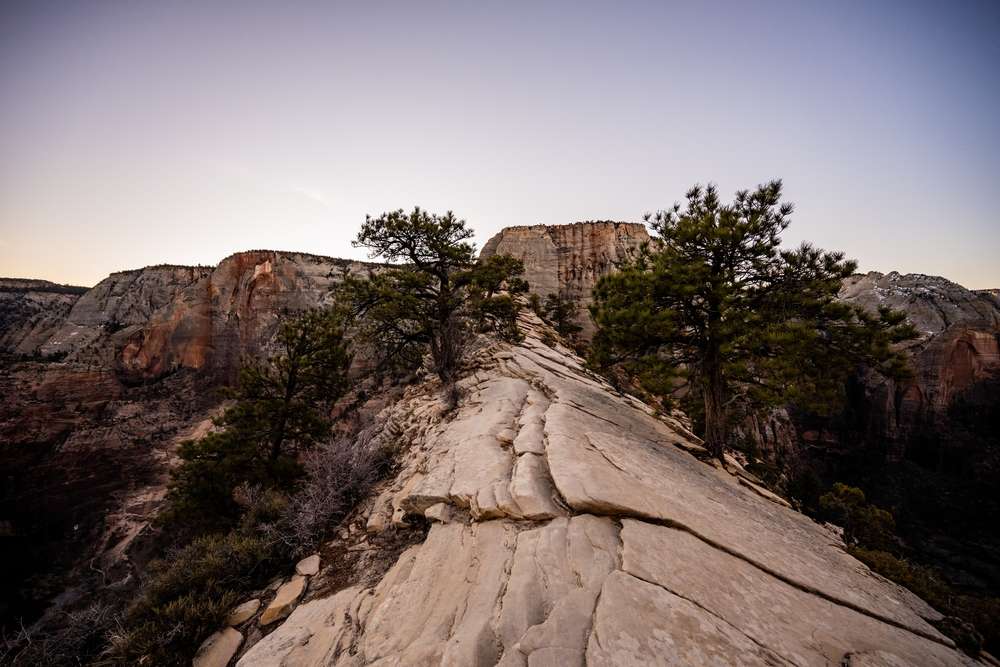
Angel’s Landing in Zion National Park is one of the most famous hikes in the United States, and its final section is not for the faint of heart. Chains bolted into the rock help hikers navigate steep drop-offs on both sides. The narrow spine and strong winds make it feel like a bad idea for anyone uncomfortable with heights. For U.S. travelers chasing iconic national park experiences, this hike is a mental challenge as much as a physical one.
Tiger Leaping Gorge Sky Ladder, China
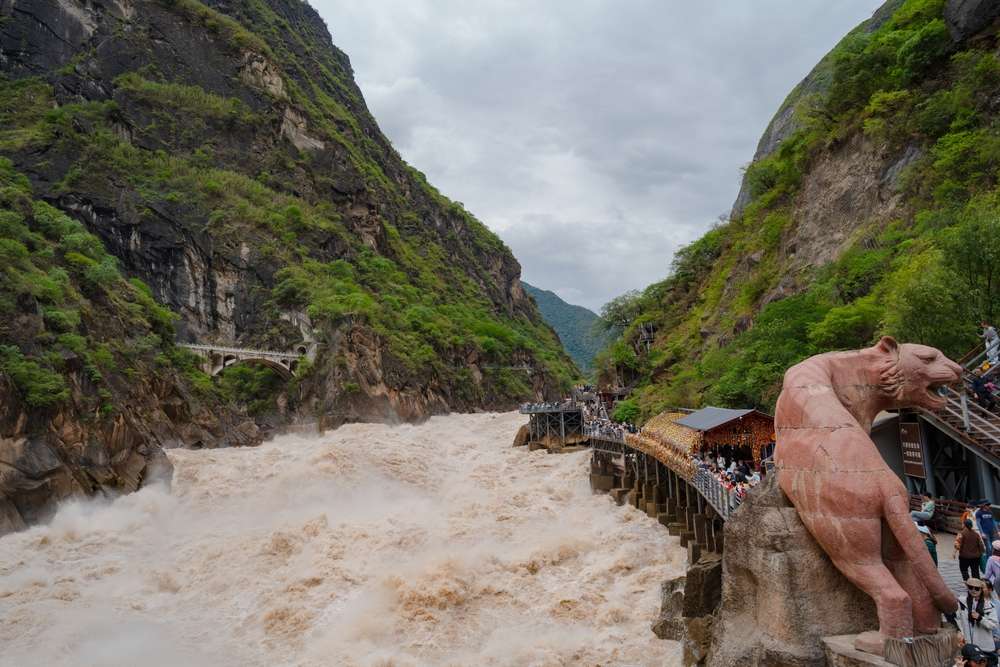
This vertical ladder system climbs sharply up a cliff face above one of the deepest gorges in the world. The metal rungs are exposed, steep, and relentless. Climbers often have to pause just to process the height below them. American travelers familiar with scenic overlooks will find this a completely different kind of perspective. It’s less about observation and more about confronting fear step by step.
Mount Kinabalu Ferrata, Malaysia
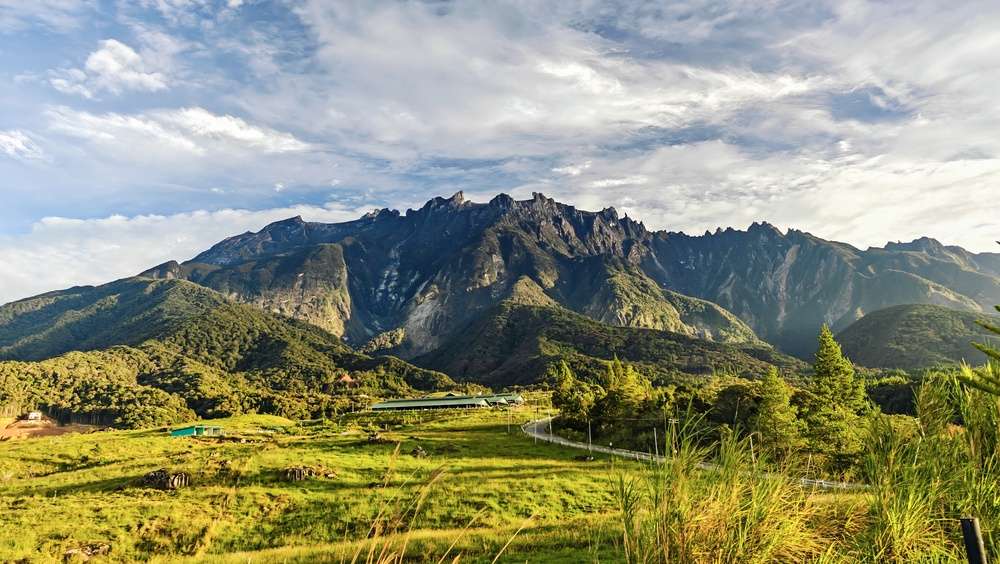
The via ferrata on Mount Kinabalu is among the highest in the world, offering climbers a surreal mix of ladders, suspension bridges, and sheer drop-offs. Weather can change quickly, adding another layer of unpredictability. For U.S. travelers seeking once-in-a-lifetime adventure trips, this experience delivers serious bragging rights. The sense of exposure and isolation makes every movement feel deliberate and slightly reckless.
Kalavantin Durg Ladder, India
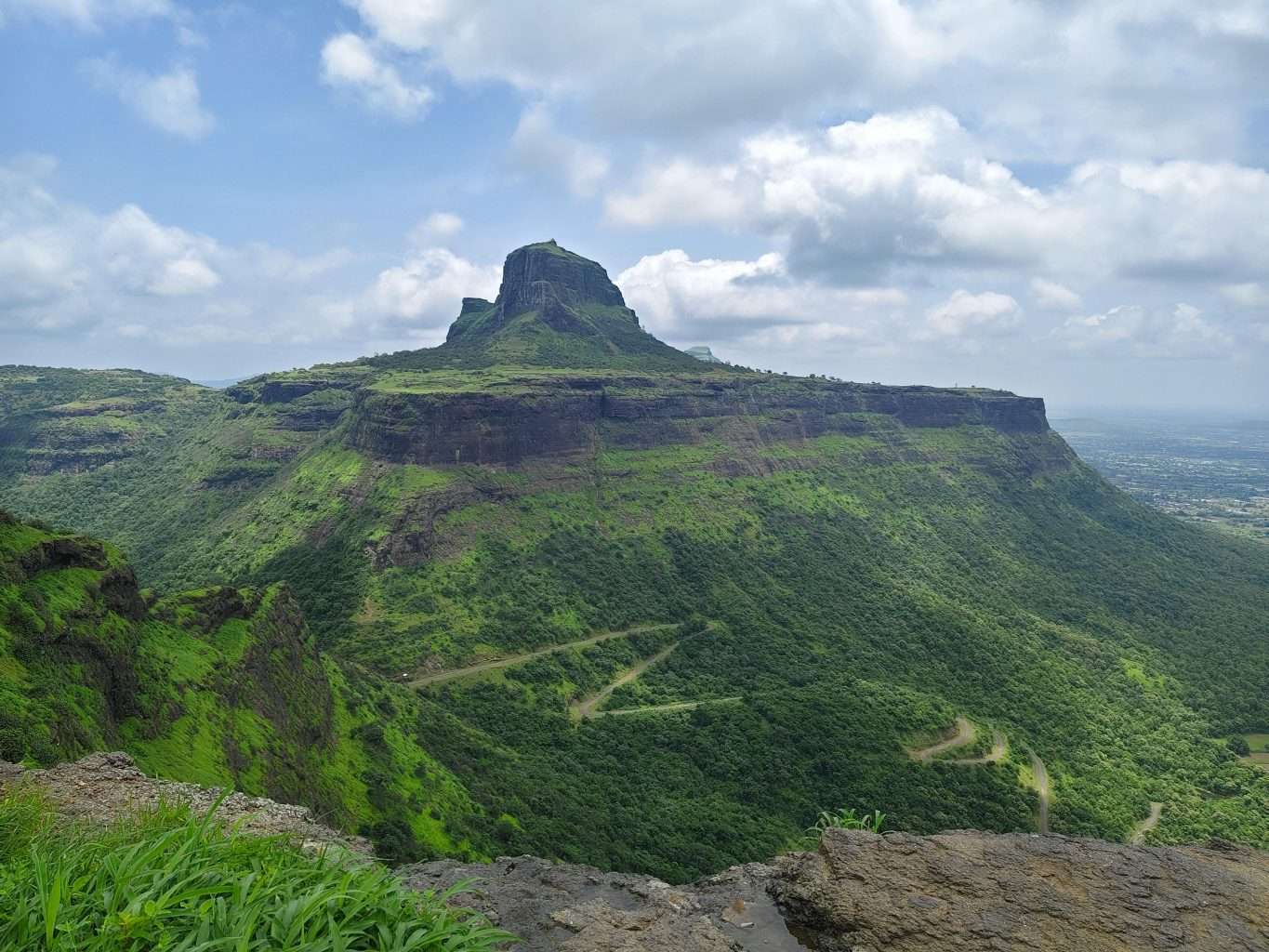
This rock-cut staircase climbs nearly straight up a mountainside with minimal handholds and no railings. The steps are uneven, steep, and carved directly into the stone. During monsoon season, the climb becomes especially hazardous. American travelers used to maintained trails may find this ladder-like ascent shocking. It’s a reminder that not all famous hikes prioritize safety over spectacle.
Trolltunga Cliff Approach, Norway
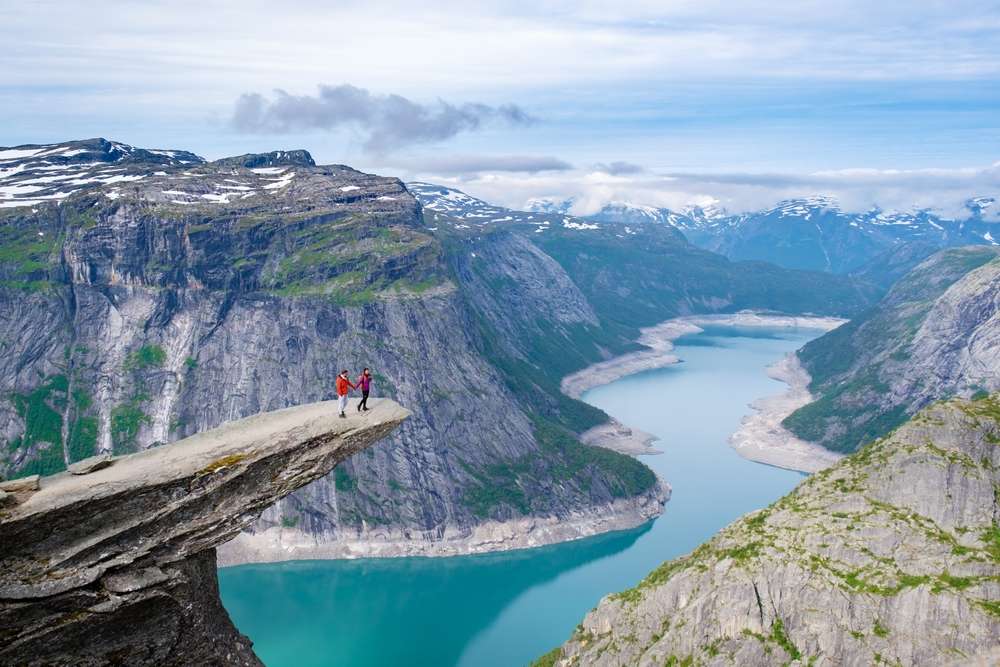
While Trolltunga itself is famous, the final approach involves scrambling across exposed rock ledges with dramatic drop-offs. There’s no constructed staircase, but the narrow walkways and uneven terrain feel just as risky. For U.S. travelers accustomed to scenic overlooks with guardrails, this experience feels raw and unfiltered. One misstep could have serious consequences, which only adds to the tension and thrill of reaching the iconic viewpoint.
St. Kilda Sea Cliffs Ladders, Scotland
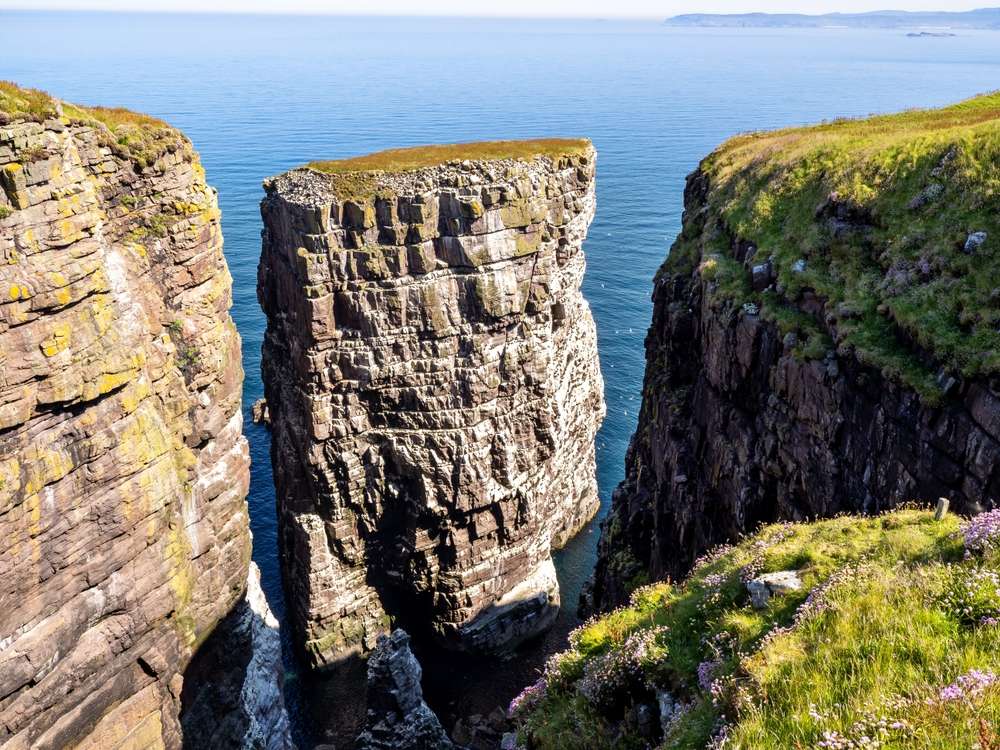
On the remote islands of St. Kilda, ancient stone ladders climb near-vertical sea cliffs once used to reach bird nesting areas. These ladders are steep, narrow, and often slick from weather exposure. American travelers interested in remote destinations and historical travel will find these climbs unsettling yet fascinating. The combination of isolation, height, and history makes each ascent feel like stepping into another era of survival.
Ladder of Kjeragbolten, Norway
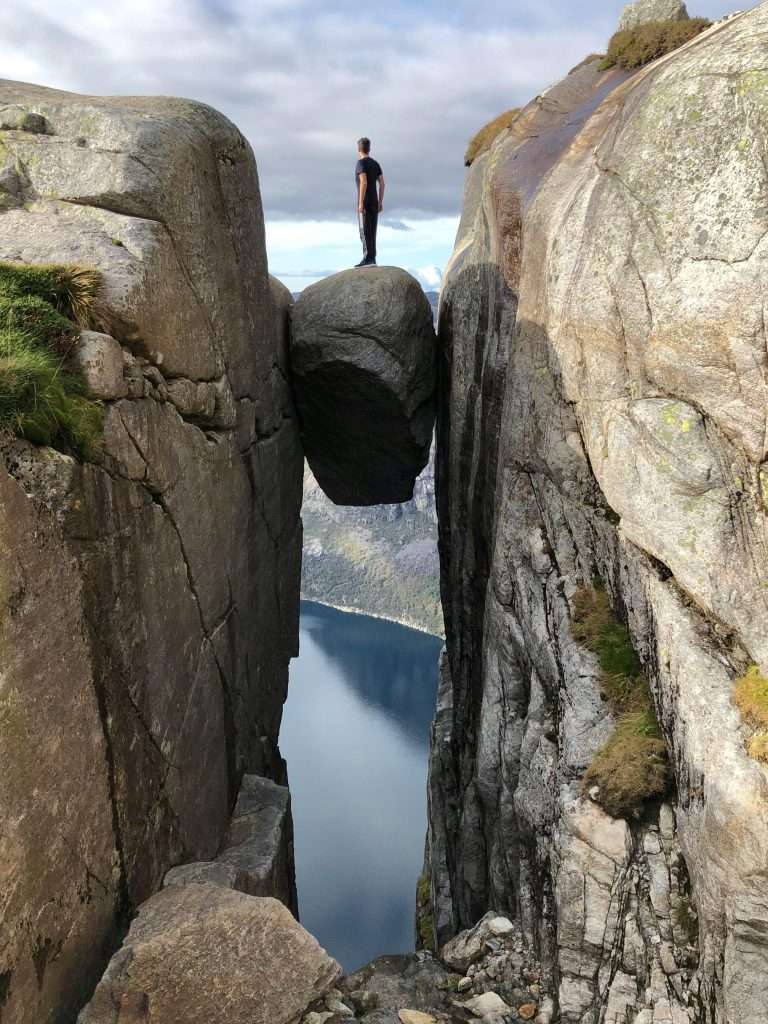
The ladder leading to the Kjerag plateau includes steep ascents and exposed sections with dramatic views of the fjord below. Climbers often feel the height long before reaching the famous boulder. For U.S. travelers who enjoy hiking but prefer defined trails, this ladder system challenges comfort levels. The vertical nature of the climb makes gravity feel very present and unforgiving.
Half Dome Cables, California, USA
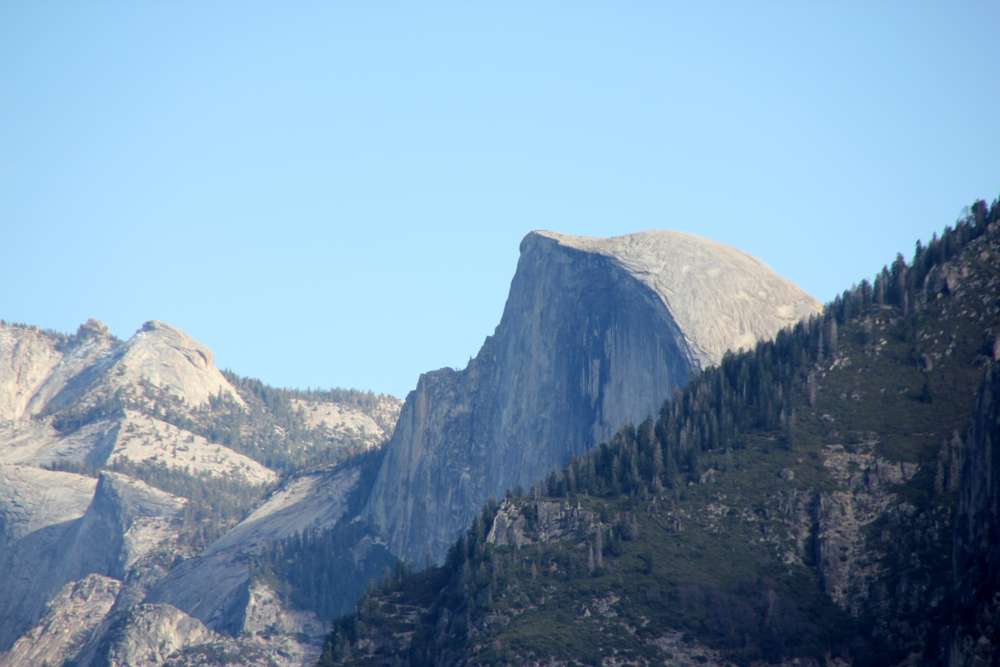
Half Dome’s cable route is one of the most iconic and intimidating climbs in U.S. national parks. The final ascent uses metal cables anchored into smooth granite slabs at a steep angle. With thousands of feet of exposure and frequent congestion, the climb feels risky even in good conditions. For American travelers, this hike represents the ultimate test of endurance, patience, and fear management.
Hua Shan Sky Ladder, China
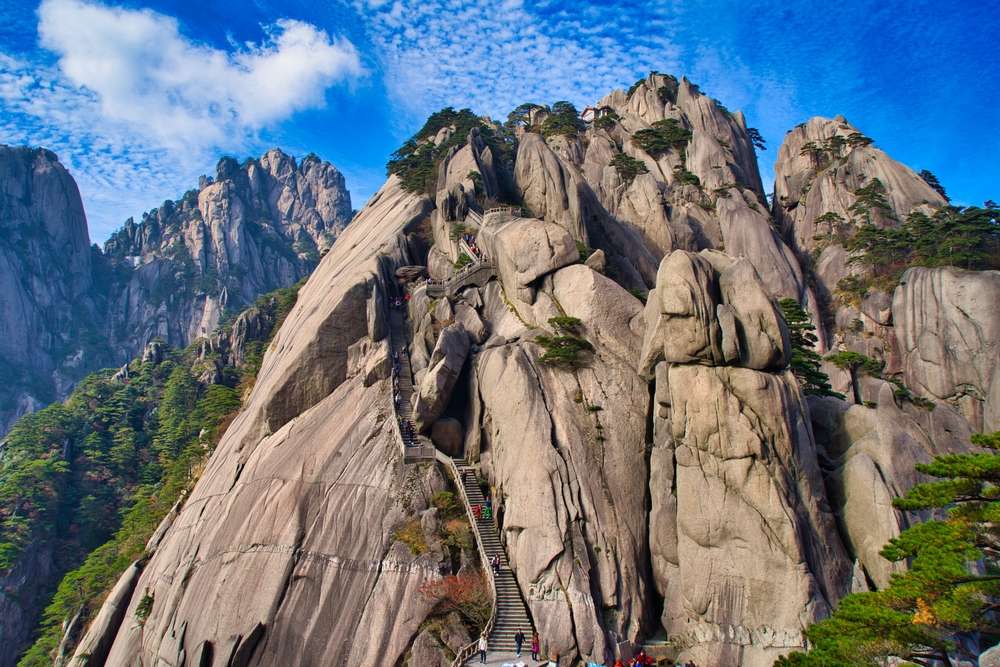
Separate from the plank walk, the Sky Ladder involves a near-vertical climb up iron rungs hammered into bare rock. The ladder appears to rise straight into the sky, earning its name honestly. Climbers must focus intensely on each movement. For U.S. travelers seeking extreme experiences abroad, this ladder pushes limits far beyond typical adventure tourism.
Mount Sinai Steps of Repentance, Egypt
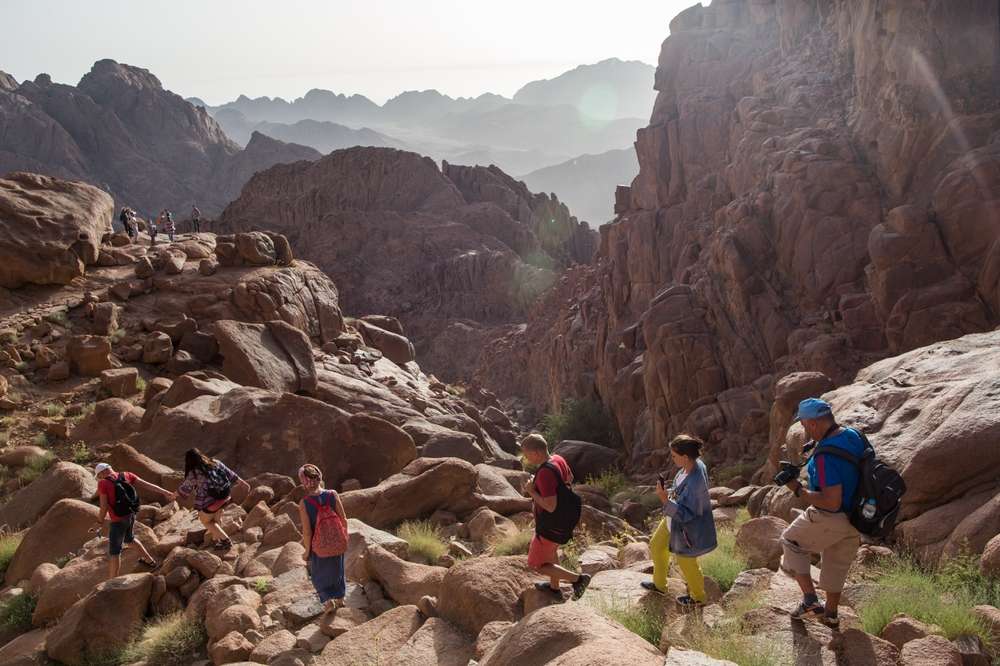
This ancient staircase consists of thousands of uneven stone steps climbing toward the summit. While not exposed in the same way as cliff walks, the steepness and length make it physically demanding. For American travelers exploring historical destinations, the climb can feel endless and punishing. Fatigue, darkness, and altitude combine to make it more challenging than it appears in photos.
Zhangjiajie Glass Bridge Walkways, China
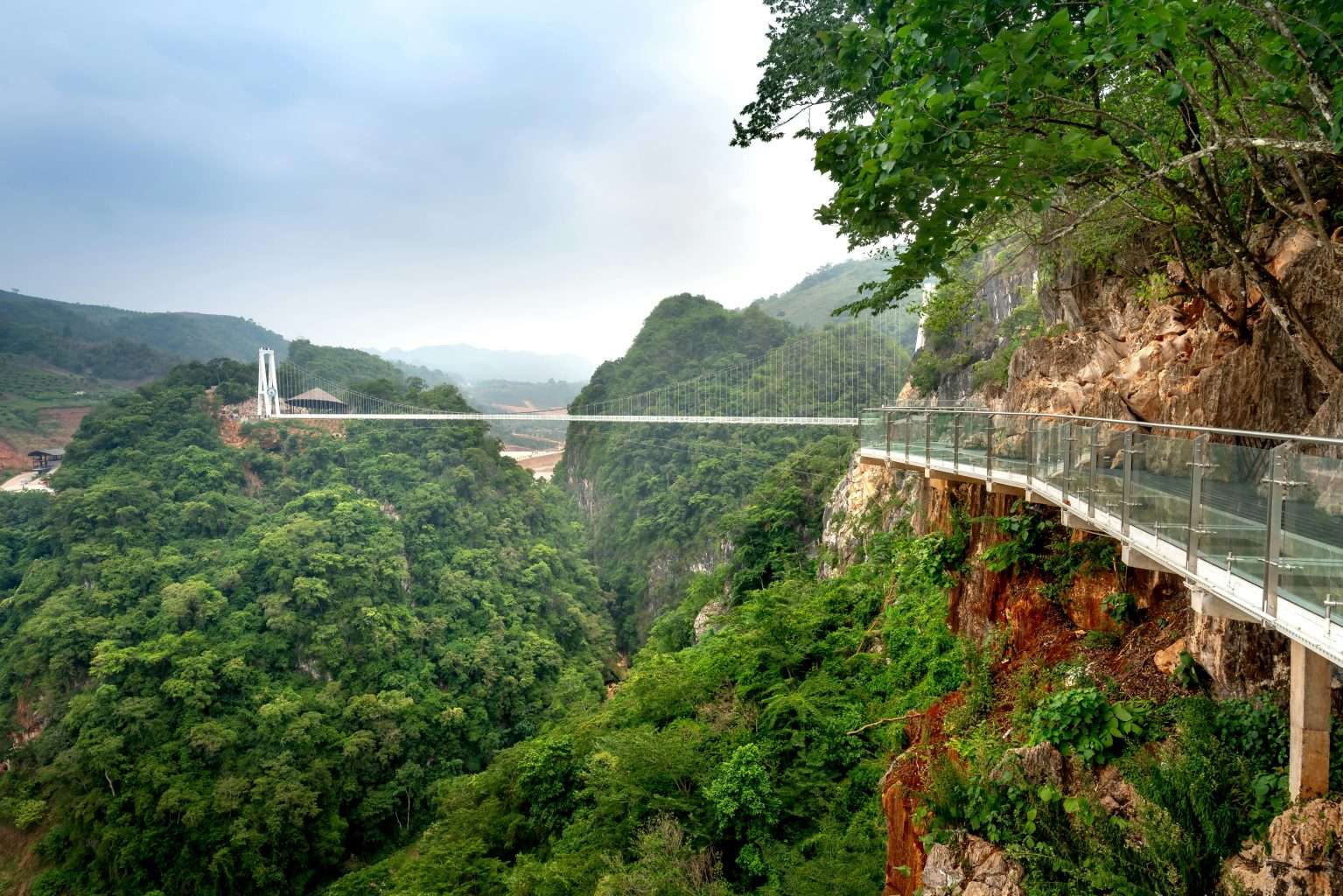
While famous for its glass bridge, the surrounding walkways also feel unsettling. Transparent floors suspended high above forested valleys create a constant awareness of height. For U.S. travelers used to observation decks, the lack of visual solid ground can be deeply uncomfortable. The psychological challenge often outweighs the physical difficulty, making each step feel like a test of nerve.
Pico do Arieiro Staircases, Madeira
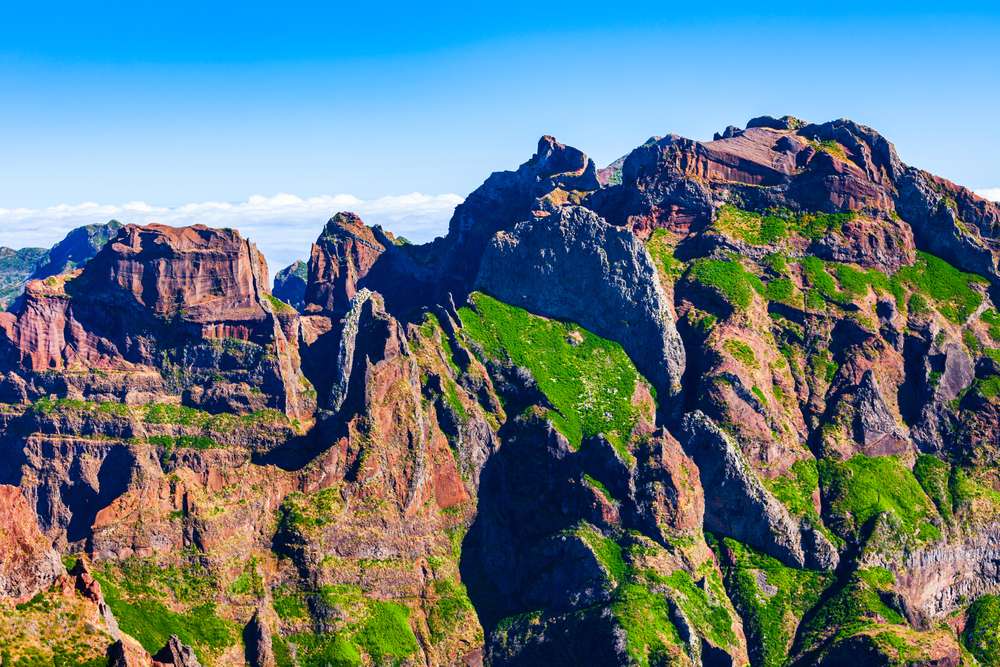
These mountain staircases carve through rugged volcanic terrain, often clinging to ridgelines with dramatic drop-offs. Sudden changes in weather can reduce visibility, amplifying the sense of danger. American travelers who enjoy scenic hikes will appreciate the views but may underestimate the intensity. The narrow paths and steep stairs demand focus and respect for the terrain.
Mount Fansipan Stairways, Vietnam
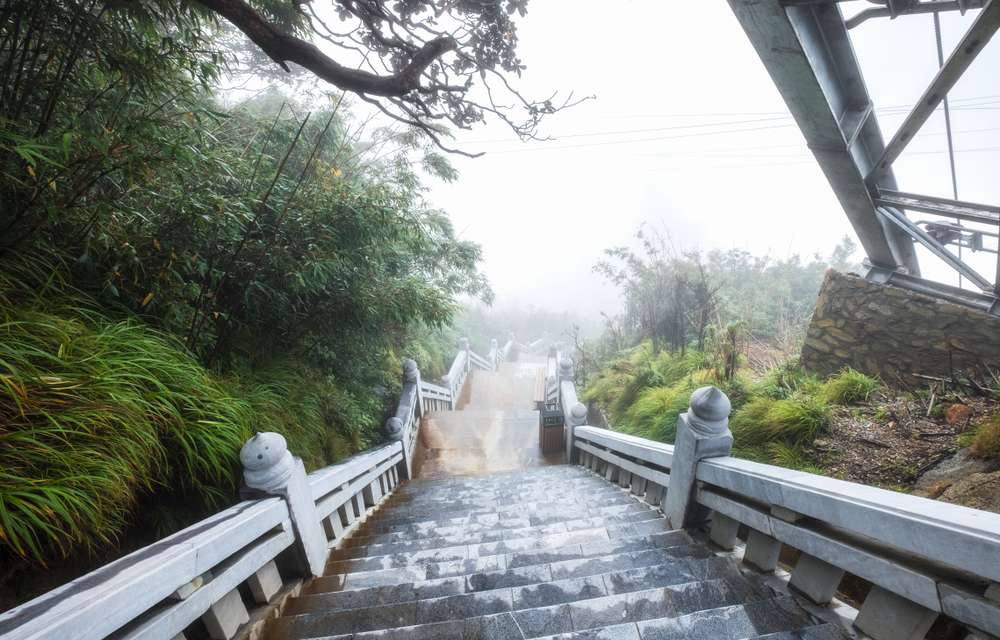
Climbing toward Vietnam’s highest peak involves steep staircases that rise through clouds and exposed ridges. The elevation gain is relentless. For U.S. travelers unaccustomed to high-altitude stair climbing, the physical strain can be surprising. The combination of height, weather, and fatigue makes these stairs feel like an endurance challenge rather than a casual hike.
Jeju Island Cliff Walks, South Korea
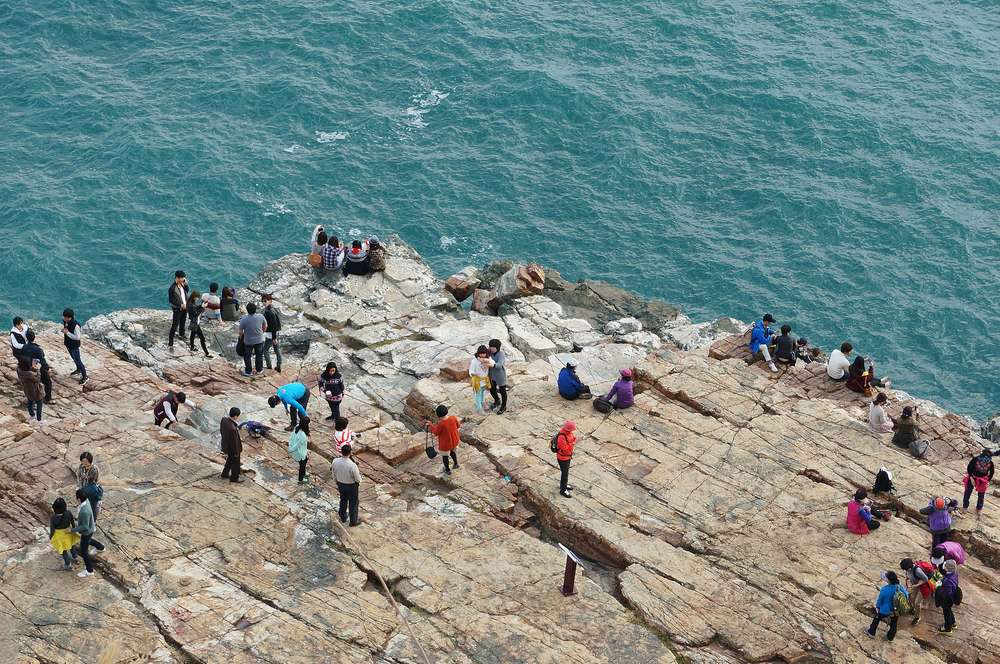
Certain coastal walkways on Jeju Island hug cliffs above crashing waves. Narrow paths and uneven stone steps add to the tension. For American travelers familiar with scenic coastal drives, walking these exposed routes feels far more personal and risky. The constant sound of the ocean below serves as a reminder of how little separates you from the drop.
Mount Tai Staircase, China
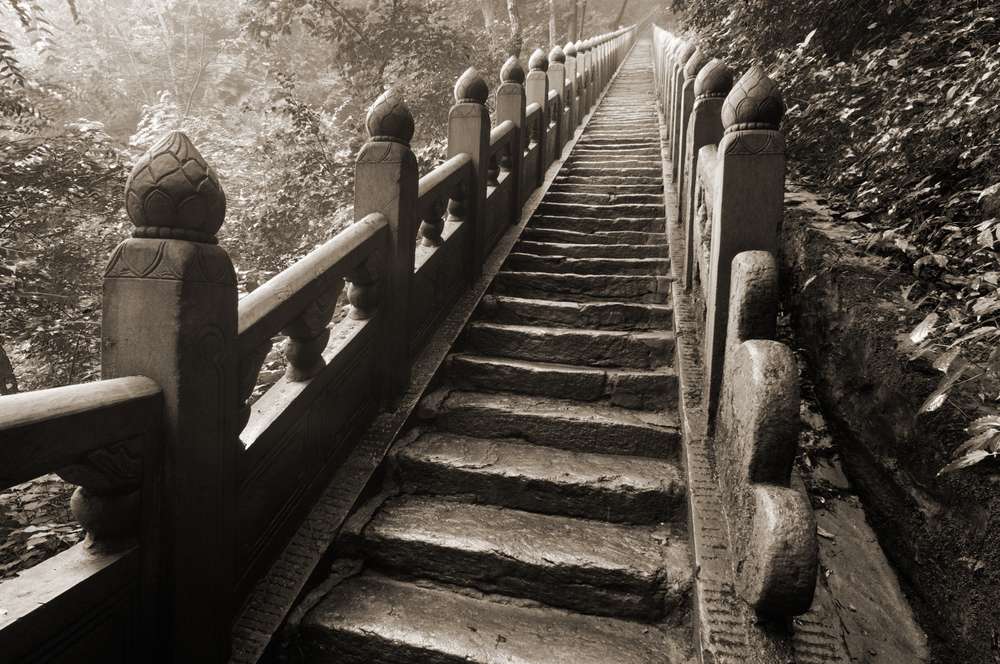
This historic pilgrimage route includes over 6,000 stone steps climbing steeply toward the summit. Some sections feel nearly vertical, especially toward the top. American travelers often underestimate how physically intense stair climbing can be at scale. The repetitive motion, crowds, and elevation combine to create a mentally draining experience that tests determination as much as strength.
Machu Picchu Steep Stone Steps, Peru
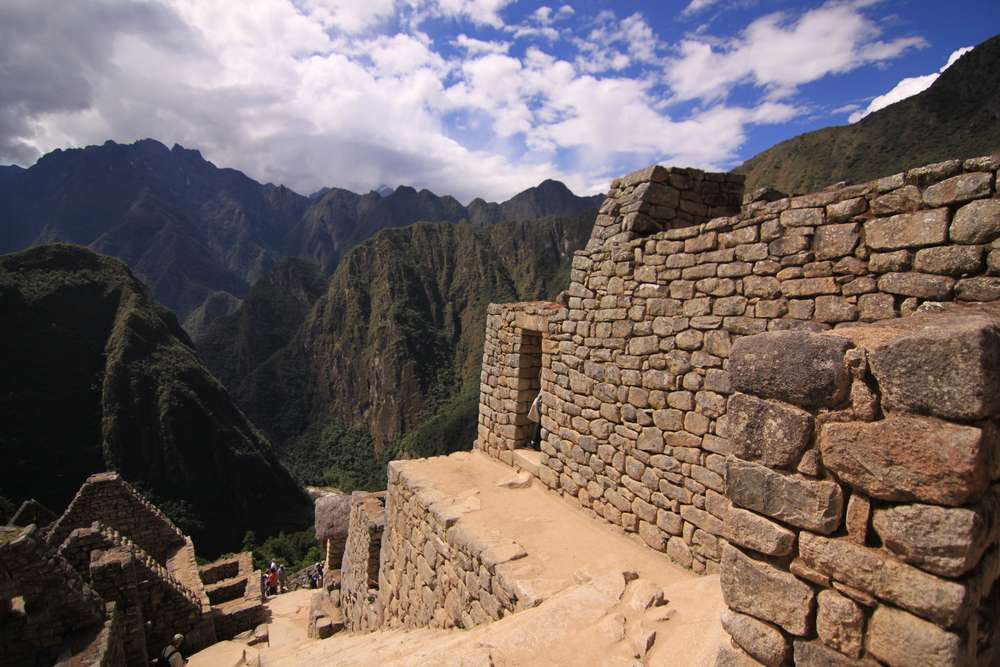
The stone staircases throughout Machu Picchu are uneven, narrow, and often slick from moisture. Some sections climb sharply with little margin for missteps. For American travelers visiting this iconic site, the stairs can be unexpectedly intimidating. The combination of altitude, crowds, and ancient construction techniques makes these walkways feel more precarious than modern infrastructure.
Mount Huangshan Stairways, China
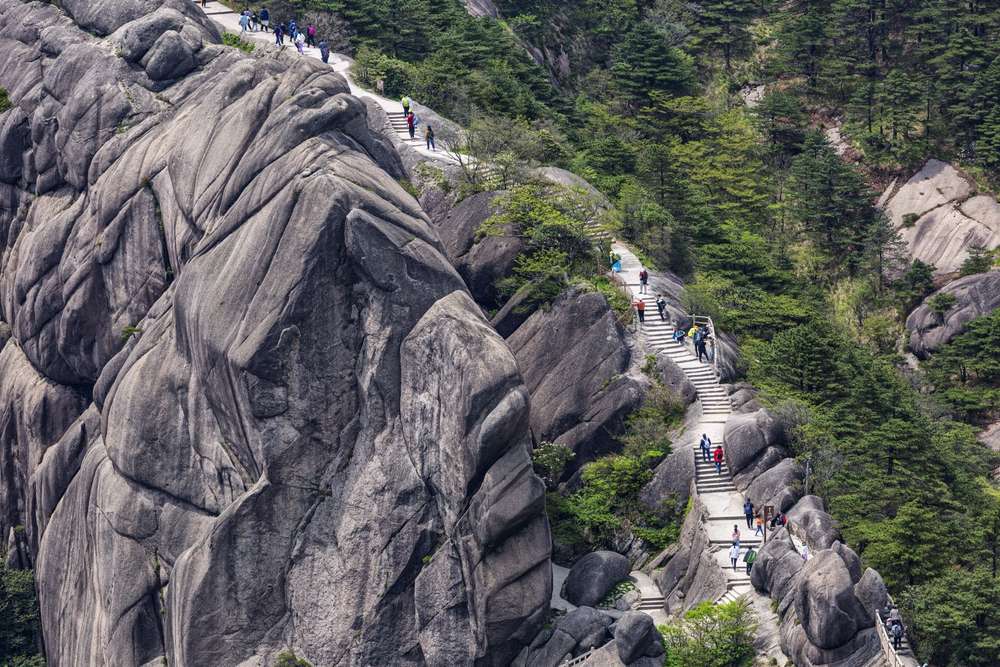
Mount Huangshan’s staircases climb dramatically through jagged peaks and misty forests. Some stairways seem to vanish into clouds, amplifying the sense of uncertainty. American travelers who enjoy scenic mountain hikes will find these stairs visually stunning but physically demanding. The steep angles and constant elevation changes make the journey feel like a bold commitment rather than a casual stroll.

Deborah Montiero is a seasoned travel writer and contributor to Probe the Globe. With a passion for uncovering hidden gems and sharing immersive travel experiences, Deborah’s work highlights must-visit destinations, insider tips, and practical advice for travelers of all types. Whether exploring bustling cities or remote escapes, her articles are crafted to inspire and inform, making her a trusted voice in the travel community.
Her storytelling weaves together cultural insights, logistical tips, and authentic experiences, making her a valuable resource for readers seeking unforgettable journeys.
When not writing, Deborah is likely researching the latest travel trends or planning her next adventure. Follow her work on Probe the Globe for fresh perspectives and up-to-date travel inspiration.