25 Remote U.S. Islands With Dark Histories Locals Don’t Like to Talk About
Many travelers exploring U.S. coastal destinations are fascinated by places that seem peaceful on the surface but carry unsettling histories beneath their natural beauty. Remote islands often hold secrets shaped by forgotten tragedies, abandoned settlements, and strange stories locals rarely discuss. These isolated environments create the perfect backdrop for legends that linger across generations. Below is a journey through 25 Remote U.S. Islands With Dark Histories Locals Don’t Like to Talk About.
Attu Island – Alaska

Attu Island is one of the most remote places in Alaska and carries a dark legacy tied to World War II. The island was the site of a brutal battle between U.S. and Japanese forces, leaving behind ruins, unexploded ordnance, and emotional scars still whispered about by historians. Travelers exploring this region of U.S. travel often remark on the eerie quiet that blankets the island. While its natural landscape is unforgettable, its violent past remains its most enduring story.
Portlock (Port Chatham) – Alaska

Portlock is one of Alaska’s most chilling abandoned settlements. Local legends describe unexplained disappearances and terrifying encounters with a mysterious creature blamed for running residents off the island in the mid-20th century. Many visitors claim to feel an oppressive energy while exploring the ruins. The combination of natural beauty and fear-filled folklore makes Portlock one of the darkest destinations in remote U.S. travel.
San Nicolas Island – California

San Nicolas Island is known for the real-life story of the “Lone Woman of San Nicolas,” who spent years in isolation after her tribe was removed. Her tragic tale lingered long after her death, shaping the island into a symbol of abandonment and loss. Modern travelers rarely visit due to restricted access, which adds to its mystery. This quiet, windswept island carries centuries of human sorrow that locals speak of only in respectful tones.
San Miguel Island – California

San Miguel Island holds a somber blend of maritime shipwrecks, military remnants, and Indigenous history. Its fog-covered cliffs have contributed to hundreds of ocean tragedies, earning it a reputation for danger. Visitors often describe hearing phantom voices or feeling sudden cold winds in places known for past fatalities. The island’s haunting atmosphere makes it a powerful but eerie U.S. travel destination in the Channel Islands chain.
Santa Rosa Island – California

This island’s history includes ranching conflicts, forced relocations, and wartime activity that left an emotional imprint still felt today. Many travelers exploring Santa Rosa note the remnants of old homesteads and sensing a lingering tension in the empty landscape. Local stories hint at violent disputes that occurred over land ownership. While it is breathtaking from a distance, its past is anything but peaceful.
Santa Cruz Island – California

Santa Cruz Island hides a dark legacy involving brutal conflicts between Indigenous communities and later colonizers. The displacement of the Chumash people and the harsh mission era left behind emotional scars that still echo through regional oral traditions. Travelers exploring this part of U.S. travel find the island stunning yet unsettling, especially near old archaeological sites. Its mixture of beauty and grief forms a complex story often avoided in casual conversation.
Alcatraz Island – California
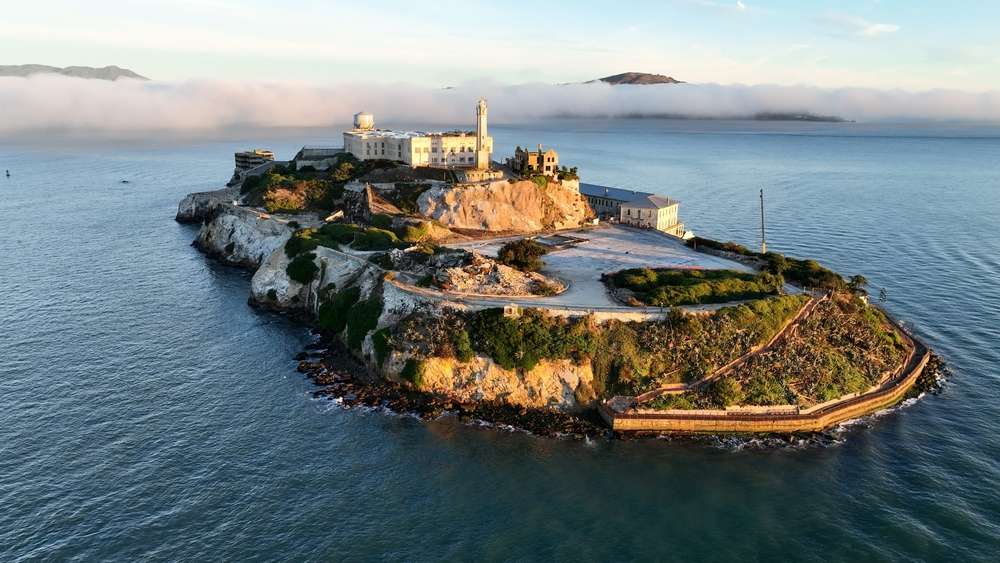
Beyond being a federal prison, Alcatraz holds a heavy emotional weight tied to decades of suffering, escape attempts, and harsh living conditions. Some visitors report hearing distant clanging or muffled voices that seem to come from abandoned cell blocks. The island’s Indigenous history adds another layer of cultural pain. While millions visit Alcatraz, locals rarely dwell on the darkest chapters of what many call one of America’s most haunted islands.
Daufuskie Island – South Carolina
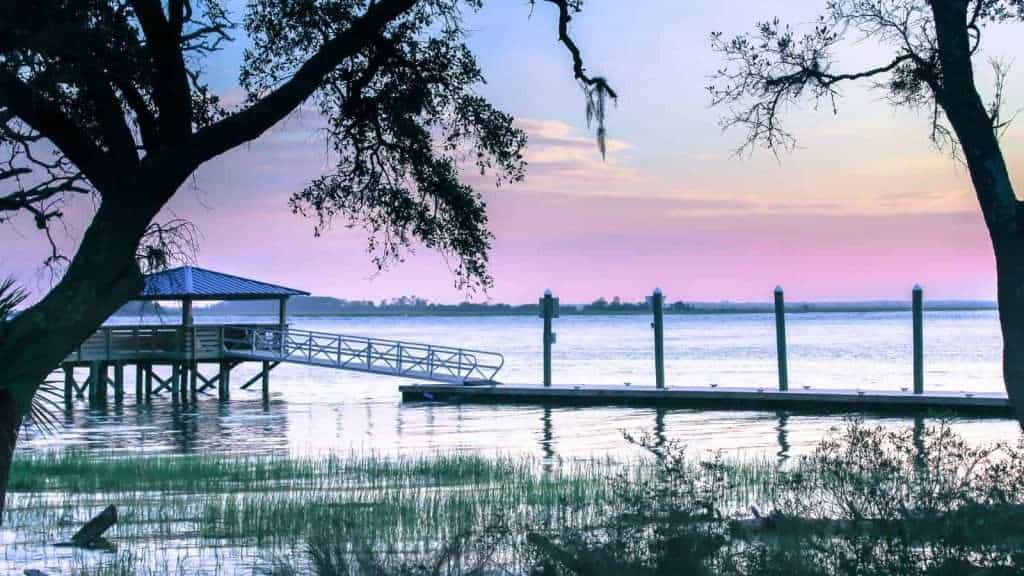
Daufuskie Island is known for its Gullah heritage, but it also carries a history filled with conflict, isolation, and stories of supernatural encounters. Many visitors claim to feel uneasy when walking near abandoned buildings tied to post-Civil War turmoil. Locals rarely discuss the darker legends associated with the island’s past. Its beauty draws U.S. travel enthusiasts, yet its ghosts—both literal and historical—linger in the shadows.
Cumberland Island – Georgia
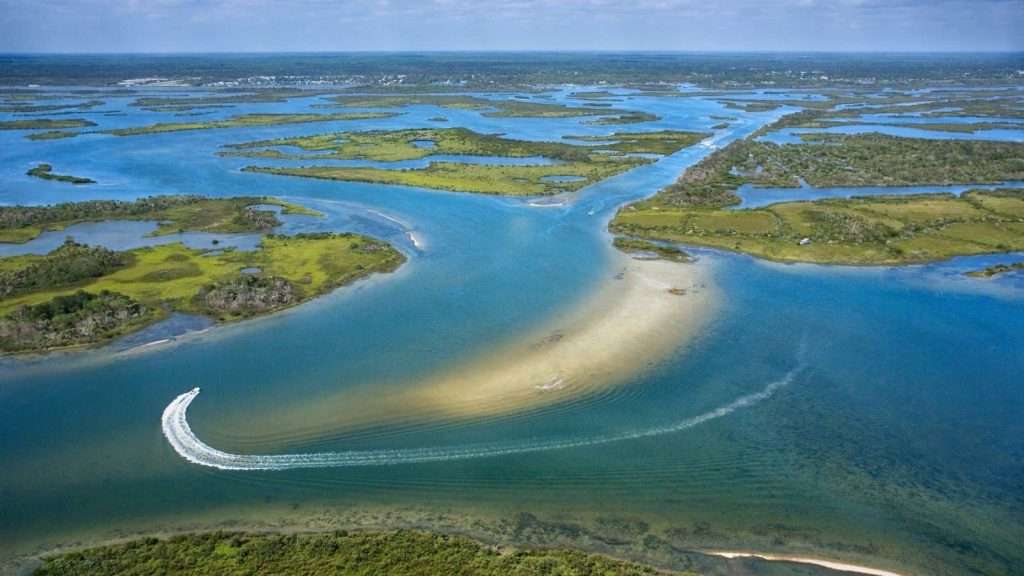
Cumberland Island is a stunning but haunting destination shaped by stories of slavery, family tragedies, and mysterious deaths from the island’s early settlement days. Travelers often describe a quiet tension that permeates the old mansions and ruins. The Carnegie family history adds a layer of intrigue, with tales of heartbreak and loss still recounted in hushed tones. The island’s wild landscape masks centuries of sorrow.
Jekyll Island – Georgia
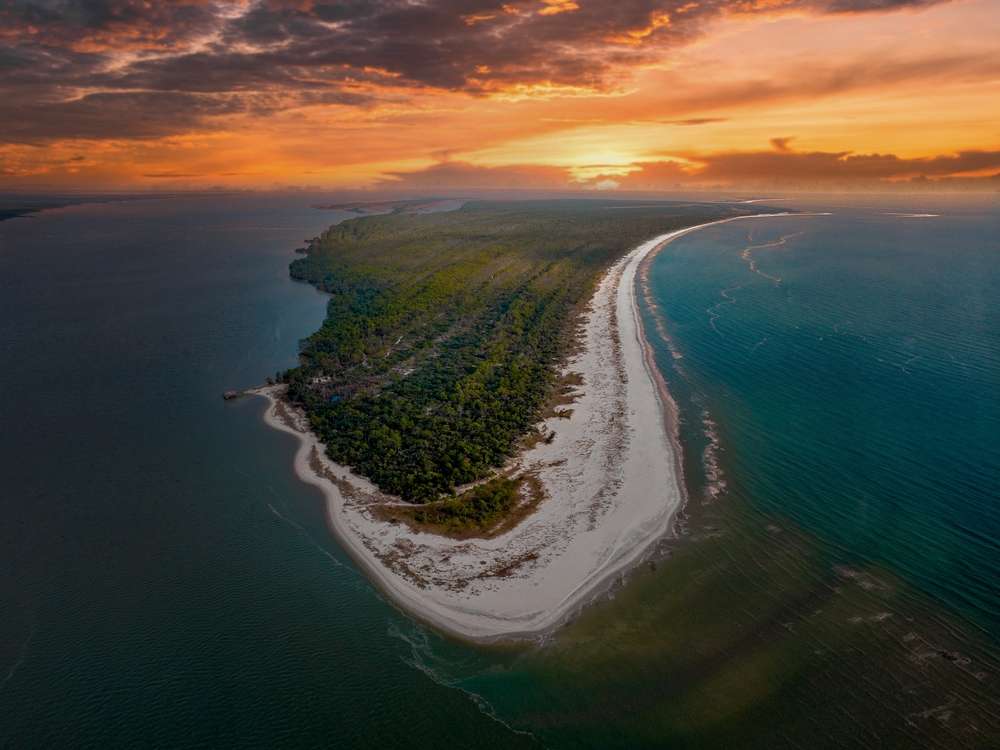
Jekyll Island’s Gilded Age glamour hides a legacy involving disease outbreaks, unequal wealth, and mysterious disappearances. Visitors exploring its historic district often speak about an eerie atmosphere in some of the older buildings. The island’s elite past and restricted social circles led to countless secrets that locals are hesitant to revisit. Behind its beaches and wildlife lies a darker story rarely mentioned in tourist brochures.
Sapelo Island – Georgia
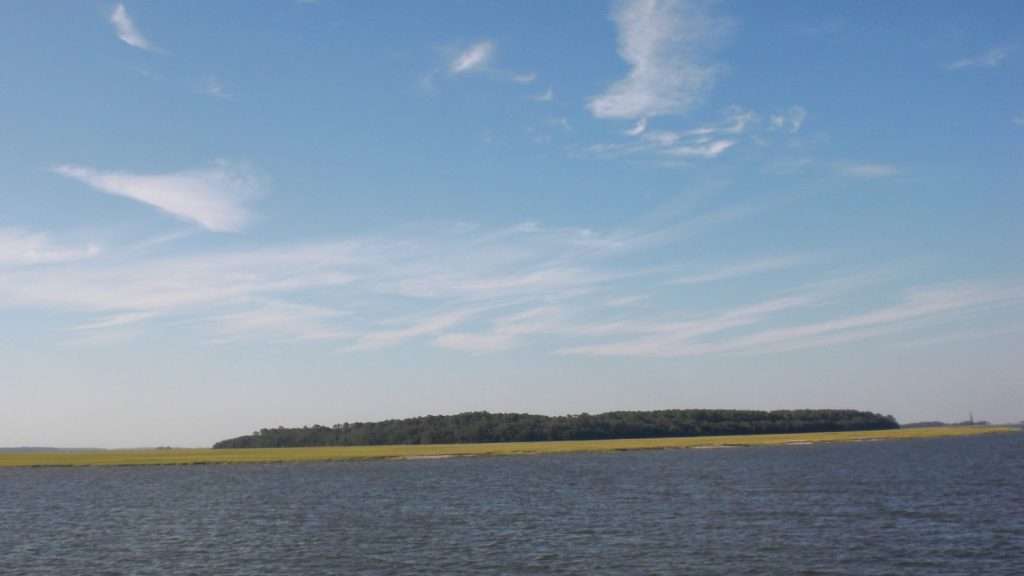
Sapelo Island blends natural beauty with a heavy legacy of slavery, cultural displacement, and isolated tragedies. Members of the Gullah-Geechee community still honor their ancestors’ struggles, but many of the most painful stories remain private. Travelers sense the emotional depth of the island’s past while walking through preserved villages and historic burial grounds. It stands as a reminder of the darker chapters woven into U.S. travel history.
St. Helena Island – South Carolina

St. Helena Island is rich in Gullah culture, yet beneath the surface lie stories of violent Civil War occupations, epidemics, and traumatic Reconstruction struggles. The island’s spiritual traditions hold memories of these hardships, though locals choose their words carefully out of respect. Visitors exploring the island often report sensing a solemn energy. Its history is profound, painful, and deeply meaningful to those who call it home.
Roanoke Island – North Carolina
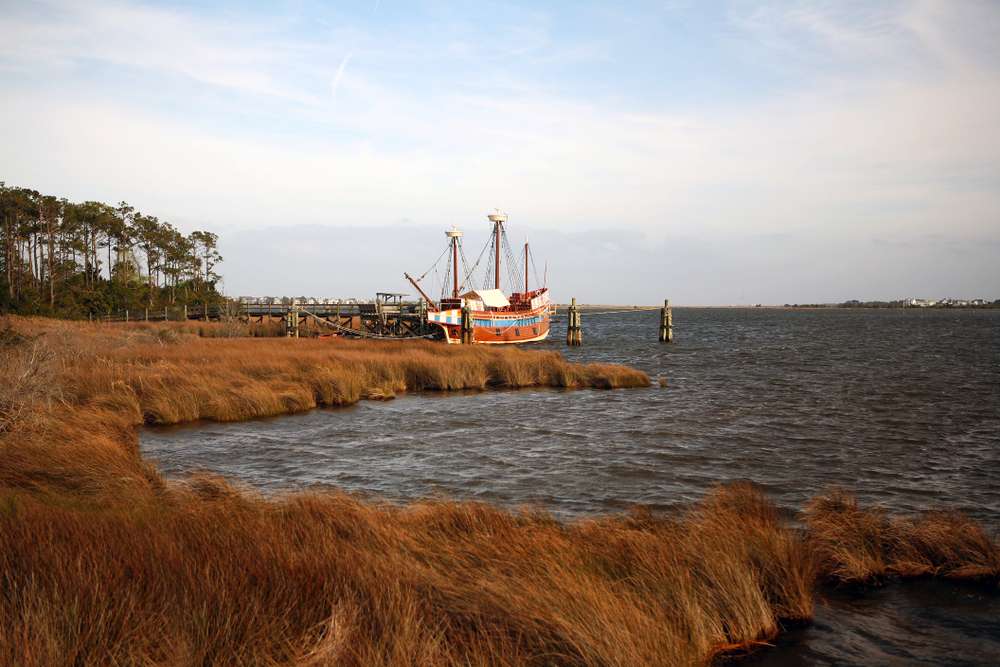
Roanoke Island is the site of the infamous “Lost Colony,” where an entire English settlement disappeared without explanation. Theories range from disease and conflict to supernatural forces, and locals sometimes avoid discussing the darkest interpretations. Travelers exploring the area find its forests strangely quiet, amplifying the mystery. Its unsolved disappearance remains one of the most haunting stories in U.S. travel history.
Ocracoke Island – North Carolina
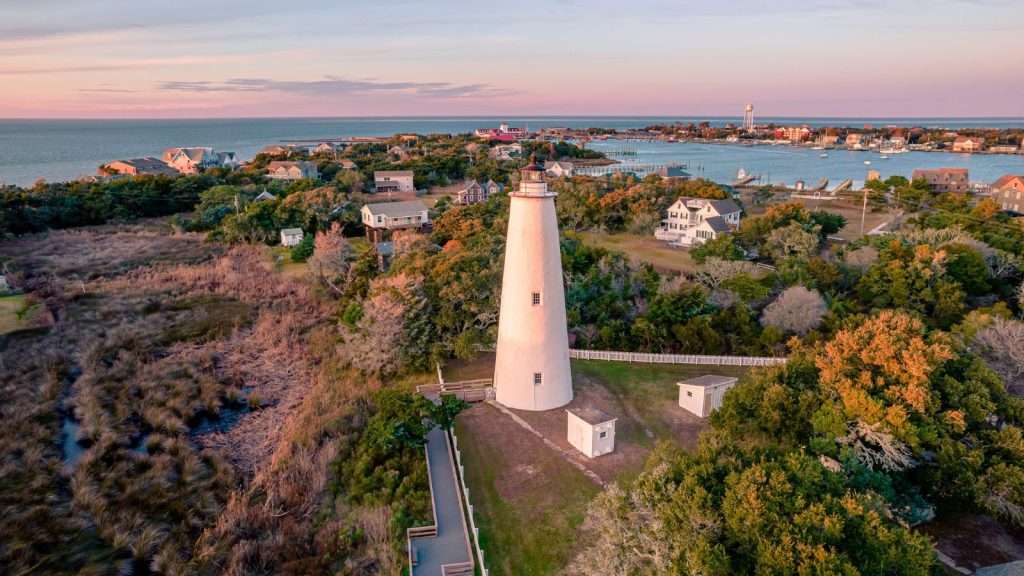
Best known for pirate legends, especially those tied to Blackbeard, Ocracoke’s past includes shipwrecks, violent storms, and unsettling deaths among early settlers. Visitors often talk about eerie sensations around old cemeteries and the beaches where shipwreck victims washed ashore. The island’s isolation adds to its ghostly atmosphere. Locals prefer to highlight its beauty rather than its darker maritime tragedies.
Shackleford Banks – North Carolina

Although famous for its wild horses, Shackleford Banks is also home to stories of deadly storms, maritime losses, and abandoned homesteads. Travelers walking through the dunes often encounter remnants of past settlements that disappeared under harsh coastal conditions. The island’s shifting sands hide fragments of trauma that locals rarely discuss. Its haunting silence makes it a memorable, if eerie, spot within U.S. travel.
Assateague Island – Maryland/Virginia
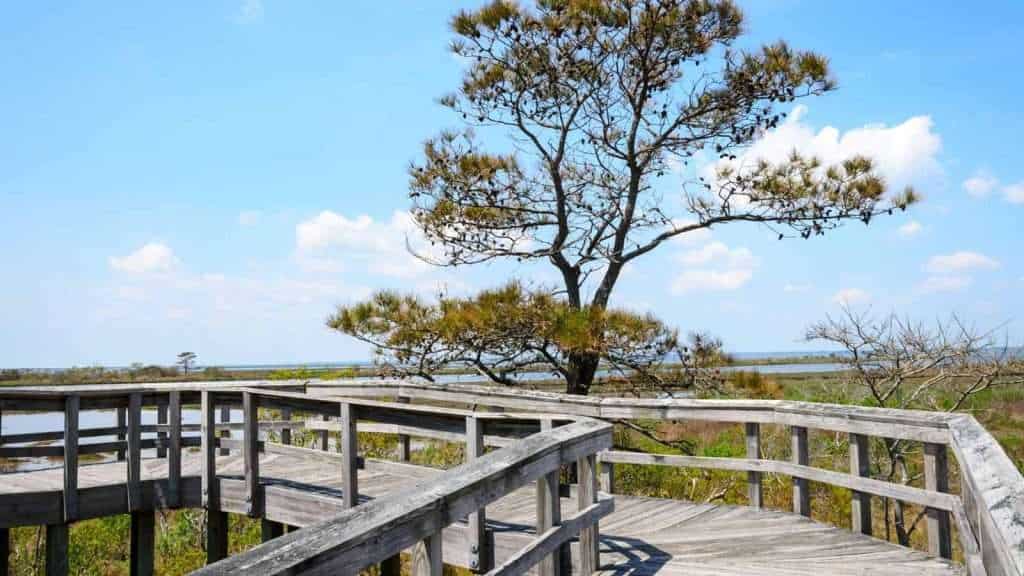
Assateague Island’s wild horses draw countless visitors, but its past includes numerous shipwrecks and unexplained disappearances among early seafarers. Local lore recounts eerie lights dancing offshore and the cries of sailors lost to the waves. Many sites along the coast feel emotionally heavy, as though echoing past tragedies. It’s a place where beauty and sorrow coexist beneath the sound of the Atlantic surf.
Tangier Island – Virginia
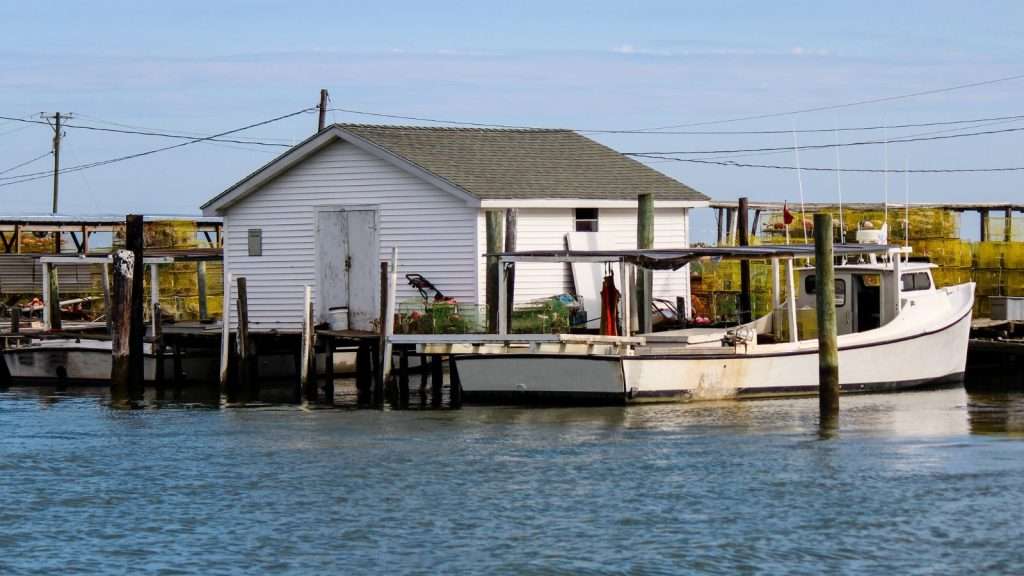
Tangier Island faces the grim reality of rising seas, but its past includes isolation-driven tragedies, medical crises, and deadly storms that shaped its tight-knit community. Visitors say the island’s narrow lanes and quiet cemeteries give it a somber character. Some residents avoid discussing certain family histories or past hardships. The island’s remote lifestyle and dark experiences make it unlike anywhere else in U.S. travel.
Smith Island – Maryland
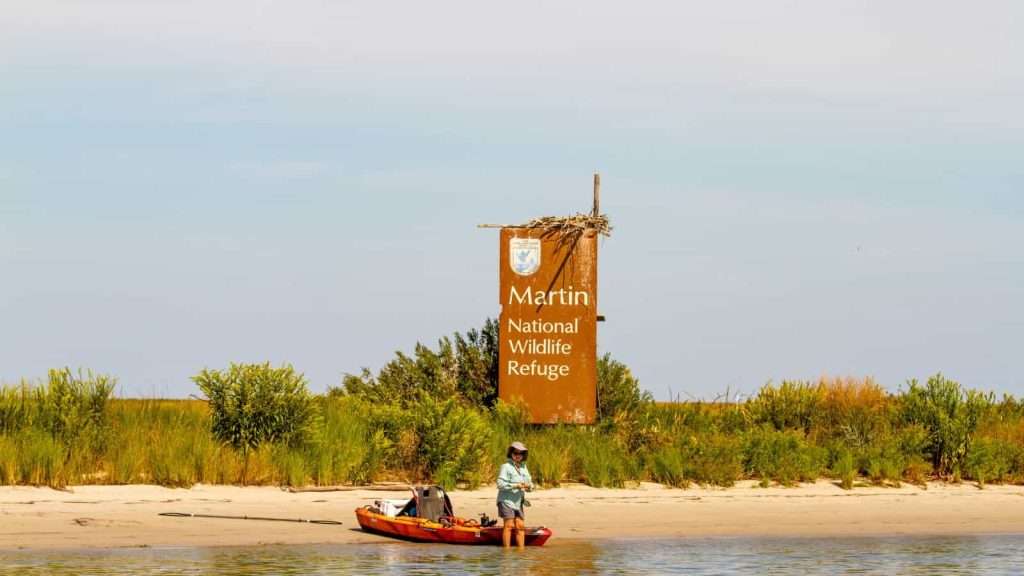
Smith Island is known for its hospitality, yet its history includes devastating floods, lost fishermen, and centuries of hardship. The Chesapeake Bay’s unpredictable weather often shaped stories that residents prefer not to revisit. Travelers exploring the island sometimes sense a lingering sadness behind the scenic marshes. Its cultural resilience stands in contrast to its darker memories.
Isle au Haut – Maine
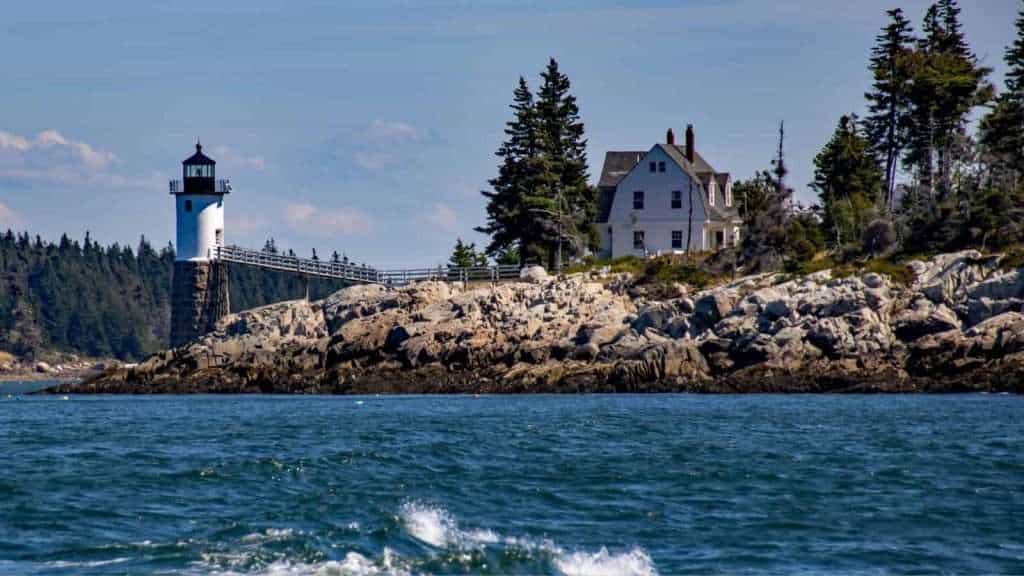
Isle au Haut’s rugged beauty contrasts sharply with its legacy of dangerous storms, shipwrecks, and struggling early settlements. Some visitors report unexplainable sounds near old lighthouse ruins, as though echoes of past tragedies still drift across the island. Locals cherish their privacy and rarely expand on its more painful stories. For travelers seeking remote U.S. destinations, Isle au Haut is both breathtaking and haunting.
Matinicus Island – Maine
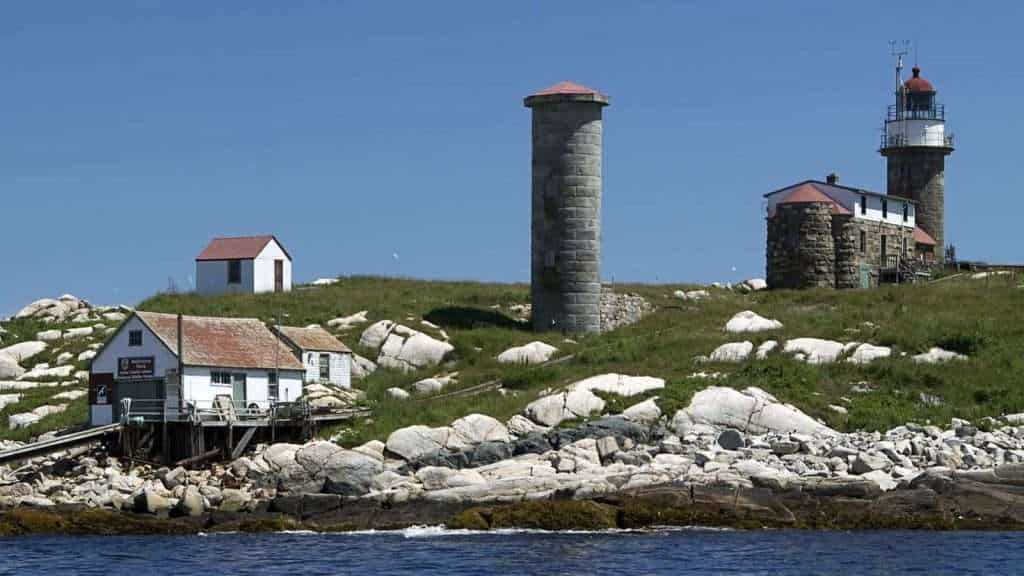
Known for its extreme isolation and dramatic history of interpersonal conflict, Matinicus has long been viewed as one of Maine’s most intense island communities. Stories of violent disputes, missing persons, and harsh survival conditions shape its reputation. Travelers often describe the island’s atmosphere as charged, almost restless. The community’s quiet stance on its past adds to its enigmatic identity.
Monhegan Island – Maine

Monhegan Island is beloved by artists, yet its history includes deadly shipwrecks, rumors of hauntings, and tragic accidents involving early settlers and fishermen. Visitors walking along cliffside trails sometimes feel the weight of these stories in the wind and crashing waves. The island’s remoteness amplifies its emotional intensity. Many locals prefer to focus on its beauty rather than its darker episodes.
Plum Island – New York
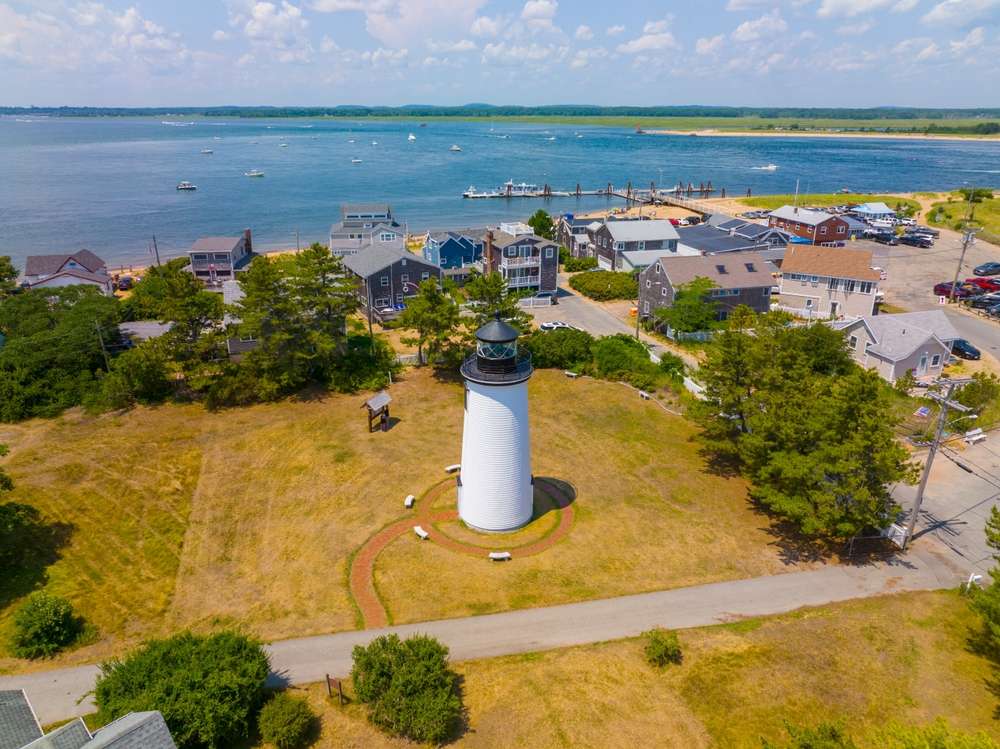
Plum Island’s secretive past involving government research has fueled decades of speculation and fear. Restricted access adds an unsettling air, as does the island’s earlier history involving shipwrecks and military activity. Travelers who sail nearby often describe an eerie stillness hanging over the land. The island remains a place of unanswered questions and whispered stories.
Bainbridge Island (Fort Ward area) – Washington

While Bainbridge Island overall is thriving, its Fort Ward area carries darker memories associated with wartime surveillance, military secrets, and emotional trauma experienced by displaced residents during World War II. Walking through the abandoned bunkers, travelers often feel surrounded by echoes of the past. Locals rarely speak openly about certain wartime events. This quiet corner offers a deeper, more somber perspective on U.S. travel history.
Johns Island – South Carolina

Johns Island may appear peaceful today, but its history is marked by plantation-era tragedies, cultural oppression, and mysterious local legends. Visitors mention an emotional heaviness around historic oak groves believed to hold memories of past suffering. Many long-time residents choose not to dwell on these painful stories. The island’s serene landscape hides centuries of struggle and sorrow.
Dry Tortugas – Florida

The Dry Tortugas are remote, beautiful, and historically grim due to Fort Jefferson’s role as a Civil War prison. Disease outbreaks, harsh conditions, and desperate escape attempts created a legacy of suffering that lingers in the ruins. Travelers exploring the fort often describe feeling watched or hearing faint whispers. The isolation enhances the atmosphere, making it one of the most haunting island destinations in U.S. travel.

Deborah Montiero is a seasoned travel writer and contributor to Probe the Globe. With a passion for uncovering hidden gems and sharing immersive travel experiences, Deborah’s work highlights must-visit destinations, insider tips, and practical advice for travelers of all types. Whether exploring bustling cities or remote escapes, her articles are crafted to inspire and inform, making her a trusted voice in the travel community.
Her storytelling weaves together cultural insights, logistical tips, and authentic experiences, making her a valuable resource for readers seeking unforgettable journeys.
When not writing, Deborah is likely researching the latest travel trends or planning her next adventure. Follow her work on Probe the Globe for fresh perspectives and up-to-date travel inspiration.