20 U.S. Mansions Built as Love Stories That Ended Like Horror Movies
Across the United States, grand mansions often begin as symbols of devotion, success, and optimism. Built to impress lovers, spouses, or families, many of these homes were meant to stand as physical proof of lasting happiness. Instead, some became backdrops for betrayal, obsession, loss, or tragedy that permanently altered their legacy.
Winchester Mystery House – San Jose, California
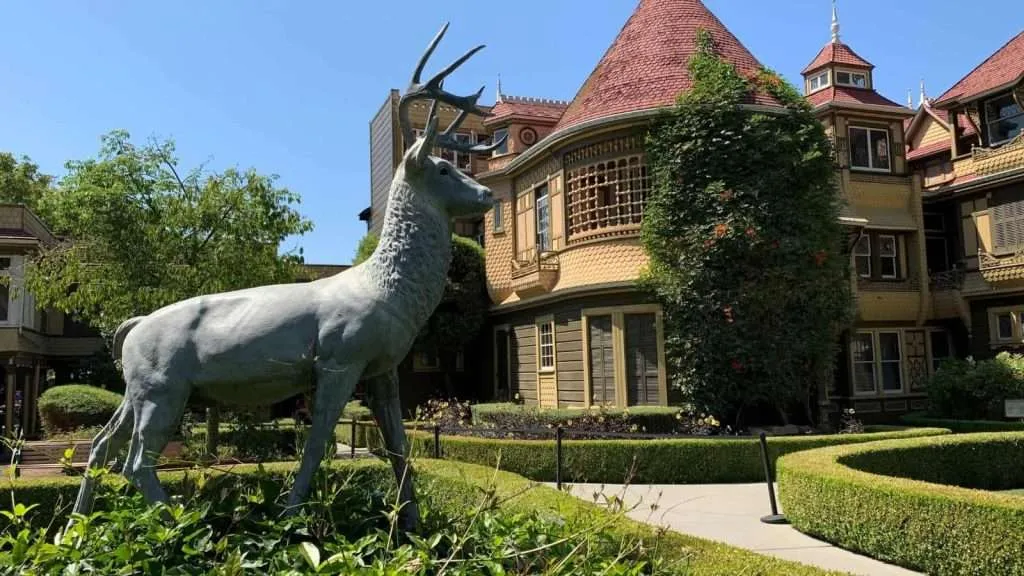
The Winchester Mystery House began as a grieving widow’s attempt to cope with loss after the death of her husband and child. Sarah Winchester poured her fortune into endless construction, believing spirits demanded it. Staircases lead nowhere, doors open into walls, and rooms feel deliberately disorienting. What started as love and grief transformed into isolation and obsession. Today, the mansion is a major U.S. travel destination known more for unease than romance.
Biltmore Estate – Asheville, North Carolina

Built by George Vanderbilt as a gift to family and legacy, the Biltmore was meant to represent permanence and refinement. Instead, financial strain and personal loneliness followed. Vanderbilt died young, leaving behind a massive estate that became a burden rather than a blessing. The love story behind its creation faded into solitude and economic pressure, giving the mansion a bittersweet reputation beneath its grandeur.
The Breakers – Newport, Rhode Island
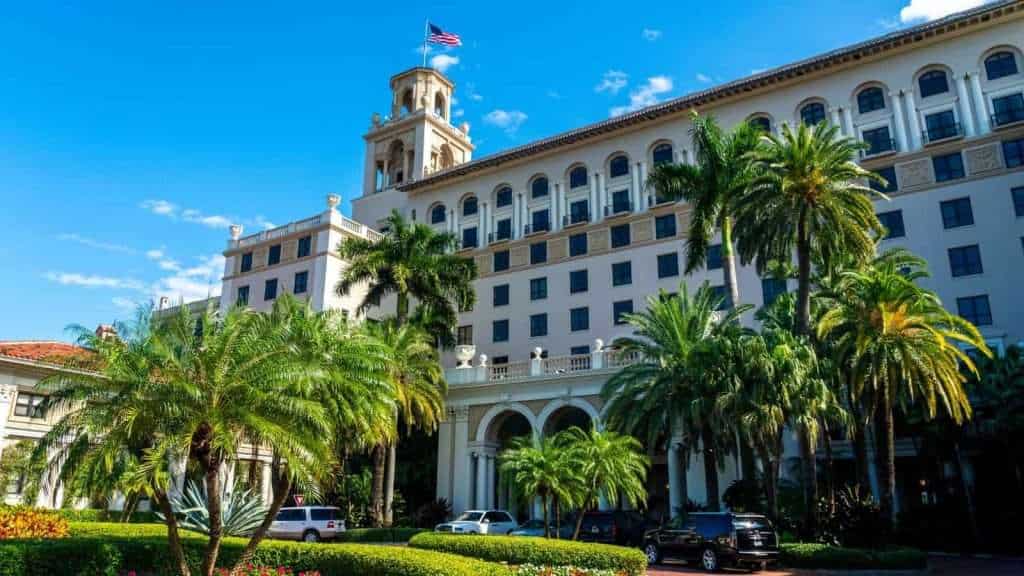
The Breakers was built as a statement of devotion and wealth by the Vanderbilt family, intended to host lavish gatherings and family life. Behind the opulence, relationships fractured under social pressure and personal expectations. Marriages strained, and emotional distance replaced intimacy. The mansion stands today as a reminder that luxury did not guarantee happiness, a theme travelers exploring historic U.S. travel sites often note.
Lemp Mansion – St. Louis, Missouri
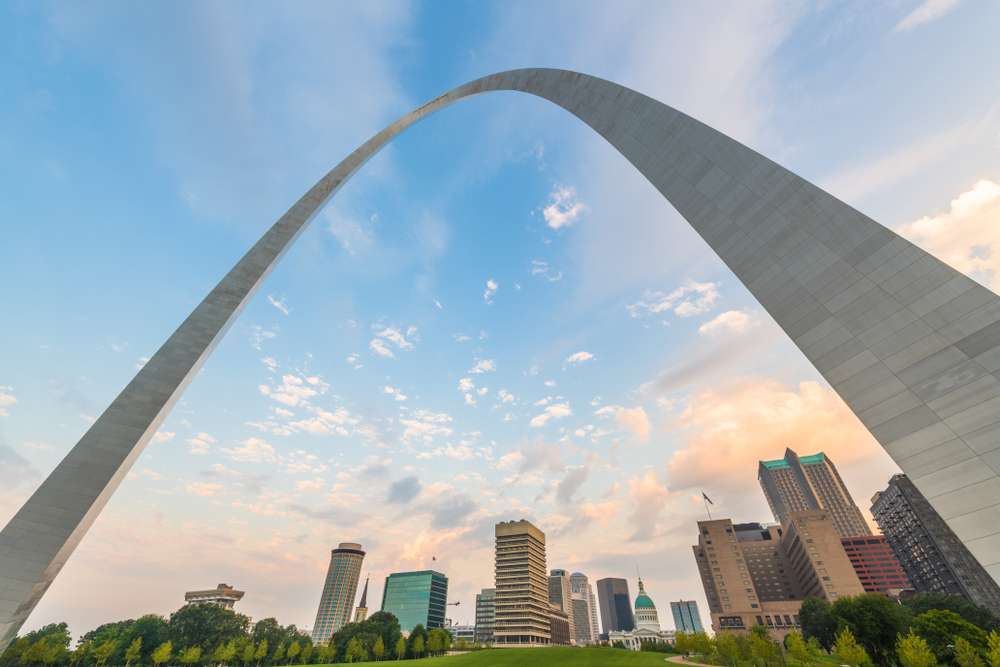
Lemp Mansion was built during the height of the family’s brewing empire, intended as a showcase of success and family unity. Instead, it became associated with a series of suicides and personal tragedies. Depression, illness, and financial decline overtook multiple generations. What began as a symbol of prosperity became synonymous with despair, earning the mansion one of the darkest reputations in American architectural history.
Lyndhurst Mansion – Tarrytown, New York
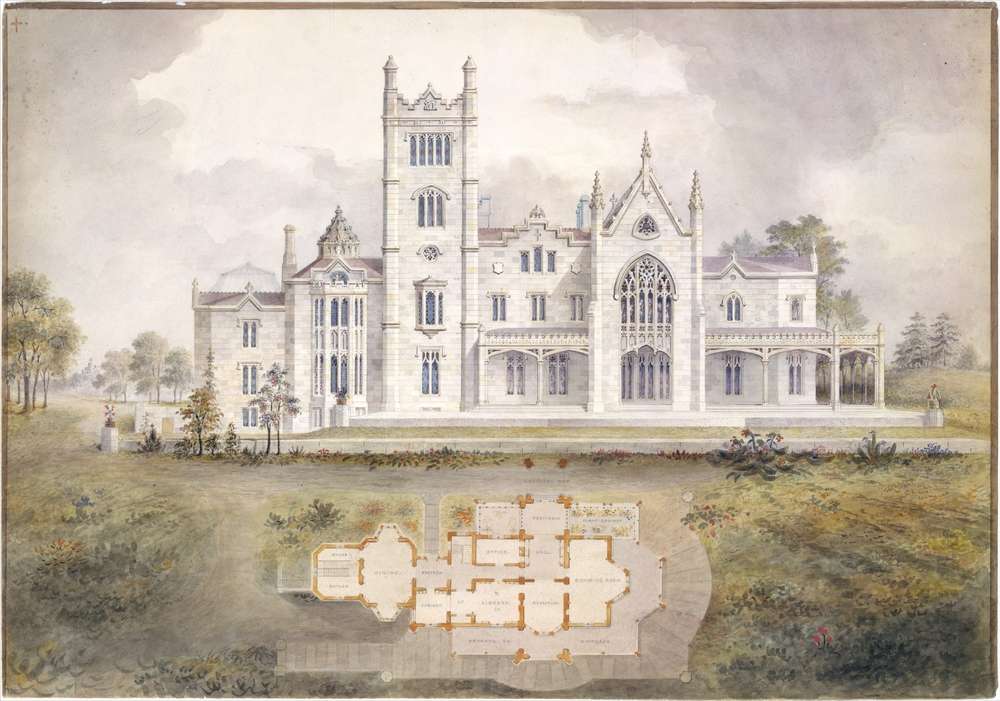
Designed as a romantic retreat along the Hudson River, Lyndhurst was meant to reflect peace and refinement. Over time, its residents experienced loss, isolation, and declining fortunes. Love gave way to loneliness as the mansion passed through owners who rarely stayed long. Visitors often describe the house as elegant yet emotionally cold, a recurring theme in U.S. travel stories about historic estates.
Vanderbilt Mansion – Hyde Park, New York
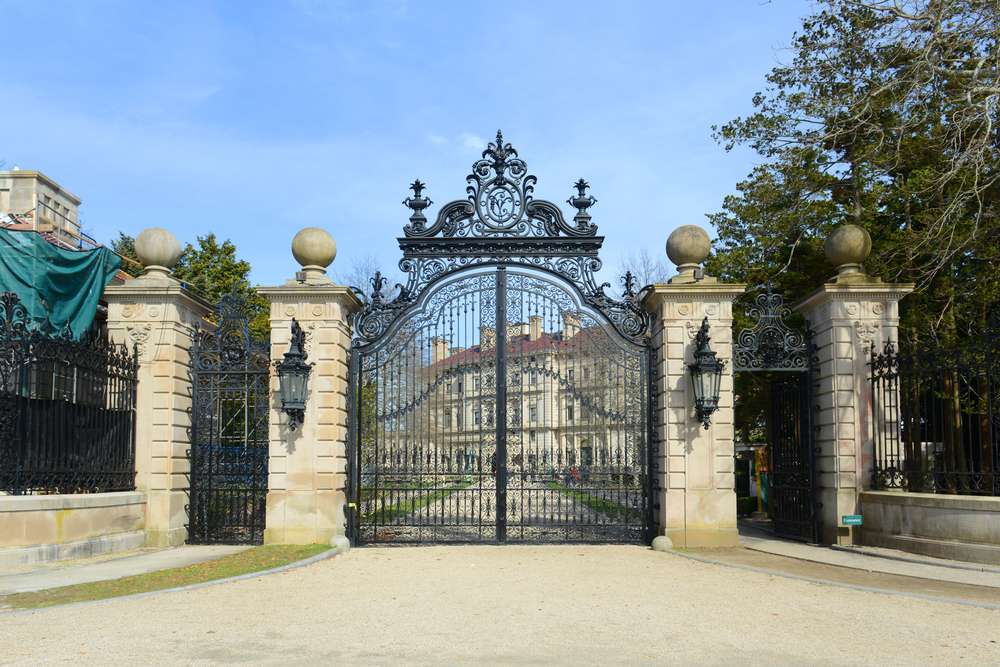
Built as a gift and family retreat, this mansion was intended to embody warmth and connection. Instead, rigid social expectations and emotional distance defined daily life. Personal relationships suffered under the weight of appearances. The home remains beautiful, but its history reflects how carefully constructed love stories often masked quiet misery.
The Amityville House – Amityville, New York
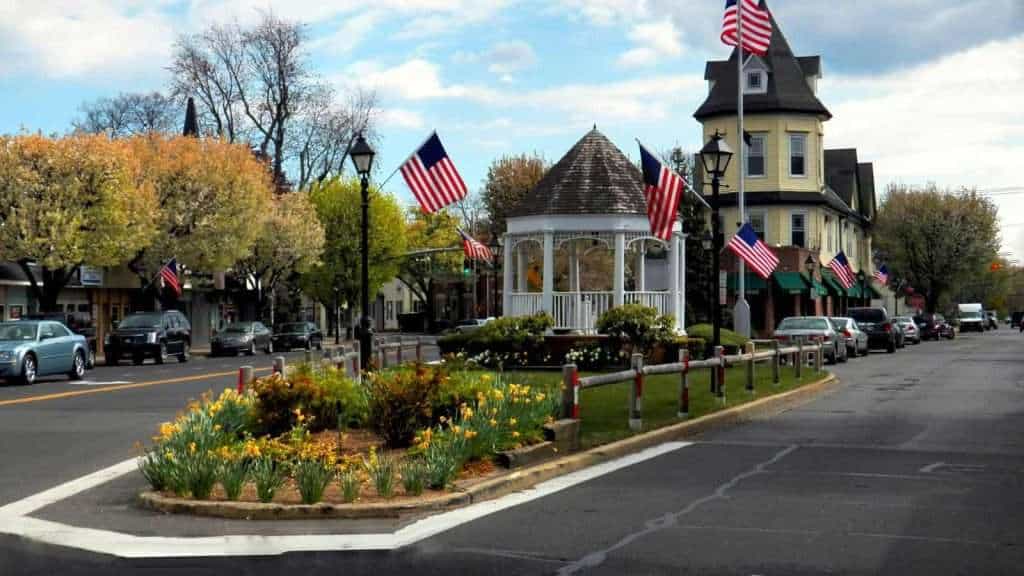
Originally built as a family home meant to represent stability and success, the Amityville house became infamous after a brutal crime shattered that vision. Subsequent owners reported fear and emotional distress. What was meant to be a place of safety transformed into a symbol of terror. The house remains one of the most unsettling stops for those interested in dark U.S. travel history.
The Borden House – Fall River, Massachusetts

Built as a family home reflecting prosperity, the Borden House became infamous after a shocking double murder. The domestic space meant to symbolize stability instead became a crime scene etched into American consciousness. Love, trust, and routine collapsed instantly. Today, the home is visited not for comfort, but for its chilling history.
Hearst Castle – San Simeon, California
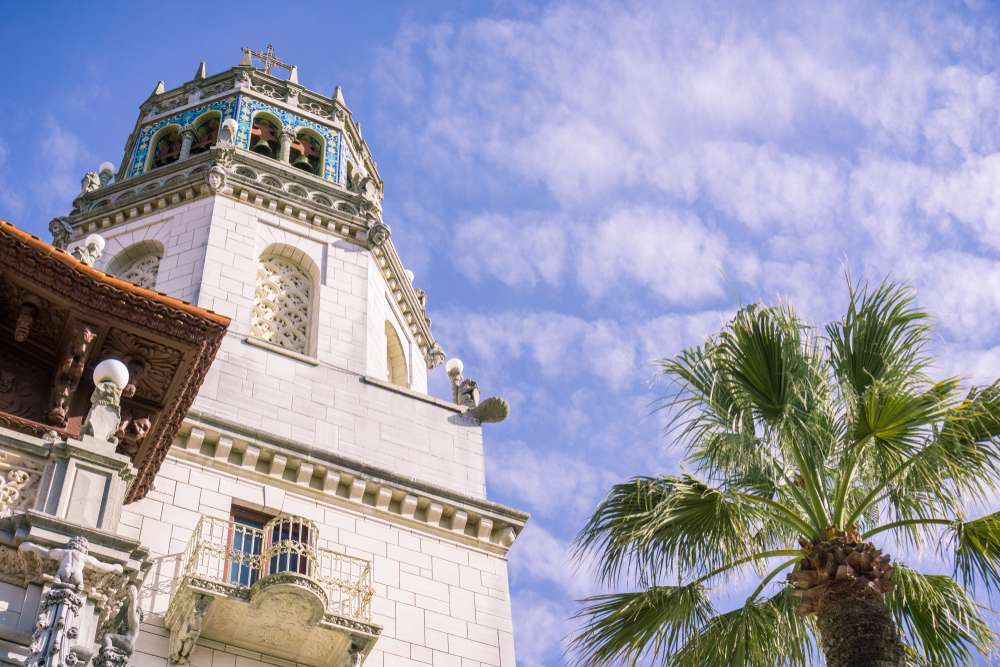
Hearst Castle was built as an extravagant gesture of love for family and legacy. Despite its beauty, the owner’s personal life was marked by isolation and control. Relationships suffered under excess and obsession. Visitors often note the contrast between grandeur and emotional emptiness, a recurring theme in U.S. travel narratives surrounding the estate.
Graceland – Memphis, Tennessee
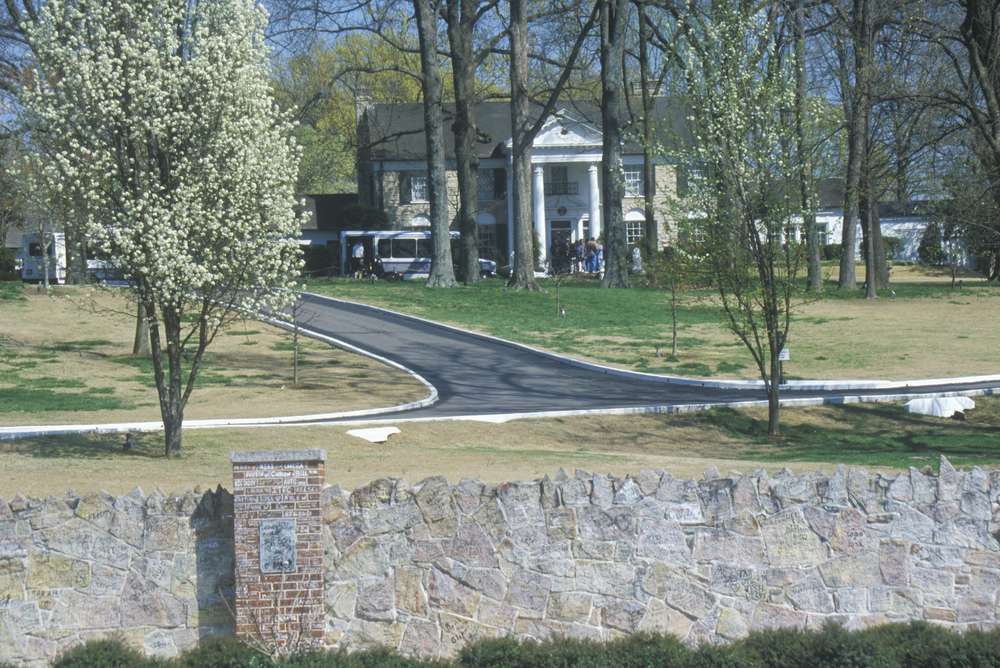
Graceland was intended to be a family sanctuary and symbol of success. Over time, it became associated with personal decline, isolation, and tragedy. Relationships strained under fame and pressure. While beloved by fans, the mansion carries an undercurrent of sorrow tied to unrealized happiness.
The Gamble House – Pasadena, California
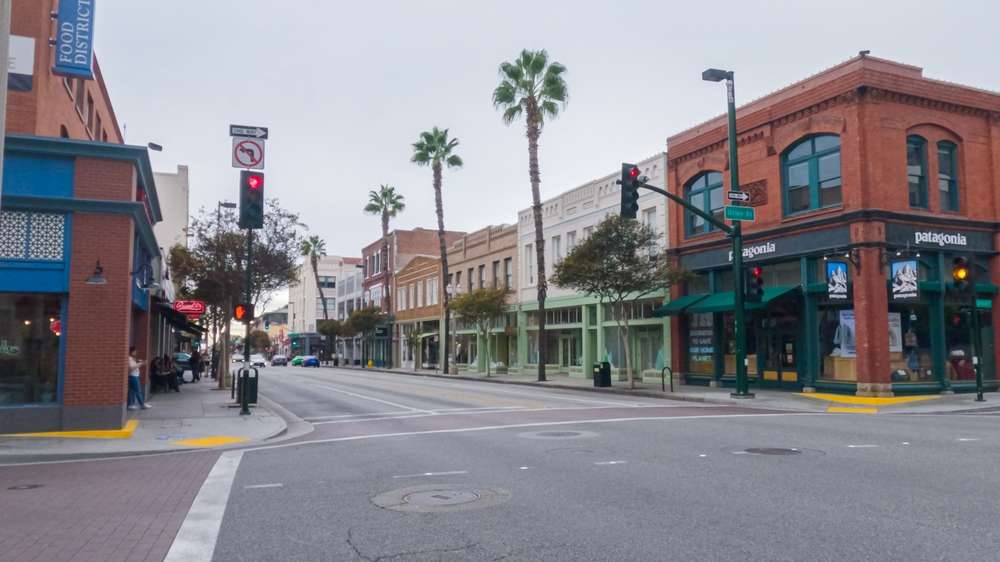
Built as a family home celebrating craftsmanship and harmony, the Gamble House was meant to support generations. Instead, family members drifted apart, and the home outlived its original purpose. The emotional warmth envisioned by its creators faded into formality. Today, it stands as a preserved artifact rather than a living home.
The Driskill Hotel – Austin, Texas
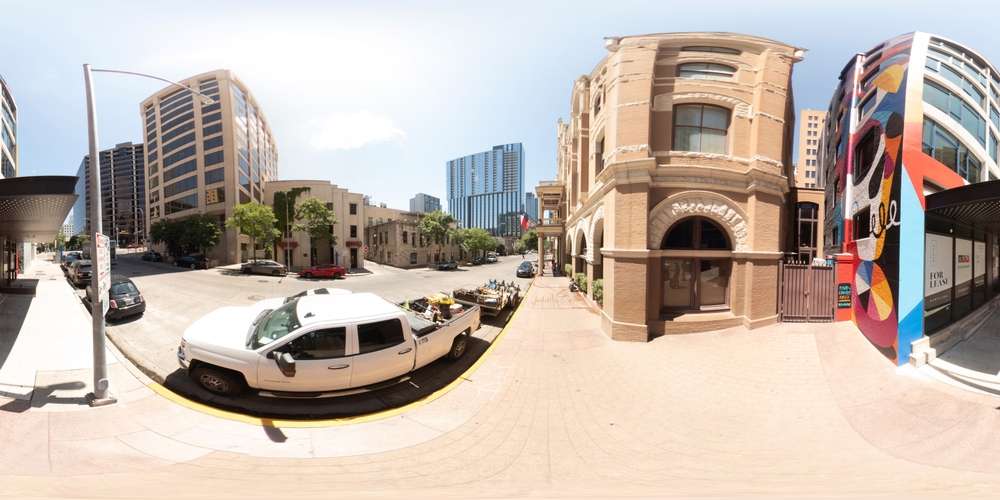
Though now a hotel, the Driskill began as a personal project fueled by ambition and devotion. Financial ruin followed shortly after completion, unraveling the dream. Marriages and reputations suffered as fortunes collapsed. The building remains iconic, but its origin story reflects how love and ambition can unravel rapidly.
Myrtles Plantation – St. Francisville, Louisiana
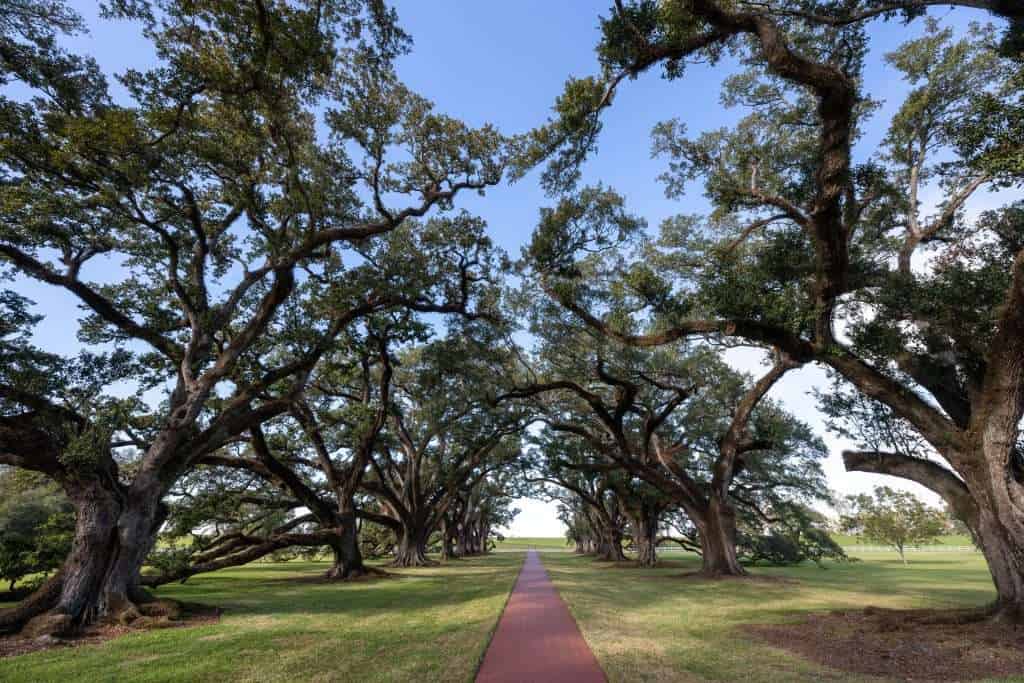
Built as a family estate meant to support prosperity and domestic life, the Myrtles Plantation became associated with illness, death, and loss. Multiple tragedies disrupted the household over time. What began as a hopeful family residence gained a reputation for fear rather than comfort. It remains one of the most unsettling historic homes in Southern U.S. travel.
The Whaley House – San Diego, California
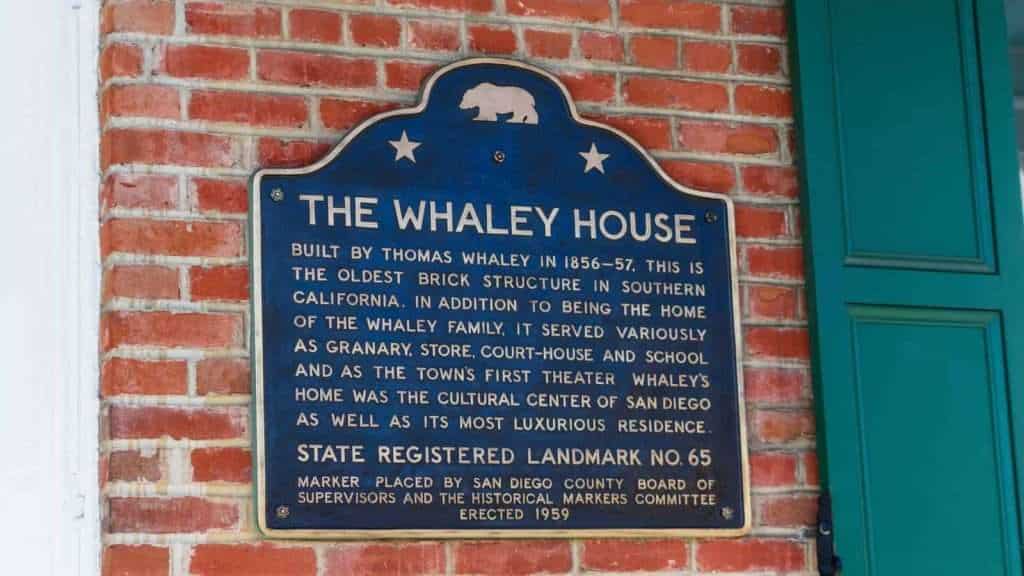
Built as a family home and business space, the Whaley House quickly became associated with death and hardship. Executions nearby and family tragedies blurred the line between domestic life and fear. Love and stability were replaced by anxiety and loss. The house remains a major stop for travelers exploring darker chapters of U.S. travel history.
The Pabst Mansion – Milwaukee, Wisconsin
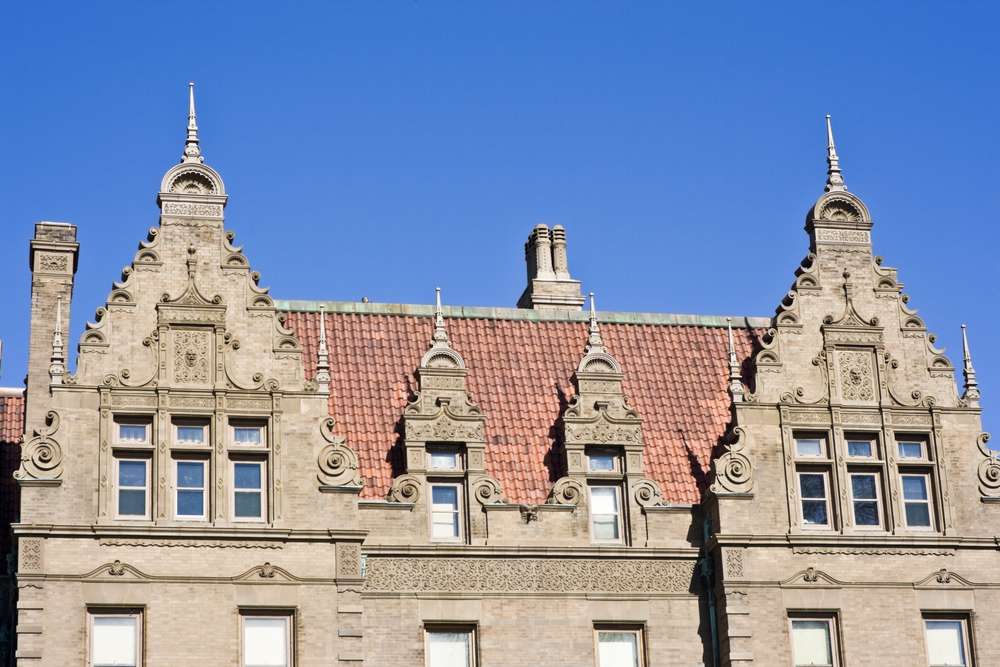
Built as a display of devotion and family success, the Pabst Mansion reflected wealth and social standing. Behind the walls, strict expectations and emotional distance defined family life. The pressure to maintain image outweighed intimacy. The mansion’s beauty masks the quiet strain that shaped its history.
The Bell Witch House – Tennessee

Constructed as a family home rooted in love and settlement, this house became associated with fear and conflict. The family’s unity fractured under relentless stress tied to unexplained disturbances. Whether legend or history, the emotional toll was real. The site remains linked to one of the most disturbing narratives in American folklore.
The Marshall House – Savannah, Georgia
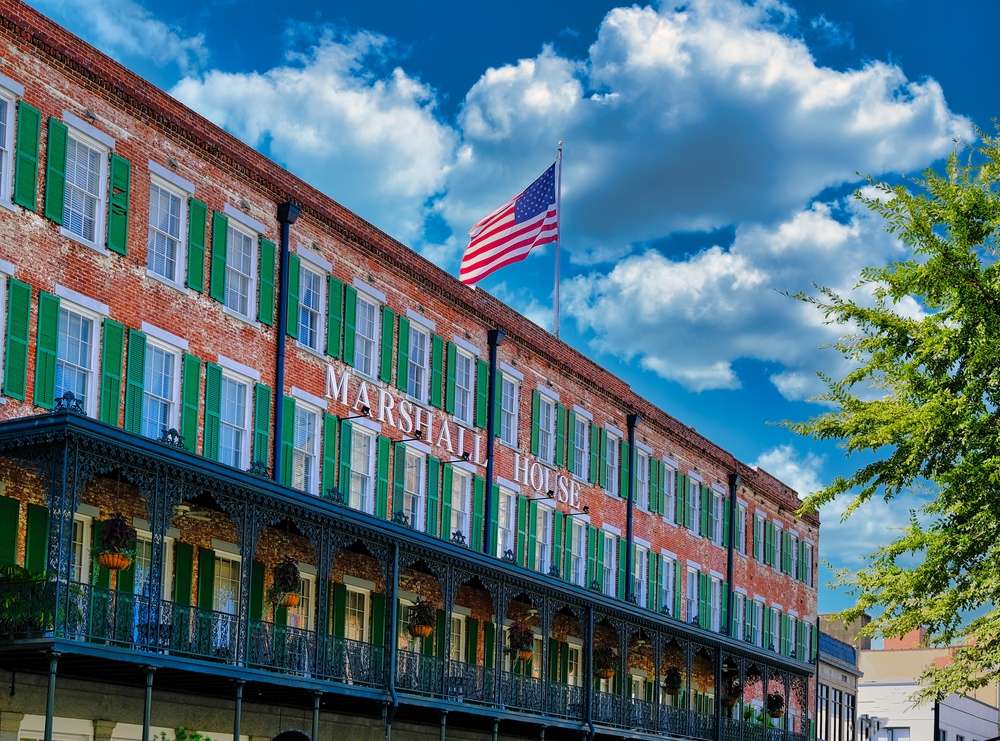
Built as a luxury hotel tied to romantic travel ideals, the Marshall House later served darker purposes. War, suffering, and loss altered its identity permanently. What began as a place of comfort became a witness to trauma. Visitors often sense the contrast between elegance and grim history.
The Villisca Axe Murder House – Villisca, Iowa

Originally built as a modest family home grounded in stability, the Villisca house became the site of an unsolved massacre. Love, routine, and safety were destroyed overnight. The home’s legacy shifted instantly from domestic life to fear. It remains one of the most chilling stops for true crime-focused U.S. travel.
The LaLaurie Mansion – New Orleans, Louisiana

Built as a symbol of wealth and status tied to marriage, the LaLaurie Mansion hid horrific secrets. The public image of refinement collapsed after shocking discoveries. Love and social standing were exposed as facades. The mansion remains infamous as one of the darkest homes in American history.
The Overton Mansion – Memphis, Tennessee
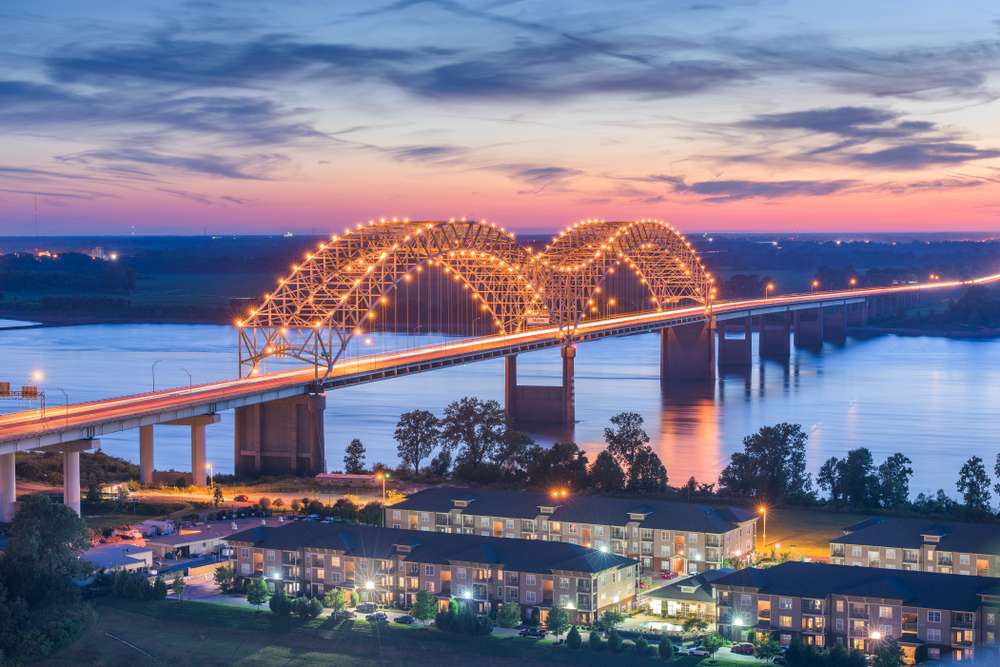
Constructed as a showpiece for family life and success, the Overton Mansion later became associated with decline and abandonment. Financial issues and shifting priorities eroded its purpose. What began as a hopeful domestic project ended in quiet emptiness. The mansion reflects how love-driven ambition doesn’t always survive reality.
The Bishop’s Palace – Galveston, Texas

Built as a grand expression of devotion and prosperity, the Bishop’s Palace symbolized stability. Over time, loss and changing fortunes reshaped its meaning. The emotional warmth intended for the home never fully endured. Today, it stands as a reminder that even the most ambitious love stories can unravel.

Deborah Montiero is a seasoned travel writer and contributor to Probe the Globe. With a passion for uncovering hidden gems and sharing immersive travel experiences, Deborah’s work highlights must-visit destinations, insider tips, and practical advice for travelers of all types. Whether exploring bustling cities or remote escapes, her articles are crafted to inspire and inform, making her a trusted voice in the travel community.
Her storytelling weaves together cultural insights, logistical tips, and authentic experiences, making her a valuable resource for readers seeking unforgettable journeys.
When not writing, Deborah is likely researching the latest travel trends or planning her next adventure. Follow her work on Probe the Globe for fresh perspectives and up-to-date travel inspiration.