12 Historic Hotels Around the World That Tell a Story
Staying at a hotel is a routine part of travel, but some hotels offer more than just a place to rest. From ancient palaces to historic landmarks, we explore 12 historic hotels from around the world that have preserved the past while still offering luxurious stays:
Raffles Hotel, Singapore

Dating back to 1887, Raffles Hotel in Singapore is synonymous with colonial grandeur. It’s famously known for the creation of the iconic Singapore Sling cocktail in its Long Bar. The hotel has hosted literary legends like Rudyard Kipling and Joseph Conrad and played a significant role in Singapore’s history, including serving as a location for Japanese surrender during World War II. The classic colonial architecture and gardens transport guests back to the era of British rule.
Hotel del Coronado, California, USA

The iconic Hotel del Coronado, built in 1888, is a National Historic Landmark located on the coast of San Diego. With its distinctive red turret, the hotel has been the backdrop for numerous films, including the Marilyn Monroe classic Some Like It Hot. Famous for its beachfront views and Victorian architecture, it is also known for its ghost stories, particularly involving Kate Morgan, who mysteriously died there in 1892.
Taj Mahal Palace, Mumbai, India
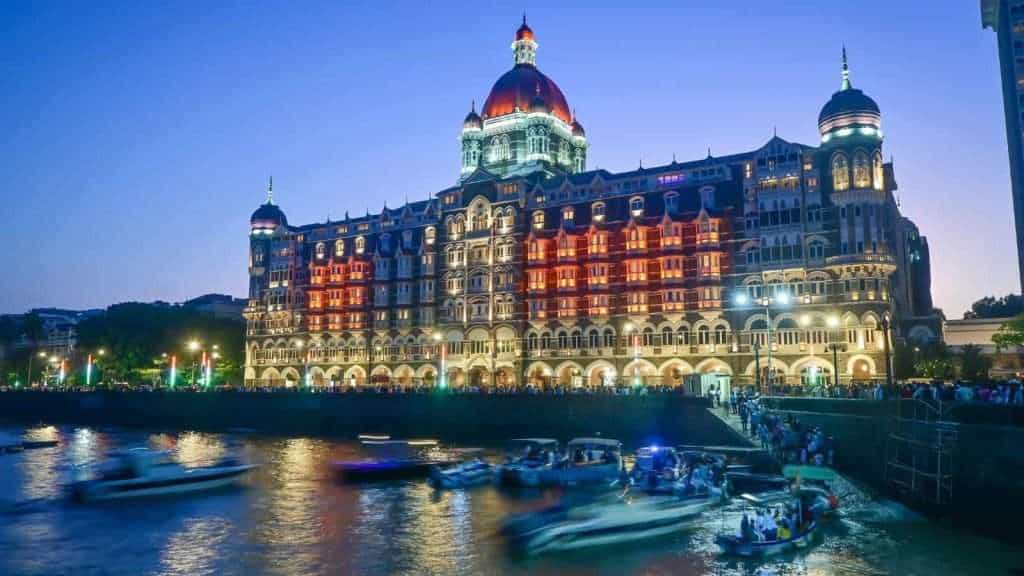
Opened in 1903, the Taj Mahal Palace is a symbol of luxury in Mumbai. It has witnessed pivotal moments in Indian history, from British colonialism to India’s independence. The hotel hosted royalty, world leaders and celebrities over the years. It played a crucial role in India’s freedom struggle, offering refuge to Indian nationalists. Its architecture blends Islamic, Renaissance and Gothic styles, making it a visual marvel as well.
The Savoy, London, UK

The Savoy opened in 1889 as the first luxury hotel in London to feature electricity and running water in all rooms. The hotel became a hub for London’s social scene, attracting stars like Charlie Chaplin, Frank Sinatra and Marilyn Monroe. Its art deco interiors and timeless elegance remain intact, offering guests a taste of Britain’s glamorous Edwardian past.
Château de Bagnols, Beaujolais, France

Nestled in the heart of the Beaujolais wine region, Château de Bagnols dates back to the 13th century and was originally a medieval fortress. Transformed into a luxury hotel, the château retains its original moats, towers and frescoes. Staying here immerses guests in the life of French nobility, offering a glimpse into the medieval and Renaissance periods while surrounded by vineyards and stunning landscapes.
Fairmont Le Château Frontenac, Quebec City, Canada

Perched above the St. Lawrence River, Fairmont Le Château Frontenac is a UNESCO World Heritage site in Quebec City. Built in 1893, this castle-like hotel has become an icon of Canadian history. It’s known for hosting key conferences during World War II, where Winston Churchill and Franklin D. Roosevelt planned strategies. The hotel’s breathtaking Gothic and Renaissance revival architecture adds to its historic allure.
The Gritti Palace, Venice, Italy
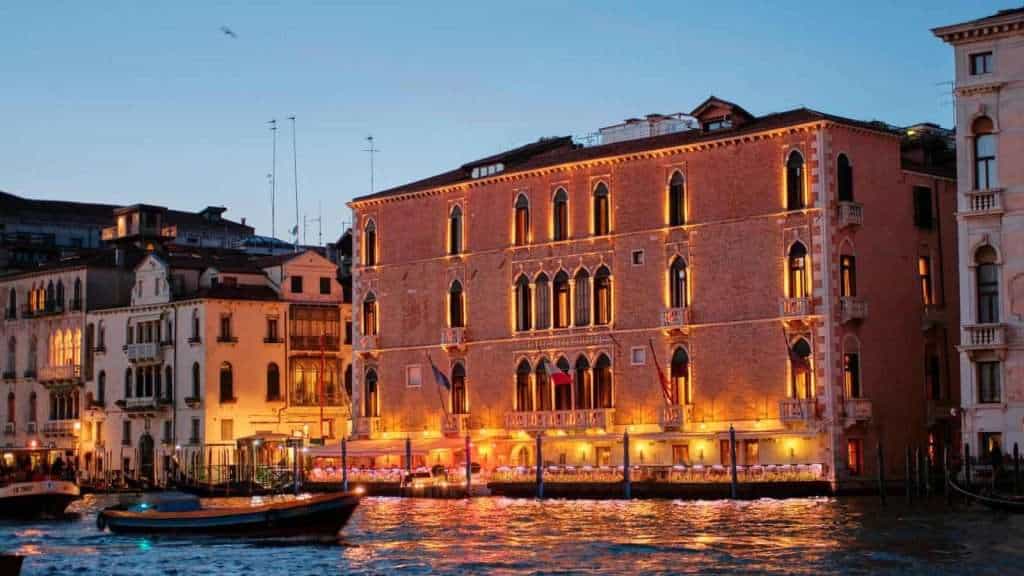
Once the private residence of noble families, The Gritti Palace in Venice was transformed into a luxury hotel in 1947. Overlooking the Grand Canal, the palace was built in the 15th century and later became a gathering place for artists, writers and intellectuals. Today, it offers a rare blend of Venetian opulence and historical significance, with its original chandeliers, frescoes and Venetian fabrics still intact.
Mount Nelson Hotel, Cape Town, South Africa
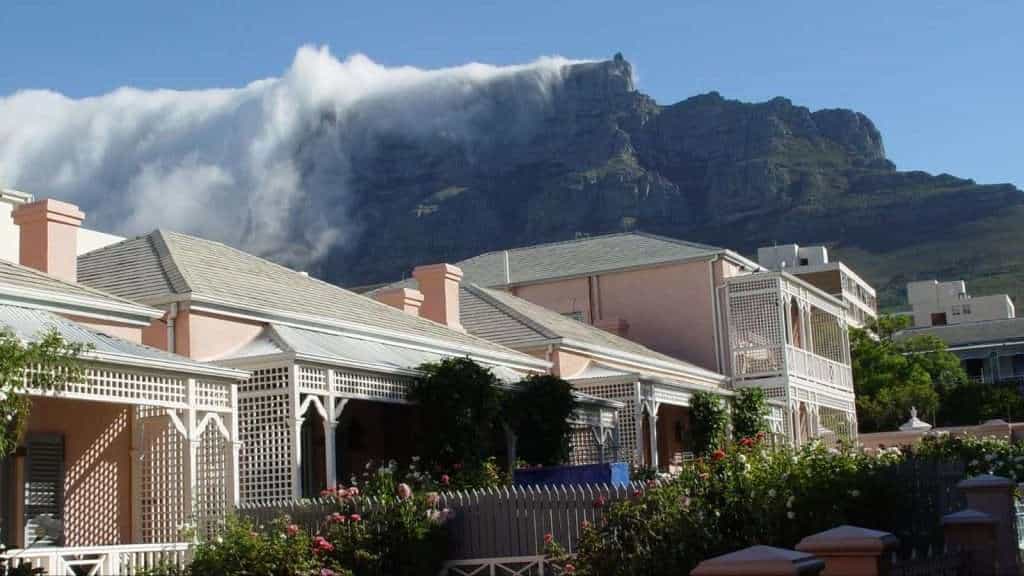
Opened in 1899, the Mount Nelson Hotel was initially built as a luxury haven for British aristocrats visiting Cape Town. Over the years, it has played host to notable figures like Winston Churchill, John Lennon and Nelson Mandela. Its striking pink façade and Edwardian elegance stand as a testament to South Africa’s colonial past, while offering modern comforts in a scenic garden setting.
Pera Palace Hotel, Istanbul, Turkey
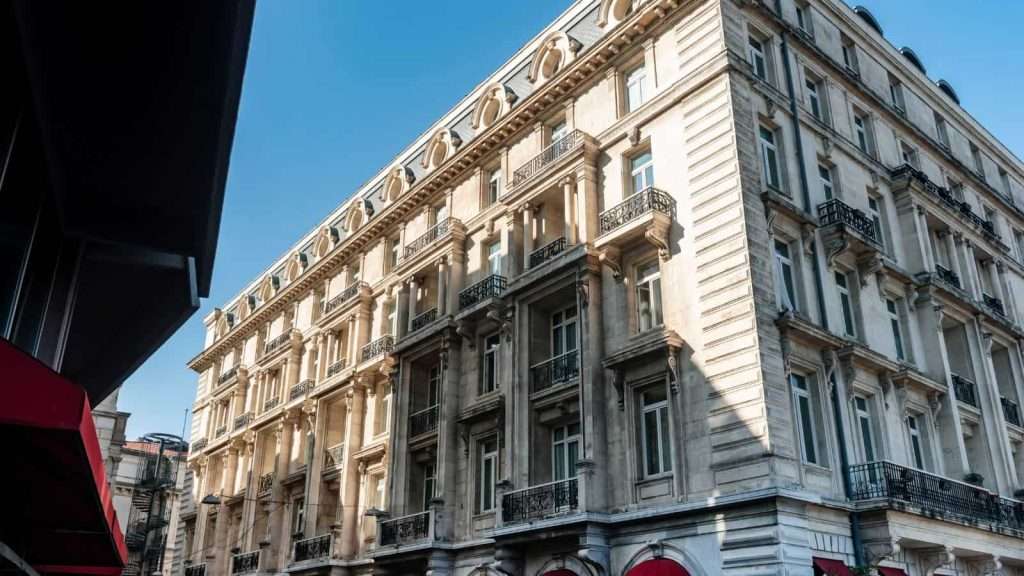
The Pera Palace, which opened in 1895, was built specifically to host passengers of the legendary Orient Express. Located in the heart of Istanbul, it served as a meeting place for spies, diplomats and literary figures, including Agatha Christie, who reportedly wrote Murder on the Orient Express during her stay. The hotel is a blend of neo-classical, art nouveau and oriental styles, echoing Istanbul’s rich cultural history.
Belmond Copacabana Palace – Rio de Janeiro, Brazil

Since its opening in 1923, the Belmond Copacabana Palace has been a symbol of glamour in Rio de Janeiro. Overlooking Copacabana Beach, the hotel has hosted royalty, movie stars and politicians. Its opulent ballrooms and classic architecture harken back to Rio’s golden age. It remains one of the most iconic and historic hotels in Latin America.
Hotel Nacional de Cuba, Havana, Cuba

Built in 1930, the Hotel Nacional de Cuba in Havana has witnessed much of Cuba’s turbulent history, from political coups to the Cuban Missile Crisis. Its guest list reads like a who’s who of 20th-century history, with figures like Winston Churchill, Frank Sinatra and Fidel Castro among its many visitors. The hotel is a blend of art deco and neoclassical styles, with views of the Malecón and the sea.
Amangalla, Galle, Sri Lanka

Amangalla is housed within a 17th-century Dutch colonial building inside the UNESCO-listed Galle Fort in Sri Lanka. Once a Dutch military headquarters and later a British garrison, the building has witnessed centuries of colonial rule and warfare. Today, it offers a tranquil retreat filled with colonial charm, antique furnishings and historic artifacts, allowing guests to relive the island’s storied past.

Deborah Montiero is a seasoned travel writer and contributor to Probe the Globe. With a passion for uncovering hidden gems and sharing immersive travel experiences, Deborah’s work highlights must-visit destinations, insider tips, and practical advice for travelers of all types. Whether exploring bustling cities or remote escapes, her articles are crafted to inspire and inform, making her a trusted voice in the travel community.
Her storytelling weaves together cultural insights, logistical tips, and authentic experiences, making her a valuable resource for readers seeking unforgettable journeys.
When not writing, Deborah is likely researching the latest travel trends or planning her next adventure. Follow her work on Probe the Globe for fresh perspectives and up-to-date travel inspiration.