21 Hidden Military Sites in the U.S. You’re Not Meant to See, But They’re Right There
Across the United States, some locations are so heavily connected to military history that they spark endless curiosity among travelers. These obscure places often sit in plain sight, yet they maintain stories, operations, or mysteries that the general public isn’t meant to know in full. Exploring U.S. travel destinations with a historical or secretive edge can feel like uncovering another layer of the nation’s past. Below are 21 Hidden Military Sites in the U.S. You’re Not Meant to See, But They’re Right There.
Area 51, Nevada
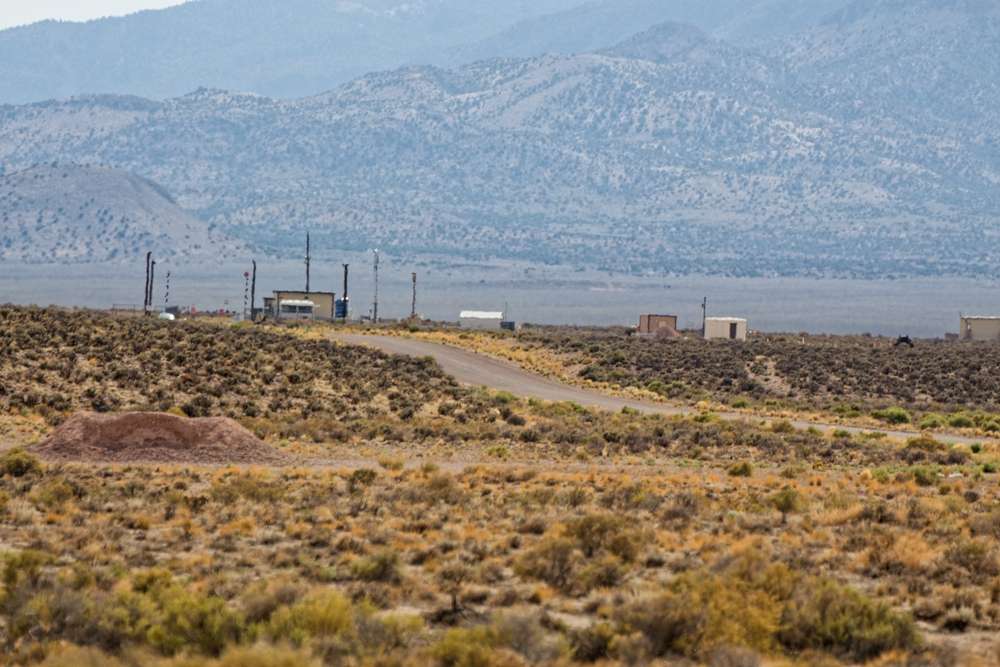
Area 51 may be the most famous “hidden” site in America, even though everyone knows roughly where it is on the map. The massive Air Force facility is associated with classified testing, advanced aircraft development, and countless conspiracy theories. Travelers exploring U.S. travel routes through Nevada can view the surrounding desert but will find the borders heavily patrolled. At night, strange lights in the sky feed the ongoing speculation that far more happens here than the government admits.
Mount Weather Emergency Operations Center, Virginia

Mount Weather sits in the Blue Ridge region, appearing from the outside like a typical government building surrounded by forest. However, beneath its surface is a fully functional underground complex designed for continuity of government during national emergencies. Locals often notice unusual activity, mysterious aircraft, and restricted entrances. While U.S. travel explorers can drive near the perimeter, the true depth of the operations beneath this Virginia mountain remains a tightly guarded secret.
Cheyenne Mountain Complex, Colorado

The Cheyenne Mountain Complex near Colorado Springs looks like a normal mountain from afar, but inside lies one of the most fortified structures ever built. Originally designed to withstand nuclear attack, the facility contains blast doors, reinforced tunnels, and sophisticated command centers. Although portions have been declassified, most operations remain inaccessible. Travelers on U.S. travel routes through Colorado often stop nearby, aware that everything beneath the mountain remains strictly off-limits.
Dugway Proving Ground, Utah
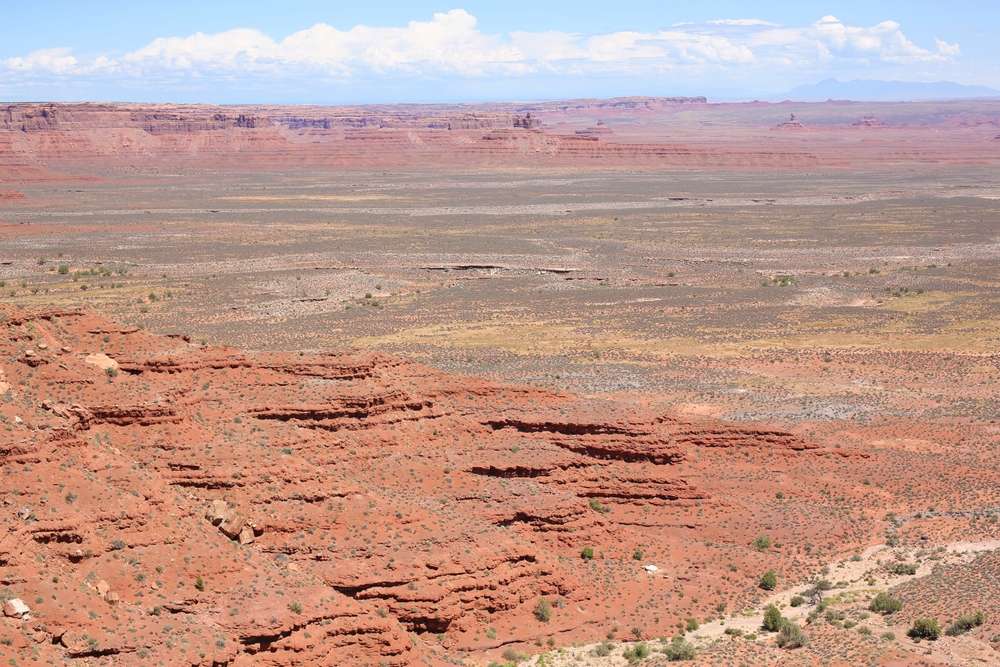
Dugway Proving Ground spans thousands of acres across Utah’s desert, making it one of the largest and most mysterious testing sites in the country. It has long been associated with biological defense research, chemical testing, and classified technologies. Locals occasionally report strange aircraft flying overhead or unexplained flashes of light. Those traveling through the region sense the immense scale of activity happening just out of public view.
Hanford Site, Washington

The Hanford Site played a central role in the Manhattan Project, producing plutonium for early nuclear weapons. Today, sections of the area remain closed due to cleanup efforts and lingering contamination. Despite this, various structures and remnants of the facility can still be spotted from nearby highways, making it a striking reminder of the past. U.S. travel enthusiasts exploring eastern Washington often note the eerie quiet surrounding such a historically powerful site.
Greenbrier Bunker, West Virginia

Beneath a luxury resort in West Virginia lies a massive Cold War bunker built to house Congress during national emergencies. While part of the structure is now on display, a significant portion remains sealed and unused, hinting at deeper layers never officially disclosed. Travelers visiting the surrounding Appalachian region often discuss the surreal contrast between luxury aboveground and secret operations below. It’s one of the most unusual sites connected to U.S. travel history.
Camp Peary, Virginia

Camp Peary, often referred to as “The Farm,” is rumored to be a major CIA training center. The region appears ordinary, yet armed checkpoints, aircraft activity, and restricted access say otherwise. Locals rarely discuss what happens inside, though government presence is impossible to miss when driving by. Anyone exploring U.S. travel routes through coastal Virginia will sense a hidden world operating behind the fences.
Raven Rock Mountain Complex, Pennsylvania/Maryland
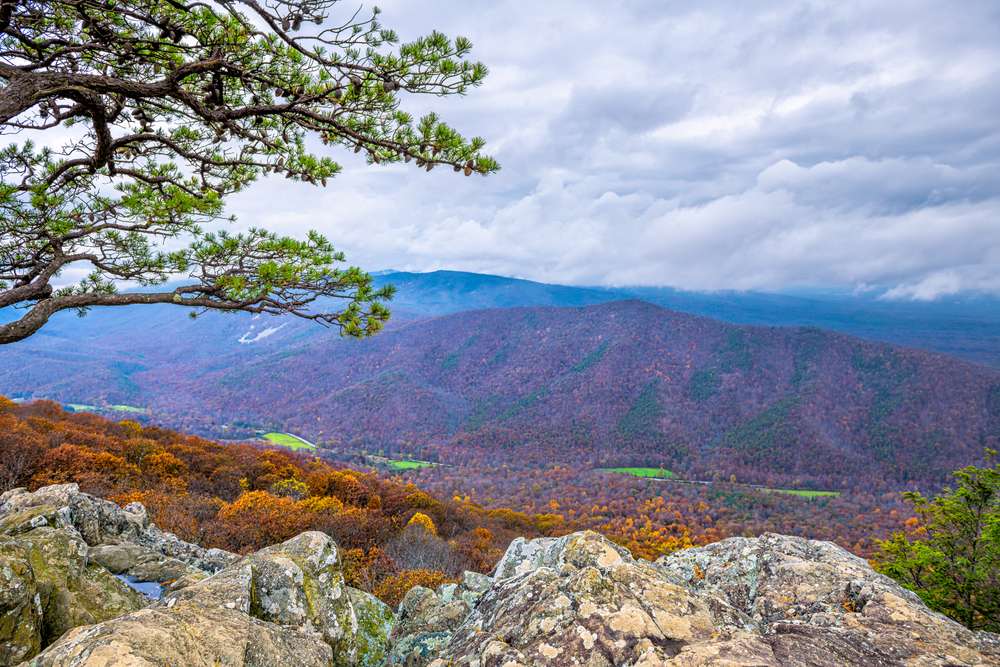
Raven Rock, also known as Site R, is another massive underground government facility designed for continuity of operations. Large antennas, reinforced tunnels, and heavy security hint at the complex systems buried deep within the surrounding mountains. While travelers can view the forested landscape around it, the inner workings remain hidden from public eyes. It’s one of the most intriguing off-limits locations encountered in mid-Atlantic U.S. travel.
Los Alamos Technical Areas, New Mexico

Los Alamos played a pivotal role in developing early nuclear weapons and continues to house sensitive research. Technical areas scattered across the region appear from afar as typical laboratory buildings, yet many are sealed behind restricted zones. Travelers driving through northern New Mexico often spot signs indicating classified operations. Beneath the quiet desert environment lies advanced scientific work veiled in secrecy.
Fort Detrick Restricted Zones, Maryland

Fort Detrick is known for its biodefense research, with many buildings and testing areas closed to the public. While parts of the base host open events or public facilities, the restricted zones maintain tight security. Locals sometimes report seeing unusual delivery trucks or disposal vehicles entering secure gates. For U.S. travel enthusiasts passing through Frederick, the contrast between the calm town and the research happening behind the walls is striking.
China Lake Naval Air Weapons Station, California

Located in California’s desert, China Lake covers an enormous area dedicated to weapons testing and research. Strange booms echo across nearby towns, and unusual aircraft are often spotted in the sky. The facility’s size makes it visible from multiple directions, yet access remains highly restricted. Travelers exploring U.S. travel routes through the Mojave Desert may feel the presence of advanced technology around them without ever seeing the source.
Oak Ridge Security Zones, Tennessee

Oak Ridge was once part of the Manhattan Project and continues to carry out sensitive work related to nuclear materials. The town itself appears perfectly normal, yet large fenced areas hold research facilities, storage areas, and heavily monitored buildings. Many of the region’s operations are not fully explained to the public. Visitors exploring eastern Tennessee can drive past these zones, aware that significant research remains out of view.
White Sands Missile Range, New Mexico

White Sands is famous for missile testing and aerospace research, with vast stretches of desert dedicated to classified operations. The Trinity Site, where the first atomic bomb was tested, lies within the restricted area. Residents nearby often see flashes of light, hear sonic booms, or witness military aircraft performing unusual maneuvers. U.S. travel explorers heading through southern New Mexico can observe from a distance while much remains hidden.
Tonopah Test Range, Nevada

Tonopah may look like an ordinary stretch of desert, but it’s home to testing facilities where advanced aircraft and other technologies have been evaluated. Locals have long reported seeing stealth aircraft before they were made public. The region carries an energy that suggests intense operations unfold regularly behind the fences. Travelers exploring Nevada’s remote highways often feel they’re passing a place where secrets take flight.
Portsmouth Naval Shipyard Restricted Facilities, Maine

Portsmouth Naval Shipyard appears calm from the outside, yet its submarine maintenance facilities operate under intense security. The massive industrial structures hint at activity that the public only sees glimpses of from a distance. Locals often mention hearing heavy machinery at odd hours or spotting security boats patrolling nearby waters. Visitors exploring New England U.S. travel routes often find the site quietly fascinating.
Kings Bay Submarine Base, Georgia
Kings Bay houses ballistic missile submarines, making it one of the most strategically important sites in the nation. The area looks peaceful from surrounding roads, though massive hangars and hidden docks reveal its true purpose. Security is ever-present, with patrols both on land and at sea. Travelers exploring coastal Georgia sense the significance of what lies beyond the restricted zone.
Point Mugu Test Range, California

Point Mugu operates as a major testing site for missile systems and aviation technologies. The coastline nearby appears serene, but the airspace is frequently restricted due to classified operations. Locals often notice unusual aircraft patterns or hear sonic activity offshore. Visitors driving through this coastal section of California experience the unusual blend of natural beauty and secretive military presence.
Yuma Proving Ground, Arizona

Yuma Proving Ground spans parts of the desert and canyon landscape, serving as a testing center for weapons, vehicles, and aircraft. Although one can drive near the region, most of its activity takes place deep within restricted areas. Locals sometimes report strange sounds echoing across the desert at night. U.S. travel adventurers exploring Arizona are often surprised by how prominent yet hidden the site feels.
Naval Radio Station Cutler, Maine

This facility transmits extremely low-frequency signals for submarine communication. Tower structures rise above thick forest, creating an unusual sight that sparks curiosity among travelers. Access is heavily restricted, and the nature of the transmissions remains classified. Anyone exploring U.S. travel along Maine’s rural coastlines may spot the massive towers and feel their quiet significance.
Camp Hero, New York
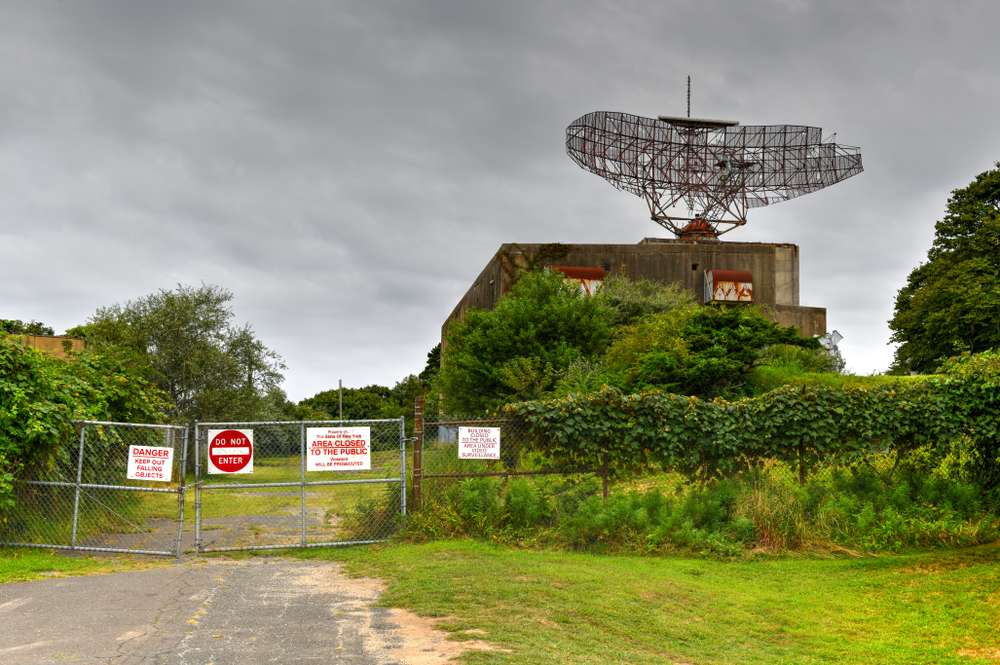
Camp Hero at Montauk Point combines abandoned bunkers, radar towers, and Cold War infrastructure that continues to draw speculation. Some structures appear inactive, yet government signage indicates ongoing monitoring. Stories of experimental programs and military research still swirl around the region. Travelers exploring Long Island’s eastern tip often feel the blend of history and secrecy lingering across the landscape.
Watertown Arsenal Restricted Areas, Massachusetts

The Watertown Arsenal includes buildings linked to early weapons development and later classified programs. While much has been redeveloped, certain areas remain inaccessible and under government control. Visitors occasionally notice reinforced doors or inactive structures that seem to hold deeper stories. Travelers exploring Boston-area U.S. travel sites often wonder what older walls might reveal if they could speak.

Deborah Montiero is a seasoned travel writer and contributor to Probe the Globe. With a passion for uncovering hidden gems and sharing immersive travel experiences, Deborah’s work highlights must-visit destinations, insider tips, and practical advice for travelers of all types. Whether exploring bustling cities or remote escapes, her articles are crafted to inspire and inform, making her a trusted voice in the travel community.
Her storytelling weaves together cultural insights, logistical tips, and authentic experiences, making her a valuable resource for readers seeking unforgettable journeys.
When not writing, Deborah is likely researching the latest travel trends or planning her next adventure. Follow her work on Probe the Globe for fresh perspectives and up-to-date travel inspiration.