15 Hidden Corners of the World Locals Want to Keep Private
The world is filled with renowned destinations that attract millions each year, Paris, Bali, Machu Picchu. But beyond the postcard icons lie deeply cherished places, tucked away from the crowds, fiercely protected by locals who value their quiet magic. These hidden corners aren’t necessarily off-limits, but they’re safeguarded by a desire to preserve their purity, culture, and tranquility. Let’s explore 15 of these lesser-known treasures, where silence speaks louder than selfie sticks.
Isle of Eigg, Scotland

Off Scotland’s rugged west coast lies the Isle of Eigg, a tiny, self-sustaining island owned and managed by its residents. Eigg is far removed from the tourist churn of Edinburgh or the Highlands. With dramatic basalt cliffs, golden beaches, and verdant hills, it offers an escape that feels both timeless and untouched. The locals, fiercely proud and environmentally conscious, prefer the slow rhythm of life undisturbed, where ancient folklore and off-grid living are the highlight.
Faroe Islands’ Kalsoy Valley

While the Faroe Islands have gained some Instagram traction, Kalsoy remains elusive. Reached via a narrow tunnel and surrounded by steep cliffs, this hauntingly beautiful island holds just a handful of villages. Locals are protective of its serenity and the legend of Kópakonan, the seal woman. Kalsoy’s isolation and mist-shrouded peaks make it more than a scenic spot, it’s a spiritual refuge for those who call it home.
Matsuo Ghost Town, Japan

Situated in the snowy mountains of northern Japan, Matsuo was once a bustling mining town before it was abandoned in the 1970s. Nature has since reclaimed it, and today it’s a ghostly landscape of moss-covered buildings and silent streets. Locals nearby often avoid discussing it, not out of fear, but respect. It’s a place where time has stood still, and the air feels thick with stories best left untold.
Isla Holbox, Mexico

Just off the Yucatán Peninsula, Isla Holbox is separated from the mainland by a shallow lagoon teeming with flamingos and pelicans. While neighboring Tulum and Cancún have succumbed to over-tourism, Holbox remains relatively untouched, thanks in large part to local resistance to large-scale development. Bicycles replace cars, street art replaces signage, and life flows slowly on the soft, sandy roads that thread through this tranquil Caribbean haven.
Gjipe Beach, Albania

Tucked between the better-known Albanian Riviera spots of Himara and Dhermi, Gjipe Beach is a crescent of white sand surrounded by steep cliffs and turquoise waters. Accessible only by foot or boat, its remoteness is a natural filter against mass tourism. Locals revere the beach not just for its beauty, but for its aura, a secluded space where generations have sought peace and connection with nature.
Isla del Sol, Bolivia

Located in Lake Titicaca, Isla del Sol is believed by the Inca to be the birthplace of the sun. Its dry stone terraces, ancient trails, and lack of vehicles create a dreamlike setting. The Quechua-speaking inhabitants live much as their ancestors did, and tourism is kept to a trickle. It’s a sacred place, where the sounds of footsteps and lake breezes echo louder than any camera shutter.
Aït Bouguemez Valley, Morocco

Known as the “Happy Valley,” this high-altitude oasis in the Atlas Mountains is home to Berber villages where traditional ways endure. The locals have resisted tourism’s rush, wary of its cultural disruptions. Visiting Aït Bouguemez is a lesson in humility: adobe homes cling to terraced fields, donkeys outnumber cars, and hospitality is genuine, not transactional.
Tusheti, Georgia

Accessible only via a treacherous seasonal road, Tusheti is a medieval enclave perched high in Georgia’s Caucasus Mountains. The region is a living museum of stone towers, shepherding traditions, and polyphonic chants. Tusheti’s remoteness has kept it insulated from modernity, and locals are deeply invested in protecting their land, culture, and ancient customs from the wear and tear of mass tourism.
Tavan Bogd, Mongolia

Far in Mongolia’s western reaches lies Tavan Bogd, a national park brimming with glaciers, alpine lakes, and nomadic culture. The Kazakh eagle hunters who live here are stewards of a tradition that spans centuries. Their relationship with the land is spiritual and cyclical. While visitors are welcomed with warmth, locals remain cautious, wary of how external interest might erode their heritage and way of life.
Karimunjawa Islands, Indonesia

A scattering of coral-fringed islands north of Java, Karimunjawa offers everything Bali did before the crowds: unspoiled beaches, traditional fishing villages, and vibrant reefs. But it’s intentionally hard to reach—ferries are infrequent and flights rare. This is by design, as locals fear the commercialization that altered neighboring islands. In Karimunjawa, sunsets are shared with families, not filtered for likes.
Bozcaada, Turkey

An Aegean gem floating off the Turkish coast, Bozcaada retains a charm reminiscent of another era. Cobblestone streets, Ottoman-Greek architecture, and vineyards yield a Mediterranean rhythm untouched by resort chains. Locals take pride in preserving their island’s cultural duality and slow pace of life. Tourism is welcome but monitored, ensuring the island’s identity isn’t swallowed by trends.
Marble Mountains, Vietnam (non-touristy paths)

While the Marble Mountains near Da Nang draw visitors to their caves and temples, few venture off the beaten tracks threading through hidden pagodas and secluded grottos. Locals know these paths well and keep their favorite spiritual nooks unmarked and untouristed. It’s in these quiet corners, away from souvenir stalls, that the mountains whisper their ancient truths.
Lahemaa National Park, Estonia

Though Estonia is largely off the radar, Lahemaa National Park is even more so. Spanning forest, bog, and coastline, it holds centuries-old manors, hidden waterfalls, and deeply rooted folklore. Villagers live in sync with nature, maintaining a respectful distance from excessive promotion. They fear the delicate ecosystems and cultural depth here would be diluted if made mainstream.
Svaneti, Georgia

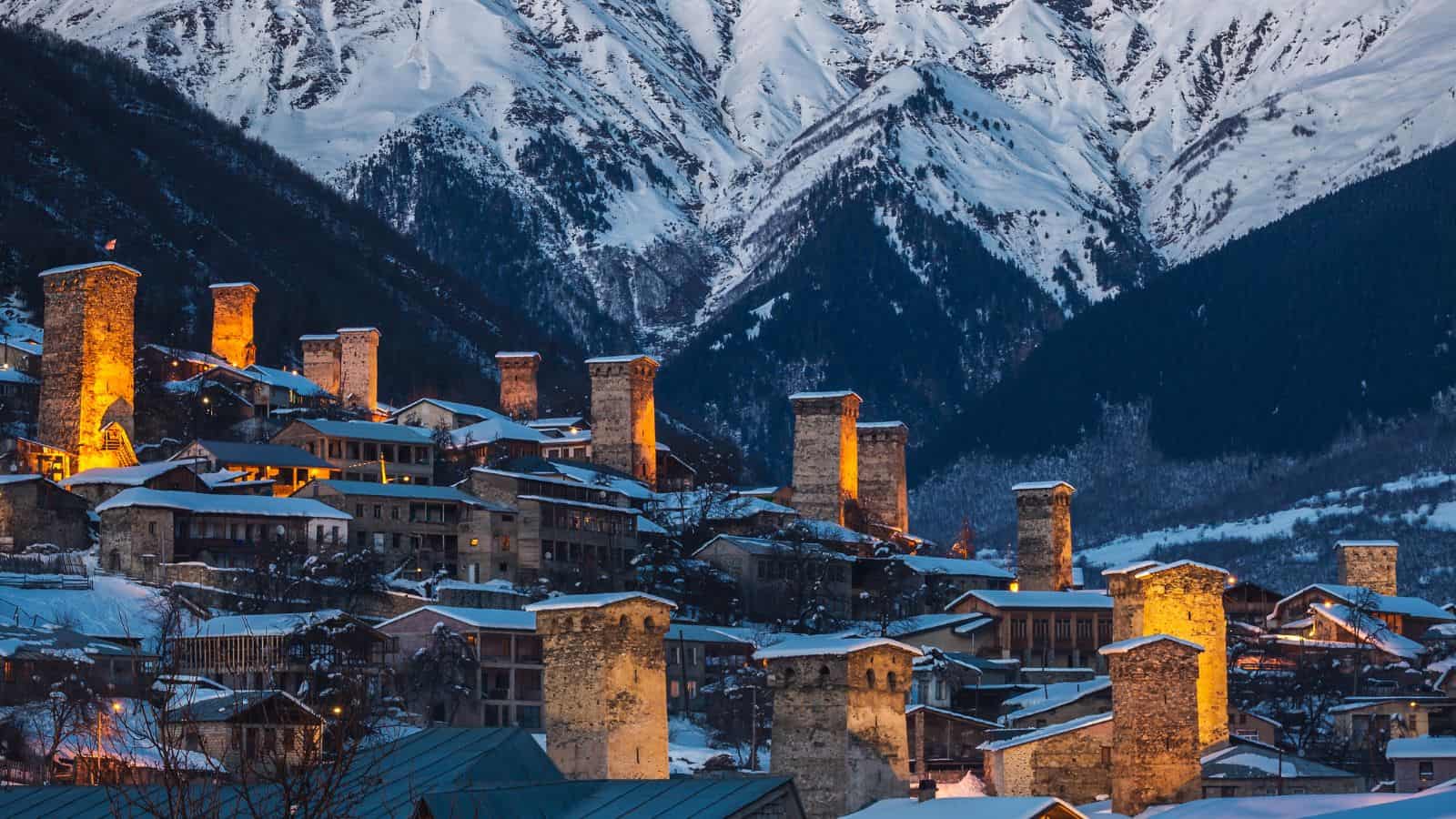
Svaneti is not just remote, it’s defiant. Towering above 2,000 meters, this highland region in Georgia is known for its fortress-like villages and defensive stone towers built centuries ago. Locals, proud Svans, are intensely protective of their traditions and land. The haunting beauty of its glaciers, forests, and UNESCO heritage sites remains largely unseen, not because it’s inaccessible, but because the community prefers to share it on their terms.
Ilha das Couves, Brazil

Just off the coast of São Paulo state, Ilha das Couves is a small, densely vegetated island with two dreamy beaches and transparent water ideal for snorkeling. In recent years, its beauty drew too much attention. The locals, witnessing the environmental strain, limited daily visitors and pushed for preservation efforts. It’s a rare case of a destination taking a step back to preserve what made it special in the first place.

Deborah Montiero is a seasoned travel writer and contributor to Probe the Globe. With a passion for uncovering hidden gems and sharing immersive travel experiences, Deborah’s work highlights must-visit destinations, insider tips, and practical advice for travelers of all types. Whether exploring bustling cities or remote escapes, her articles are crafted to inspire and inform, making her a trusted voice in the travel community.
Her storytelling weaves together cultural insights, logistical tips, and authentic experiences, making her a valuable resource for readers seeking unforgettable journeys.
When not writing, Deborah is likely researching the latest travel trends or planning her next adventure. Follow her work on Probe the Globe for fresh perspectives and up-to-date travel inspiration.