21 Fairground Attractions That Are Now Ghost Towns
Across the landscape of U.S. travel, there are stories buried beneath rusting steel beams, silent ticket booths, and abandoned midway lights. Once filled with laughter and crowds, many fairground attractions have been left to time, weather, and fading memories. These places hold a unique kind of melancholy charm, offering glimpses into the entertainment culture of past decades. The following article explores these forgotten destinations in 21 Fairground Attractions That Are Now Ghost Towns.
Coney Island’s Abandoned Pier Sections
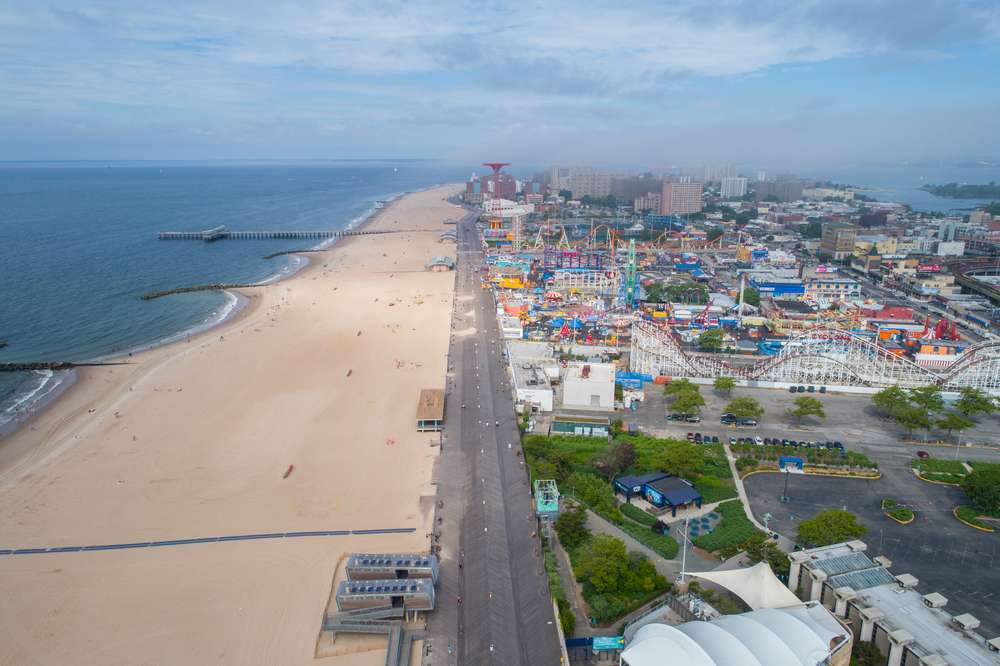
Parts of Coney Island once bustled with carnival rides and cotton-candy stands, but several sections have fallen into disuse over the years. Although the main boardwalk lives on, older attractions beyond repair were left behind, gradually turning into skeletal reminders of the area’s golden era. Travelers exploring spots beyond the main crowds can feel a haunting quiet, a stark contrast to the famous New York energy. This divergence from the modern park areas shows how even legendary sites can shift and fade.
Joyland Amusement Park, Kansas

Joyland in Wichita was once a beloved stop for families enjoying U.S. travel through the Midwest. It closed due to financial struggles and damage from storms, leaving behind a once-iconic wooden roller coaster and eerie clown-themed décor. The park became a haunting symbol of changing recreational tastes, as newer attractions elsewhere outcompeted it. Today, the remaining structures create an atmospheric location for urban explorers and historians.
Lincoln Park, Massachusetts

Lincoln Park operated for decades as a key community gathering spot before closing after a tragic roller-coaster accident and mounting financial difficulties. Walkthroughs reveal empty concession stands and rusting tracks creeping through overgrown forest. It’s an unsettling yet fascinating look at how quickly amusement trends evolve in the U.S. tourism scene. The remaining architecture offers powerful visual reminders of its once-lively summers.
Six Flags New Orleans

Perhaps one of the most famous abandoned amusement parks in the U.S., Six Flags New Orleans was destroyed by Hurricane Katrina in 2005. Water damage and structural collapse made reopening impossible, leaving behind towering coasters frozen in time. The quiet expanse contrasts sharply with the vivid energy it once radiated. For travelers interested in abandoned American landmarks, this location remains an unforgettable example of nature’s overwhelming force.
Enchanted Forest, Maryland
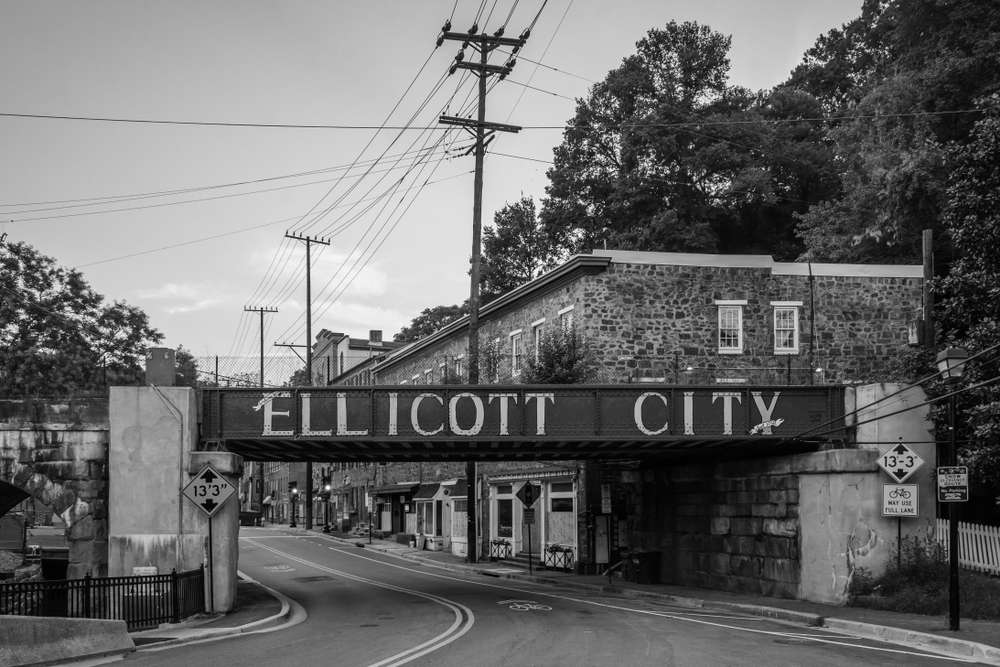
This fairytale-themed attraction brought classic storybook characters to life for mid-20th-century families. Today, fiberglass sculptures and aging castle façades sit silently in the woods, creating a surreal atmosphere. Some pieces were relocated to nearby farms or community spots, but the original grounds maintain an eerie charm. Its history provides insight into changing entertainment preferences across U.S. travel destinations.
Williams Grove Amusement Park, Pennsylvania

With roots in the 1850s, Williams Grove once hosted picnics, rides, and annual fairs. After economic decline, the park closed, leaving its wooden coaster and fairground infrastructure deteriorating in open fields. Wandering the property reveals a blend of historical layers, from horse-racing remnants to mid-century ride designs. It’s a captivating abandoned stop for travelers fascinated by American recreational history.
Dogpatch USA, Arkansas
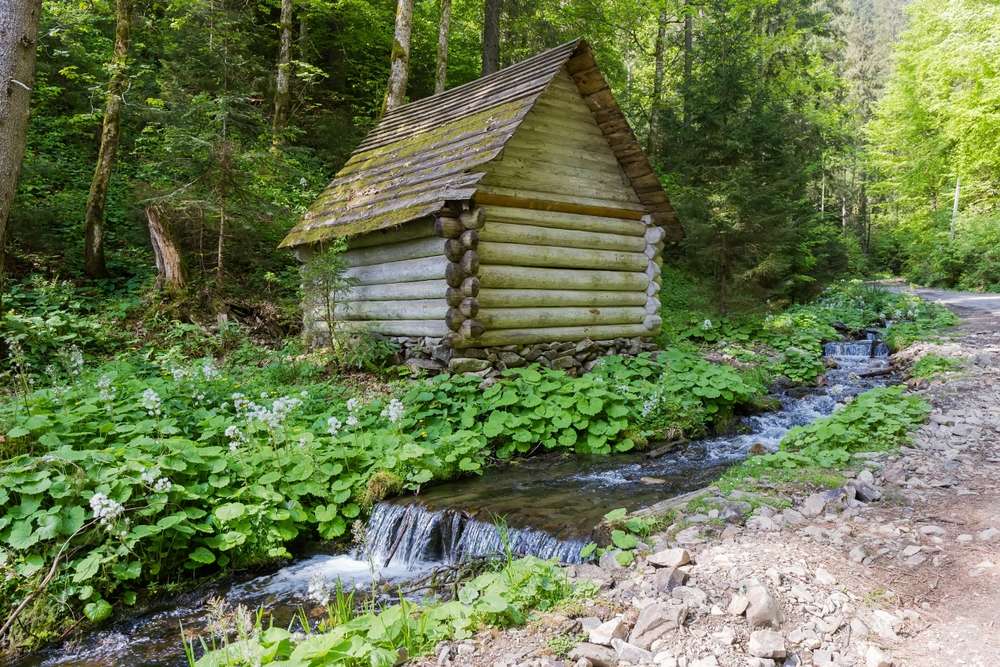
The Ozark Mountains once hosted this theme park based on the popular “Li’l Abner” comic strip. After years of financial problems and inconsistent management, it shut down and became one of the most photographed ghost-town attractions in the South. Today, weathered cabins, broken animatronics, and fading signboards linger throughout the property. The site symbolizes the unpredictable rise and fall of themed entertainment in U.S. tourism.
Lake Shawnee Amusement Park, West Virginia
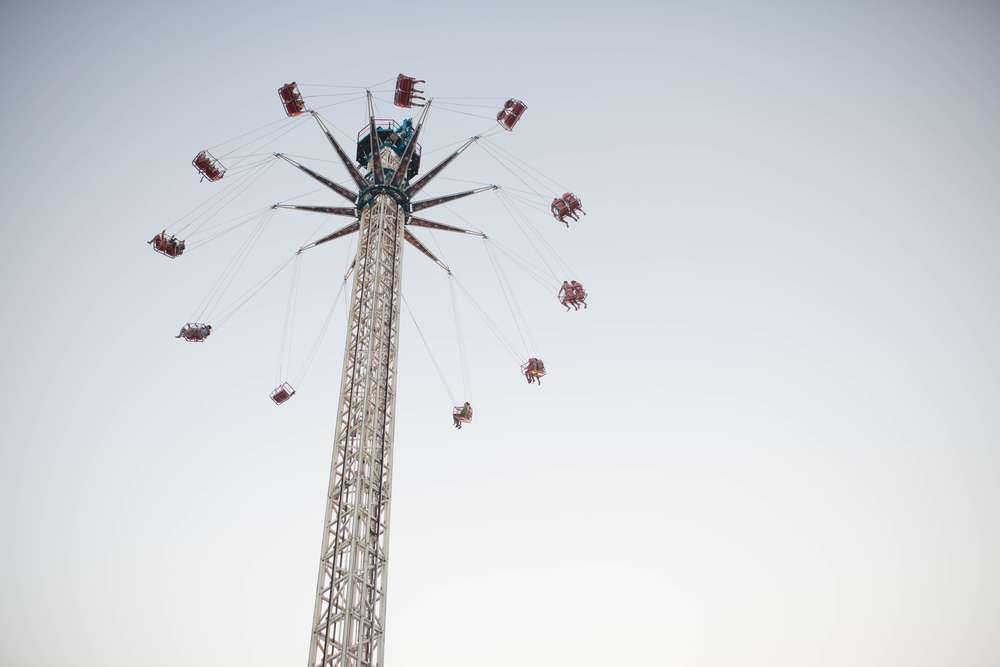
This park sits atop land with a storied and tragic past, and it eventually closed following several accidents. The abandoned Ferris wheel and swing ride tower eerily over the fields, especially visible during foggy mornings. Paranormal enthusiasts often travel to the site believing it to be one of the most haunted places in American fairground history. Its unsettling calm draws those fascinated by mysterious destinations.
Geauga Lake, Ohio

Once one of the largest amusement parks in the Midwest, Geauga Lake suffered from corporate changes and increased competition. Over time, closures left behind vast concrete plots, skeletal ride supports, and exposed foundations. Even though redevelopment has begun, parts of the former park still appear like a ghostly shell of the past. For those exploring U.S. travel history, it stands as a case study in overexpansion and nostalgia.
Fun Park Amusement Center, Georgia

This small Southern park thrived for local families before economic downturns forced it to shut down. Today, its bumper-car arena, go-kart tracks, and faded paintball structures stand untouched. The land illustrates how smaller amusement centers struggled against larger national competitors. For travelers passing through the region, the site represents a quieter chapter of American recreation history.
Magic Springs’ Old Expansion Zones, Arkansas

Before its revitalization, certain zones of Magic Springs were left abandoned for years. These silent sectors, with unused platforms and outdated signage, once held experimental attractions. Although the main park is active again, the forgotten areas show how expansions can falter. U.S. travel enthusiasts exploring Arkansas may notice the contrast between renewed portions and older remnants.
Frontier City’s Former Areas, Oklahoma

Long before Frontier City’s modern upgrades, several older sections were left unused or abandoned temporarily. Wooden facades, silent prop shops, and empty stunt-show platforms give glimpses into its past. Many travelers don’t realize how many iterations the park underwent to survive. These dormant spaces illustrate the ongoing evolution of American theme-park culture.
Wonderland Amusement Park, Connecticut

Opened in the early 20th century, Wonderland was once a grand attraction featuring rides, arcades, and seasonal festivals. Fires, financial issues, and shifting public interests eventually led to its closure. Today, little remains except scattered foundations and historical markers, leaving a ghost-town aura around the old grounds. Its decline mirrors many early American amusement ventures that struggled to adapt.
Chippewa Lake Park, Ohio

Chippewa Lake Park operated for a century before shutting down in the late 1970s. For decades afterward, its rides stood untouched, swallowed slowly by trees and vines. Photographers often visited to capture decaying roller-coaster frames and eerie carousel remnants. The site reveals how nature reclaims even the most vibrant entertainment destinations in U.S. travel history.
The Land of Oz, North Carolina

Although partially revived for annual events, several sections of this Wizard-of-Oz-themed park remain inactive. Cracked yellow-brick pathways and aging props create a surreal atmosphere far removed from the cheerful film. Travelers touring the Blue Ridge region often find its mixture of activity and abandonment uniquely compelling. These contrasts reflect shifting tourism patterns in the Appalachian area.
Miracle Strip Amusement Park Remnants, Florida
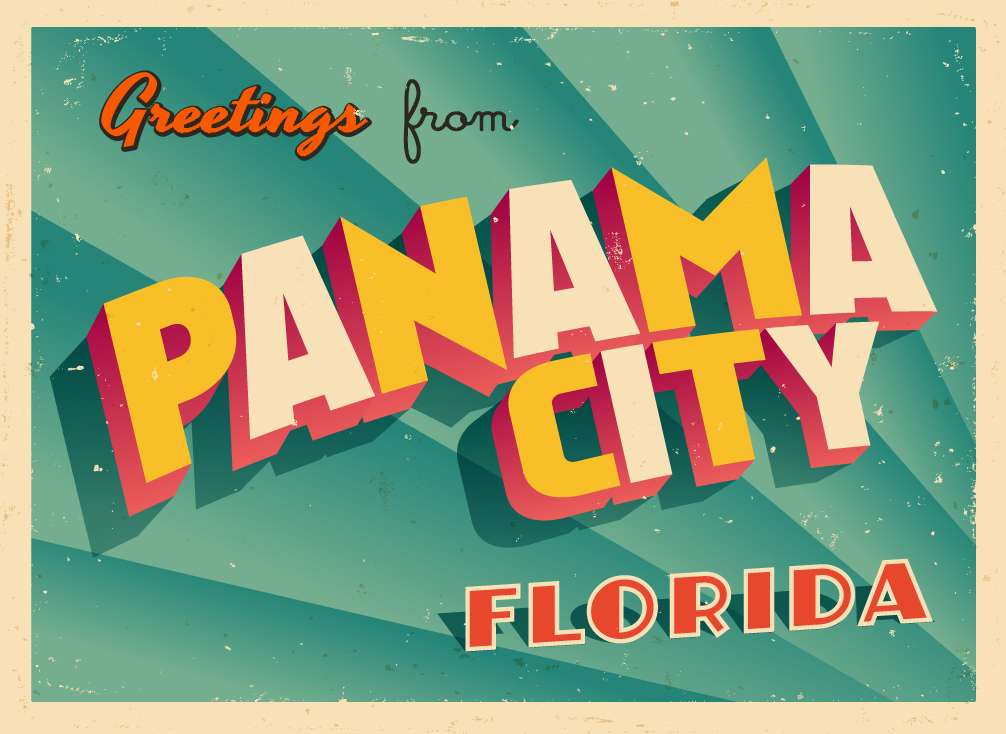
Once a staple of Panama City Beach vacations, Miracle Strip closed twice before its final decline. Some attractions were relocated, but scattered remnants remain around the region. Residents still recall the Screaming Dragon coaster and the Starliner wooden ride. For U.S. travel enthusiasts, these fragments highlight how coastal tourism evolves rapidly over time.
Holy Land USA, Connecticut

Though not a traditional amusement park, this biblical-themed attraction functioned similarly for decades. After closing, its aging statues, murals, and structures gradually transformed into a haunting hillside ghost town. Visitors sometimes explore the area hoping to glimpse the artistic craftsmanship that once drew crowds. Its current quiet state contrasts sharply with its lively mid-century heyday.
Skyline Park Sections, Colorado
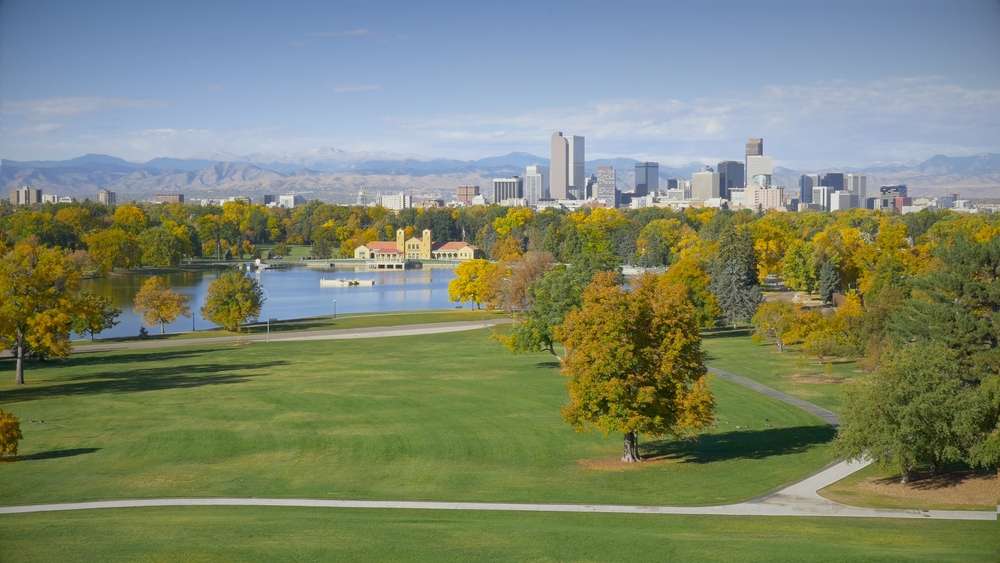
Before being replaced by modern development, parts of Denver’s Skyline Park served as a small urban amusement area. The old mini-rides and entertainment zones have since become ghostly memories beneath newer architecture. Some faint traces remain around the district, reminding residents of the city’s playful past. This shift shows how urban growth can erase entire recreational landscapes.
The Pike’s Old Midway, California
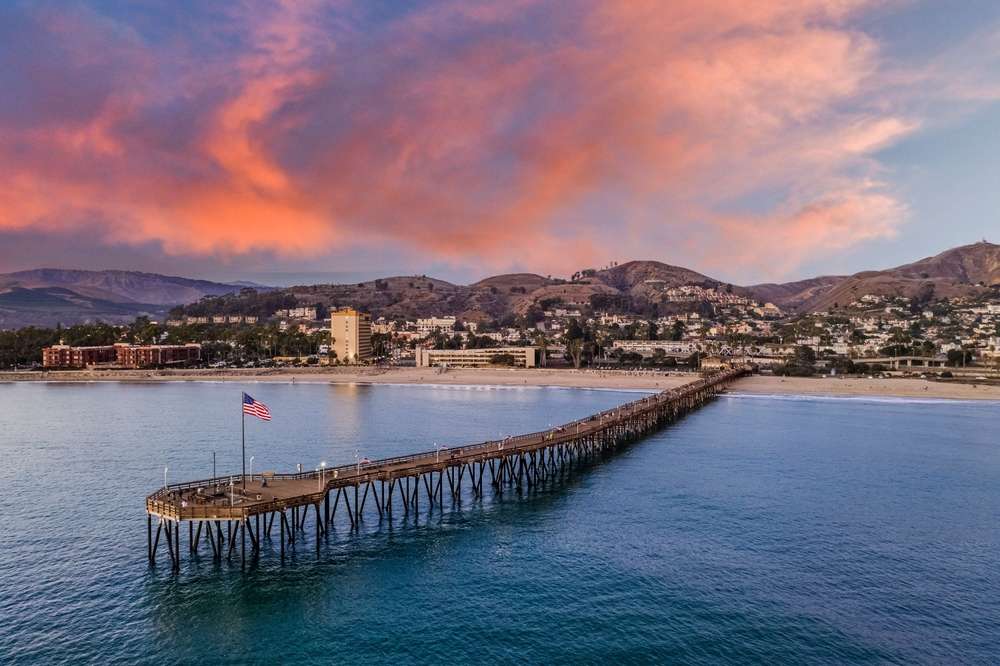
Long Beach’s historic amusement zone once drew crowds with lively boardwalk shows, rides, and arcades. After the area declined, large portions were demolished or abandoned, leaving scattered relics behind. Travelers interested in California’s maritime entertainment past still seek out surviving fragments. The Pike’s transformation reflects the broader shift from traditional boardwalk amusements to modern waterfront development.
Old Lagoon Park Sections, Utah
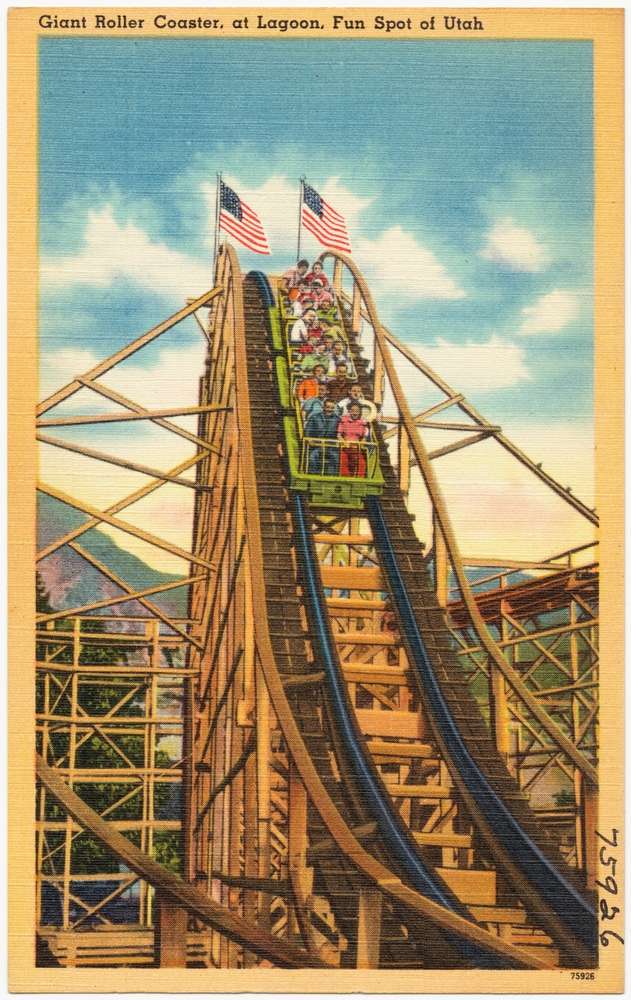
Before major renovations, Lagoon had several older sections that fell into disrepair. Aging attractions and empty buildings once sat quietly behind active areas, forming an unofficial ghost-town zone. These forgotten parts remind visitors how long the park has been evolving. For U.S. travel researchers, they reveal the layered history beneath today’s polished rides.
Santa’s Village , California
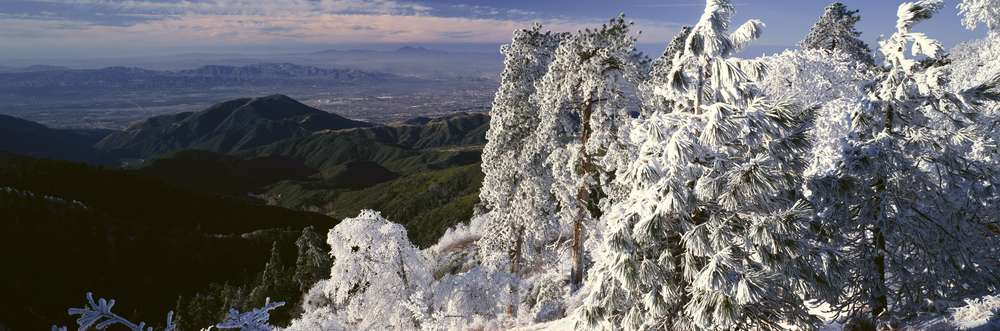
Santa’s Village near Lake Arrowhead operated for decades before closing and partially reopening in a new format. Some original structures were left abandoned for years, including workshops, themed cottages, and forest pathways. These remnants became popular with explorers who enjoyed the strange contrast between holiday décor and silence. Today, the ghost-town portions preserve a nostalgic chapter of American theme-park tradition.

Deborah Montiero is a seasoned travel writer and contributor to Probe the Globe. With a passion for uncovering hidden gems and sharing immersive travel experiences, Deborah’s work highlights must-visit destinations, insider tips, and practical advice for travelers of all types. Whether exploring bustling cities or remote escapes, her articles are crafted to inspire and inform, making her a trusted voice in the travel community.
Her storytelling weaves together cultural insights, logistical tips, and authentic experiences, making her a valuable resource for readers seeking unforgettable journeys.
When not writing, Deborah is likely researching the latest travel trends or planning her next adventure. Follow her work on Probe the Globe for fresh perspectives and up-to-date travel inspiration.