22 Desert Spots That Look Empty Until You Realize They Aren’t
The American desert has a way of playing tricks on perception. Vast horizons, muted colors, and long stretches of silence can make these landscapes appear completely empty at first glance. But spend enough time looking closer, and you’ll realize many desert destinations are layered with hidden life, history, and unexpected activity. From ancient cultures to modern communities and natural phenomena, these places are far more complex than they seem, as explored in 22 Desert Spots That Look Empty Until You Realize They Aren’t.
Death Valley National Park
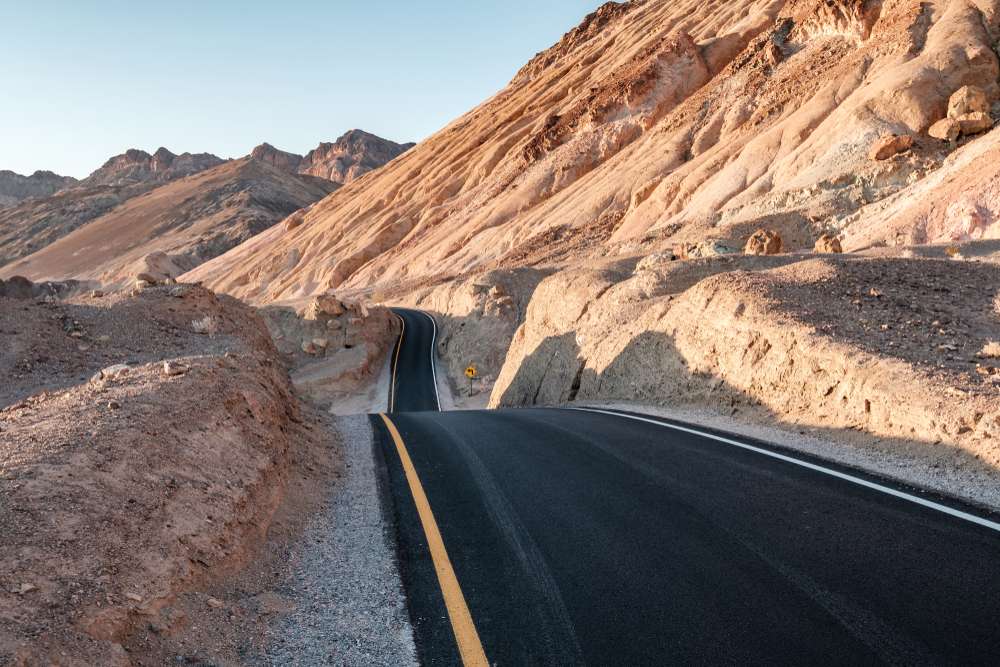
Death Valley often tops lists of the most desolate places in U.S. travel guides, thanks to its extreme temperatures and salt flats that stretch endlessly into the distance. Yet beneath that stark surface lies surprising diversity, from seasonal wildflower blooms to wildlife adapted to harsh conditions. Historic mining sites, ongoing scientific research, and a steady flow of travelers make this desert far from abandoned. Even its quiet moments hum with geological activity and hidden ecosystems.
White Sands National Park
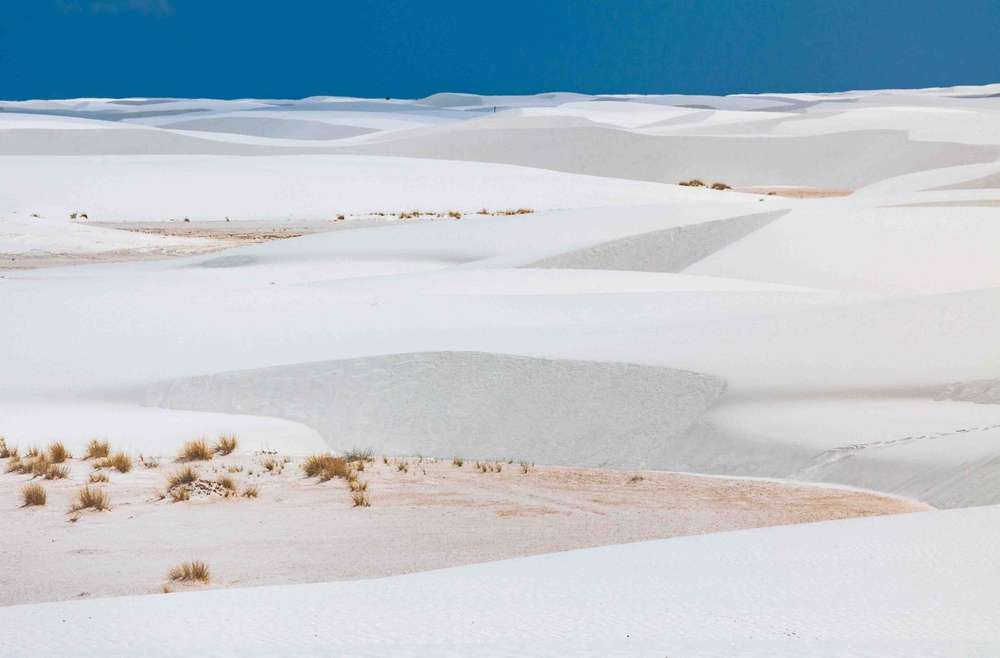
At first glance, White Sands looks like an endless expanse of untouched white dunes, almost alien in appearance. What many visitors don’t realize is that this gypsum desert supports specialized plants, insects, and animals found nowhere else. Military testing areas nearby, ongoing conservation work, and a constant presence of photographers and hikers give this seemingly empty space a surprisingly active role in U.S. travel and environmental research.
Mojave Desert

The Mojave Desert appears vast and vacant when viewed from a highway, but it’s one of the most biologically diverse deserts in North America. Joshua trees, desert tortoises, and resilient mammals thrive here, alongside historic Route 66 towns and military installations. Renewable energy projects and outdoor recreation areas further add layers of human presence, making this desert a living, evolving landscape rather than a barren void.
Painted Desert

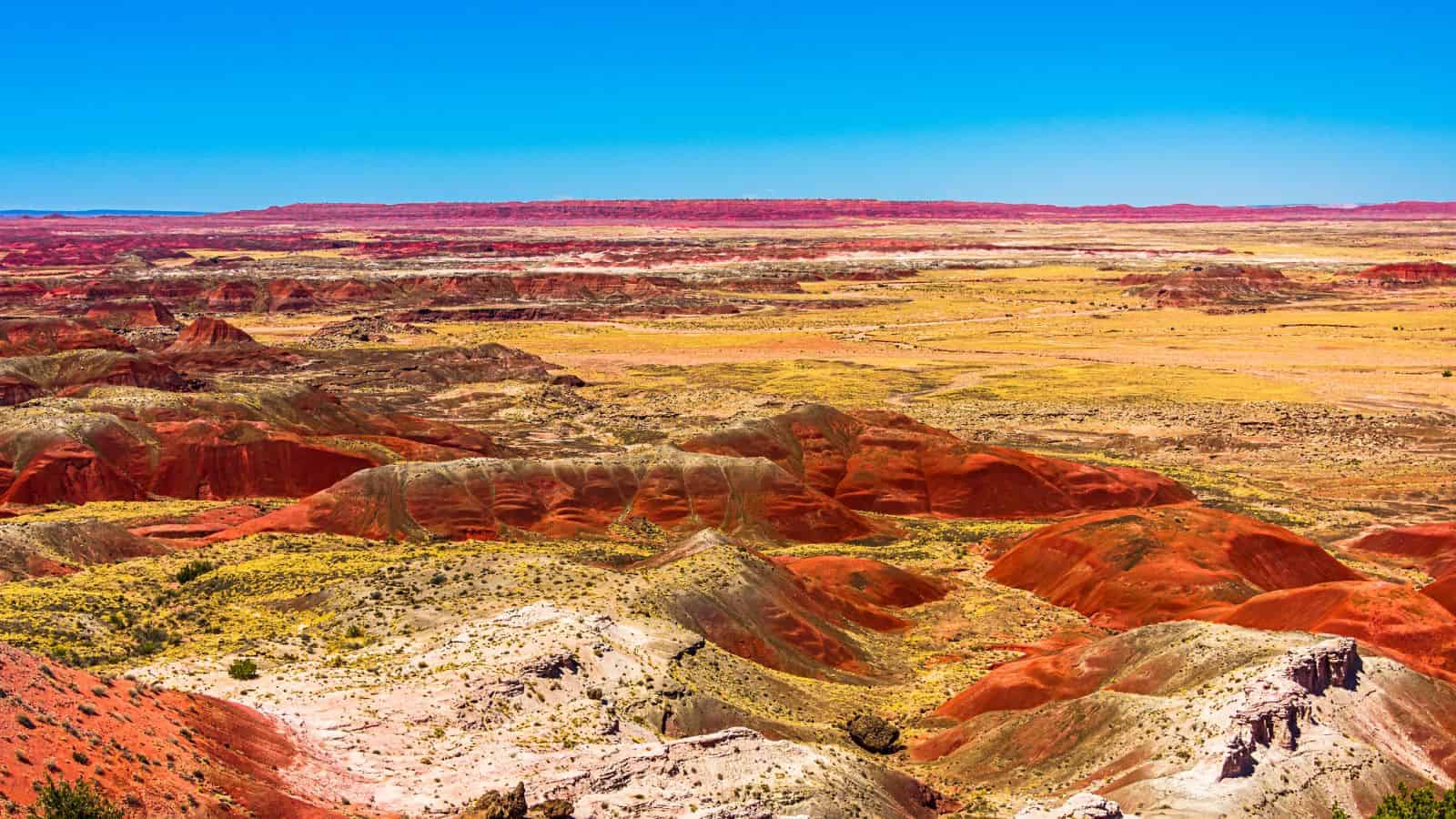
The Painted Desert’s sweeping bands of red, purple, and gray can feel untouched and silent. Look closer, and you’ll find deep connections to Indigenous history, fossil beds, and ongoing archaeological research. Located within a protected national park area, it attracts geologists, photographers, and travelers drawn to its unusual formations. The stillness hides centuries of human and natural activity beneath the surface.
Sonoran Desert

With its iconic saguaro cacti and sun-washed terrain, the Sonoran Desert often looks like pure open space. In reality, it’s one of the most ecologically rich deserts in the world. Urban centers, hiking trails, research stations, and wildlife corridors all coexist here. This balance of development and preservation makes the Sonoran Desert a key destination in U.S. travel focused on desert exploration.
Anza-Borrego Desert State Park
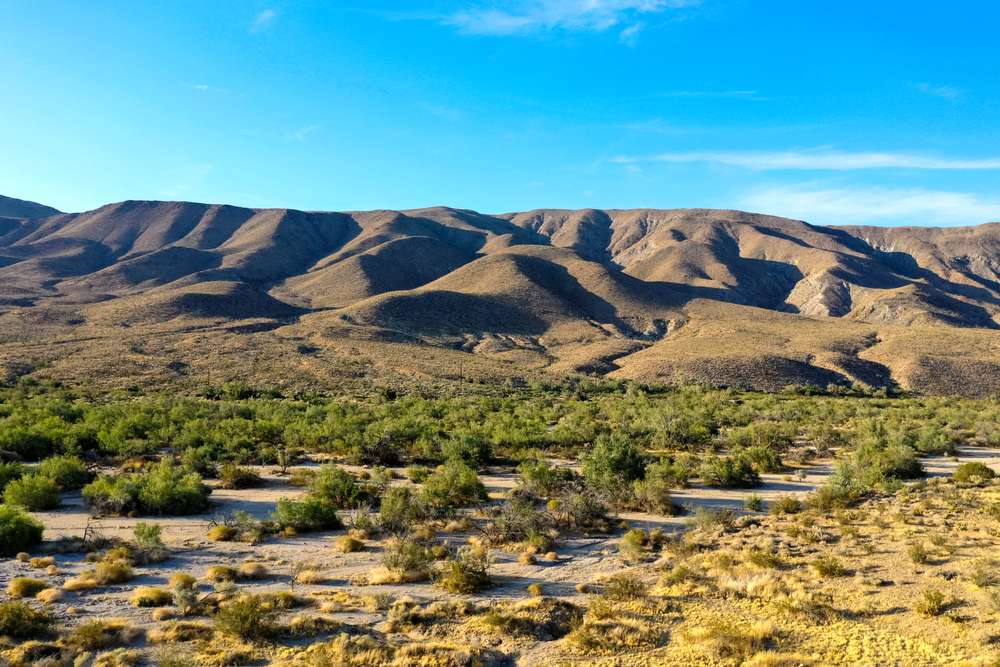
Anza-Borrego’s wide valleys and rocky ridges can appear completely empty from afar. Yet seasonal wildflowers, bighorn sheep, and migratory birds transform the landscape throughout the year. Hidden palm oases and small communities add human presence without overwhelming the terrain. Artists, hikers, and astronomers are drawn here, proving this desert is quietly active beneath its calm exterior.
Black Rock Desert

For much of the year, Black Rock Desert feels like an endless flat of cracked earth and sky. Then suddenly, it becomes one of the most populated places in Nevada during major cultural events. Even outside those times, scientists, land speed racers, and solitude-seekers frequent the playa. Its emptiness is temporary, making it one of the most deceptive desert landscapes in U.S. travel.
Great Basin Desert
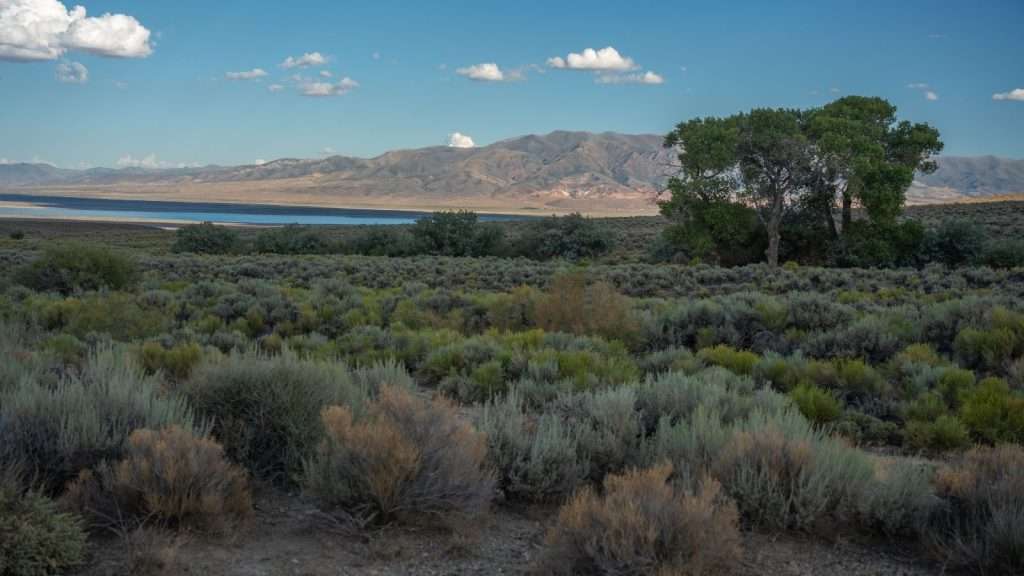
The Great Basin Desert is often overlooked because it lacks dramatic sand dunes. However, it supports mountain ranges, salt flats, ranching communities, and ancient bristlecone pines. Remote towns, wildlife habitats, and astronomical observatories give this region ongoing activity. What appears empty is actually a complex high-desert ecosystem shaped by elevation and climate.
Imperial Sand Dunes

From a distance, the Imperial Sand Dunes look like endless waves of untouched sand. In reality, they’re a hub for off-road recreation, wildlife conservation, and borderland history. Seasonal closures protect species while drawing attention to how much life exists in the dunes. This area plays a major role in U.S. travel for adventure seekers and desert enthusiasts.
Valley of Fire State Park

Valley of Fire’s dramatic red sandstone formations feel ancient and empty, especially during quieter hours. But petroglyphs carved thousands of years ago reveal long-standing human presence. Modern visitors, researchers, and conservationists continue to engage with the land. Its silence is layered with stories, making it far more populated through time than it appears.
Chihuahuan Desert

The Chihuahuan Desert stretches across vast portions of the Southwest and initially feels endless and unoccupied. Yet it’s home to cities, ranches, protected parks, and a wide range of plant and animal life. Cross-border ecosystems and trade routes further highlight its importance. This desert quietly supports millions of lives across the U.S. travel landscape.
Badwater Basin
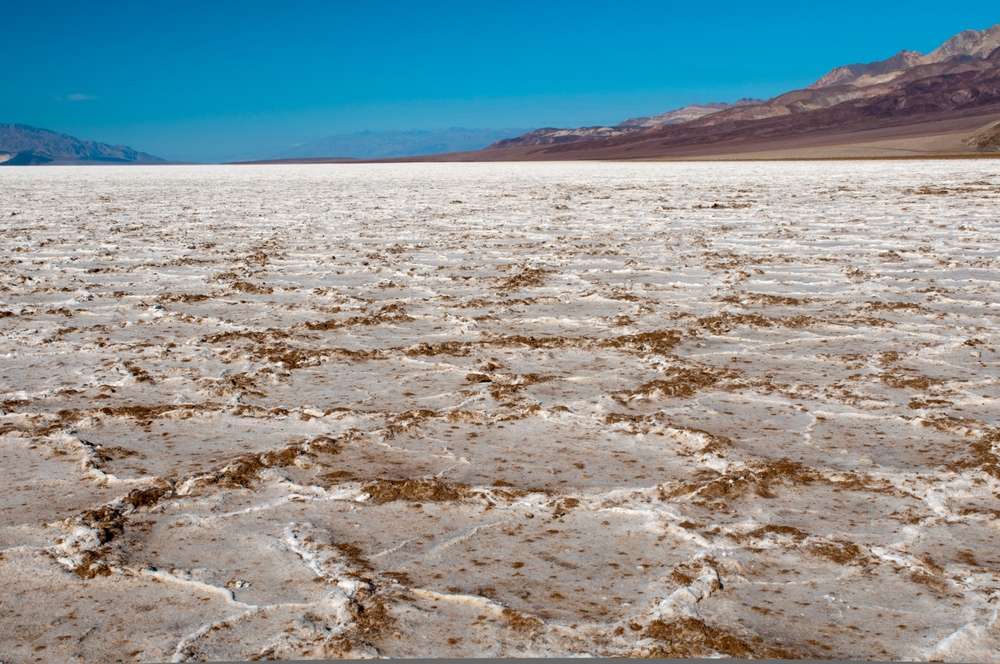
Badwater Basin looks like a lifeless salt pan, shimmering under intense sun. Despite appearances, microbial life exists beneath the crust, and seasonal water brings subtle changes. Scientists, photographers, and curious travelers regularly visit this lowest point in North America. Its seeming emptiness hides ongoing natural processes that continue to shape the land.
Desert Center

Desert Center appears nearly abandoned when driving through, with long stretches of road and sparse buildings. Yet it has a rich military history and continues to serve travelers passing through the region. Infrastructure, maintenance crews, and desert researchers maintain a quiet presence. This stop illustrates how desert settlements often operate just below the surface.
Algodones Dunes

Algodones Dunes may look empty outside peak seasons, but they’re heavily managed for recreation and conservation. Endangered species habitats coexist with off-highway vehicle areas. Rangers, scientists, and visitors ensure constant activity. The dunes shift daily, creating a landscape that is never truly still or unoccupied.
Owyhee Desert

Owyhee Desert’s remote plateaus and canyons give it an untouched appearance. However, ranching operations, wildlife migration routes, and geological research are ongoing here. Indigenous history also plays a significant role in shaping the region. Its isolation masks a long record of human and ecological interaction.
San Rafael Desert

The San Rafael Desert looks like pure open space, defined by rock formations and silence. But hidden trails, historic routes, and ongoing land management efforts reveal constant engagement. Outdoor recreation and conservation coexist carefully in this rugged area. It’s a reminder that desert activity doesn’t always announce itself loudly.
Amargosa Desert

The Amargosa Desert feels forgotten, yet it supports rare wetlands, small communities, and wildlife refuges. Underground water systems sustain surprising biodiversity. Artists, researchers, and travelers pass through regularly. This desert thrives quietly, defying assumptions of emptiness.
Gran Desierto de Altar

On the U.S. side of this massive dune field, the land looks endless and silent. Border ecology studies, conservation efforts, and migration patterns reveal constant movement. Natural forces reshape the dunes daily. Its vast scale makes human presence feel small, but not absent.
Red Desert

Wyoming’s Red Desert is often mistaken for unused land. In reality, it hosts wildlife corridors, energy development, and historic trails. Wild horses roam freely, and seasonal changes bring bursts of life. This high desert plays a significant role in western U.S. travel narratives.
Sevier Desert

Sevier Desert’s flat expanses suggest total emptiness. Yet irrigation projects, agricultural research, and transportation routes keep it active. Its appearance masks economic and environmental systems at work. Like many deserts, activity here blends into the landscape rather than standing out.
Carrizo Plain

Carrizo Plain can look abandoned for most of the year. Then seasonal blooms transform it into a vibrant ecosystem. Wildlife monitoring, conservation programs, and travelers seeking open space maintain its relevance. The plain proves deserts can shift dramatically between quiet and alive.
Alvord Desert
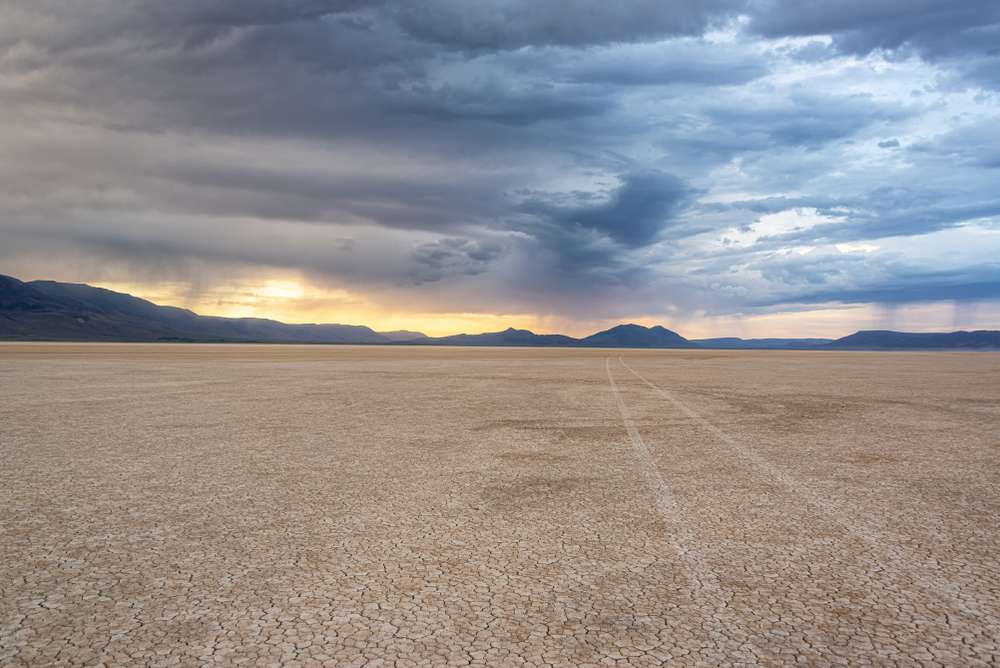
Alvord Desert’s dry lakebed feels like the definition of empty space. Yet campers, scientists, and explorers regularly occupy the area. Geothermal activity nearby adds unseen motion beneath the surface. Its stillness is deceptive, shaped by forces both human and natural.

Deborah Montiero is a seasoned travel writer and contributor to Probe the Globe. With a passion for uncovering hidden gems and sharing immersive travel experiences, Deborah’s work highlights must-visit destinations, insider tips, and practical advice for travelers of all types. Whether exploring bustling cities or remote escapes, her articles are crafted to inspire and inform, making her a trusted voice in the travel community.
Her storytelling weaves together cultural insights, logistical tips, and authentic experiences, making her a valuable resource for readers seeking unforgettable journeys.
When not writing, Deborah is likely researching the latest travel trends or planning her next adventure. Follow her work on Probe the Globe for fresh perspectives and up-to-date travel inspiration.