20 Creepy Statues Around the World That People Swear Move
Travel has a way of turning ordinary landmarks into unforgettable experiences, especially when stories blur the line between folklore and fear. Across the world, statues meant to inspire reverence or beauty have developed unsettling reputations based on eyewitness accounts and local legends. Visitors often arrive expecting art and leave with a lingering sense of unease they can’t quite explain. These destinations continue to attract travelers who crave mystery, history, and the thrill of the unexplained in 20 Creepy Statues Around the World That People Swear Move.
Statue of the Virgin Mary – Lourdes, France

Some claim that while standing in prayer, the statue’s eyes seem to follow them, creating the unsettling feeling of being individually seen. Others describe subtle shifts in her expression during moments of intense prayer, saying her face appears softer, sorrowful, or momentarily radiant. These reports have circulated for decades, passed between visitors, clergy, and local guides rather than promoted as spectacle. Even travelers who arrive with skepticism often report unexpected emotional reactions, describing a deep sense of calm, vulnerability, or awe that lingers long after leaving the sanctuary.
The Screaming Mummy – Cairo, Egypt

Though technically a preserved body, its rigid display has sparked rumors of movement. Visitors claim the mouth opens wider at times. Museum staff dismiss the claims, but stories persist. It remains one of Egypt’s most unsettling exhibits.
The Black Madonna – Poland

Devotees claim the statue changes facial expression. Some report tears or subtle movement during ceremonies, particularly during moments of collective prayer. Scientific explanations remain debated, with scholars pointing to lighting, aging materials, and human perception, while believers view the changes as sacred signs. Pilgrims and travelers continue to share stories, often describing a powerful emotional presence that makes the experience feel deeply personal and unforgettable.
Annabelle Doll

The Annabelle Doll has become one of the most infamous objects in paranormal travel, particularly within the United States. Visitors at Warrens’ Occult Museum in Monroe, Connecticut, claim the doll’s posture appears slightly altered between viewings, even when sealed inside a protective case. Museum staff insist no changes occur, yet photos taken minutes apart often look inconsistent. Many travelers report a heavy feeling while standing near it, making this statue-like artifact a chilling stop for those drawn to eerie U.S. travel destinations.
La Pascualita – Chihuahua, Mexico

La Pascualita stands in the window of a bridal shop and looks uncannily human. Many locals believe the mannequin is actually the embalmed body of the shop owner’s daughter. Visitors swear her eyes follow them, her skin changes tone, and her hands appear more lifelike over time. Employees often refuse to touch the figure, claiming it moves slightly when no one is watching. For travelers interested in urban legends and creepy travel destinations, La Pascualita is one of Mexico’s most unsettling attractions.
The Black Angel-Baltimore, USA

The Black Angel looms over a quiet cemetery and has terrified visitors for decades. Locals warn against touching the statue, believing it brings illness or misfortune. Its darkened surface was originally light stone, leading many to believe it transformed unnaturally. Visitors frequently report the statue’s facial expression appearing harsher as they circle it, cementing its reputation as a creepy but unforgettable stop for U.S. travel enthusiasts.
The Bronze Horseman – Saint Petersburg, Russia

Legends say this massive equestrian statue comes alive during storms. Locals claim the horse’s stance changes slightly after lightning strikes. Some say the rider’s gaze shifts toward the city. The statue’s imposing presence fuels these long-standing beliefs. It remains a chilling sight for travelers exploring historic European capitals.
Weeping Woman Statue-London, England

The Weeping Woman statue has long been associated with reports of nighttime movement. Locals say the statue cries real tears during heavy fog and appears standing rather than kneeling after dark. While daylight reveals a traditional mourning figure, nighttime visits often feel unsettling. Many travelers quietly leave early, making this statue a powerful example of how perception and folklore shape Midwest travel experiences.
The Little Mermaid Statue-Copenhagen, Denmark
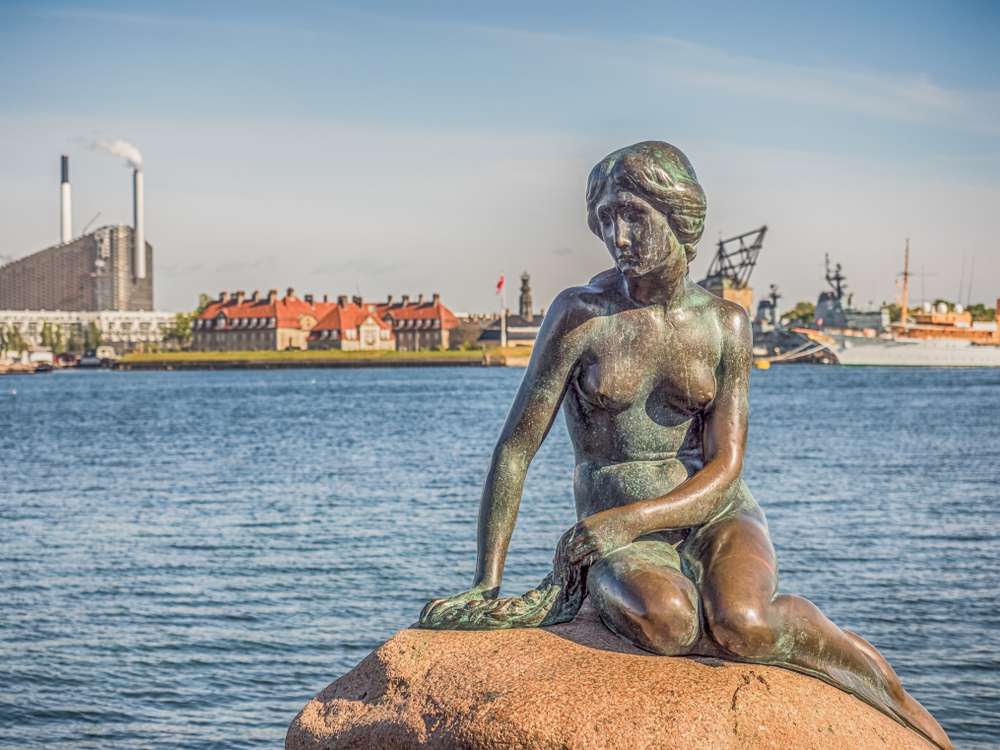
Visitors frequently report that the Little Mermaid’s gaze appears to change depending on lighting and time of day. Photos taken from the same angle often show subtle differences in expression. Locals dismiss the claims as imagination, but tourists remain unconvinced. The statue’s realism and solitude amplify the effect, making it a fascinating psychological case study in global travel folklore.
Statue of St. John Nepomuk – Prague, Czech Republic

This statue is said to bring luck when touched, but some claim it shifts position slightly overnight. Residents report differences in hand placement and facial expression. Whether wear or something else is responsible remains debated. Travelers fascinated by folklore often seek it out during European city tours.
Statue of Liberty– New York
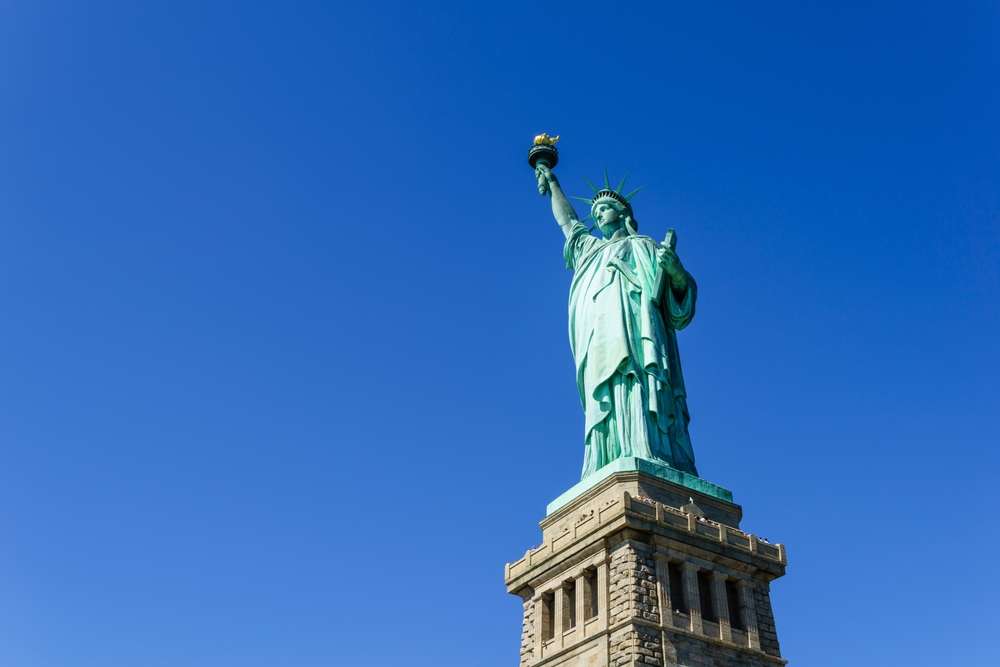
Some visitors believe the Statue of Liberty’s torch angle has changed over time. Old photographs fuel theories of subtle repositioning. Officials deny any movement, but travelers swear the statue feels different depending on approach. This adds an unexpected layer of eeriness to one of the most iconic U.S. travel landmarks.
Moai Statues–Easter Island

Local legends claim the Moai statues walk at night. Archaeological evidence suggests they were moved upright, reinforcing the myth. Visitors sometimes report noticing orientation changes between days. The statues’ scale and isolation intensify the sense that they possess awareness, making them a centerpiece of mysterious travel narratives.
Hachiko Statue–Tokyo, Japan

Some travelers believe the Hachiko statue changes direction late at night. Photos taken after midnight appear inconsistent, according to locals. Emotional attachment heightens perception, blurring reality and belief. This statue’s reputation adds an eerie layer to an otherwise heartwarming destination in cultural travel.
The Cristo Rey Statue – Cali, Colombia

Some visitors claim this towering statue’s eyes appear to open and close. Others report changes in posture during different times of day. Religious believers see it as a miracle, skeptics blame light and shadow. Either way, the stories draw curious travelers from around the world.
The Veiled Virgin – Rome, Italy

This marble statue appears so lifelike that visitors swear it breathes. Some claim the veil shifts subtly when no one is looking. Artists and tourists alike find it unsettling. It’s a powerful example of realism crossing into discomfort.
St. Wenceslas Statue-Prague, Czech Republic

Locals claim the horse beneath St. Wenceslas appears to stand differently in older photographs, sparking debates about whether the statue has shifted over time. Visitors often describe a sense of unease when standing directly below it, particularly during quiet early morning hours. While historians deny any physical changes, the persistence of these stories keeps the legend alive. The statue has become a lasting piece of urban folklore, blending national history with whispered claims of movement.
Lincoln Memorial Statue

Visitors frequently claim that Abraham Lincoln’s gaze follows them as they move across the memorial floor. While lighting and perspective explain much of the effect, the discomfort many people feel is undeniable. The sheer scale of the statue intensifies the sensation, making small shifts in shadow feel significant. This unexpected eeriness adds a subtle layer of unease to one of the most iconic U.S. travel landmarks, especially during quieter visiting hours.
Ishtar Gate Lions

Shadows cast by the Ishtar Gate lions create the illusion of movement, particularly as lighting changes throughout the day. Ancient symbolism surrounding protection and power heightens the imagination of visitors, many of whom report feeling uneasy while standing nearby. The lions’ detailed expressions seem to shift depending on distance and angle. This combination of history, artistry, and perception makes the statues a powerful example of how the human mind shapes travel experiences.
Pedro de Valdivia Statue-Santiago, Chile

Locals claim the statue of Pedro de Valdivia appears to turn slightly after heavy storms, a rumor that has circulated for generations. Officials deny any movement, attributing changes to lighting and restoration work. Despite this, photographs showing different orientations continue to circulate online. The conflicting explanations have made the statue a point of fascination for travelers interested in mysterious landmarks and unresolved urban legends.
The Eyes of Nefertiti

On display at Berlin’s Neues Museum, the famous bust of Queen Nefertiti is said to feel far less passive after closing time. Museum guards have claimed that while patrolling the gallery at night, her gaze appears to follow them as they move—an effect made even more unsettling by the bust’s lifelike realism and one missing pupil. Nothing has ever been caught on camera, but the uneasy sensation has been reported often enough that some staff quietly avoid being alone in the room after hours

Deborah Montiero is a seasoned travel writer and contributor to Probe the Globe. With a passion for uncovering hidden gems and sharing immersive travel experiences, Deborah’s work highlights must-visit destinations, insider tips, and practical advice for travelers of all types. Whether exploring bustling cities or remote escapes, her articles are crafted to inspire and inform, making her a trusted voice in the travel community.
Her storytelling weaves together cultural insights, logistical tips, and authentic experiences, making her a valuable resource for readers seeking unforgettable journeys.
When not writing, Deborah is likely researching the latest travel trends or planning her next adventure. Follow her work on Probe the Globe for fresh perspectives and up-to-date travel inspiration.