23 Canyons, Ravines, and Drop-Offs That Make Your Knees Weak
Deep canyons and dramatic drop-offs have a way of triggering awe and fear at the same time, especially for travelers who love landscapes that feel larger than life. Across the United States and beyond, these geological wonders challenge your sense of scale and test your comfort with heights, making them unforgettable stops on any adventure itinerary. From famous national parks to lesser-known natural marvels, these .23 Canyons, Ravines, and Drop-Offs continue to draw visitors seeking adrenaline, perspective, and brag-worthy views
Grand Canyon National Park
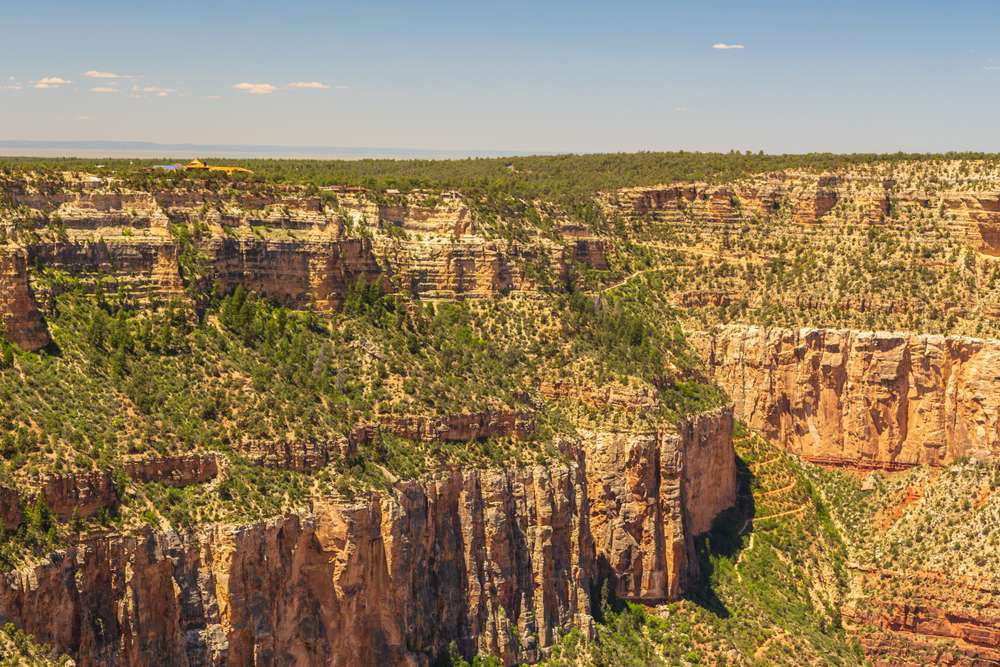
The Grand Canyon sets the global standard for dramatic drop-offs, with sheer cliffs plunging more than a mile to the Colorado River below. Standing at the rim can feel dizzying, even for experienced travelers. For U.S. travel enthusiasts, this iconic destination represents the raw scale of the American Southwest. Hiking trails, scenic overlooks, and vast distances amplify the sense of exposure, making the canyon both humbling and unforgettable.
Black Canyon of the Gunnison National Park
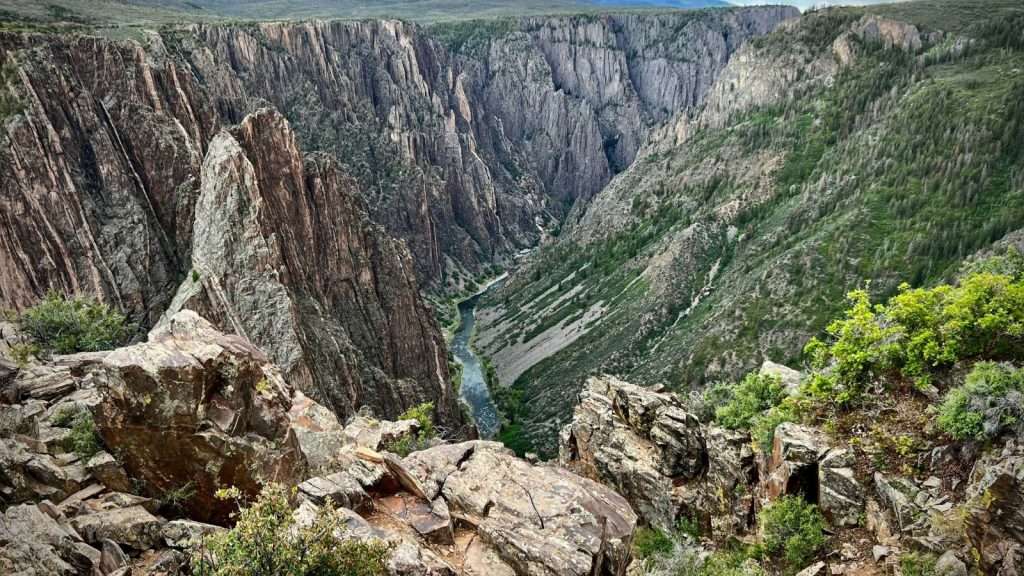
This canyon is narrower and steeper than many visitors expect, which intensifies the vertigo. The Gunnison River carved nearly vertical walls that drop abruptly, leaving little visual warning before the edge disappears. Popular among adventurous U.S. travelers, the Black Canyon feels intense and rugged, offering fewer guardrails and a more primal experience compared to larger parks. Its darkness and depth make it especially intimidating.
Zion National Park

Zion’s towering canyon walls rise almost straight up from the valley floor, creating a powerful sense of enclosure and height. Trails that follow cliff edges and narrow ridgelines add to the thrill. For Utah travel and national park road trips, Zion delivers heart-racing views paired with accessible hikes. Looking down from exposed overlooks often makes visitors instinctively step back from the edge.
Bryce Canyon National Park
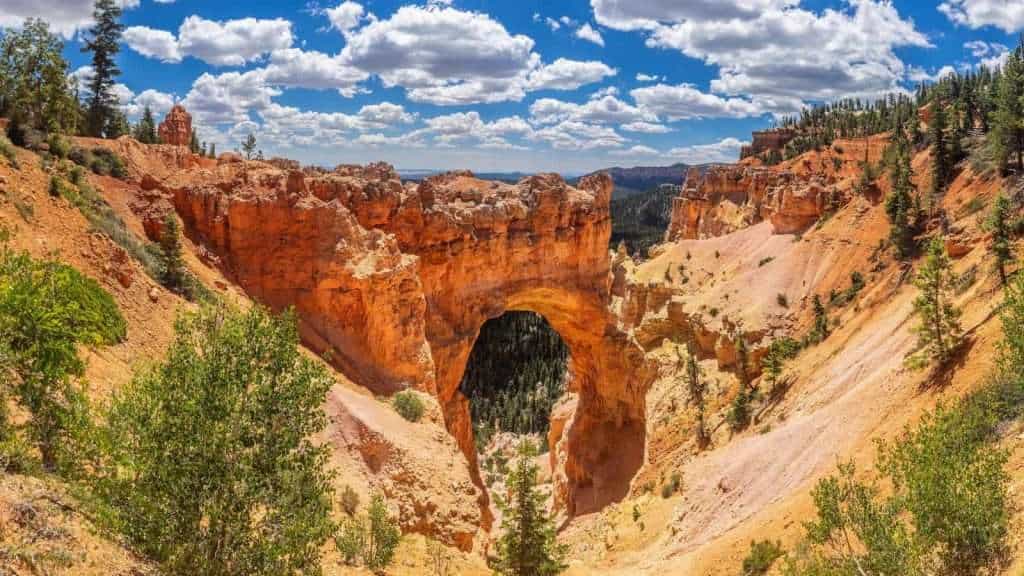
Bryce Canyon’s hoodoos form a maze of spires and steep drop-offs that feel almost unreal. While not as deep as some canyons, the abrupt edges and layered formations create strong visual drama. U.S. travel photographers love Bryce for its unique scenery, but standing near the rim can still make knees wobble as the ground seems to fall away unexpectedly.
Kings Canyon National Park

Kings Canyon rivals the Grand Canyon in depth, yet receives far fewer visitors. Its massive granite walls descend sharply, creating long, uninterrupted vertical views. For California travel seekers wanting epic landscapes without overwhelming crowds, Kings Canyon offers raw scale and dramatic elevation changes that can feel intimidating when viewed from above.
Yosemite National Park

Yosemite’s sheer cliffs, including some of the tallest in North America, create a powerful sense of exposure. Standing atop viewpoints overlooking Yosemite Valley reveals dramatic drop-offs that feel almost vertical. U.S. travel itineraries often highlight Yosemite for its beauty, but its heights also demand respect. The combination of waterfalls, granite walls, and deep valleys can make even confident hikers pause.
Waimea Canyon
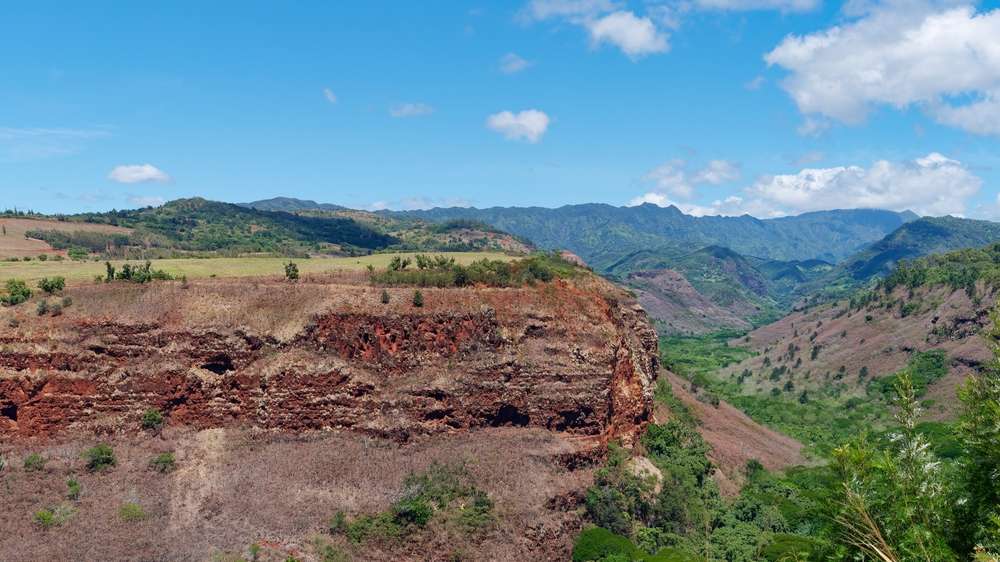
Often called the “Grand Canyon of the Pacific,” Waimea Canyon features deep red walls and sweeping drop-offs. Tropical weather and mist can obscure depth, making edges feel more dangerous. Hawaii travel usually focuses on beaches, but this canyon surprises visitors with its dramatic elevation changes. Overlooks offer breathtaking views that can feel unsettling when clouds roll through.
Canyonlands National Park
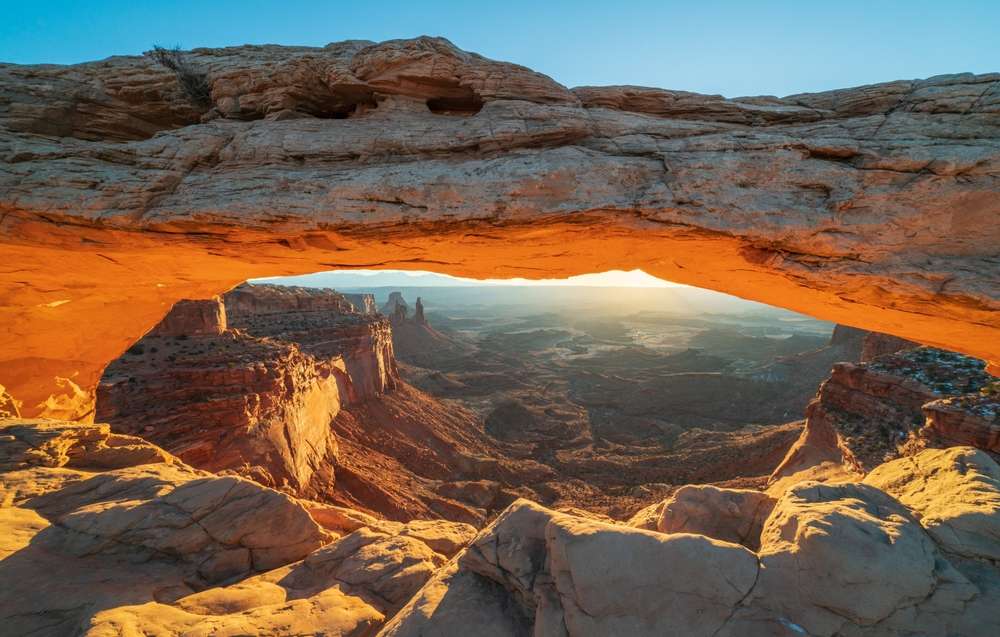
Canyonlands delivers vast, open drop-offs where cliffs seem to stretch endlessly into the distance. The park’s mesas and deep ravines create panoramic views that emphasize height and exposure. For U.S. adventure travel, Canyonlands feels wild and expansive, with fewer barriers separating visitors from sheer edges. The scale alone is enough to make knees feel unsteady.
Hells Canyon

Hells Canyon is the deepest river gorge in North America, cutting deeper than the Grand Canyon in some sections. Its steep, rugged walls descend rapidly to the Snake River below. U.S. road trip travelers often underestimate its scale until they stand at an overlook. The canyon’s isolation and depth combine to create a powerful sense of vertical drama.
Antelope Canyon
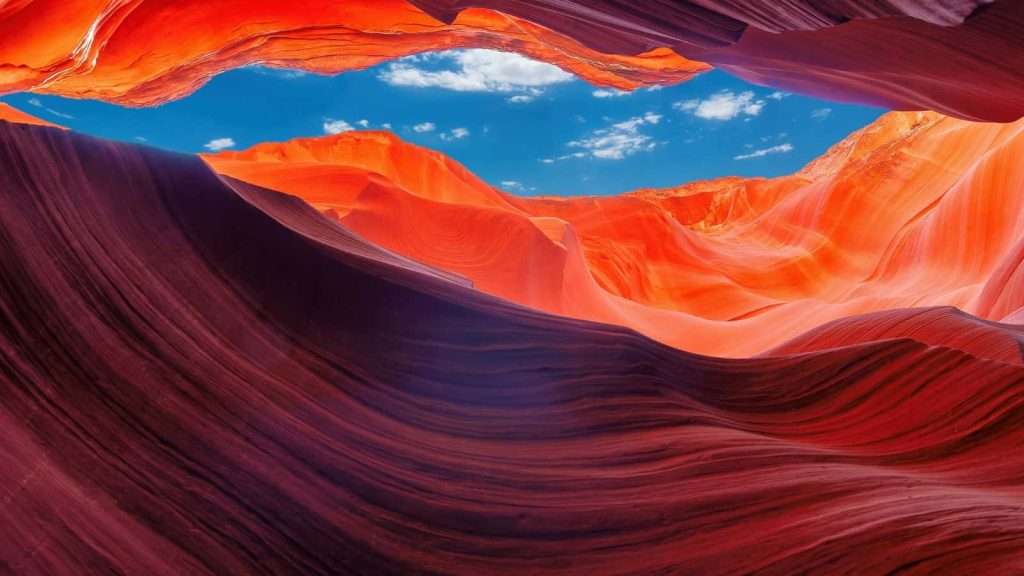
While narrower than many canyons, Antelope Canyon’s smooth walls and sudden depth create a claustrophobic yet awe-inspiring experience. Light beams highlight how quickly the canyon drops beneath your feet. For Arizona travel and photography-focused trips, Antelope Canyon delivers both beauty and subtle unease as the ground disappears into sculpted sandstone corridors.
Glen Canyon

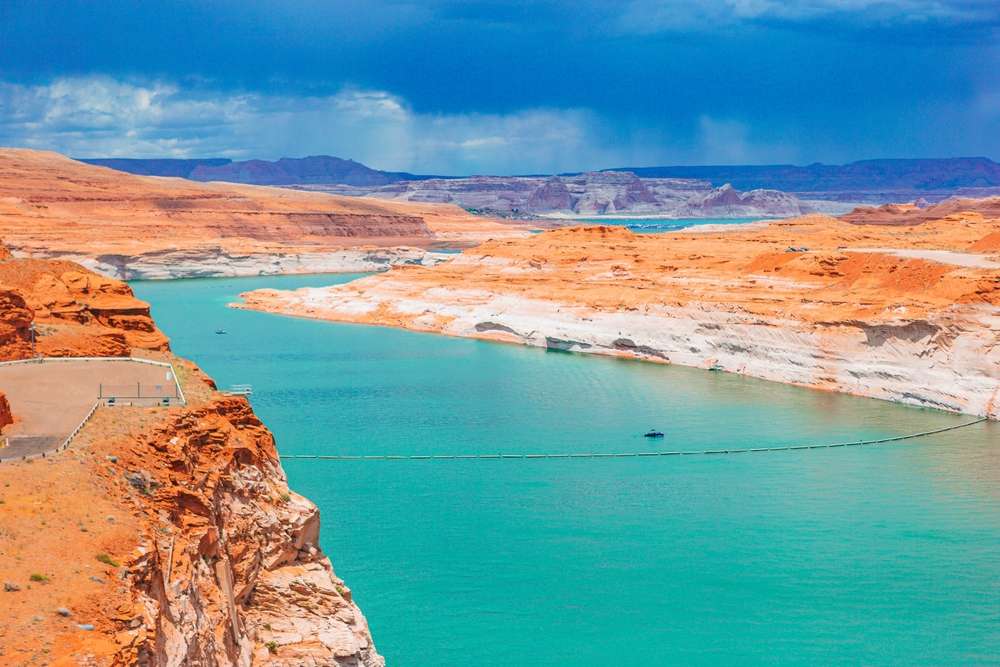
Glen Canyon features towering cliffs rising above winding waterways, with steep rock faces that plunge directly into the river. The contrast between calm water and dramatic walls intensifies the sense of height. U.S. travel itineraries centered on Lake Powell often overlook how intimidating these drop-offs can feel when viewed from above.
Colca Canyon

Colca Canyon is one of the deepest canyons in the world, with dramatic vertical drops that seem endless. Standing at viewpoints reveals layers of rock disappearing into shadow. International travelers often find the depth overwhelming, especially when condors glide effortlessly below eye level. The canyon’s scale challenges perception and balance.
Fjaðrárgljúfur Canyon

This narrow Icelandic canyon features steep, winding walls that drop sharply to a river below. The edges feel fragile, heightening the sensation of exposure. Travelers exploring Iceland’s dramatic landscapes often find this canyon surprisingly intimidating. The mix of lush greenery and sudden depth makes each viewpoint both beautiful and nerve-wracking.
Verdon Gorge

Verdon Gorge cuts deeply into limestone terrain, with turquoise waters far below towering cliffs. The height difference is striking, especially from roadside viewpoints. European travel lovers often rank this gorge among the most dramatic in the region. Standing near the edge offers stunning views paired with a distinct sense of vertigo.
Tiger Leaping Gorge

This gorge drops steeply alongside roaring river rapids, creating intense vertical relief. Trails cling to cliff faces, emphasizing how far the land falls away. Adventure travelers often describe the experience as exhilarating and unsettling. The combination of height, sound, and narrow paths makes this gorge unforgettable.
Fish River Canyon

Africa’s largest canyon stretches across arid terrain with massive drop-offs and exposed edges. The sheer size and emptiness amplify the feeling of vulnerability. Visitors often experience a profound sense of scale when standing near the rim. The canyon’s silence and depth combine to make its drop-offs especially intimidating.
Samaria Gorge

Samaria Gorge narrows dramatically in sections, with towering walls rising straight up and steep drops below. Hiking through it highlights how quickly the terrain changes. European travelers often find the gorge visually overwhelming, especially in tighter passages. The depth and closeness of the walls make every step feel significant.
Blyde River Canyon

One of the largest green canyons in the world, Blyde River Canyon combines lush vegetation with dramatic cliffs. The drop-offs are steep and expansive, creating sweeping views that test comfort with heights. Travelers often pause at overlooks, taking time to steady themselves before fully appreciating the scenery.
Buckskin Gulch

Buckskin Gulch is among the longest and deepest slot canyons in the United States. Its narrow passages descend abruptly, with walls towering overhead. For U.S. adventure travel, this canyon delivers an intense sense of confinement and depth. Looking up or down emphasizes just how far the rock extends.
Cañón del Sumidero
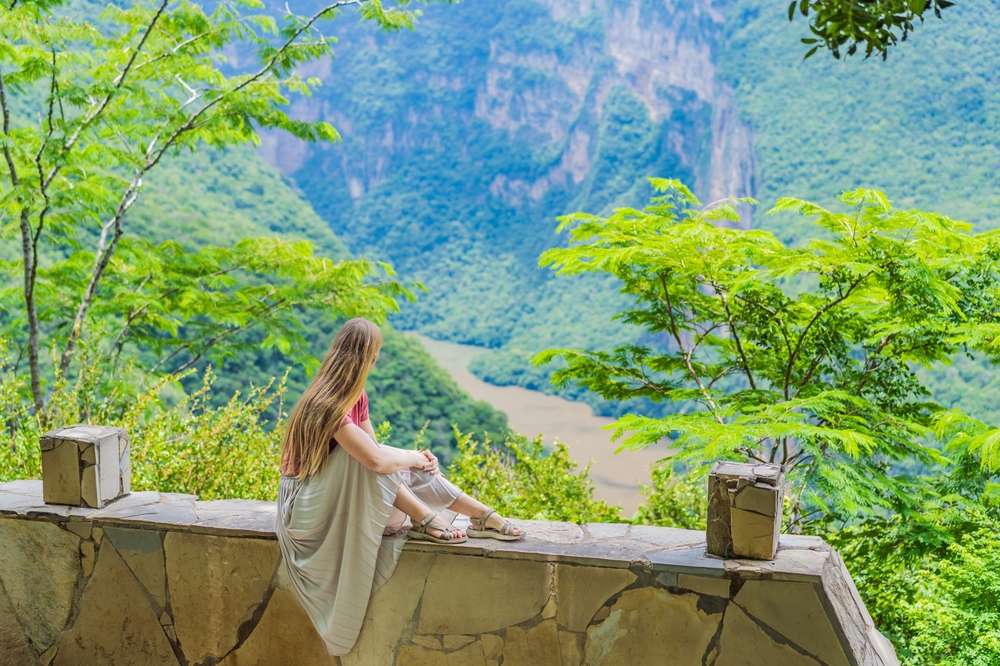
This canyon features vertical walls that rise dramatically above the river, creating an enclosed and towering environment. Boat यात्र emphasize the height as cliffs soar overhead. Travelers often feel dwarfed by the scale. The sudden elevation changes make the canyon feel powerful and slightly intimidating.
Tara River Canyon

Europe’s deepest canyon features steep limestone walls that plunge toward turquoise water. Viewing platforms reveal just how sharply the terrain drops. Travelers exploring the Balkans often find the canyon unexpectedly dramatic. The combination of depth and narrowness creates a strong physical reaction at the edge.
Little River Canyon

Little River Canyon surprises many U.S. travelers with its sudden depth and rugged cliffs. Overlooks reveal sharp drop-offs into forested ravines. Its accessibility contrasts with how dramatic the views feel. The canyon proves that intimidating landscapes aren’t limited to western states.
Copper Canyon

Copper Canyon is actually a system of massive canyons deeper and wider than the Grand Canyon in places. Standing near the rim reveals vast drop-offs stretching across the horizon. Travelers often feel overwhelmed by the sheer scale. The canyon’s depth and complexity make it one of the most knee-weakening landscapes in North America.

Deborah Montiero is a seasoned travel writer and contributor to Probe the Globe. With a passion for uncovering hidden gems and sharing immersive travel experiences, Deborah’s work highlights must-visit destinations, insider tips, and practical advice for travelers of all types. Whether exploring bustling cities or remote escapes, her articles are crafted to inspire and inform, making her a trusted voice in the travel community.
Her storytelling weaves together cultural insights, logistical tips, and authentic experiences, making her a valuable resource for readers seeking unforgettable journeys.
When not writing, Deborah is likely researching the latest travel trends or planning her next adventure. Follow her work on Probe the Globe for fresh perspectives and up-to-date travel inspiration.