19 U.S. Bridges Locals Won’t Cross on Stormy Nights
Across the United States, bridges are essential pieces of infrastructure, connecting communities and shaping travel routes. Yet some bridges inspire unease when storms roll in, whether due to their design, location, history, or the experiences locals have had over decades. High winds, heavy rain, flooding, and limited visibility can turn an ordinary crossing into something genuinely intimidating. This article explores 19 U.S. Bridges Locals Won’t Cross on Stormy Nights.
Chesapeake Bay Bridge, Maryland

The Chesapeake Bay Bridge stretches more than four miles across open water, leaving drivers fully exposed to wind and weather. During storms, strong crosswinds can make vehicles feel unstable, especially high-profile trucks. Visibility often drops suddenly, and there is no easy place to pull over once committed to the crossing. Locals frequently avoid the bridge during severe weather, choosing to wait rather than risk the intense conditions that regularly affect this major East Coast travel route.
Mackinac Bridge, Michigan
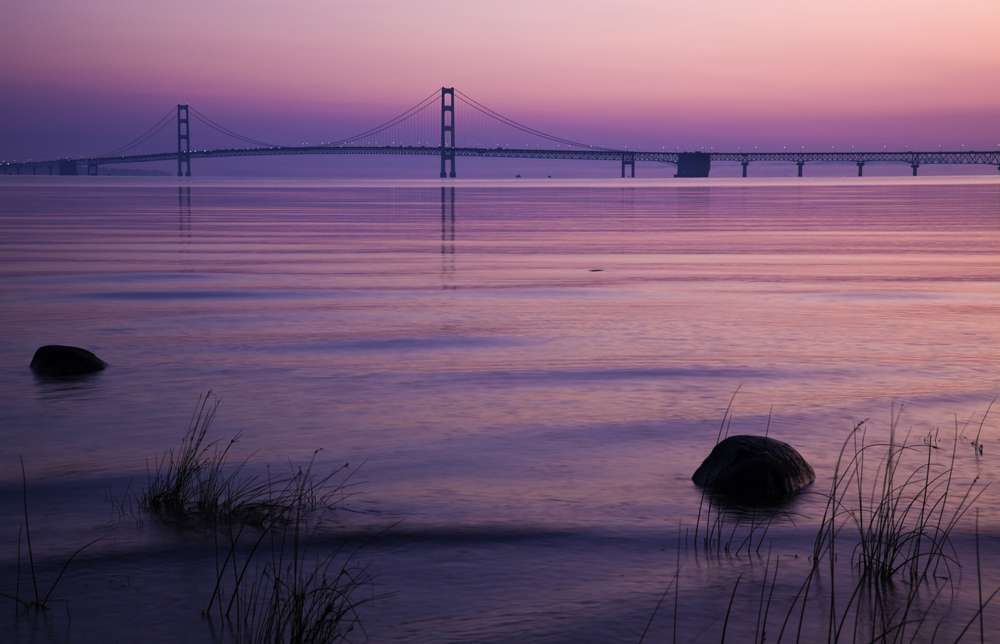
Connecting Michigan’s upper and lower peninsulas, the Mackinac Bridge is one of the longest suspension bridges in the world. Stormy nights bring powerful winds off Lake Michigan and Lake Huron, causing noticeable movement. The open metal grating in some lanes amplifies anxiety as tires hum and sway. Many locals choose escort services or delay travel during bad weather, making the bridge infamous in Midwest travel discussions.
Seven Mile Bridge, Florida

The Seven Mile Bridge crosses open ocean between the Florida Keys, leaving drivers surrounded by water on both sides. Storms can bring sudden downpours, strong gusts, and limited visibility. With no alternate route nearby, the bridge can feel especially vulnerable. Locals often avoid nighttime crossings during storms due to the isolation and exposure that define this stretch of coastal travel.
Astoria–Megler Bridge, Oregon and Washington

This bridge spans the Columbia River near the Pacific Ocean, an area known for intense weather systems. Storms bring heavy rain, fog, and strong winds that push against vehicles. The bridge’s height and length contribute to a sense of unease, especially after dark. Many locals in the Pacific Northwest choose to wait out storms rather than cross during challenging conditions.lly dangerous so far from shore.
Huey P. Long Bridge, Louisiana

This bridge’s narrow lanes and tight curves already require focus during normal conditions. Stormy nights amplify the challenge with slick surfaces and limited lighting. Wind and rain coming off the Mississippi River can reduce visibility quickly. Locals familiar with its design often avoid it during storms, preferring safer routes when possible within Louisiana travel.
Royal Gorge Bridge, Colorado

Suspended high above the Arkansas River, the Royal Gorge Bridge is primarily a pedestrian attraction, but its height makes it intimidating during storms. High winds funnel through the canyon, and lightning storms are common in the area. While not a major commuter route, locals avoid crossing during bad weather due to safety concerns and extreme exposure.
Golden Gate Bridge, California

The Golden Gate Bridge is famous for fog, wind, and sudden weather changes. Stormy nights bring strong gusts and heavy rain that reduce visibility. The bridge’s height and open design allow wind to move freely across lanes. Locals who commute regularly often delay travel during severe weather, making it a notable concern in California travel conditions.
Sunshine Skyway Bridge, Florida

Spanning Tampa Bay, the Sunshine Skyway Bridge rises steeply above the water. Storms bring high winds and lightning that can feel especially intense at the bridge’s peak. Past accidents during bad weather still influence local perception. Many residents avoid crossing at night during storms, choosing alternate routes if available.
Tobin Bridge, Massachusetts
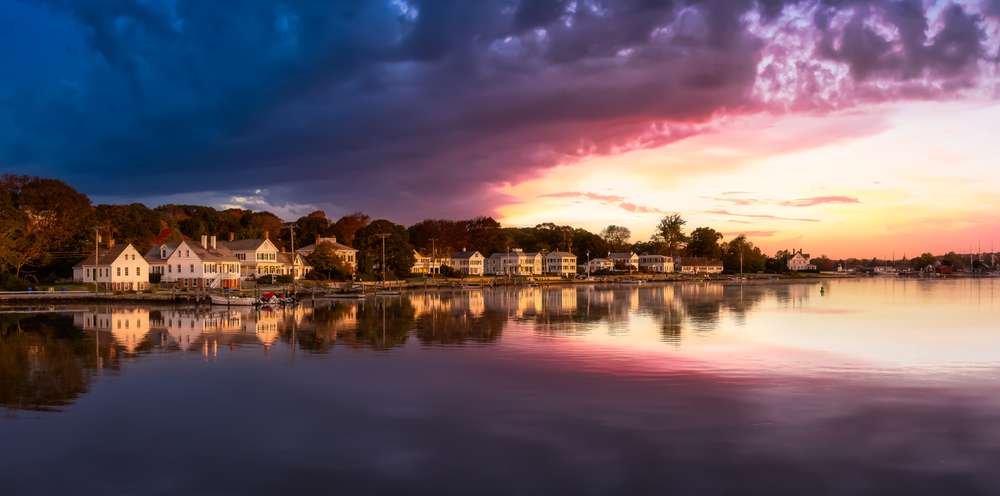
The Tobin Bridge carries heavy traffic over the Mystic River near Boston. Stormy nights combine strong winds, narrow lanes, and high speeds, increasing stress for drivers. The bridge’s height and lack of shoulders add to the challenge. Locals frequently cite it as one of the more uncomfortable crossings during poor weather in New England travel.
Verrazzano-Narrows Bridge, New York
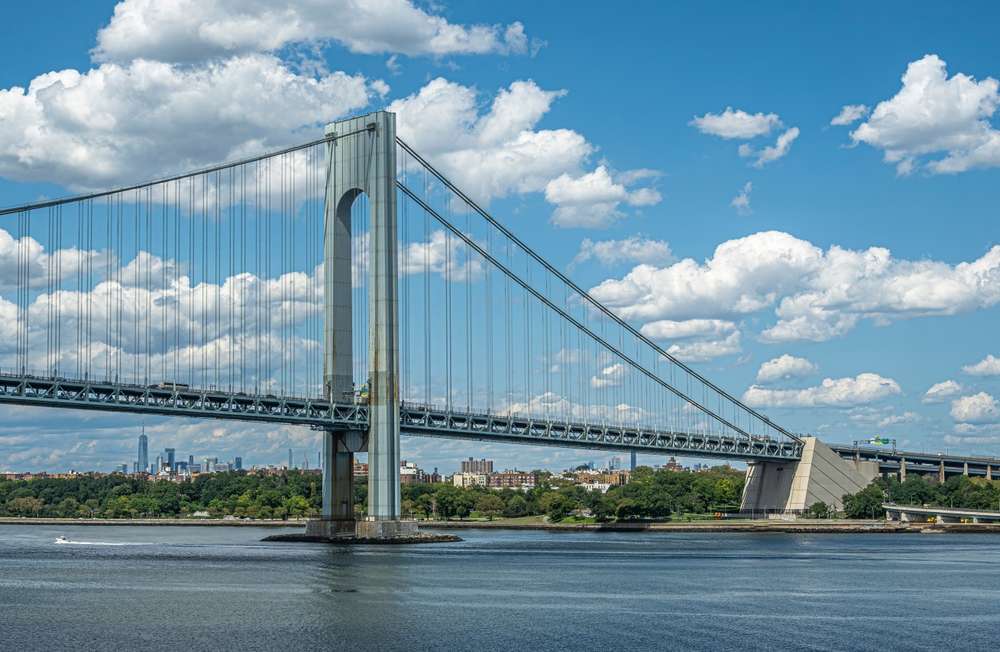
This bridge connects Staten Island and Brooklyn across open water. Storms bring strong crosswinds and reduced visibility from rain and fog. Traffic congestion during bad weather adds to the tension. Locals familiar with the bridge’s exposure often avoid nonessential crossings during stormy nights.
Columbia–Wrightsville Bridge, Pennsylvania
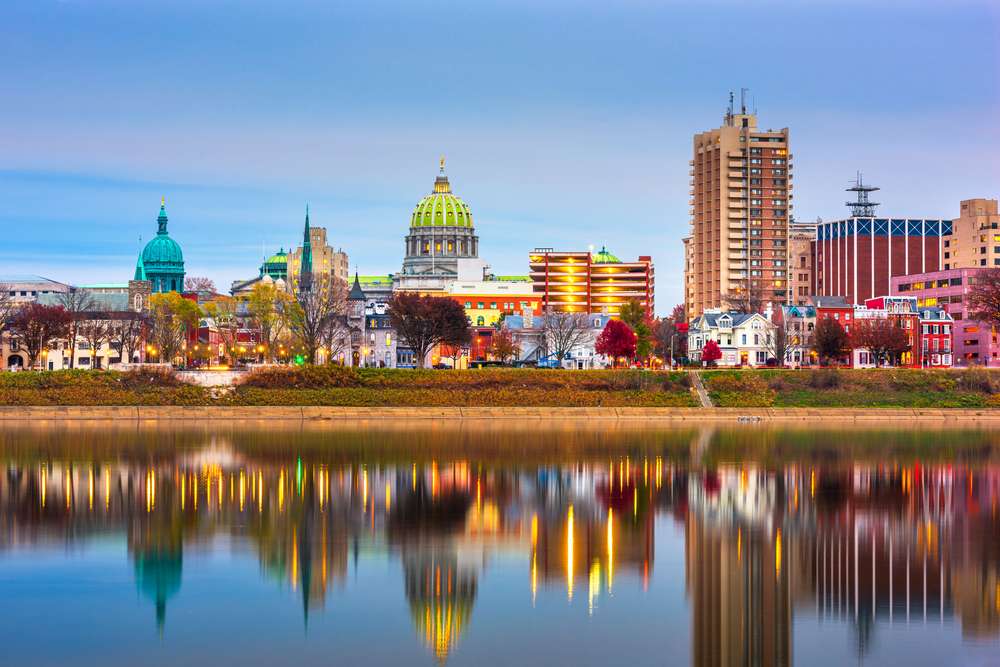
This long bridge spans the Susquehanna River and is known for strong winds during storms. Rain and fog can reduce visibility, especially at night. The bridge’s length and limited lighting make it feel isolated. Local drivers often approach with caution or delay crossing during severe weather.
Mount Hope Bridge, Rhode Island
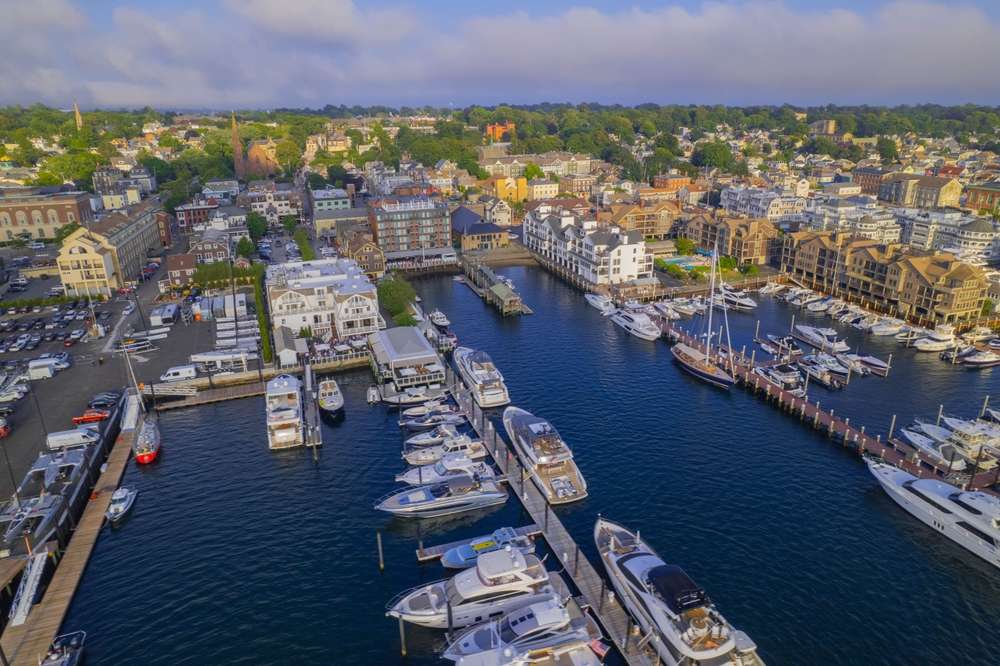
The Mount Hope Bridge crosses a wide expanse of water exposed to coastal storms. Wind gusts can be unpredictable, and rain reduces traction. The bridge’s elevation adds to driver anxiety during bad weather. Locals often plan travel around storm forecasts to avoid nighttime crossings.
Delaware Memorial Bridge, Delaware and New Jersey

This major interstate bridge spans the Delaware River and is heavily traveled. Storms bring strong winds that push vehicles sideways, especially trucks. Heavy rain and darkness reduce visibility across the long span. Locals frequently monitor weather conditions closely before attempting to cross at night.
Coronado Bridge, California

The Coronado Bridge curves high above San Diego Bay. Stormy nights bring slick surfaces and wind that can affect vehicle control. The bridge’s height and curvature limit sightlines, increasing stress. Many locals avoid crossing during storms, particularly after dark, when conditions feel less predictable.
Narragansett Bay Bridge, Rhode Island
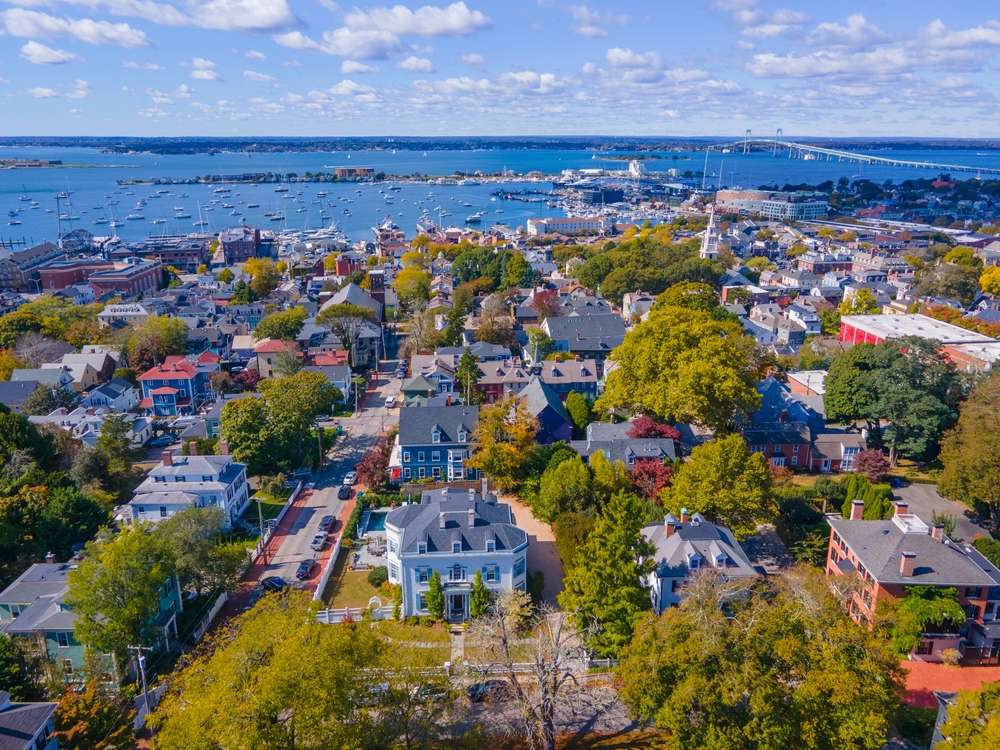
This bridge spans open water and is fully exposed to coastal weather systems. Storms often bring heavy rain and strong gusts. Limited places to stop add to the sense of vulnerability. Locals commonly delay travel during bad weather, especially at night.
Ben Franklin Bridge, Pennsylvania and New Jersey

The Ben Franklin Bridge carries traffic high above the Delaware River. Storms can bring intense wind and rain, making lanes slick. The bridge’s steel structure amplifies noise during storms, adding to driver stress. Locals familiar with its conditions often avoid crossing during severe weather when possible.
Thousand Islands Bridge, New York
Crossing the St. Lawrence River, this bridge is exposed to sudden storms and high winds. Rain and fog can appear quickly, especially at night. The bridge’s height above the water adds to the feeling of exposure. Locals familiar with regional weather often avoid stormy crossings.
Mid-Hudson Bridge, New York

The Mid-Hudson Bridge connects communities over a wide river valley. Storms funnel wind through the area, creating challenging driving conditions. Narrow lanes and heavy rain reduce comfort and safety. Locals frequently delay crossings during severe nighttime weather.
Francis Scott Key Bridge, Maryland

Spanning the Patapsco River, this bridge is exposed to strong coastal weather systems. Storms bring gusty winds and heavy rain that affect visibility. Its height and traffic volume add to the challenge. Locals often approach cautiously or avoid crossing during stormy nights.

Deborah Montiero is a seasoned travel writer and contributor to Probe the Globe. With a passion for uncovering hidden gems and sharing immersive travel experiences, Deborah’s work highlights must-visit destinations, insider tips, and practical advice for travelers of all types. Whether exploring bustling cities or remote escapes, her articles are crafted to inspire and inform, making her a trusted voice in the travel community.
Her storytelling weaves together cultural insights, logistical tips, and authentic experiences, making her a valuable resource for readers seeking unforgettable journeys.
When not writing, Deborah is likely researching the latest travel trends or planning her next adventure. Follow her work on Probe the Globe for fresh perspectives and up-to-date travel inspiration.