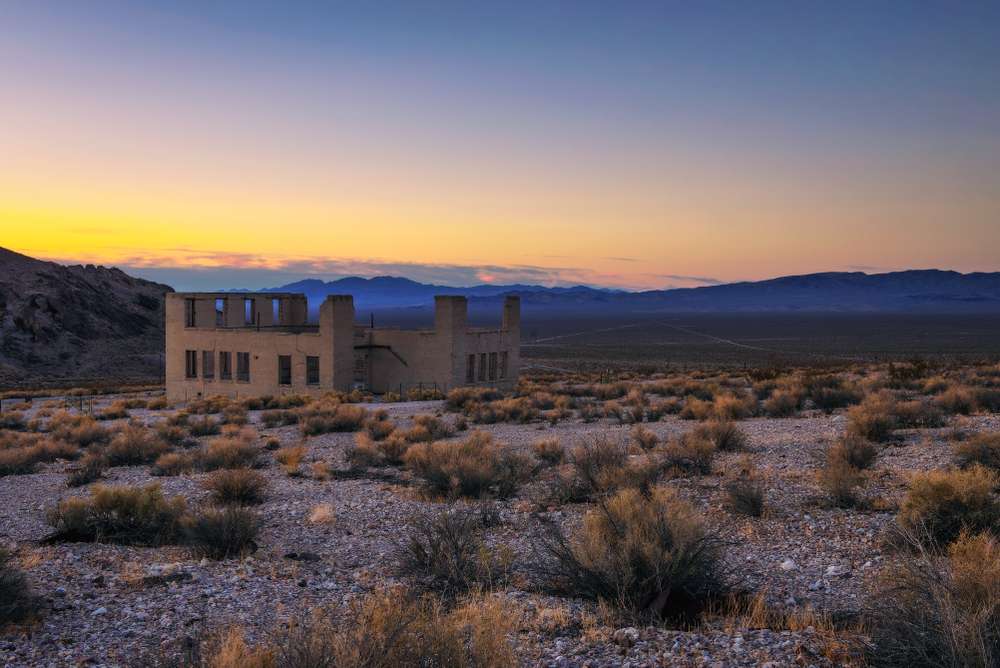
22 American Subdivisions Built on Land Locals Said Shouldn’t Be Touched
Across the United States, suburban expansion has often collided with local warnings, cultural memory, and environmental reality. In many places, residents argued that certain lands were unstable, sacred, flood-prone, or historically burdened long before developers arrived. Yet housing demand and economic pressure pushed construction forward anyway, leaving behind neighborhoods with uneasy reputations. Here are 22 American Subdivisions Built on Land Locals Said Shouldn’t Be Touched
Valencia Hills, California
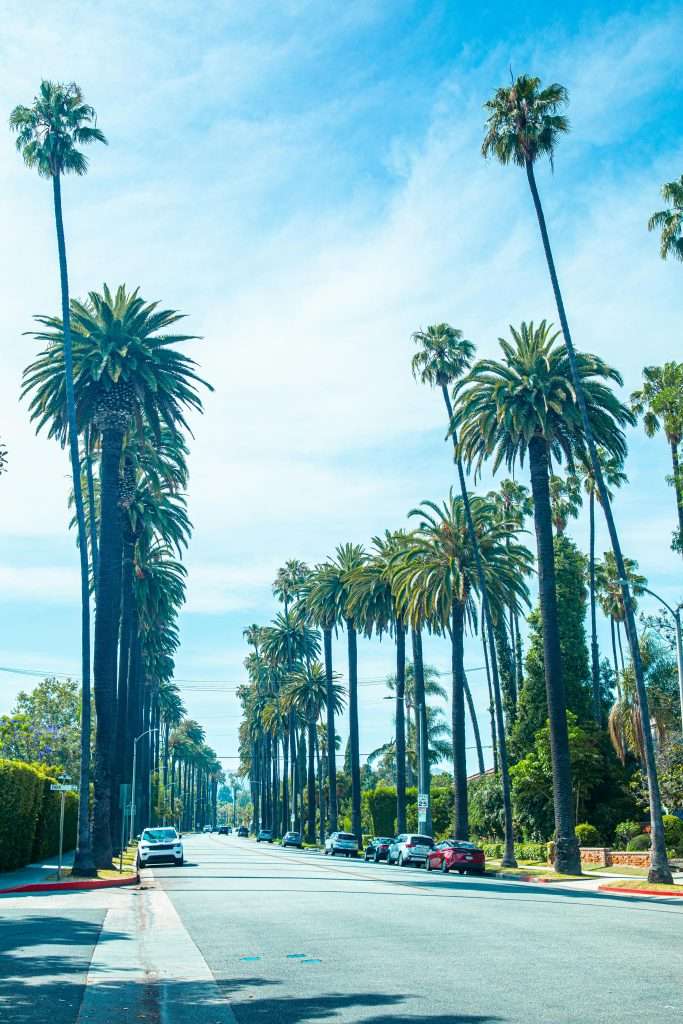
Valencia Hills sits on terrain long known for seismic activity and unstable soil. Local residents and geologists warned early on that hillside grading would increase landslide risk, especially during heavy rains. Over time, cracks in foundations and roads appeared, reinforcing fears that the land was never meant for dense development. For travelers exploring suburban Southern California, the neighborhood looks peaceful, but its history tells a more fragile story tied to ignored geological warnings.
Lakeview Estates, Louisiana
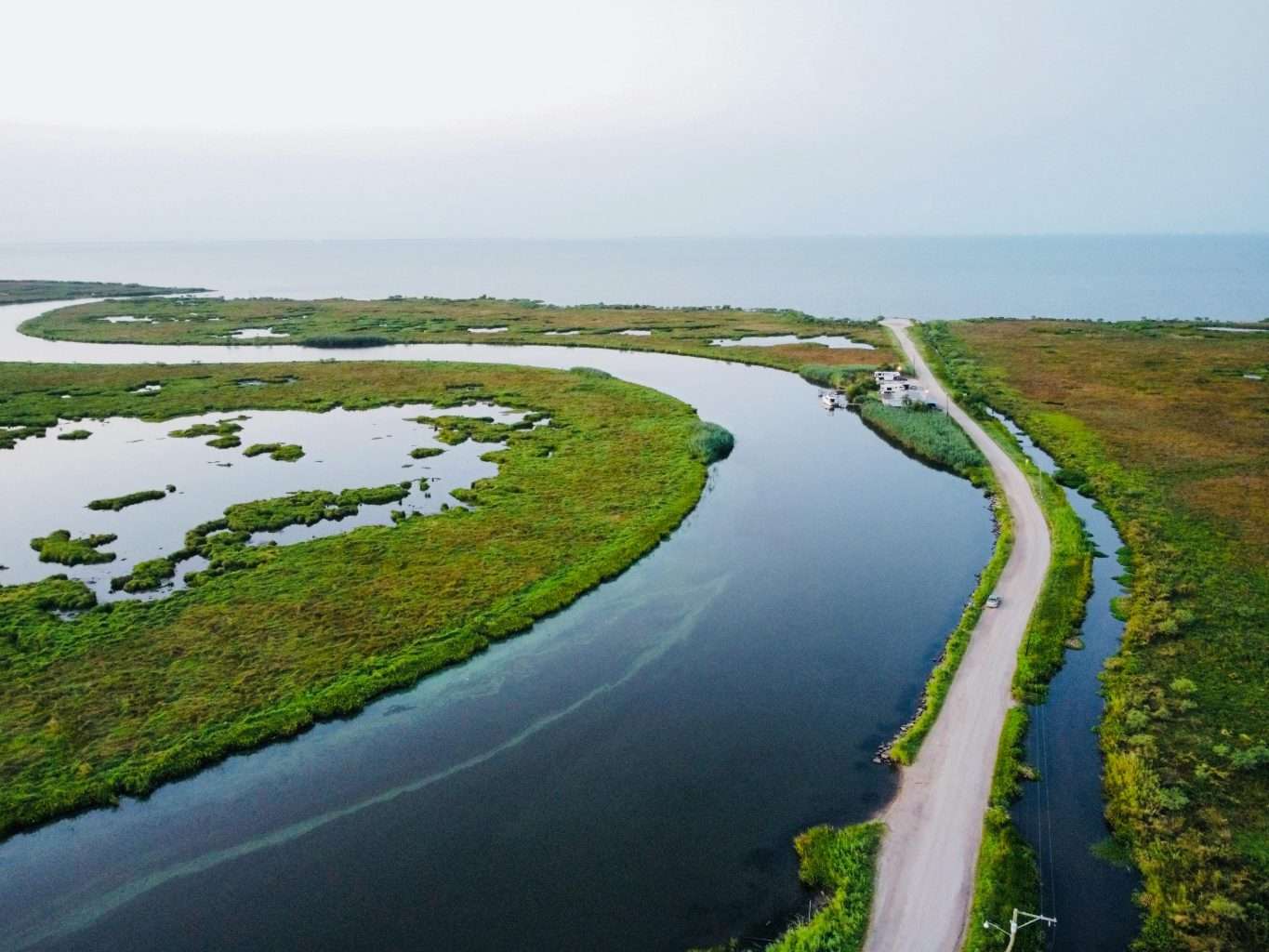
Built near low-lying wetlands outside New Orleans, Lakeview Estates faced local opposition due to its flood vulnerability. Longtime residents understood how water moved through the area during storms. After hurricanes and heavy rainfall events, repeated flooding confirmed those concerns. The subdivision’s manicured lawns and modern homes contrast sharply with the reality that the land naturally wants to be underwater, a fact locals tried to emphasize from the start.
Sunset Ridge, Arizona
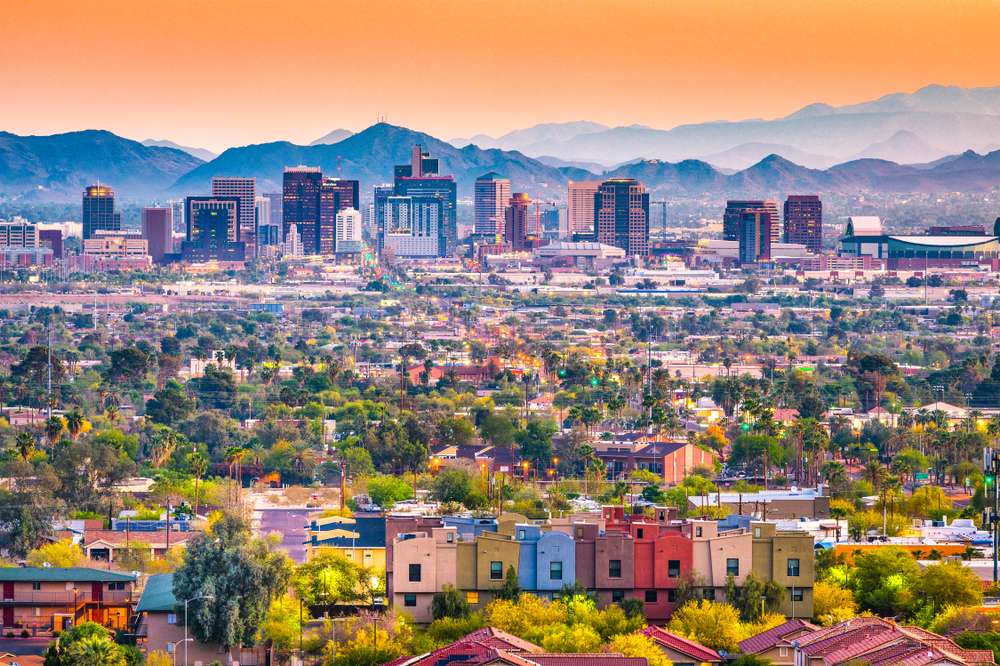
Sunset Ridge was developed on desert land known for flash flooding. Locals warned that dry washes could turn violent during monsoon season. Developers installed drainage systems, but sudden storms still overwhelm them. The subdivision’s clean streets and uniform homes hide a recurring struggle with water in a landscape that resists permanent settlement, a familiar theme in Southwestern U.S. travel corridors.
Rolling Acres, Ohio
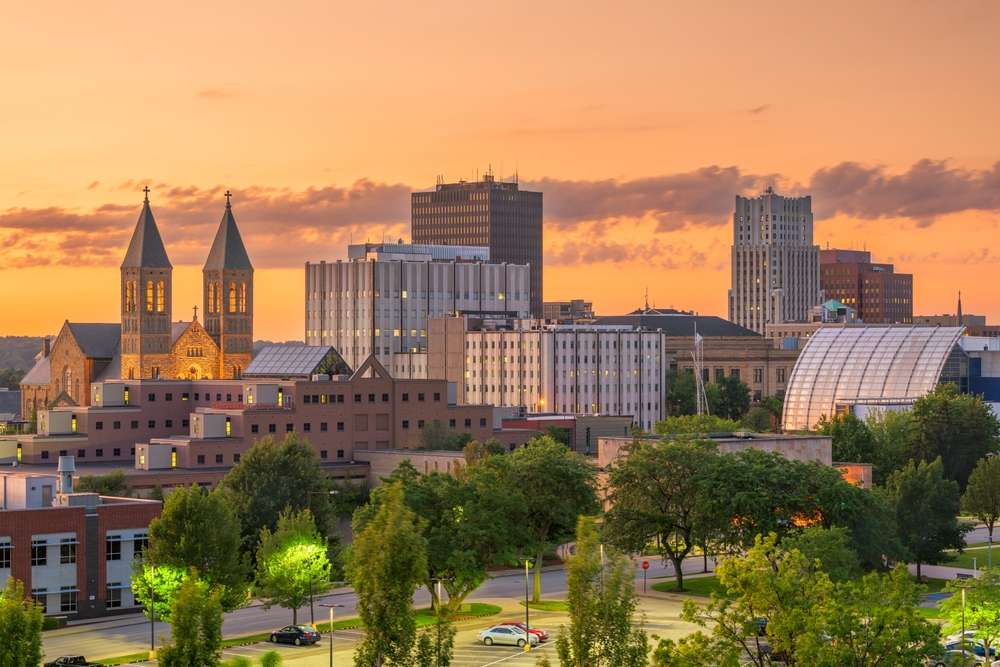
This Midwestern subdivision occupies land once used as an informal dumping ground decades earlier. Residents raised concerns about soil contamination before construction began. While developers conducted limited testing, later homeowners reported unusual health issues and garden failures. The neighborhood’s quiet appearance belies lingering anxiety about what remains beneath the surface.
Pine Hollow, Colorado
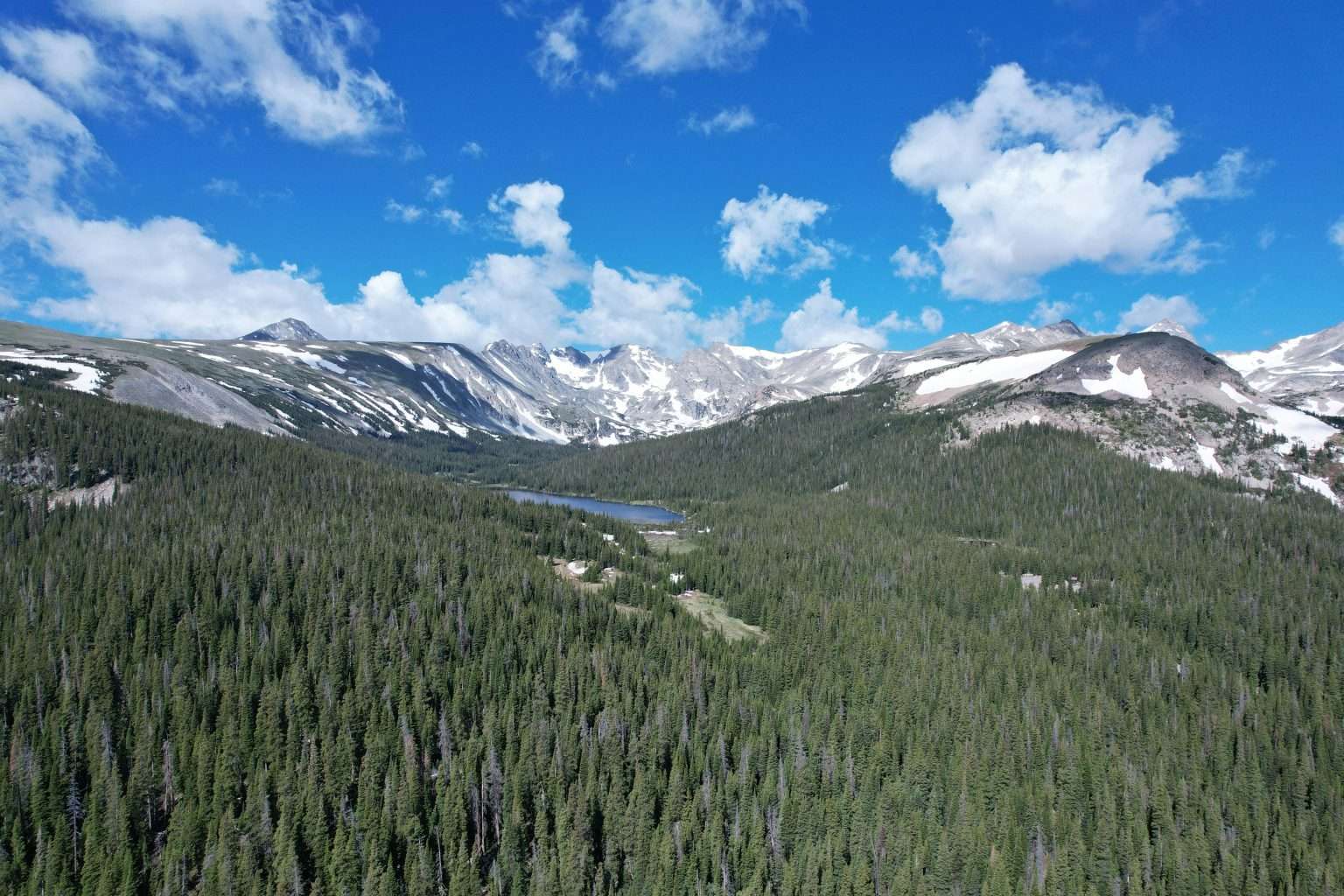
Built near the base of a fire-prone mountain range, Pine Hollow drew criticism from locals familiar with wildfire patterns. Evacuation routes were limited, and vegetation was highly flammable. After several close calls during fire season, concerns intensified. The subdivision represents the tension between scenic mountain living and the realities of living where fire has always shaped the land.
Shadow Creek, Nevada

This subdivision was built near a former mining area with a long history of subsurface instability. Locals warned about sinkholes and ground movement. Over time, minor collapses and infrastructure repairs became common. The neighborhood’s desert calm masks the reality that extraction industries left behind land that behaves unpredictably.
Clearwater Meadows, Florida
Clearwater Meadows occupies land once part of a natural floodplain. Longtime residents argued that development would worsen flooding in surrounding areas. After several tropical storms, standing water became a recurring problem. The subdivision’s appeal to coastal U.S. travel migrants overlooked how essential that open land once was for water absorption.
Red Rock Estates, Utah
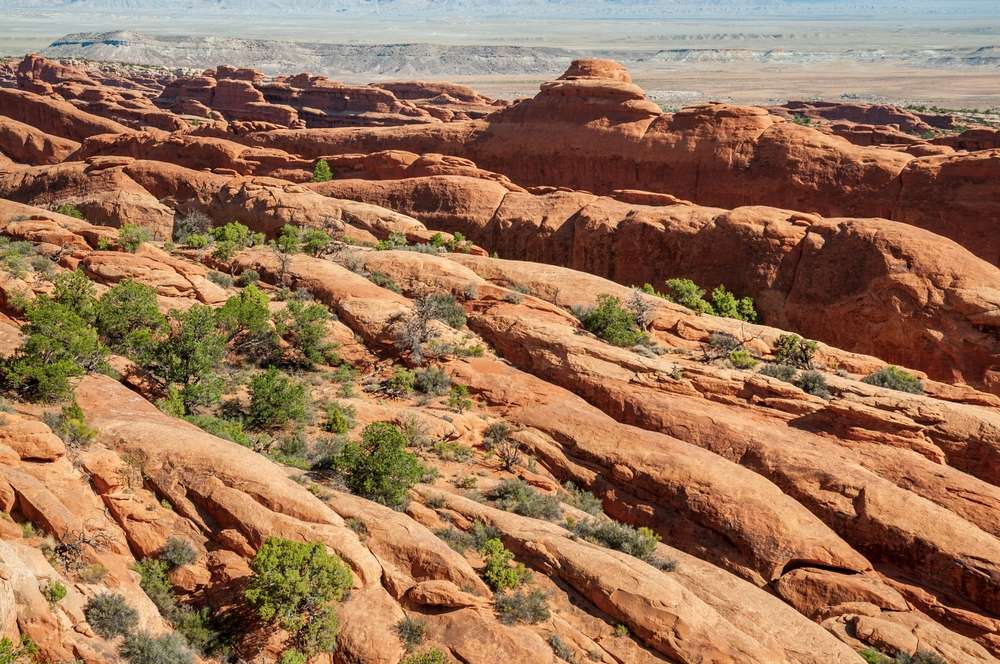
Developed near culturally significant Indigenous land, Red Rock Estates faced opposition from tribal members and local historians. Concerns centered on disturbing burial grounds and sacred landscapes. While no official protections stopped construction, tensions remain. The subdivision’s presence highlights how cultural warnings are often dismissed when land is viewed purely as real estate.
Silver Valley Homes, Idaho

Silver Valley Homes sits near old industrial sites tied to heavy metal contamination. Locals cautioned that soil remediation was incomplete. Years later, restrictions on gardening and groundwater use reinforced those fears. The area’s scenic surroundings draw new residents, but the land’s industrial past continues to shape daily life.
Canyon Crest, California
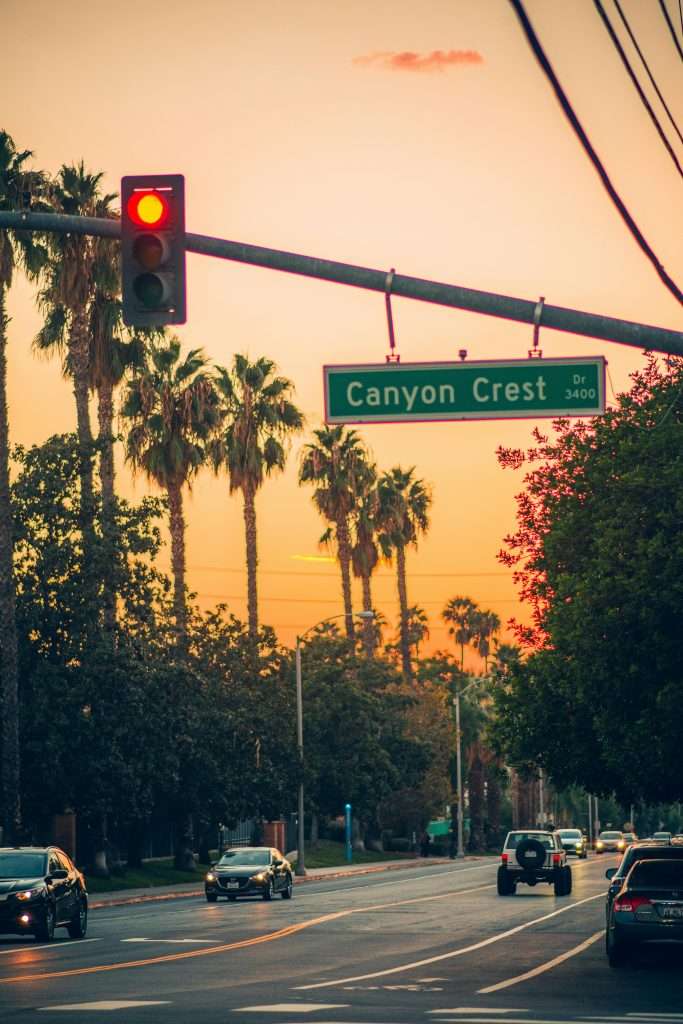
This subdivision was built along steep canyon edges known for erosion. Residents warned that grading would destabilize slopes. After intense rain seasons, retaining walls failed and roads shifted. Canyon Crest’s panoramic views come with constant maintenance challenges, reflecting the cost of ignoring natural terrain limits.
Marshland Pines, South Carolina
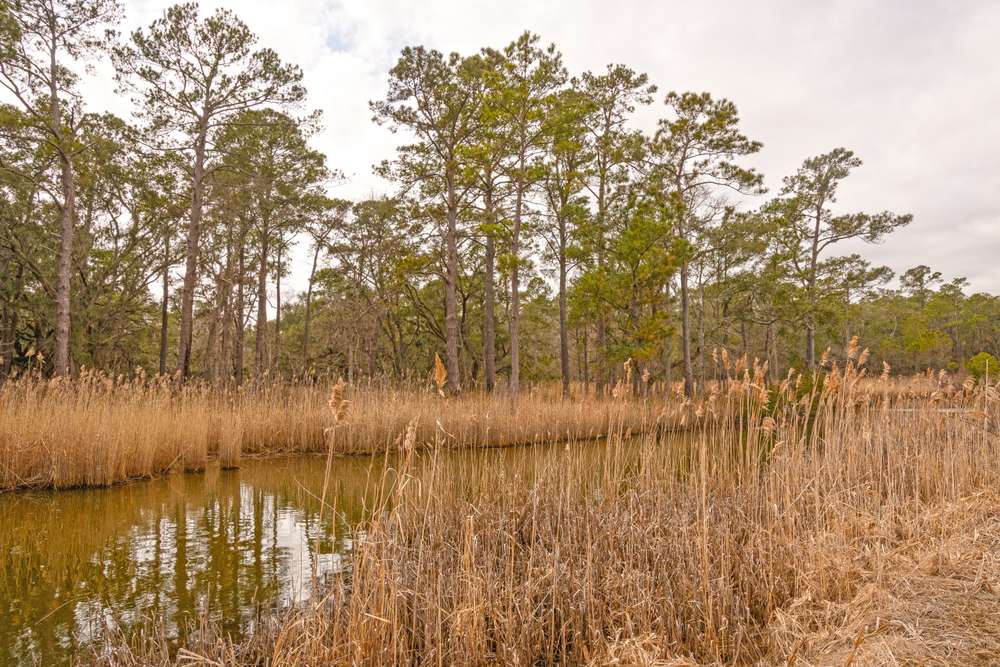
Constructed on filled marshland, Marshland Pines disrupted ecosystems locals relied on for fishing and flood mitigation. Residents argued the land was unsuitable for housing. Over time, drainage problems and mosquito infestations became persistent. The subdivision’s quiet streets mask ecological consequences that ripple beyond property lines.
Highland Reserve, Washington
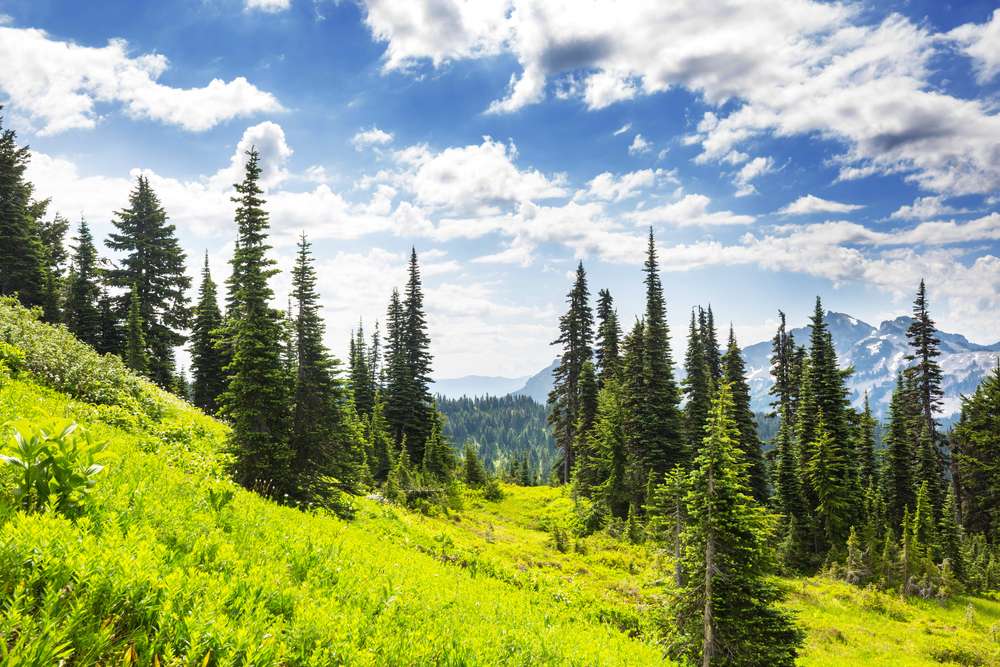
Highland Reserve sits atop land once designated for stormwater management. Locals warned that removing wetlands would increase runoff into nearby rivers. After development, flooding downstream worsened. The subdivision illustrates how environmental functions of land are often undervalued until their absence becomes obvious.
Desert Bloom, New Mexico

Desert Bloom was developed in an area with limited water resources. Locals cautioned that groundwater could not sustain large-scale housing. As wells dropped and water restrictions increased, those warnings gained urgency. The subdivision’s growth reflects broader challenges facing arid-region development across the Southwest.
Oak Ridge Estates, Tennessee
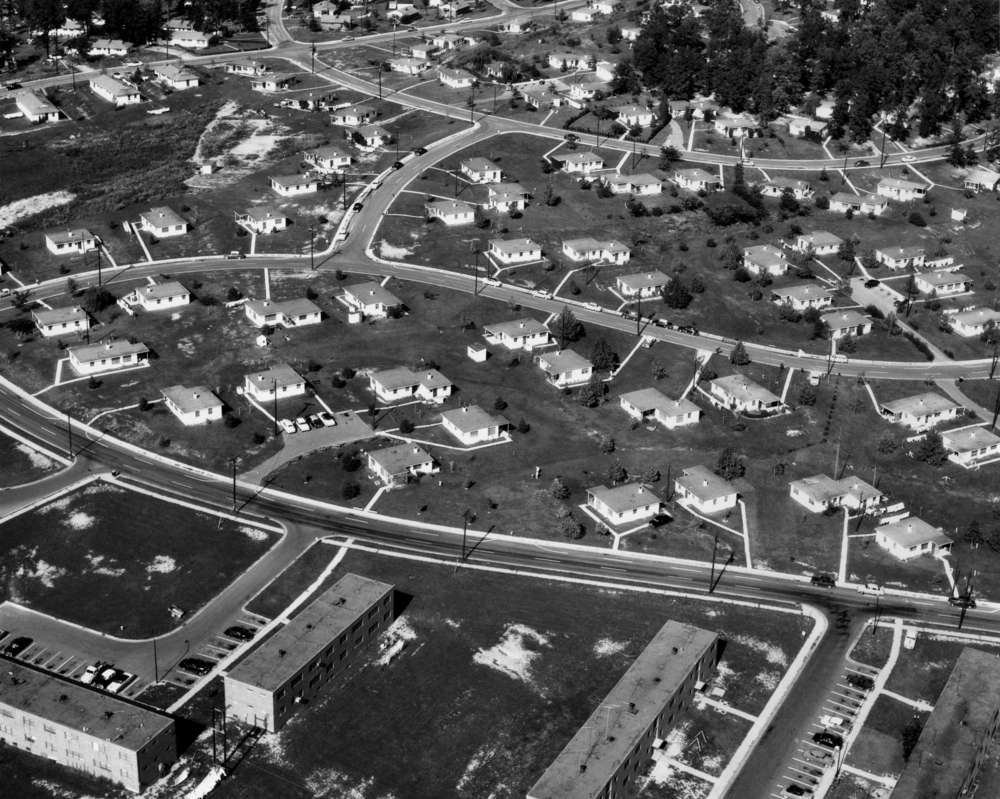
Built near a former military testing site, Oak Ridge Estates raised concerns about unexploded materials and contamination. Locals familiar with the land’s history urged caution. While official assurances were given, lingering unease remains. The neighborhood’s suburban calm sits uneasily atop a complex past tied to national defense.
Riverbend Commons, Missouri
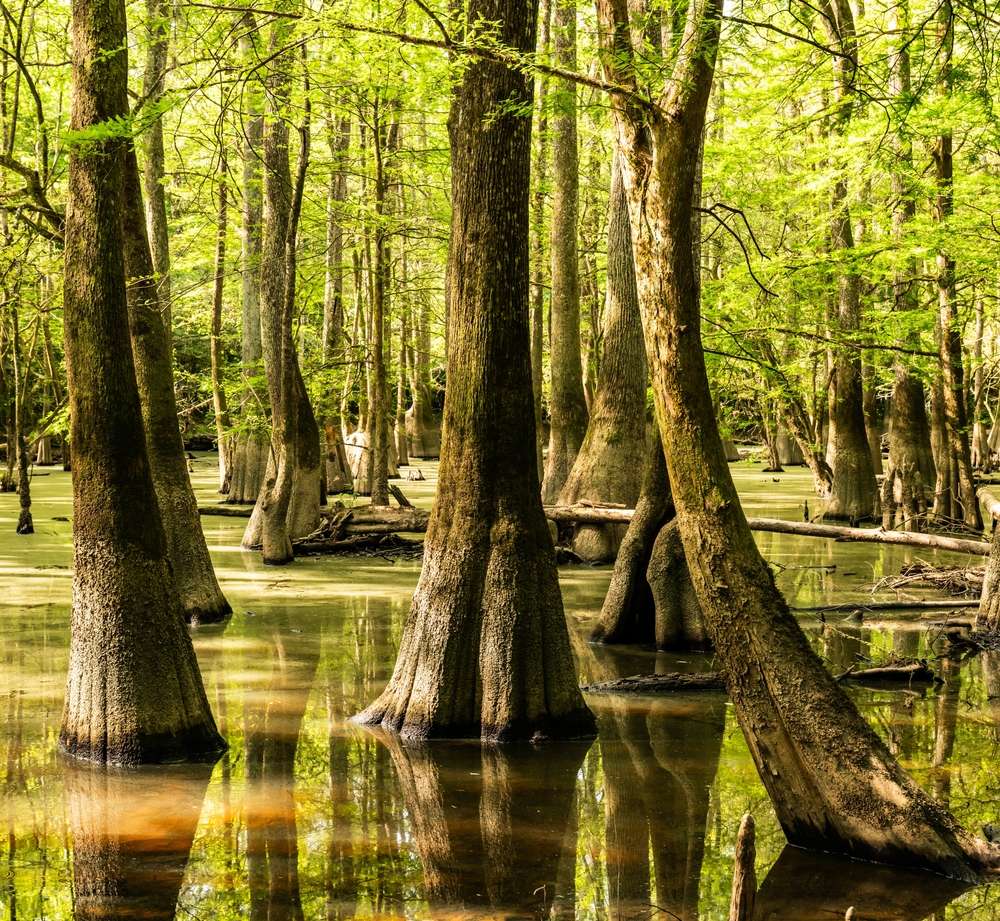
Riverbend Commons occupies land historically shaped by seasonal river flooding. Older residents warned that levees alone wouldn’t protect homes. After repeated high-water events, emergency measures became routine. The subdivision’s name reflects optimism, but the river’s long memory continues to challenge that narrative.
Coyote Flats, California
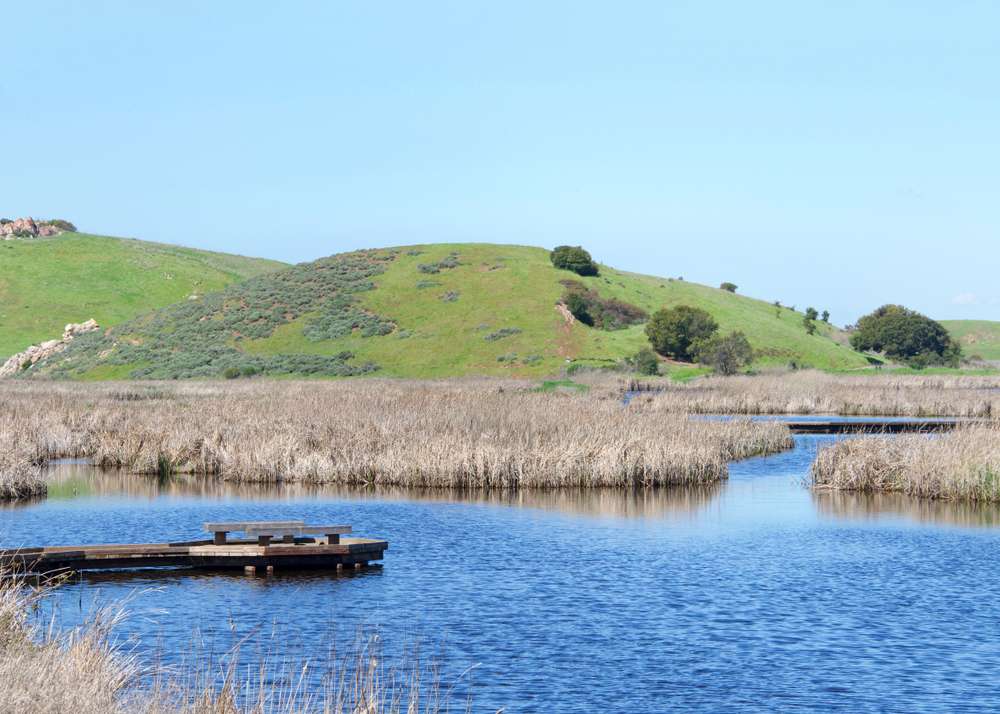
Coyote Flats was developed on wildlife corridors locals knew were essential for animal movement. Increased vehicle collisions and habitat disruption followed. While the subdivision meets housing demand, it altered patterns that had existed for generations. The conflict highlights how ecological warnings often struggle to compete with development pressure.
Ironwood Crossing, Arizona
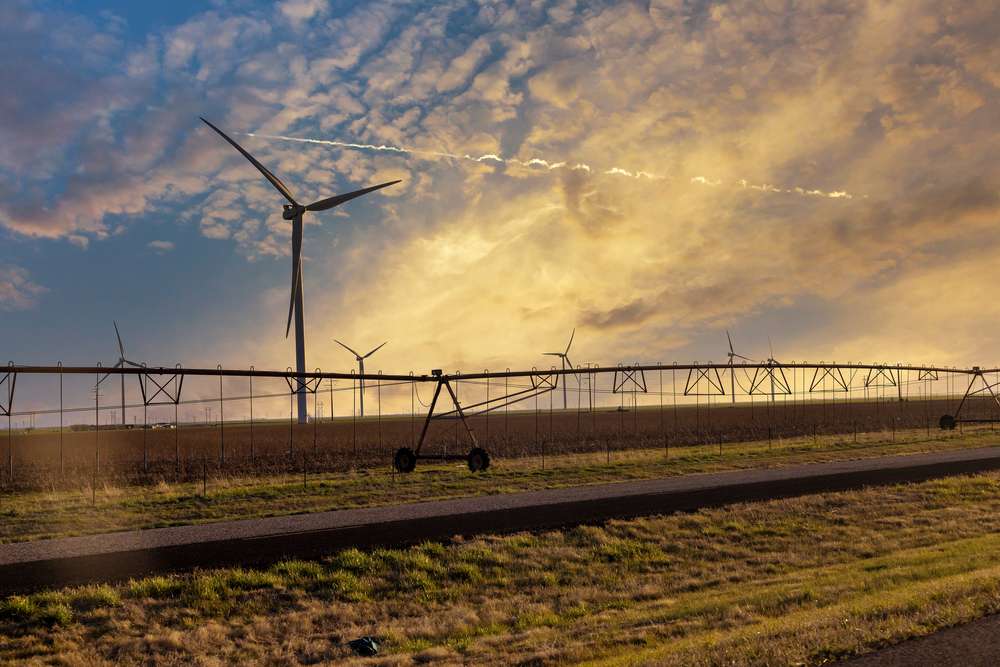
This subdivision sits near land once used for Indigenous agriculture. Tribal members warned that development would damage ancient irrigation systems beneath the soil. Construction unearthed artifacts, delaying progress but not stopping it. The neighborhood stands as a reminder of how deep histories are often overlooked in modern planning.
Bluewater Shores, Michigan
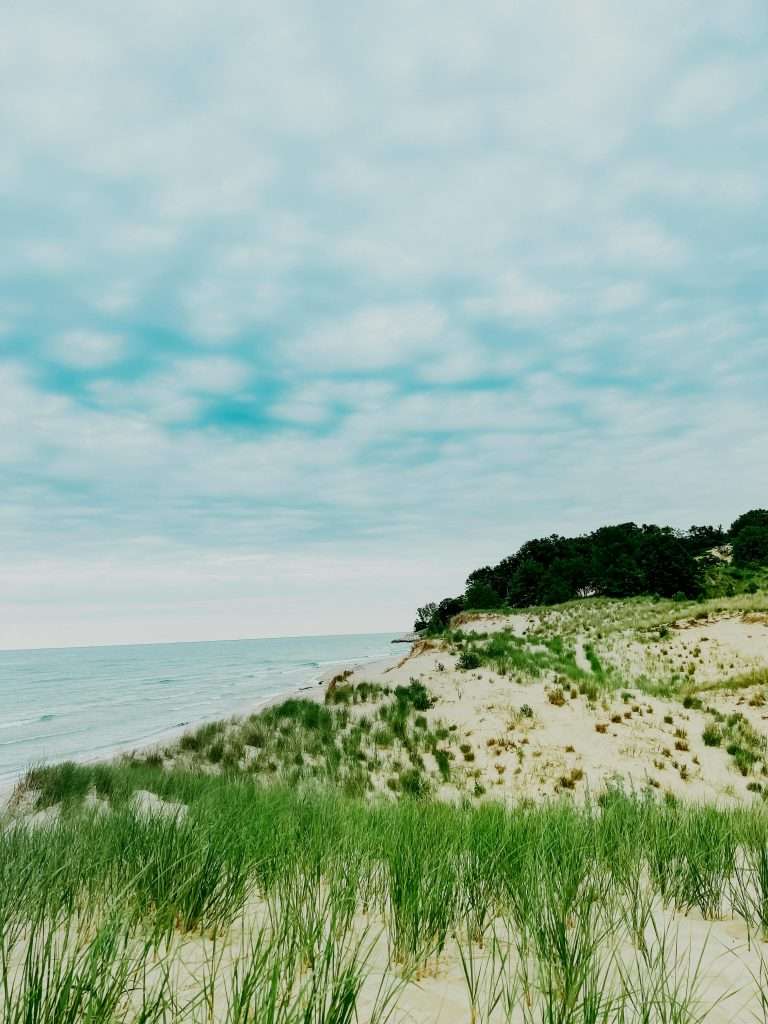
Built near an eroding Great Lakes shoreline, Bluewater Shores faced early resistance from locals who tracked shoreline movement. Over time, property owners invested heavily in erosion control. The subdivision’s scenic appeal contrasts with constant battles against a lake that refuses to stay still.
Hillside Glen, Pennsylvania

Hillside Glen occupies former coal mining land prone to subsidence. Locals warned about underground voids. Structural issues emerged years after construction, validating those fears. The neighborhood’s peaceful appearance hides an unstable foundation shaped by earlier industrial extraction.
Sunrise Canyon, Nevada
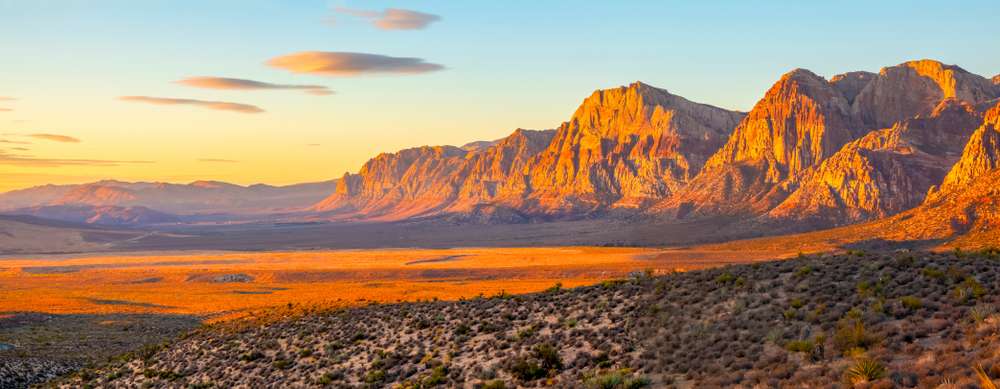
Sunrise Canyon was built in an area known for extreme heat retention. Residents cautioned that pavement and housing density would intensify temperatures. Over time, cooling costs soared and outdoor spaces became unusable during summer. The subdivision reflects how climate realities are sometimes dismissed during planning stages.
Prairie View Estates, Kansas
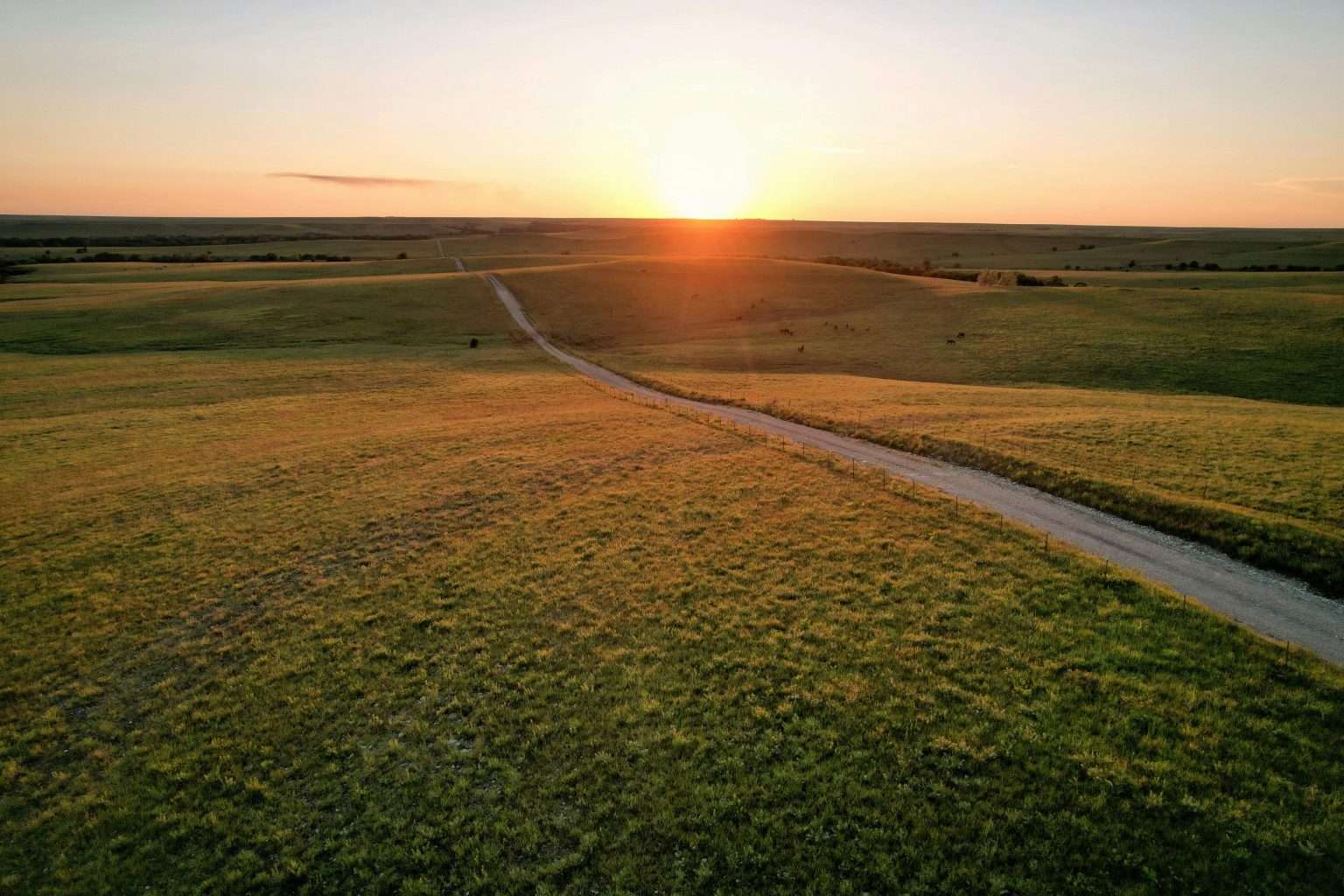
Constructed on land once preserved for storm runoff and agriculture, Prairie View Estates disrupted natural drainage. Locals warned of soil instability. After heavy rains, standing water and foundation damage became common. The neighborhood’s wide-open feel contrasts with ongoing maintenance struggles tied to the land’s original purpose.
Harbor Point, Maryland

Harbor Point was built near a former industrial waterfront locals considered unsafe for residential use. Concerns about soil contamination and rising sea levels were raised early. While redevelopment brought economic growth, residents now face flooding risks and environmental questions that echo those original warnings.

Deborah Montiero is a seasoned travel writer and contributor to Probe the Globe. With a passion for uncovering hidden gems and sharing immersive travel experiences, Deborah’s work highlights must-visit destinations, insider tips, and practical advice for travelers of all types. Whether exploring bustling cities or remote escapes, her articles are crafted to inspire and inform, making her a trusted voice in the travel community.
Her storytelling weaves together cultural insights, logistical tips, and authentic experiences, making her a valuable resource for readers seeking unforgettable journeys.
When not writing, Deborah is likely researching the latest travel trends or planning her next adventure. Follow her work on Probe the Globe for fresh perspectives and up-to-date travel inspiration.