22 American Towns So Isolated They Might as Well Be Another Country
Some places in the United States feel so remote and disconnected that stepping into them is like crossing into another world. These communities operate at their own pace, shaped by extreme landscapes and enormous distances that separate them from the rest of the country. Travelers exploring unique U.S. travel destinations often discover that isolation can create culture, character, and traditions unlike anywhere else. This is especially true in 22 American Towns So Isolated They Might as Well Be Another Country.
Arctic Village, Alaska

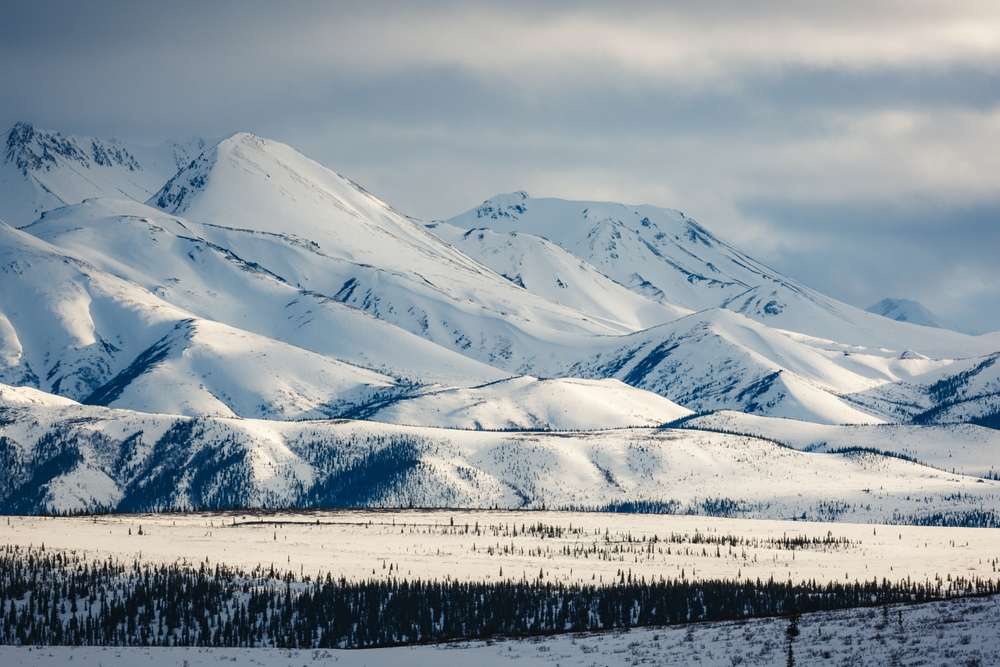
Arctic Village sits deep in Alaska’s far north, surrounded by vast tundra, icy winds, and a silence that feels almost endless. Reachable mainly by small plane, the town experiences long periods of darkness in winter and luminous, lingering daylight during summer. Life revolves around subsistence traditions and the rhythms of the Arctic environment, making it feel incredibly different from life in the Lower 48. Travelers seeking extreme U.S. travel adventures often describe Arctic Village as one of the most remote communities they’ve ever encountered.
Supai, Arizona
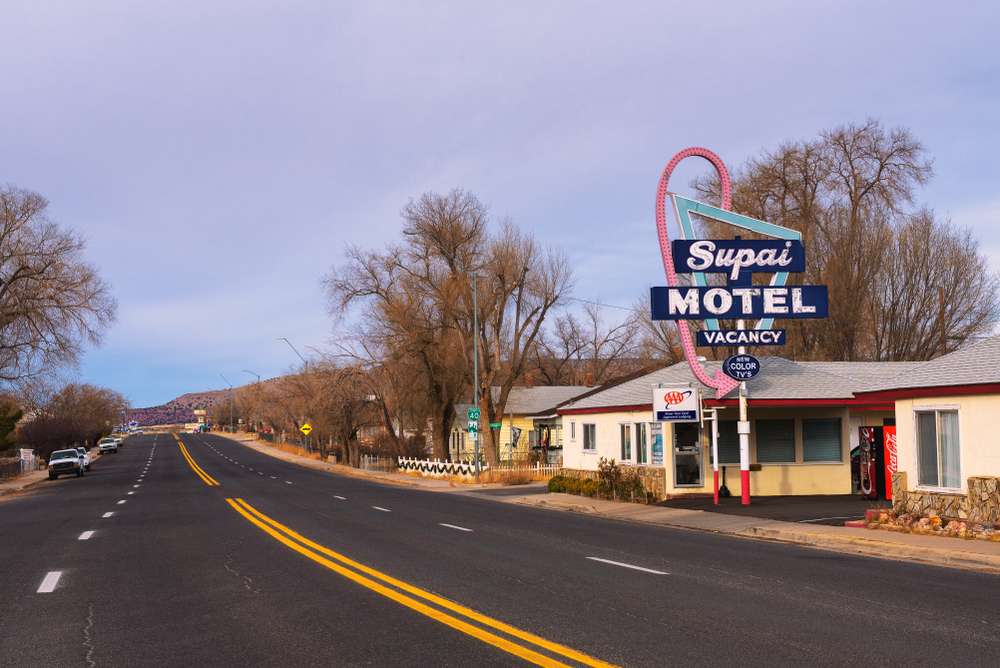
Supai is hidden deep within the Grand Canyon and is accessible only by hiking, horseback, or helicopter. The town’s isolation has preserved a way of life rooted in Havasupai traditions, with the mighty canyon walls creating a natural barrier to the outside world. Mail is still delivered by mule, and the sound of rushing waterfalls echoes through the village. Visitors say walking through Supai feels like stepping into a separate universe where time moves at its own pace far from modern distractions.
Point Roberts, Washington

Technically part of Washington state, Point Roberts can only be reached by driving through Canada or arriving by boat or plane. This unusual geographic quirk gives the town a distinctly international feel while remaining firmly American. Residents experience a unique blend of cultures, often traveling back and forth across the border for daily needs. Travelers exploring U.S. travel routes find Point Roberts fascinating because its isolation creates a sense of dual identity unlike any other place in the country.
Hyder, Alaska

Hyder feels more Canadian than American due to its location at the southeastern tip of Alaska, accessible by road only through British Columbia. Its rugged surroundings include glaciers, steep mountains, and dense forestland that reinforce its remote character. Locals often interact more with nearby Canadian communities than with other parts of Alaska. For travelers, Hyder feels like an area where international borders blur, creating a distinct cultural blend shaped by isolation and geography.
Barrow (Utqiaġvik), Alaska

Utqiaġvik, the northernmost town in the United States, experiences some of the harshest conditions anywhere in the country. For more than two months each winter, the sun never rises, and temperatures plunge to extreme lows. Supplies arrive primarily by air, and the community’s lifestyle is deeply tied to Arctic traditions. Visiting Utqiaġvik is an unforgettable U.S. travel experience because its isolation creates a world vastly different from most Americans’ daily reality.
Marfa, Texas
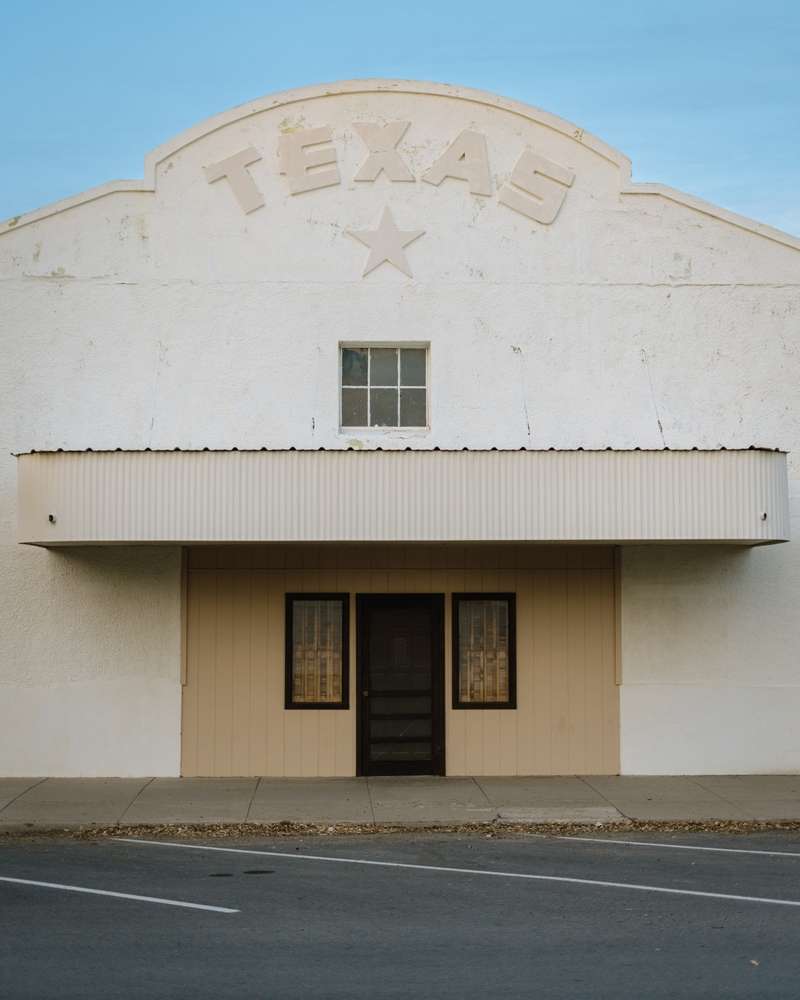
Marfa sits in the remote West Texas desert and feels more like an art colony from another planet than a typical small town. The long drive to reach it passes through miles of quiet highway, emphasizing its distance from major cities. Known for its mysterious lights, minimalist installations, and desert silence, Marfa blends creativity with isolation in a way few places do. Visitors often describe it as surreal, peaceful, and strangely enchanting.
St. Paul Island, Alaska

Located in the middle of the Bering Sea, St. Paul Island is surrounded by rough waters and dramatic weather that constantly remind residents how far they are from mainland life. The island supports a small community with deep cultural roots and traditions tied to the sea. Wildlife thrives here, including massive colonies of seals and seabirds. Travelers who reach St. Paul Island often say the remoteness is both humbling and awe-inspiring.
Terlingua, Texas
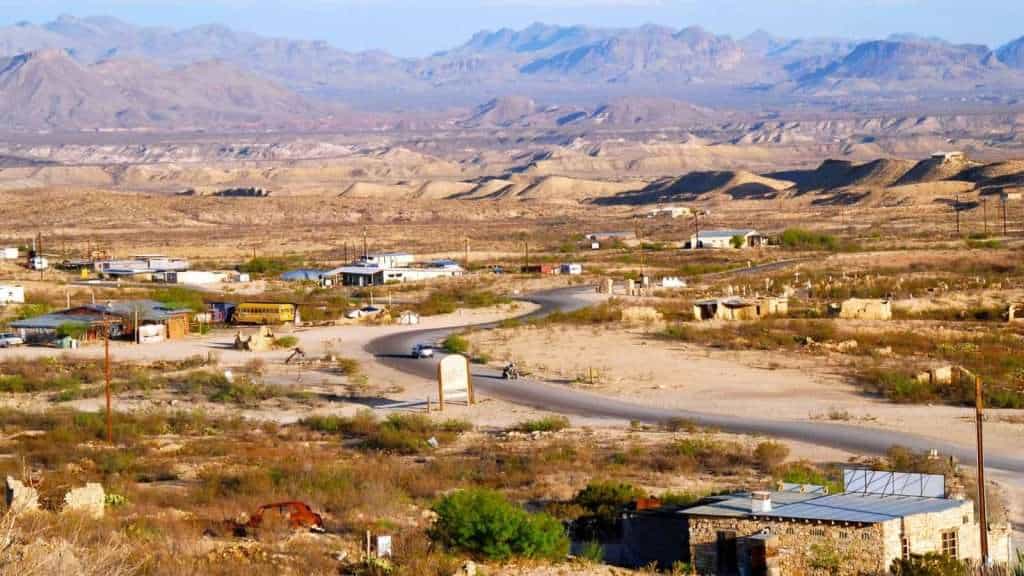
Terlingua once thrived as a mining town but now exists as a remote desert community attracting adventurers, artists, and wanderers. Its landscape is harsh and beautiful, stretching across the edge of Big Bend National Park. Residents embrace a free-spirited lifestyle shaped by isolation, intense heat, and endless star-filled skies. Visitors often leave feeling as though they briefly lived in another world entirely.
Gambell, Alaska

Situated on St. Lawrence Island, just across the Bering Sea from Russia, Gambell has one of the most geographically dramatic locations in the United States. The community is deeply connected to Siberian Yupik culture, and traditional practices remain central to daily life. Weather conditions and sea ice make travel extremely unpredictable, reinforcing the town’s isolation. Travelers describe Gambell as a place where ancient traditions, harsh nature, and incredible remoteness coexist in striking balance.
Hovenweep, Utah

Hovenweep is known for its remarkable ancient structures, but the modern community living nearby experiences profound isolation. Surrounded by high desert, plateaus, and quiet canyons, the area feels far removed from the bustling parts of the Southwest. Life here moves slowly, shaped by seasons and the challenge of living in such a sparse landscape. Visitors often come for the ruins and leave fascinated by the quiet resilience of the town itself.
McCarthy, Alaska
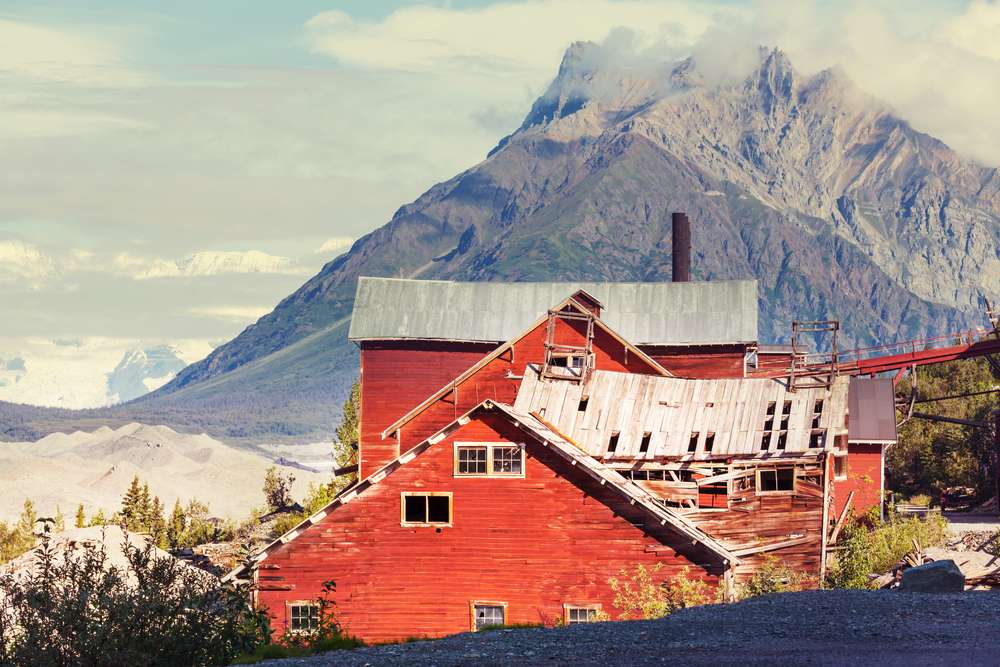
McCarthy sits deep in Wrangell-St. Elias National Park and can only be reached by a long, bumpy gravel road that feels like a journey back in time. Once a booming mining settlement, today it is a tiny community surrounded by glaciers, towering peaks, and wild rivers. Residents live intimately with nature, dealing with isolation that can feel both peaceful and challenging. Travelers often say McCarthy feels like its own small republic far beyond the reach of ordinary life.
Angle Inlet, Minnesota

Angle Inlet holds the distinction of being the only part of the continental U.S. that requires travelers to pass through Canada to reach it by land. This unusual geography gives the community an isolated charm and a lifestyle shaped by fishing, boating, and close-knit relationships. Winters are tough, and travel is often limited by harsh weather conditions. For those exploring U.S. travel routes, Angle Inlet offers a rare combination of remoteness and natural beauty.
Pahoa, Hawaii

Located on the Big Island, Pahoa sits near volatile volcanic zones that have shaped both the landscape and the community itself. Lava flows have repeatedly threatened or reshaped nearby areas, creating a sense of uncertainty that residents have learned to adapt to. Its distance from major cities and rugged terrain contribute to a strong sense of independence. Travelers often describe Pahoa as feeling like a sovereign enclave shaped by nature’s power.
Silverton, Colorado
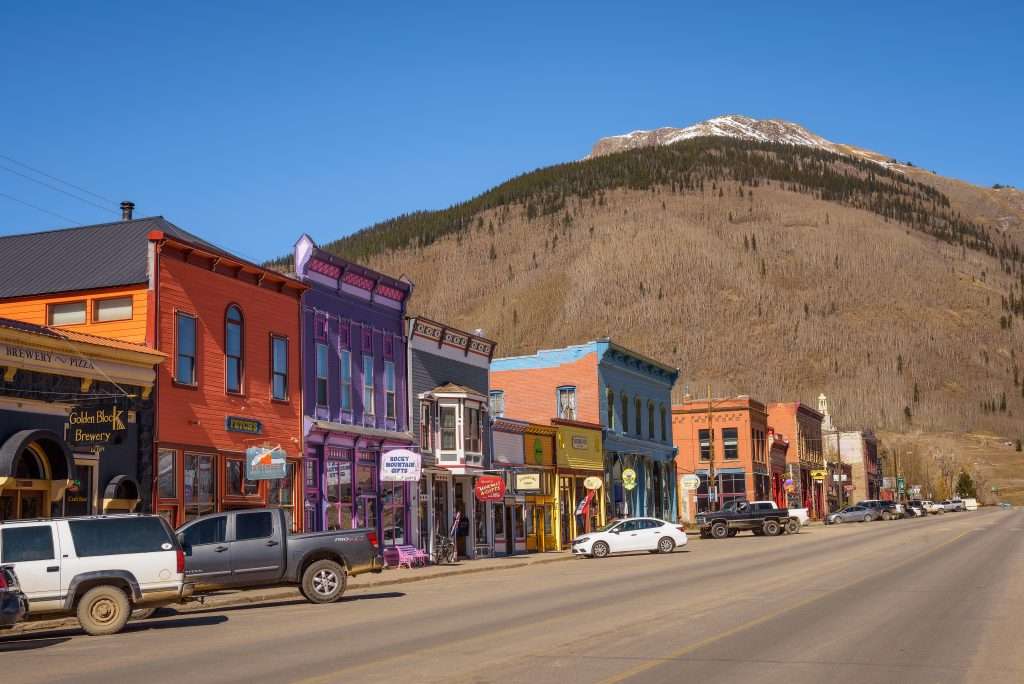
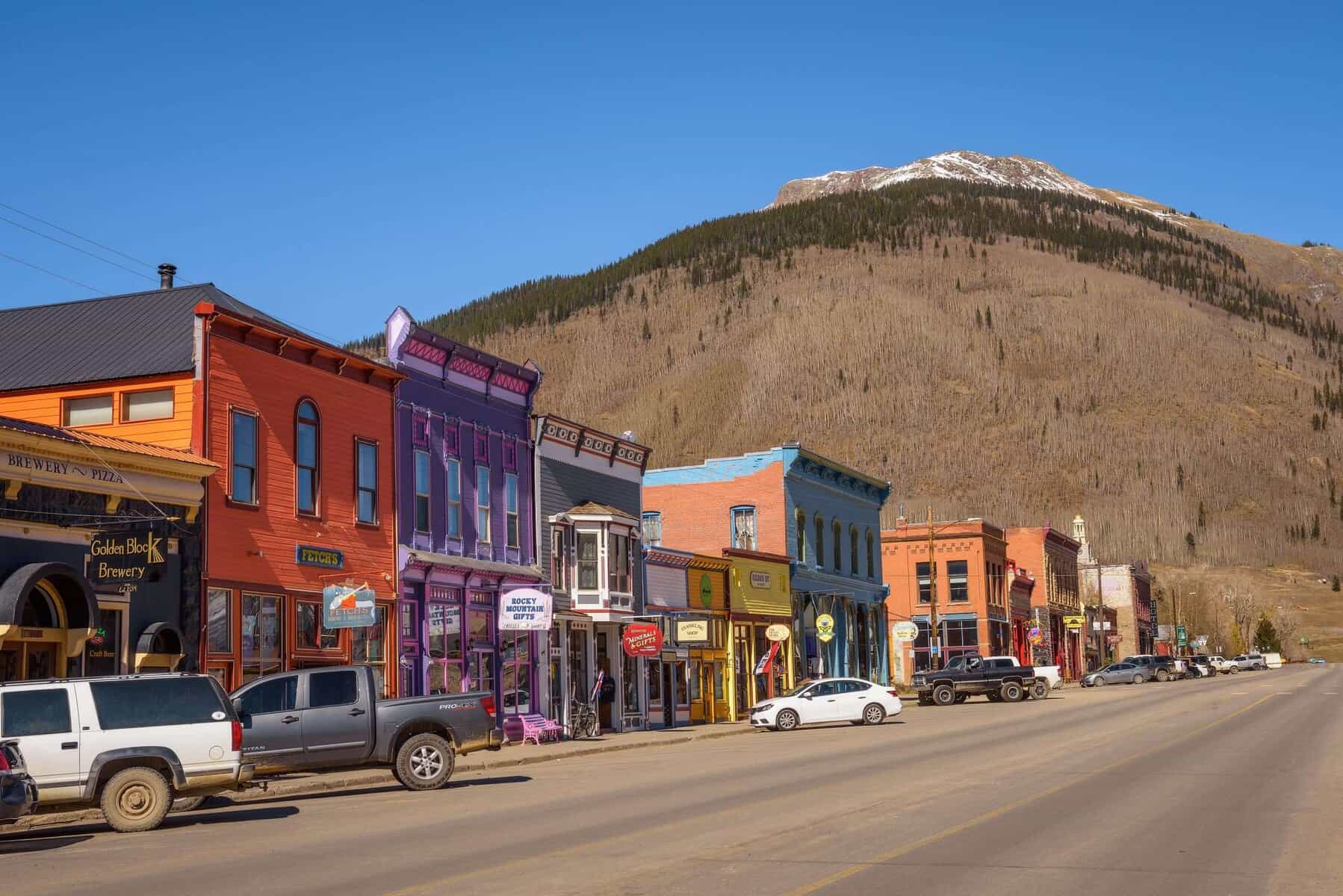
High in the San Juan Mountains, Silverton feels like a frontier town preserved in time. The surrounding peaks isolate the community, and winter storms can cut off access entirely. With its historic buildings and tight community ties, Silverton maintains traditions that echo its mining-era past. Visitors exploring U.S. travel mountain destinations say the town feels more like a hidden kingdom than a place in modern America.
Kaktovik, Alaska

Located on Barter Island, Kaktovik stands at the edge of the Arctic National Wildlife Refuge, where polar bears roam and the ocean ice stretches endlessly. Travel here depends on small aircraft and cooperative weather, making each arrival an adventure. The community maintains strong Inupiat cultural traditions, creating a way of life shaped by survival and respect for nature. For travelers, Kaktovik feels almost otherworldly—quiet, resilient, and incredibly remote.
Ocracoke, North Carolina
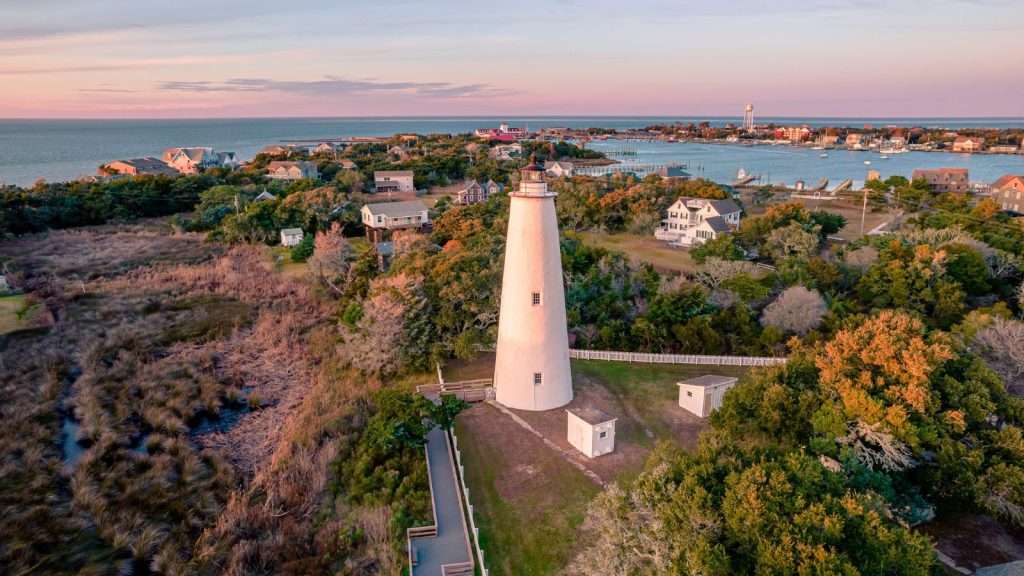
Accessible only by ferry, boat, or small plane, Ocracoke sits along the Outer Banks and feels like a world separated from mainland culture. Storms regularly reshape the shoreline, and the constant ocean wind contributes to a salty, restless atmosphere. Islanders maintain their own distinct accent, customs, and maritime traditions. Visitors who explore the community often say it feels like stepping into a self-contained island realm.
Glacier, Washington

Located near the foothills of Mount Baker, Glacier is surrounded by rugged forestland and dramatic mountain terrain that create a sense of deep isolation. Residents experience heavy snowfall and a slower pace of life shaped by the wilderness. The town attracts hikers and adventurers who appreciate its remote charm and peaceful silence. Travelers often describe Glacier as a place where the forest feels endless and the modern world feels far away.
Shoshone, Idaho
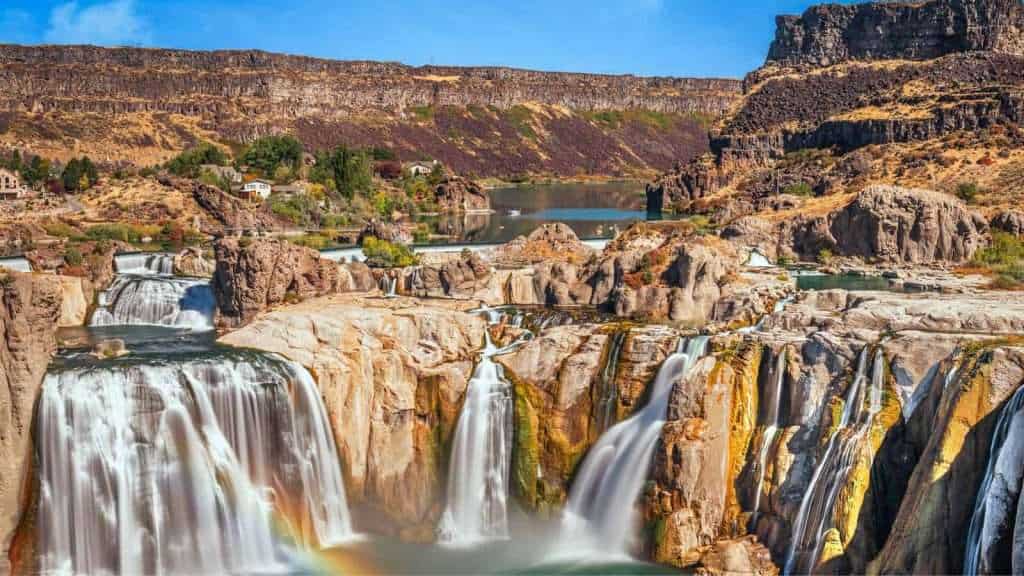
Shoshone sits amid vast plains, volcanic formations, and wide-open country that extends for miles without interruption. The town feels isolated due to its sparse population and long stretches of highway separating it from major urban centers. Life here is shaped by agriculture, desert winds, and the quiet rhythm of rural living. Visitors exploring U.S. travel backroads often remark on how Shoshone feels like its own self-contained region.
Friday Harbor, Washington

Located in the San Juan Islands, Friday Harbor is accessible mainly by ferry or small plane, giving it an island-nation kind of vibe. Residents enjoy stunning views and a laid-back lifestyle shaped by the tides and ferry schedules. The separation from the mainland creates a distinct culture rooted in marine life and community connections. Travelers frequently describe the town as feeling like a peaceful world of its own.
Haines, Alaska

Surrounded by steep mountains and deep fjords, Haines sits far from Alaska’s larger towns and requires long ferry rides or flights through unpredictable weather. The dramatic landscape reinforces its isolation, shaping a community built on self-reliance and Alaska Native heritage. The area’s wildlife, weather, and rugged terrain create an environment unlike most American towns. Visitors often say Haines feels like stepping into a separate northern country.
Lajitas, Texas

Lajitas is a tiny desert town near the Rio Grande where rugged landscapes stretch for miles with minimal signs of civilization. Its remote location gives it a strange, cinematic quality, with desert cliffs, wide skies, and quiet roads. The local culture blends western history with modern quirks, creating a unique sense of identity. Travelers exploring U.S. travel desert regions often feel like they’ve crossed into another world entirely.
Fort Yukon, Alaska
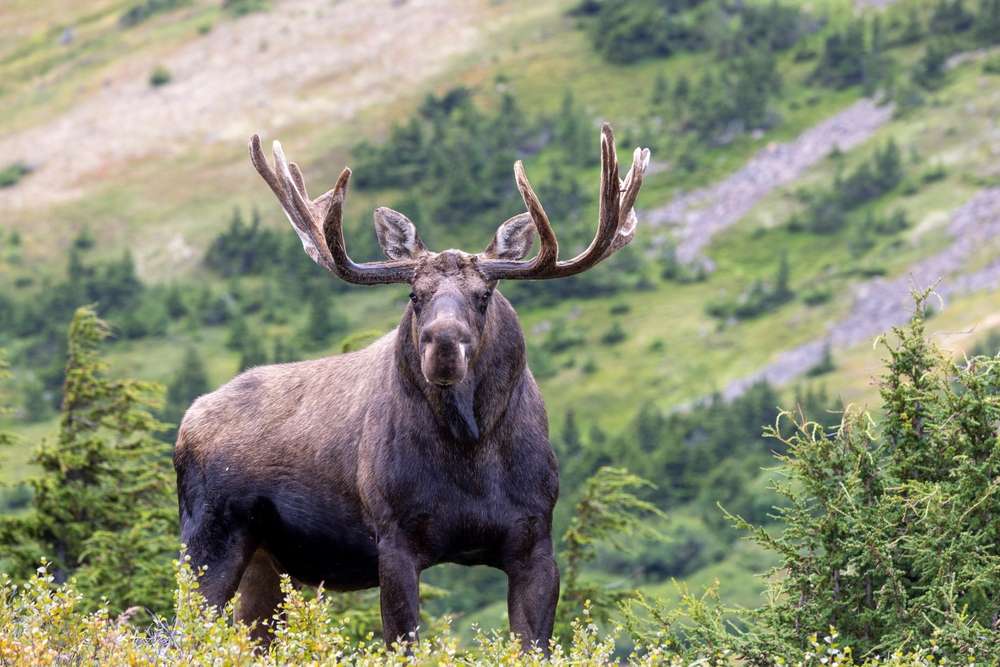
Located above the Arctic Circle along the Yukon River, Fort Yukon experiences extreme seasonal contrasts and long stretches of isolation. Travel requires determination, as the town is reachable mainly by air and occasionally by river during the right seasons. Residents rely heavily on community ties and long-standing traditions to navigate the challenges of remote living. Visitors often say Fort Yukon feels like one of the most isolated and distinctive towns in America.

Deborah Montiero is a seasoned travel writer and contributor to Probe the Globe. With a passion for uncovering hidden gems and sharing immersive travel experiences, Deborah’s work highlights must-visit destinations, insider tips, and practical advice for travelers of all types. Whether exploring bustling cities or remote escapes, her articles are crafted to inspire and inform, making her a trusted voice in the travel community.
Her storytelling weaves together cultural insights, logistical tips, and authentic experiences, making her a valuable resource for readers seeking unforgettable journeys.
When not writing, Deborah is likely researching the latest travel trends or planning her next adventure. Follow her work on Probe the Globe for fresh perspectives and up-to-date travel inspiration.